One Piece Figures Buying Guide | Choose Character Collectibles

One Piece Figures Buying Guide: How to Choose Character Collectibles
One Piece figures are not just anime items placed inside a display cabinet. For many collectors, the real reason to keep a figure comes from the moment a character first stayed in memory. It is not only about the face, outfit, or hair color. It is about whether the figure can bring back the feeling that made that character unforgettable.
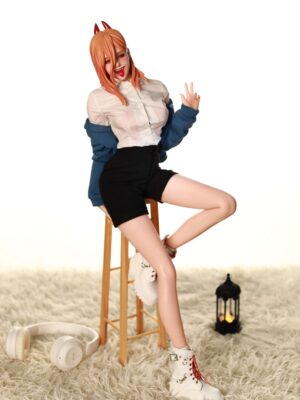
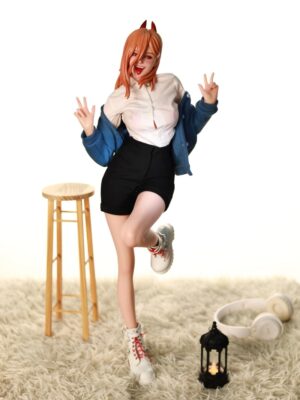
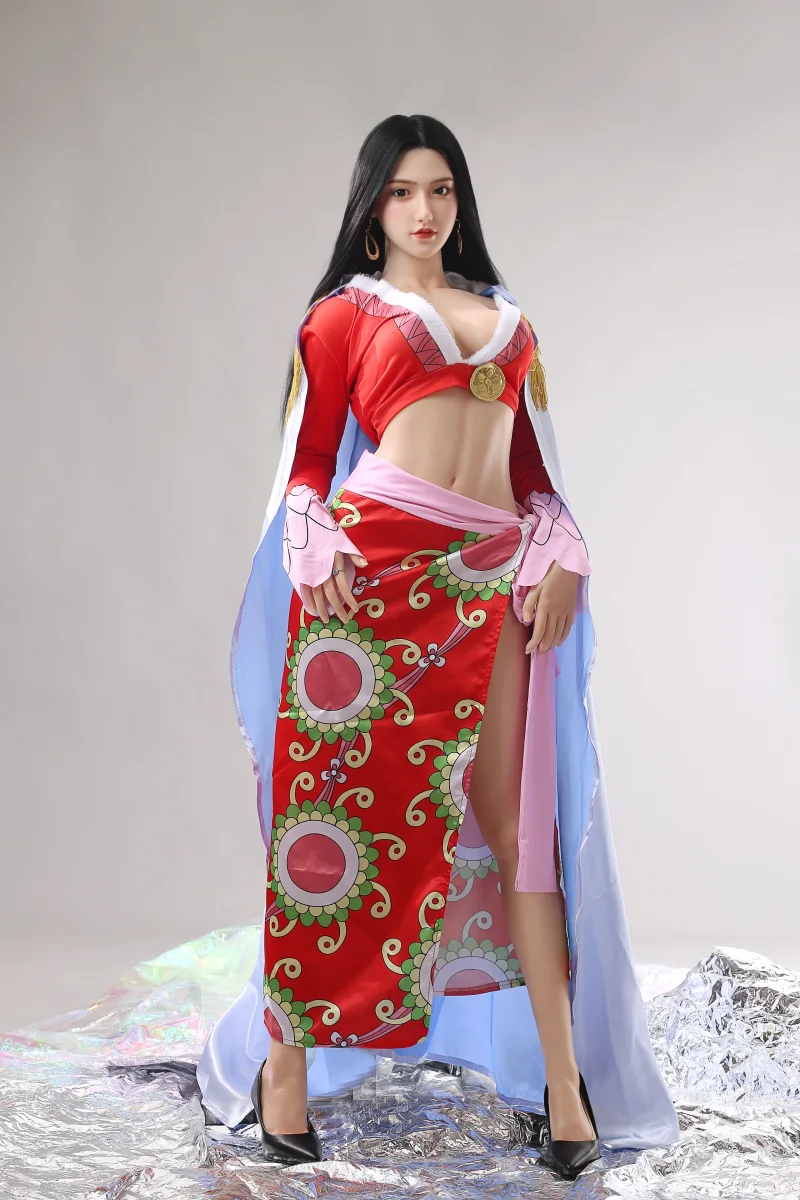
When I look at Nami and Boa Hancock, the feelings are completely different. Nami reminds me of the Straw Hat crew’s voyage, her orange hair, tattoo, eyes, and navigator identity. Those details carry a clear sense of life. Boa Hancock feels different. Her royal identity, proud posture, and powerful presence make her unsuitable for an ordinary display model.
Choosing One Piece figures should not begin with whether the product image looks attractive. The real question is whether the figure understands the character. Can it make you recognize Nami at first glance? Can it express Boa Hancock’s pride and authority? Do the material, outfit, face sculpt, and display style truly support the character?
Ask First: Is This the Character in Your Mind?
One Piece has many characters, and each one has a different way of moving, standing, fighting, and leaving an impression. Luffy is remembered through the stretching motion of his rubber body and his forward-rushing energy. Zoro’s presence depends on his swords, shoulder strength, and body balance. Sanji often leaves an impression through leg movement and clean attack posture.
Nami attracts attention through intelligence, quick reaction, and her role as a navigator. Boa Hancock creates memory through posture, gaze, and the presence of a Pirate Empress. Because of that, a One Piece figure should not only copy the character’s outer symbols. It should make the character feel present.
Instead of only asking whether the figure looks similar, ask a more important question: is this the character I remember? When you see the model, can it immediately remind you of the moment when that character moved you in One Piece?
If a figure only copies hair color, outfit, and outer shape, but misses the original character feeling, it becomes difficult to keep it as a long-term collectible. A good figure should show why the character is loved, rather than only placing familiar character symbols on a model.
A Good One Piece Figure Needs Body Language
One Piece characters are rarely completely still. Even when they stand in a scene, their bodies usually carry a clear state. Some characters are ready to charge forward. Others prepare to draw a weapon. Certain characters control the frame through their gaze, while others show quick movement through posture.
A good One Piece figure needs body language. The head direction, shoulder angle, waist balance, leg position, and clothing lines should all match the character. The goal is not to make every pose exaggerated. The goal is to make the pose belong to that character.
Movement Should Match the Character
Luffy’s body should remind people of stretching, jumping, and impact. Zoro’s posture should show the judgment and force of a swordsman. Sanji’s leg movement and body angle should match his fighting style. Nami’s overall state should carry the reaction sense of a navigator. Boa Hancock’s motion does not need to be complex, but her posture and gaze must create control.
When a character should feel full of movement, but the model only keeps surface symbols, the figure quickly loses its lasting value. It may look fine at first, but after a while, the character no longer feels alive.
For Boa Hancock, Look for the Pirate Empress Presence
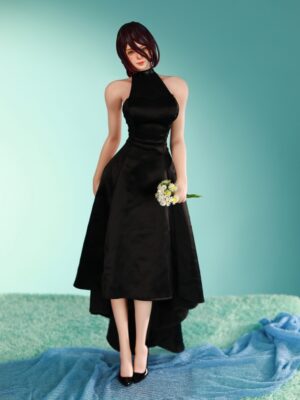
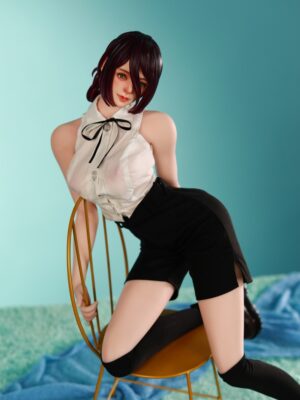
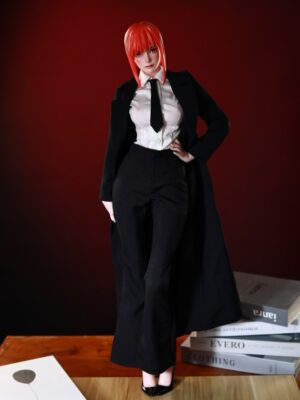
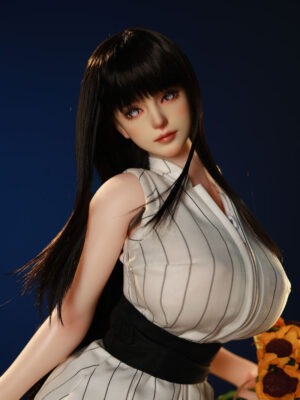
Collectors who like Boa Hancock should first check whether the model carries her Pirate Empress presence. Her charm does not come from approachability. It comes from confidence, pride, and distance. A good Boa Hancock figure does not need an exaggerated pose to attract attention. When the facial expression, head angle, standing posture, and clothing direction are handled correctly, her presence becomes clear.
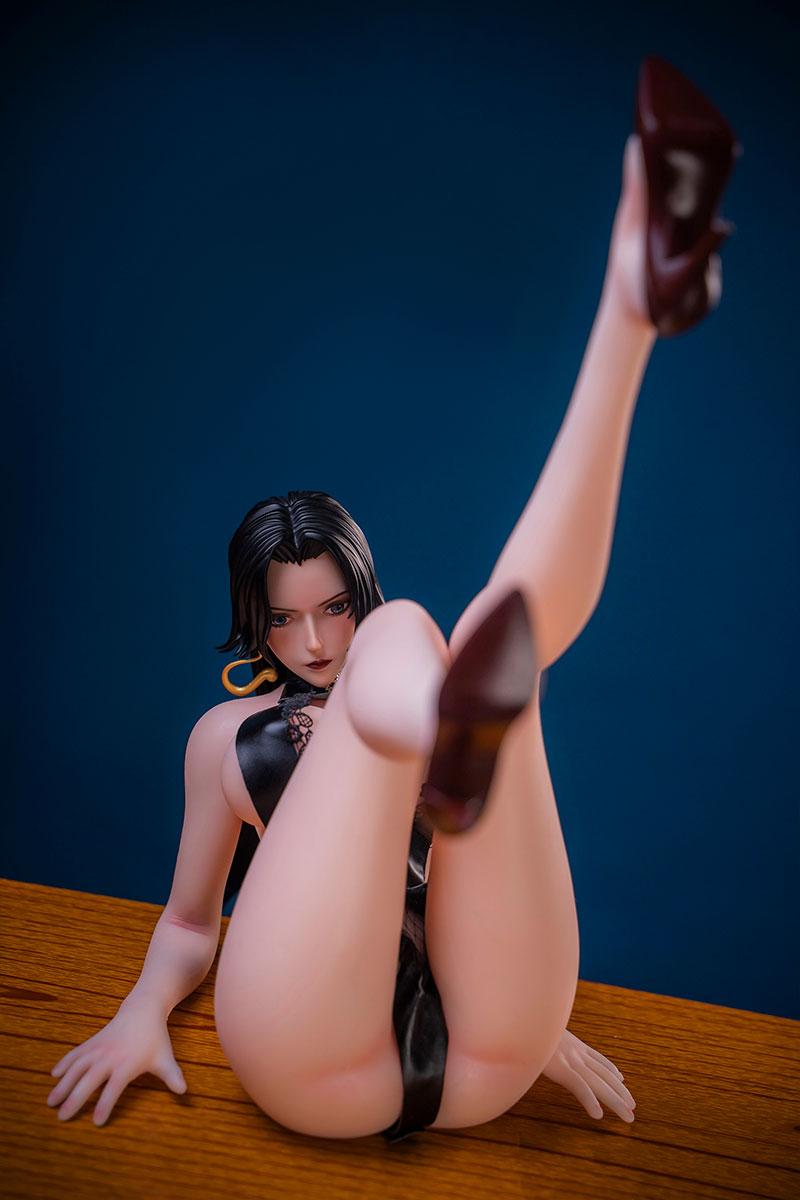
A qualified Boa Hancock figure first needs a face that matches her Pirate Empress identity. The gaze should have a clear direction. The mouth line should not look random. The head angle should not feel like an ordinary character pose. Her beauty should carry composure and pressure, making her feel as if she controls the frame rather than tries to fit into it.
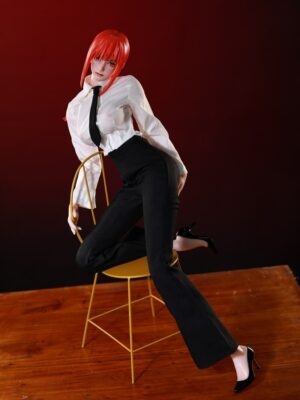
Body posture also matters. Boa Hancock does not suit a loose standing pose or a pose built only around cuteness. She should feel like the center of the scene even when standing still. The shoulder and neck line, waist position, leg direction, and overall balance should make the character look calm, stable, and commanding.
The outfit should not act as simple decoration. Boa Hancock’s clothing needs to support her identity. Color, cut, fit, and overall style should strengthen her elegance and Pirate Empress presence. When an outfit only tries to catch the eye but fails to support the character, the model becomes a regular costume figure.
How to Judge a Boa Hancock Figure
When checking a Boa Hancock figure, focus on three things: whether the face has the right authority, whether the body posture creates a stable sense of control, and whether the outfit and material help the character feeling become complete. The point is not how many accessories are listed. The point is whether those details make you feel: this is the Boa Hancock in my mind.
For Nami, Look for Her Navigator Energy
Collectors who like Nami need a different standard from Boa Hancock. Nami does not rely on pressure to attract attention. Her appeal comes from intelligence, quick reaction, sharp judgment, and adventure. She is the navigator of the Straw Hat crew, and she carries a strong sense of life within the team.
A qualified Nami figure should first make people feel that she is a character in motion. She cannot be reduced to orange hair and a beautiful body. Her eyes should feel responsive. Her expression should carry judgment. Her posture should not remain empty or still.
A Nami figure that truly works should remind people of her reading the weather, planning the route, and moving forward with her crew. That feeling matters more than simply stacking familiar visual signs together.
Hair, Tattoo, and Outfit Should Carry Nami’s Identity
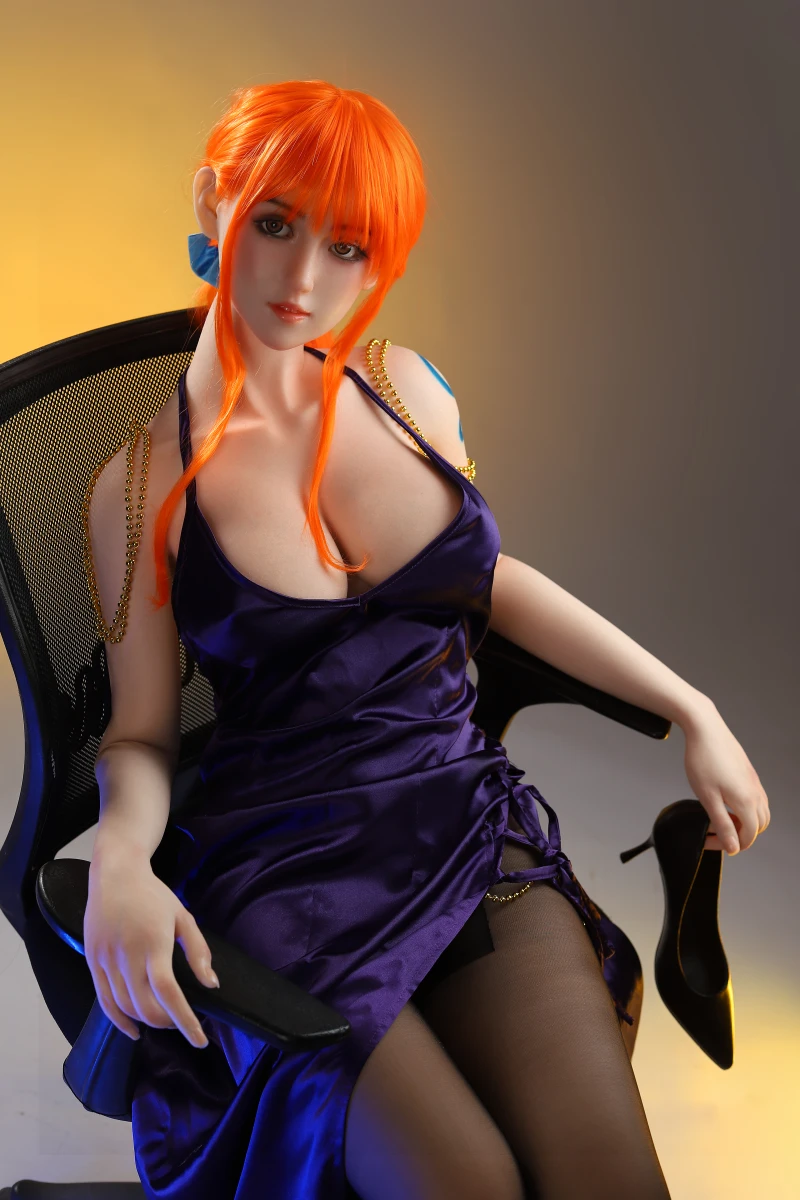
Nami’s hair is one of her strongest recognition points. Orange hair should not only have the correct color. The color needs to look natural, the bangs should follow the character outline, and the hair layers should keep her recognizable from more than one angle. A figure should not only work from the front.
Her tattoo, gaze, and outfit should not appear as surface symbols. They should work together to express her navigator identity and active character feeling. If the outfit hides her sense of movement or turns her into a generic female model, the character becomes weaker.
When checking a Nami figure, focus on whether the hair, face, outfit, and body posture work together to express her action sense. For Nami, the important point is whether the character feels alive, not whether the figure simply stacks orange hair, tattoo details, and familiar clothing elements together.
Before choosing a Nami figure, ask yourself: is this the Nami in my mind? Does she have the quick judgment, movement, bright presence, and navigator identity that make her memorable? Without those details, even the correct hair color and outfit cannot fully restore Nami.
Different Characters Need Different Standards
The most interesting part of One Piece is that every character feels different. Because of that, One Piece figures should not be judged by the same standard.
Luffy figures should be judged by body stretch and action impact. Zoro figures should be judged by swords, shoulder strength, and balance. Sanji figures should be judged by leg movement and attack posture. Nami figures should be judged by reaction, expression, and navigator identity. Boa Hancock figures should be judged by Pirate Empress presence, posture, and control.
When an action-based character is made like a plain standing model, the soul of the character disappears. A presence-based character also loses its memory point when the model only aims to look attractive.
A valuable figure does not need to fill every possible detail. It needs to understand what matters most to the character. Luffy needs elasticity. Zoro needs force. Sanji needs speed. Nami needs movement. Boa Hancock needs presence.
The Face Decides Whether the Character Works
The face is often where a figure succeeds or fails. Hair color, clothing, and accessories can tell viewers which character the figure is trying to represent, but the face decides whether the figure truly feels like that character.
Nami’s face should not focus only on surface beauty. It needs judgment, reaction, and a slightly playful state. If the eyes have no direction or the mouth shape has no personality, the face cannot support her identity as the navigator.
Boa Hancock’s face requires even more care. She needs a proud, composed expression with distance. The gaze, mouth line, and head angle need to work together. Without the Pirate Empress feeling in the face, the body and outfit cannot carry the character alone.
When checking the face, do not only look at the front view. The side view, eye angle, nose bridge, mouth shape, and chin line also matter. Many figures look acceptable from the front, but another angle exposes proportion issues. A strong face sculpt should remain convincing from different views.
Hair and Outfit Should Support the Character
Hair and outfit are strong recognition points, but they should not stop at surface similarity.
Nami’s orange hair needs to keep her character outline. The color should not look randomly applied, and the hairstyle should not lose its layers. Her hair should help her look lighter and more active, rather than becoming a single heavy shape with no direction.
Boa Hancock’s long hair connects directly to her elegance. The layering, back view, and overall flow of the hair affect her character feeling. If the hair only works from the front but lacks care from the side or back, the figure loses completeness.
Outfit follows the same rule. Nami’s clothing should carry the freshness and adventure of the sea. Boa Hancock’s clothing should make her identity clearer and help her appear composed and placed within the scene.
A good One Piece figure should make hair, outfit, and body posture feel unified. These elements do not only need to look good on their own. Together, they should answer one question: why is this character herself?
Material Should Help Character Restoration
PVC, resin, silicone, and TPE can all be used for anime figures, but each material supports a different kind of expression.
PVC works well for traditional static figures. It is stable, clean, and suitable for display cabinet collections. Resin often works better for sculptural detail and scene-based presentation, although it requires more care during shipping and placement. Silicone can support realistic body lines, clothing fit, and a softer visual surface. TPE often focuses more on body flexibility, but it also requires more careful maintenance.
The material itself is not the point. The point is whether it helps the character become more accurate.
For Nami, the material and outfit should make her look more natural and active. For Boa Hancock, the material and body line should help express elegance, stability, and presence. If material only appears as a selling point but does not make the character feel closer, its value becomes limited.
So when judging material, do not only ask which one sounds more premium. Ask whether it suits the character, and whether it helps the face, outfit, body posture, and overall display feel more unified.
Accessories Should Strengthen Character Feeling
More accessories do not automatically make a figure better.
Replacement faces, outfits, props, shoes, and bases should all serve the character. If the main face does not resemble the character, extra faces do not solve the problem. If the body posture is wrong, more outfits only increase the quantity rather than the value.
Useful accessories should make the character more complete. Different Boa Hancock face options should show different states of her Pirate Empress expression. Different Nami outfits should bring out different scenes of movement and adventure. Zoro’s swords, Sanji’s kick support, and Luffy’s stretching effects should all connect to the character itself.
Accessories should not make the product page look busy. They should make the figure feel closer to the character.
Good One Piece Figures Should Stay Worth Looking At
A new figure can easily feel exciting at first. However, a truly collectible One Piece figure should still feel valuable after the first excitement has passed.
It does not need the most exaggerated action or the largest number of accessories. It needs to feel like the character, carry reasonable movement, have a convincing face, use clothing naturally, choose suitable material, and hold up under repeated viewing.
One Piece characters are memorable because they have their own actions, personalities, fighting styles, and body language. Good figures should not only copy the surface. They should keep those character memories alive.
If you like Nami, look for her quick judgment, action sense, and navigator identity. If you like Boa Hancock, look for her pride, elegance, and Pirate Empress presence. If you like another character, first find the movement and character feeling that matter most, then judge whether the figure captures them.
A truly collectible One Piece figure does not stop at looking good at first glance. Each time you see it, it should remind you why that character became important to you.
For official character background, you can compare the Nami character profile and the Boa Hancock character profile. These references can help you judge whether a figure captures the character identity beyond surface appearance.