Nami Figure | Why the Straw Hat Navigator Stayed in My Memory

At that time, Luffy’s directness, Zoro’s belief, and Sanji’s fighting style caught my attention more quickly. Nami felt like the clear-headed person in the crew. She cared about money, complained when things became reckless, warned everyone about danger, and pulled the chaos back toward reality.
However, I truly stopped and looked at her during the Arlong Park arc.
Before that arc, Nami always carried something difficult to read. She acted like a companion, yet she also seemed ready to leave at any time. She traveled with Luffy’s group, then suddenly created distance. Her choices looked practical and cold at first, but Arlong Park slowly revealed why she had learned to protect herself in that way.
Nami Figure and the Truth Behind Her Departure
When Nami left the Straw Hat crew, it looked like betrayal on the surface. She took the treasure, returned to Arlong, and cut herself away from Luffy and the others. During my first watch, I could not understand why she turned away after everything they had already experienced together.
Then Cocoyasi Village appeared, and the meaning of her choice changed.
That village was not just her hometown. It was the place she had been trying to save, and also the place she could never truly leave. Returning there did not mean freedom. The past kept pulling her back.
Arlong controlled the village and controlled her life. From the outside, Nami seemed to be drawing maps for him. In truth, she was using the only method she could still hold onto, trying to buy back the village and give everyone a chance to live freely again.
She hid stolen money, swallowed pain, and accepted being misunderstood by the villagers. If the truth came out too early, the people of Cocoyasi Village might have fought for her and died because of it. So Nami kept playing the role of the clever, money-obsessed thief.
That was when her intelligence stopped feeling light. Her quick reactions came from having no room to be slow. Her practical side grew from a childhood where innocence could not save anyone. Money became important because it was the only hope she could still count.
Bell-mère Gave Nami the Weight of Family
Bell-mère is one of the reasons Nami’s past stayed with me.
She was not a perfect mother drawn only to be gentle. Bell-mère was poor, stubborn, and sometimes rough in the way she expressed love. Yet when life became difficult, she still placed Nami and Nojiko before herself.
Young Nami did not always understand that love. She complained about poverty and wanted a better life. Even so, Bell-mère never treated her as a burden. She chose Nami and Nojiko as her daughters, and that choice became the center of her life.
When Arlong arrived in Cocoyasi Village, every family was forced under his rule. Adults had to pay. Children also had to pay. Bell-mère only had enough money to save the two girls.
She could have denied having children and survived.
Instead, she admitted that Nami and Nojiko were her daughters.
That moment changed Nami forever. She watched the person who loved her most die because she refused to deny their family. After that, Nami had to keep living, stand before Arlong, and use her mapmaking ability for the man who destroyed her home.
Later, when Nami smiled while talking about money or pretended not to care, those scenes felt different. She was not empty inside. She had learned to hide emotion too early. The person she most wanted to rely on had already protected her with her life.
 Nami’s Maps Were the Dream Arlong Could Not Fully Take
For him, her talent was only a tool. The better she mapped the ocean, the more useful she became for his ambitions. For Nami, however, maps were never only tools. They were the one remaining connection between her and the sea.
Since childhood, she loved drawing maps. That skill carried her imagination of the outside world. She wanted to draw the seas, leave the village, and reach places she had never seen.
Arlong turned that dream into a chain.
This is one of the cruelest parts of the Arlong Park arc. Nami’s most precious talent became the thing used to trap her. The sea she longed for was forced into maps that served Arlong.
Because of that, Nami cannot be understood only as a smart navigator. Her talent is not decoration, and her navigation is not a background setting. It is the part of herself that survived even inside pain.
She was trapped in Cocoyasi Village, yet the sea never disappeared from her heart. Arlong forced her to draw maps for him, but he never fully erased the world she once wanted to reach.
Arlong Destroyed the Promise Nami Trusted
Nami believed that if she saved enough money, she could buy back the village.
That goal was not just a deal. It was the reason she kept going. Every stolen coin, every swallowed humiliation, and every map drawn under Arlong’s control was pushed into that single hope.
Arlong never intended to let her succeed.
When the Marines took away the money she had spent years saving, the loss was not only financial. The one exit she had trusted for so long was crushed in front of her.
Nami did not fail because she lacked effort. She failed because Arlong had turned hope itself into another trap.
She had believed that endurance could eventually end the nightmare. She hid her pain, covered her anger, and became the person others thought only cared about money. Then she realized that Arlong had never planned to honor the promise.
That was when Nami broke.
She stabbed the Arlong tattoo on her arm again and again. That mark represented control, humiliation, and the past she could not escape. Each strike felt like an attempt to carve those years out of her own body.
In that moment, the clever thief disappeared. What remained was someone who had held on for too long and finally reached the end of what she could endure.
“Please Help Me, Luffy” Made Me Truly Love Nami
The moment that made me remember Nami most came when Luffy stood in front of her.
Before that, Nami kept pushing others away. She did not want the villagers to know the truth, and she did not want Luffy’s group dragged into her pain. Carrying everything alone had become a habit.
After Arlong shattered her last hope, that habit finally broke.
With her head lowered, Nami said the line I never forgot:
“Please help me, Luffy.”
That line carried everything she had tried to hide. By saying it, Nami admitted that she could no longer solve the pain alone. Years of stealing, drawing maps, lying to others, and lying to herself collapsed in that request.
Luffy’s response mattered just as much.
He did not ask why she had left. The truth behind her choices did not need to be pulled out of her while she was already broken. Instead, Luffy placed his most precious straw hat on her head and turned toward Arlong.
That gesture said more than any comfort could. The straw hat was not an ordinary object to Luffy. It carried his promise, his belief, and his connection to Shanks. By placing it on Nami, he gave her something more important than words: from that moment on, she did not have to stand alone.
That scene made me truly love Nami. She was not powerful because she had never been weak. She became unforgettable because, at her lowest point, she finally found companions willing to stand with her.
 Luffy’s Answer Pulled Nami Back Toward the Sea
That response felt exactly like Luffy. Simple, firm, and free of unnecessary explanation. For Nami, it carried more power than a long speech.
She had already heard too many broken promises.
Arlong claimed that she could buy back the village if she saved enough money. That promise only kept her useful. Nami believed endurance might lead to freedom, but Arlong never planned to release her.
Luffy’s answer mattered because he acted.
For the first time, Nami met someone who did not use her talent, deceive her hope, or leave her to suffer alone. When the straw hat rested on her head, she was still crying, but she no longer faced Arlong by herself.
After that, Nami became more than the Straw Hat navigator in my mind. She was a person once trapped by the past, then pulled back toward the sea by her companions.
After Arlong Park, I Understood Nami Differently
After the Arlong Park arc, every later Nami moment felt different.
She still cared about money, still complained, and still panicked first when Luffy made a reckless decision. Yet those reactions no longer felt like simple comedy. They carried her history.
Nami understands danger because she saw how it destroyed a home. Money matters to her because it once became the only possible way to save a village. Her ability to read a situation quickly comes from a childhood where mistakes could cost lives.
As the navigator of the Straw Hat crew, she guides everyone across the sea. Luffy can rush forward, Zoro can fight, and Sanji can protect the crew, but without Nami, they may not even find the correct direction.
That is what makes her so memorable to me.
She was hurt, yet she did not remain inside that wound. After breaking down, she returned to the ship, continued reading the weather, continued watching the route, and kept moving toward new seas with the crew.
The Nami in my mind is not only orange hair, tattoo detail, or a beautiful outline. She is the person who cried out “Please help me, Luffy,” then became the navigator who kept leading the crew forward.
Why I Wanted to Create a Nami Figure
Because of Arlong Park, I later began to think about what a Nami figure should really keep.
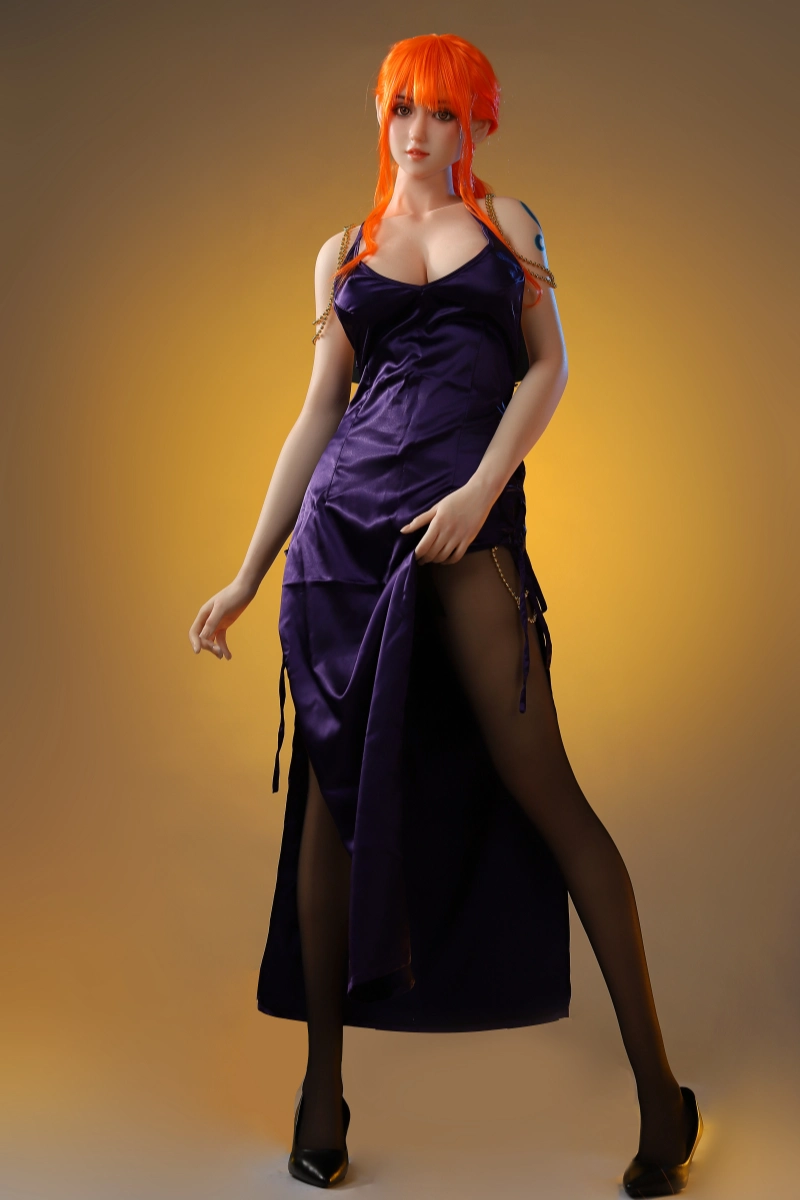
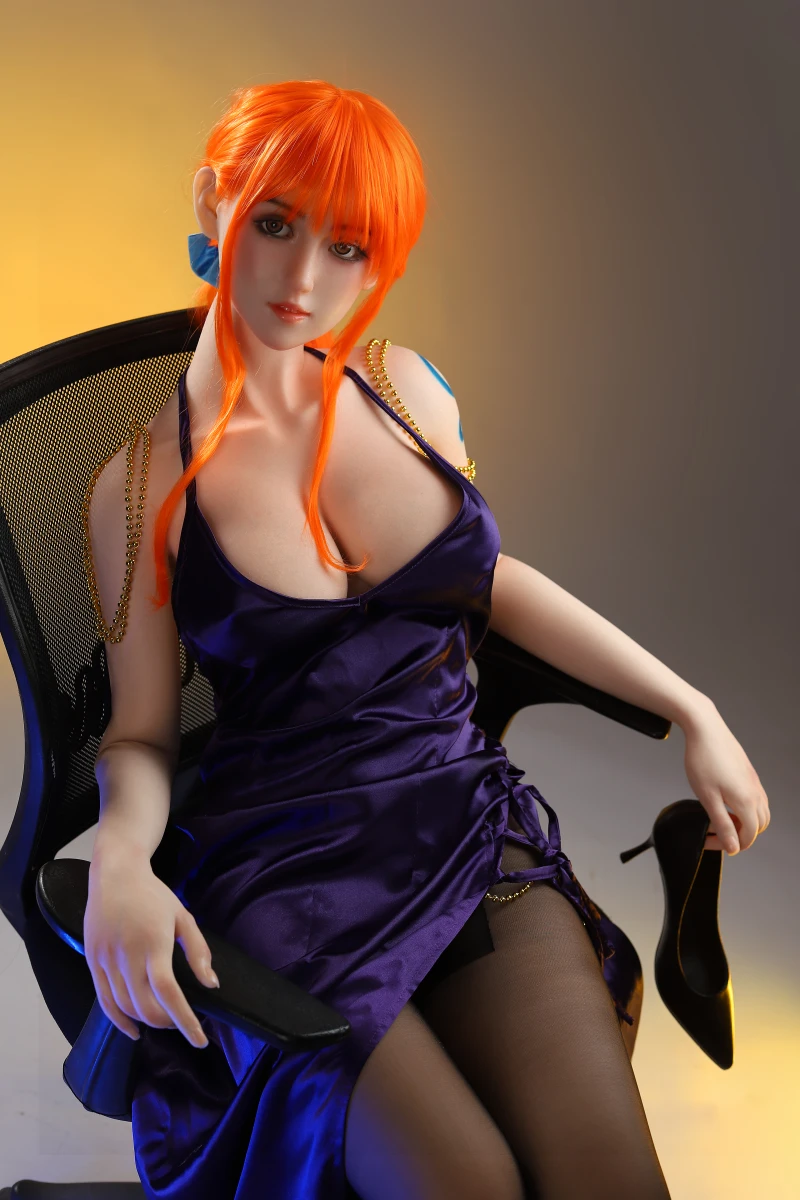
Orange hair, the tattoo, clothing, and body shape all matter. Still, those are only the details that people see first. The Nami I wanted to keep was the girl who carried the fate of Cocoyasi Village too early, yet never fully gave up maps or the sea.
This Nami figure should carry her intelligence and the moment she broke down. Her quick reactions, her helpless request to Luffy, her clever “Cat Burglar” side, and her reliability as a navigator all need to belong to the same character.
That is the Nami I remember.
When making a Nami figure, the biggest fear is not that she looks less attractive at first glance. The real problem would be leaving only the surface. A figure that keeps only beauty cannot become the Nami who stayed with me after Arlong Park.
 Face Sculpt for a Nami Figure
Nami’s face cannot rely only on prettiness. It needs reaction. Her eyes should feel as if she is judging the next step or already noticing a change in the weather, the route, or the people around her.
A blank expression would weaken her immediately. Nami has gone through too much to look empty. She can complain, get angry, become serious, or break down when the pain reaches its limit. Those different states should still feel connected to the same person.
The expression I want is not a fixed smile. It should feel as if she has just read the sky and is about to warn the crew that danger is ahead.
That kind of reaction makes a Nami figure feel closer to the real navigator.
Orange Hair and Tattoo Should Carry Her Story
Nami’s orange hair is one of her strongest recognition points, but correct color alone is not enough.
The hair needs layers and should work with the face and body posture. It should not look like a hard block of color placed on the head. Nami should feel light, alert, and ready to move.
The tattoo also needs meaning.
It connects directly to the Arlong Park arc and to the process of escaping control. That place on her body carries the memory of being marked by Arlong, and later, the choice to reclaim her own life.
Because of that, the tattoo on a Nami figure should not feel like a random graphic. It should remain part of the character’s memory. When I see it, I should remember the moment she stabbed the old mark and the moment she finally returned to the Straw Hat crew.
Outfits Should Keep the Navigator’s Movement
Nami has many outfits, but the clothing should never make her feel heavy or fixed.
She is the navigator, the person who reads the environment faster than anyone else. Her outfit should carry movement, adventure, and a sense of readiness. It should not exist only to attract attention or turn her into a generic costume model.
The relationship between clothing and posture matters more to me.
When an outfit makes her look more active, it has value. Surface change without character feeling becomes decoration.
Multiple outfits can work well for a Nami figure when they preserve different sides of her. She can feel like a crew member at sea, a relaxed companion during quiet moments, or the Cat Burglar who is always ready to read the situation again.
Silicone Body and Skeleton Should Serve Natural Posture
A hard static figure can still represent Nami well. However, the Nami figure I imagine should not only work from one fixed angle.
Nami’s charm comes from reaction, posture, and clothing movement. A silicone body can make body lines and outfit fit look more natural, while reducing the distance created by harder materials.
The internal skeleton has a different purpose.
It is not for exaggerated action poses. It gives the head, shoulders, and body direction a more natural range of adjustment. Nami does not need to pose like a heavy fighter. She needs to feel as if she might turn around, warn the crew, or move forward at any moment.
Material and structure are only tools. Their value depends on whether they make Nami feel closer to the navigator in my memory.
 After Completion, I Wanted to Keep the Nami After Arlong Park
I want it to bring back Cocoyasi Village. I want to remember the person who pretended to care only about money, then finally broke down in front of Arlong. The old tattoo, the straw hat on her head, and the line “Please help me, Luffy” should all return through the figure.
Those scenes show why Nami matters.
Her appeal is not that she was never weak. It is that she could still stand up after the weakest moment of her life.
Later, she kept sailing, reading the weather, and moving forward with the Straw Hat crew. She still got angry, still complained, still counted money, and still became clearer than anyone else when danger came.
That is the Nami I want to keep.
Not only a model with orange hair and a beautiful shape, but the Cat Burglar who returned to the sea after Arlong Park.
How I Would Care for This Nami Figure
For me, a Nami figure should not be placed like ordinary decoration.
She should stand where she can be seen. Her hair and outfit need to stay clean, and the tattoo detail should not be hidden. When adjusting the posture, I would avoid making her look stiff or damaging the overall state for a short-term effect.
Nami is not a character who works through appearance alone.
She represents navigation, judgment, companions, and the courage to begin again. Collecting her feels like keeping the Nami who returned to the sea after Arlong Park.
Nami Figure FAQ
What matters most in a Nami figure?
The face reaction, orange hair, tattoo detail, and overall posture matter most. Nami should not only look similar. She needs the judgment of a navigator and the movement of the Cat Burglar.
Why should a Nami figure not only look beautiful?
Nami’s appeal comes from her past, Arlong Park, Bell-mère, Cocoyasi Village, and the moment Luffy placed the straw hat on her head. Those memories support the character beyond appearance.
Why is Nami’s tattoo important?
The tattoo connects to the past she escaped from and the life she chose afterward. It is not a random design. It is part of her character history.
What does a silicone body add to a Nami figure?
A silicone body can help outfit fit and body posture look more natural. For Nami, the material should support the movement and alertness of a navigator, not stand alone as a selling point.
How do I know whether a Nami figure is worth collecting?
Ask whether it feels like the Nami in your mind. If it reminds you of Arlong Park, the straw hat, the tattoo, and the moment she returned to the sea, then the figure has lasting value.
For official character background, you can also view the Nami character profile.