Anime Figure Buying Guide: Why Character Fit Matters

Anime Figure Buying Guide: Why I Do Not Only Look at Appearance
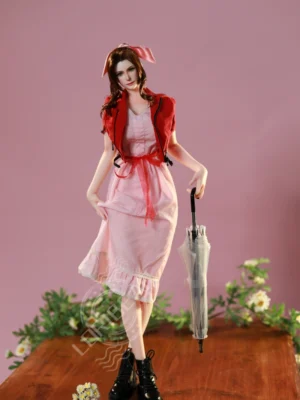
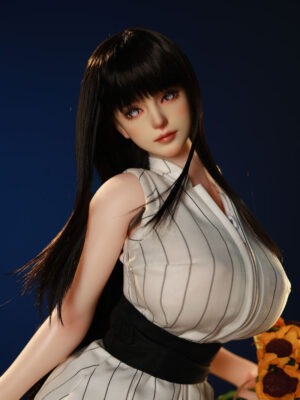
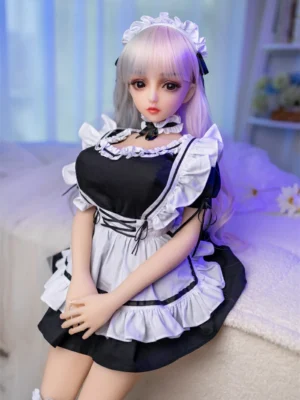
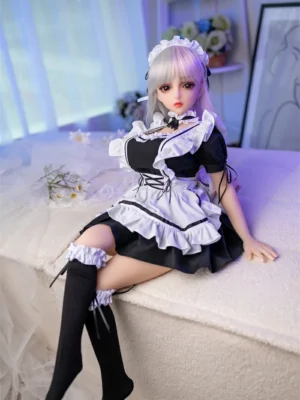
When many people buy an anime figure for the first time, they usually look at the appearance first.
I used to do the same.
When a favorite character becomes a real model, the first things I check are always the face, outfit, pose, and product photos. If the character feels familiar and the photos look attractive, it is easy to feel that I want to own it right away.
However, after collecting and studying more figures, I slowly realized that a strong first impression does not always mean a figure will stay meaningful for a long time.
Some figures look impressive in product photos. The face looks beautiful, the outfit has detail, and the angle feels carefully chosen. Yet after placing the figure in a room for a while, it can slowly become just another model on the shelf.
That does not mean the figure is bad.
It only means the figure captured the surface, but not the part of the character that made people remember her.
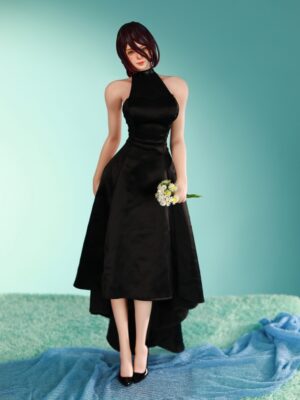
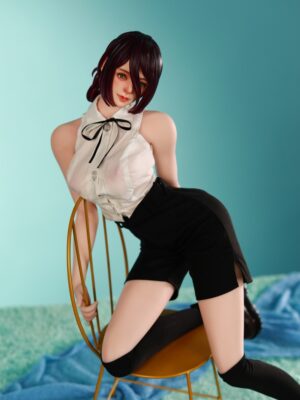
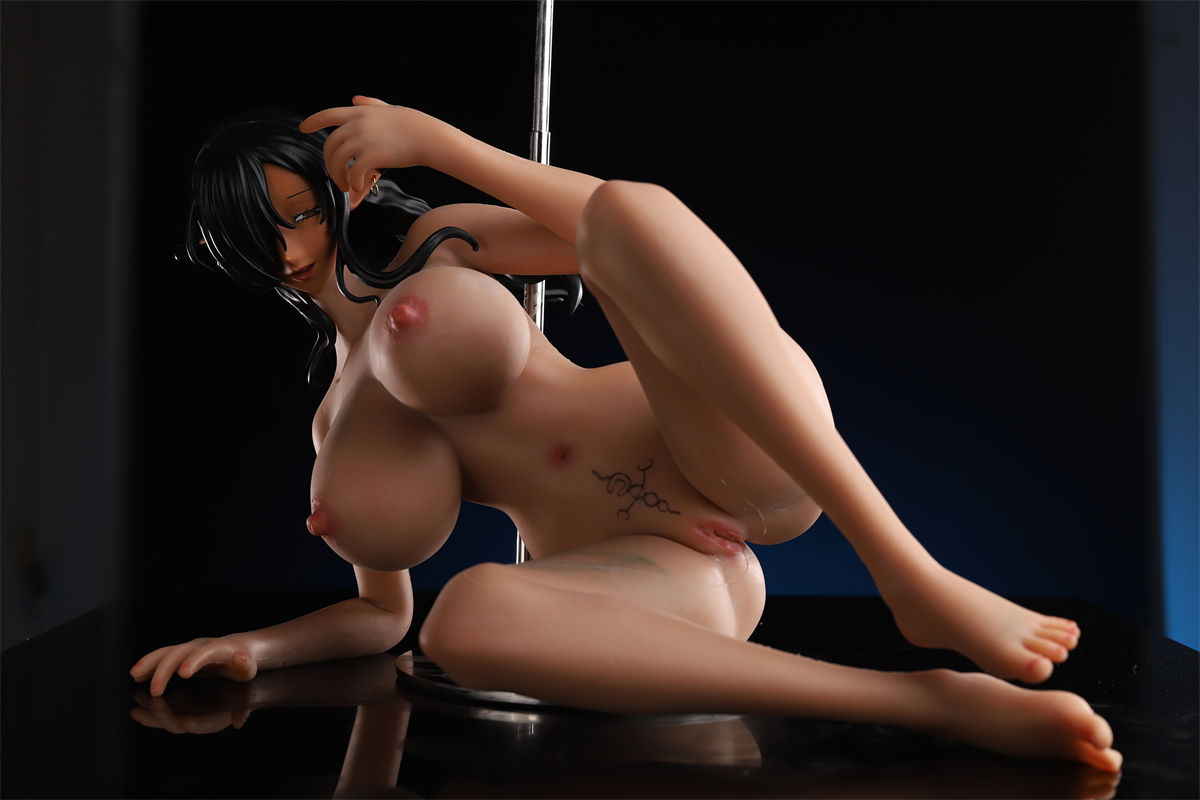
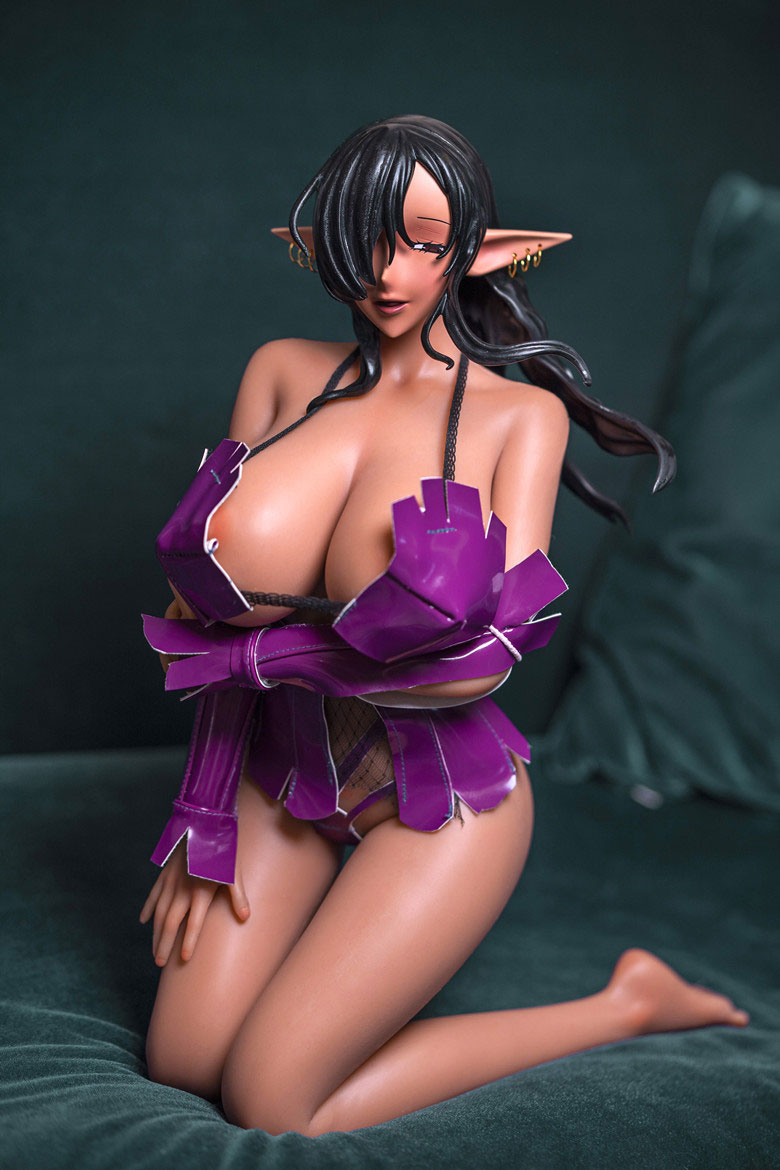
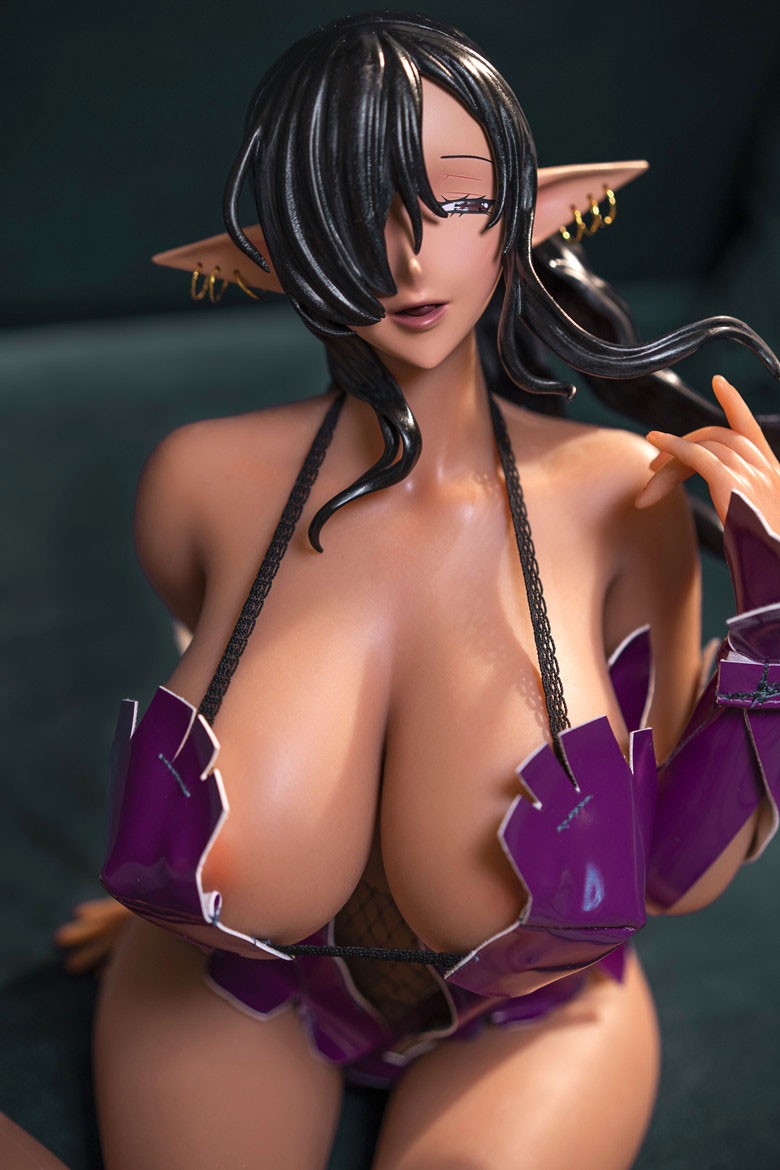
This is something I kept thinking about when creating the Olga Discordia figure. I did not want to make a model that only looked like her. To me, looking similar is only the first step. The more important question is whether she can still remind people of the Olga Discordia from Kuroinu after entering a real collection space.
A Figure That Looks Good at First May Not Stay Interesting
I used to trust the first impression a lot.
If an anime figure had a nice face, detailed clothing, and good product photos, I would quickly feel interested. Later, I found that some models only stayed strong at that first moment.
After some time, the feeling became weaker.
The face had no obvious problem. The outfit looked correct. The color also seemed fine. Still, something was missing. The figure completed the outer design, but it did not keep the feeling of the character.
Now, when I look at an anime figure, I do not only ask whether it looks good.
I ask myself a few more questions.
Will I still stop and look at it after several months? Will it remind me why I liked this character in the first place? Or does it only look good in the product photos?
If a figure only depends on the first glance, newer products can replace it very quickly.
The figures that stay with me are usually not the loudest ones. They are the ones that still feel connected to the character after I have looked at them many times.
Look at the Character Before Looking at the Material
One mistake I often see is that people look at the material too early.
PVC, resin, silicone, soft rubber, and metal skeleton all sound important. Yet if I start from the material, I may forget the real question: what does this character need?
Some characters work very well in a fixed pose.
For example, a character with strong action scenes or an iconic battle moment may only need one pose to feel complete. In that case, a regular PVC figure can make a lot of sense because one frozen moment already represents the character well.
Olga Discordia feels different to me.
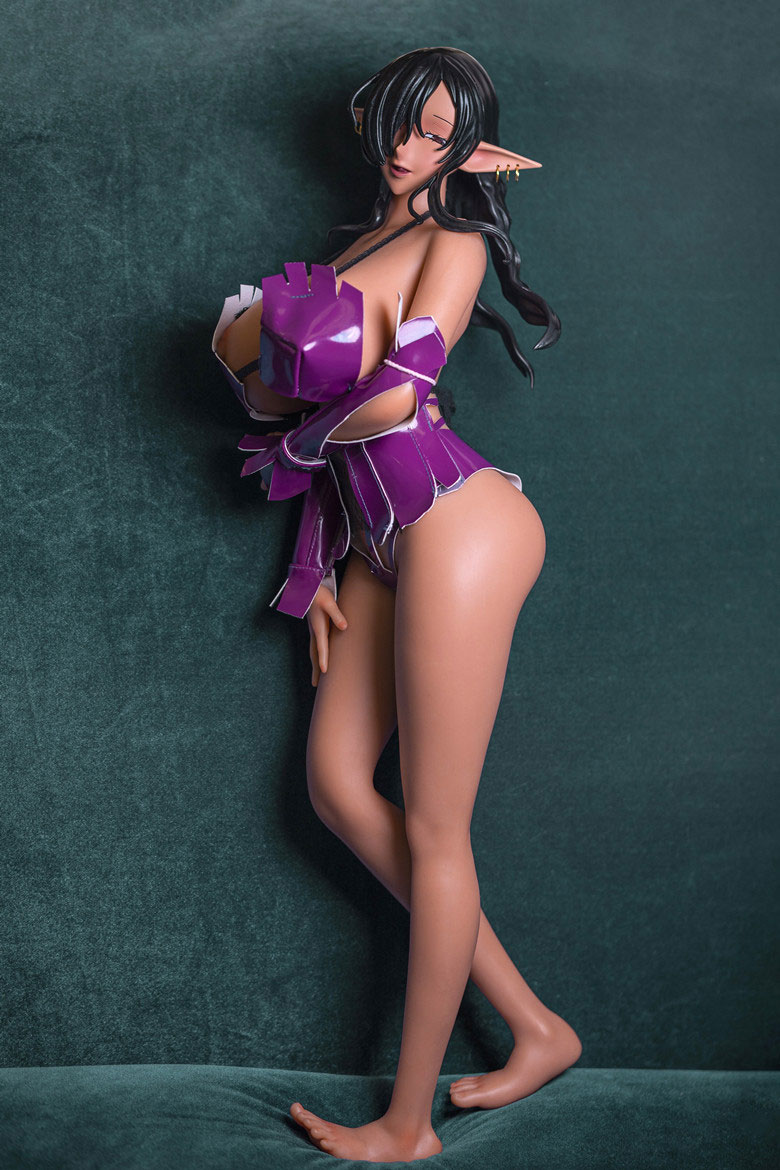
I did not remember her because of one large movement. I remembered her through several details together: her long ears, eyes, hair, outfit, body lines, and her connection to the world of Kuroinu.
If I made her as a regular model locked into one angle, I would feel that something had been lost.
So when I thought about this Olga Discordia figure, I did not begin with the question, “Which material sounds better?”
I began with a different question: how should she be seen?
Should she stay in only one angle? Do her face, hair, outfit, and body need to work together? Does she need slower viewing instead of one quick look?
These questions matter more than the material name.
If the Face Feels Wrong, Everything Else Becomes Harder
For any anime figure, the face is the first part I check seriously.
Once the face feels wrong, the rest of the figure becomes difficult to save.
Some models have good body shapes, detailed clothing, and many accessories. However, if the face does not feel like the character, the whole piece becomes unfamiliar. I may know who the model is trying to show, but I will not feel that it truly carries the character.
A good face does not simply mean a beautiful face.
Some characters should not look too soft. Some should not have an overly obvious expression. Others cannot become a common anime face with no character recognition.
Olga Discordia belongs to this type.
If her face looks too gentle, her original distance becomes weaker. If her eyes feel too direct, she no longer feels like the Olga Discordia I remember. If the long ears and face shape do not work together, she can easily become just another elf character instead of Olga Discordia.
So I do not only check whether the facial features look clean.
I care more about whether the expression reminds me of her. I care whether the eyes belong to this character. I also care whether the head shape and long ears feel naturally connected.
If these parts feel right, the figure becomes worth looking at more carefully.
 Hair Should Not Feel Like a Separate Part
But hair can change the whole character.
For some anime characters, hair is only one part of the appearance. For others, hair directly affects the feeling of the entire head. This becomes even more important for a character like Olga Discordia, because her long ears need to work with the hair and face.
If the hair looks too thick, it can cover the face too much. If it feels too hard, the head may look like several parts placed together. If the hair has no relationship with the long ears, the character feature will feel separate.
That is why I used soft rubber hair for her.
I did not choose it just to add another craft detail to the product page. Olga needed the hair, long ears, and face to feel like one complete head shape.
Soft rubber hair can keep the anime hairstyle while reducing the hard block-like feeling. It also helps the transition between the long ears and the face feel more natural.
For Olga Discordia, hair is not decoration.
It is one of the parts that helps her feel closer to herself.
Body Proportion Matters More Than Numbers
Many product pages list measurements.
Height, weight, bust, waist, and shoulder width can help customers understand the size of a figure. Those details have value, especially on a product page.
But in an article, repeating numbers does not always help.
What matters more is whether the proportion feels right for the character.
Some figures have eye-catching measurements, but the whole shape does not feel natural. Other figures do not rely on dramatic numbers, yet the head, body, outfit, and posture work together very well.
That is what I care about more.
Does the shoulder and neck line feel natural? Does the waistline work with the outfit? Does the body shape make the character feel unfamiliar? Does the standing or seated posture weaken the original feeling of the character?
Olga Discordia cannot rely only on her face.
If the body feels careless, even a good head sculpt will lose much of its meaning. Her head, body, outfit, and posture need to stay connected before she can feel close to the Olga Discordia I remember.
That is why I do not like forcing measurements into a story article.
Measurements belong on the product page. In a blog post, the real point is why those proportions affect the character.
More Materials Do Not Always Mean a Better Figure
Some product descriptions like to list every material.
PVC, resin, silicone, soft rubber, and metal skeleton can all sound valuable. However, more materials do not automatically make a figure better.
Materials are only tools.
The real question is whether they are necessary for the character.
PVC works well for many fixed-pose figures. Resin can suit statue-like pieces. Silicone can help characters that need closer viewing and more natural body lines. Soft rubber can help hair avoid a hard shell-like look. A metal skeleton can help a figure hold small pose changes.
If a character does not need these things, adding them can feel unnecessary.
For Olga Discordia, I chose a full silicone body, soft rubber hair, and a built-in skeleton because they answered real problems in the design.
She should not stay in only one angle. Her hair should not feel like a hard shell. Her body should not feel too rigid. Her posture should not stay completely fixed.
In the end, the material must return to the character.
If a material does not make the character feel more complete, it is only a word on the page.
A Poseable Structure Is Not for Random Movement
When people see a built-in skeleton, they often think about poseability first.
To me, movement itself is not the main point.
I care more about whether the structure helps the character find a better display state.
Some characters suit large action poses. Others only need small changes.
Olga Discordia clearly belongs to the second type.
She does not need exaggerated battle poses. A standing pose, a seated pose, a slight turn, or a small adjustment based on lighting and space suits her better.
These changes are small, but they affect the way people view her.
From the front, the face and long ears become more direct. From the side, the hair and body lines become clearer. When seated, she can feel more settled in a collection space. With a slight turn, the relationship between the outfit and the body also changes.
So the skeleton is not there for “playing.”
It simply lets collectors slowly find a display position that suits her better.
Of course, a figure with a skeleton needs careful handling. Do not bend joints backward, do not use force, and do not treat it like a toy. The skeleton supports display, but rough movement can damage it.
 The Outfit Should Belong to the Character
Complicated clothing can make a figure look detailed, but complexity does not always mean a better result. A suitable outfit should complete the character, not pull all attention away from her.
Olga Discordia’s outfit cannot feel random.
She is not a character who can work in ordinary clothing. Her outfit needs to connect with her long ears, hair, body proportion, and the world of Kuroinu.
If the outfit feels too simple, she loses much of her recognition. If it becomes too busy, she can look like a model covered by decoration rather than a complete character.
When I check the outfit of an anime figure, I usually ask two things.
Does this outfit belong to the character? Does it make the whole figure feel more complete, or does it fight against the face and body?
Some figures have many clothing pieces and accessories, but the final result feels unnatural. Others look less dramatic, yet they keep the character feeling more accurately.
For long-term collecting, the second type often lasts longer.
Think Beyond Product Photos
Product photos matter.
Without good photos, many people will not even click the product. But photos only show the first step. After a figure arrives, it enters a real space.
At that point, more questions appear.
Where should it be placed? How much room does it need? Will lighting change the way it looks? Do the hair and outfit need care? Can the pose stay stable for a long time? Does the material need more attention?
These questions are worth thinking about before buying.
This is especially true for an Olga Discordia figure that is not a small standard model. It needs proper display, cleaning, adjustment, and care.
If you only want a small model that requires little attention, a PVC figure may suit you better.
If you want a character model that you can view slowly, adjust carefully, and keep inside a collection space for a long time, then you also need to accept that it requires more patience.
Complex Does Not Always Mean Better
I do not believe that a figure becomes better simply because it is more complex.
Complexity does not always mean quality. Simplicity does not always mean ordinary.
Some characters only need a clean fixed pose to remain memorable. Adding too many materials and structures can actually damage the feeling of the character.
Other characters need more layers.
They cannot be fully understood from one angle, and they cannot rely only on the face or outfit. Their hair, body, clothing, and posture need to work together.
Olga Discordia led me toward the second direction.
I did not choose it to show more techniques. I chose it because she needed those details.
Her face, long ears, hair, body, outfit, and posture all need to stay connected. If one part becomes too ordinary, she starts to feel like another character.
So I was not trying to make the figure complex for the sake of complexity.
I was trying to make her closer to the Olga Discordia in my memory.
How I Would Choose an Anime Figure for Myself
If I were buying an anime figure for myself, I would not only look at price or product photos.
First, I would ask whether I truly like the character.
Do I like the character herself, or do I only feel attracted by the photo? This matters because some interest stays only at the first glance. The picture may look good, the angle may feel right, and the lighting may help a lot. Yet after the figure stays in the room for some time, I may not feel the same desire to look at it.
Then I would look at the face.
The face matters more than material. If the face feels wrong, other details cannot fully fix it.
After that, I would check the whole figure.
Do the hair, outfit, body proportion, and posture feel balanced? Does any part look too separate? Does the figure still feel natural from another angle?
Only after that would I look at material and structure.
PVC, silicone, soft rubber, and skeleton are not better simply because they appear together. Each choice needs a reason. If they only make the product description look richer, they do not help much.
Finally, I would think about care.
A regular PVC figure usually needs less effort. A figure with silicone, a skeleton, and clothing pieces needs more attention.
These thoughts matter more than price alone.
A cheaper figure that quickly loses your interest may not feel worthwhile. A more expensive figure that you want to view, display, and care for over time may feel closer to real collecting.
 Why Olga Discordia Deserved This Direction
I chose it because a simple outer shape could not fully carry her.
Her long ears need to work with the face. Her hair needs to make the head feel complete. Her body should not feel too hard. Her outfit needs to keep her connected to the world of Kuroinu. Her posture also should not remain forever in one fixed angle.
Together, these parts create the Olga Discordia I remember.
So creating this figure became a way of answering one question.
How can she step out of the screen and still feel like herself?
I hope collectors do not only see her and think, “This is Olga Discordia.”
I hope they can also feel that she still has a connection to the world she came from.
She should not depend only on the character name. She should not depend only on the materials either.
She should become a character model that people can view slowly, understand gradually, and keep inside a collection space.
What I Really Want to Preserve
When buying an anime figure, the first glance matters, but it should not decide everything.
I still need to see whether the character suits this type of figure, whether the face has recognition, whether the hair and outfit feel natural, whether the material truly helps the character, and whether the figure will still matter after entering a real room.
To me, a good figure does not have to be the most complex or the most expensive.
It should be the one that suits the character best.
If a character suits PVC, then PVC can preserve her best moment. If a character needs more viewing angles, then the material and structure should support that. If a character like Olga Discordia cannot be expressed through one fixed angle, then she deserves a more complete way to appear.
This is how I understand anime figure collecting.
It is not only about buying an appearance. It is about bringing a character that once stayed in memory into real life.
For readers who want more background on the original title, this Kuroinu series overview can provide additional context before exploring the character and the figure.