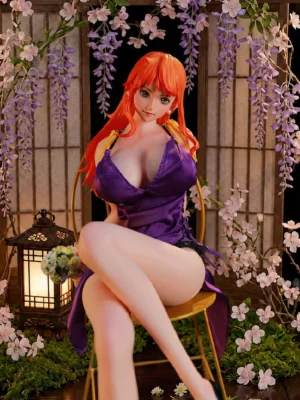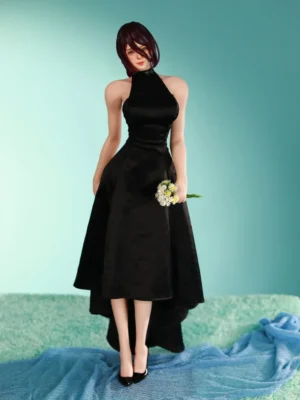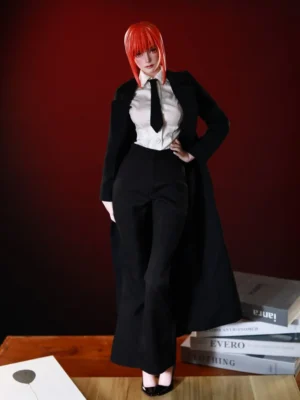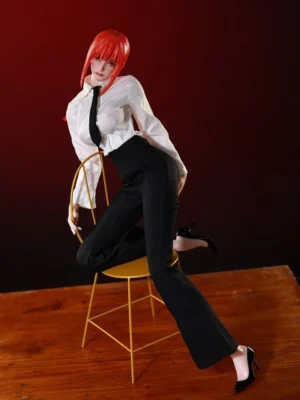
- Chainsaw Man
- Resident Evil
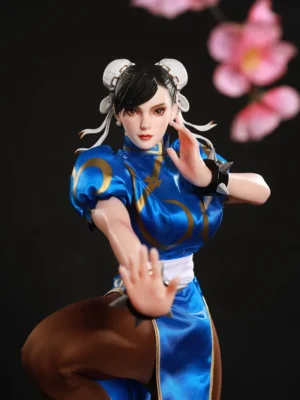
- Street Fighter
- Spy x Family Figures
- Azur Lane
- Final Fantasy
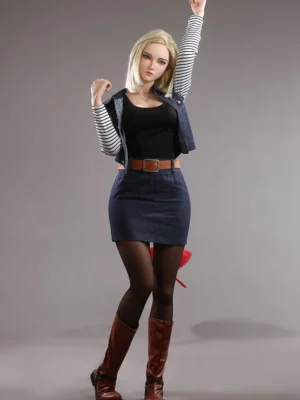
- Dragon Ball
- Naruto
- Neon Genesis Evangelion
- Nier: Automata
- Kuroinu Figures | Olga Discordia Dark Elf
- Queen Pharnelis-Goblin
- Non Virgin Bunny Girl
- Prison School
- The King of Fighters
- One Piece
- Figure Heads & Accessories
How to Display Action Figures in a Small Space


Knowing how to display action figures in a small space is less about squeezing more objects onto a shelf and more about deciding which pieces deserve attention. Crowding usually happens when every figure receives the same visual importance, every base sits on the same level and every gap gets treated as unused capacity. A compact collection becomes much stronger when the eye immediately understands where to look first.
Start with the room rather than the figures. Measure the usable width, depth and height of the display area, then note windows, direct sunlight, radiators, vents, doors and normal walking routes. After that, divide the collection into centrepieces, supporting characters and rotation pieces. The visible shelf should feel deliberate from the normal viewing distance while remaining practical to clean and rearrange.
Small-space collecting works best when display and storage perform different jobs. The display communicates taste and character; storage protects the pieces that are waiting for their turn.
Define one clear display boundary
A collection often looks more cluttered when figures spread across a desk, window ledge, bedside table and several unrelated shelves. Giving the visible collection one defined boundary immediately creates order, even when not every figure appears at once.
A bookcase, enclosed cabinet or dedicated wall section can all work. What matters is that the viewer reads the figures as one collection rather than a series of objects that happened to find empty surfaces.
Measure the inside of the furniture rather than relying on its external dimensions. Shelf brackets, door hinges, frames and lighting strips can reduce usable space more than expected.
Record each figure in its intended pose. Hair, raised hands, weapons, effect parts and bases all count. Depth is particularly easy to underestimate because dynamic poses often project much farther forward than the feet suggest.
Create a hierarchy instead of a queue
A single row of similarly sized figures gives every piece equal importance, which often makes none of them memorable. Choose one principal character or pair and build outward from that decision.
The centrepiece does not need to sit exactly in the middle. A slightly off-centre placement can feel more natural when the character’s gaze, weapon or body direction leads into the rest of the display.
Give the main figure more breathing room. Supporting characters can sit closer together when they share a relationship, team or scene, while background figures can move onto a higher level.
The best action figures for a small display are therefore not automatically the smallest ones. One strong silhouette with a recognisable face and confident posture can give the shelf more identity than several tightly packed figures of similar visual weight.
| Display role | Space priority | Useful choice |
|---|---|---|
| Centrepiece | Largest clear visual zone | Favourite character, strong silhouette or emotional anchor |
| Supporting pair | Shared depth and closer spacing | Ally, rival or characters with a clear relationship |
| Background layer | Raised behind the main line | Smaller figures or calmer neutral poses |
| Rotation reserve | Protected storage outside the display | Seasonal themes, alternate versions and unused accessories |
Use vertical space without turning the shelf into a staircase
Risers solve one of the biggest small-space problems: figures hidden behind the front row. However, a stack of identical levels can make the shelf resemble retail stock rather than a personal collection.
Use height according to character logic. A flying character can naturally sit higher, while a grounded fighter belongs closer to the shelf surface. A quiet supporting character may work behind the centrepiece rather than beside it.
Clear acrylic risers reduce visual weight and let the characters remain dominant. Dark or decorative plinths can work when they reinforce the theme, but they also consume more attention.
Every raised figure needs a stable footprint. The complete base should sit on the riser rather than hanging over an edge, and the riser itself should remain fully supported by the shelf.
Test the arrangement before moving it to an upper level. Large hair, weapons or off-centre poses can shift the centre of gravity enough to make a visually balanced figure physically unstable.
 Control depth by overlapping carefully
Figures do not need to stand completely separate from one another. Controlled overlap can create depth and allow more characters to share a small shelf, provided the important visual cues remain readable.
Faces should stay visible. Distinctive hair, weapons and gestures should also remain identifiable from the main viewing position.
Place broader or calmer silhouettes behind narrower dynamic ones. Slightly turning the shoulders can let one character guide the eye toward another instead of covering it.
Judge the shelf from where you actually see it every day. An arrangement that looks spacious from twenty centimetres away may collapse into one dark cluster when viewed from a doorway or desk chair.
Taking a quick black-and-white photograph can help reveal whether the silhouettes and tonal shapes remain separate even without colour.
An action figure set needs one organising idea
An action figure set becomes easier to understand when one principle holds it together. Story arc, team, colour palette, costume era, game franchise or emotional relationship can all provide enough structure.
A Dragon Ball shelf might follow rivalries and transformations. A fighting-game shelf can use opposing poses and colour contrast. A mixed-anime shelf may rely on a more restrained background and repeated spacing to create unity between unrelated characters.
Avoid applying every system at once. Arranging by colour, scale, chronology and character relationship simultaneously usually creates more rules than the viewer can perceive.
Accessories should support the same idea. Display the hands, weapons and effects that actually explain the scene, then move unused parts into labelled storage.
Loose alternate hands and effect pieces scattered around the base consume valuable space and make an otherwise polished collection look unfinished.
Let empty space become part of the design
Empty shelf space is not wasted capacity. It separates silhouettes, gives the centrepiece authority and makes the collection easier to read from across the room.
This matters especially with detailed anime figures. Hair, armour, costume decoration and weapons already create a large amount of visual information before another object enters the frame.
A practical test is to remove one figure after arranging the shelf. If the remaining collection suddenly looks clearer and more expensive, that piece probably belongs in the rotation reserve.
The same applies to accessories. One effect part that completes the scene has value; several unrelated effects around every base can weaken the entire composition.
Light the face rather than only the top of the figure
Standard ceiling lights often illuminate hair and shoulders while leaving the eyes in shadow. This is especially noticeable on figures with bangs, hats or deep eye sockets.
A diffused LED source placed toward the front of the shelf can reveal expressions more clearly while keeping the light direction natural.
Use one consistent colour temperature across the display. Mixing very warm and very cool sources can make skin tones, whites and painted fabrics look unrelated even when the figures themselves match well.
Hide cables along shelf edges but keep power components accessible. A display should remain easy to inspect rather than permanently sealing electronics behind the collection.
Avoid direct sunlight and unnecessary high-intensity lighting. The Canadian Conservation Institute publishes collection-care notes covering storage, handling, light and display, and the same basic principle is useful at home: good display lighting should reveal the collection without exposing it continuously to more light than necessary.
 Enclosures can save more space than they appear to use
An enclosed cabinet reduces the rate at which dust settles, which means tightly arranged figures need to move less often for routine cleaning.
This can make a slightly deeper cabinet more useful than a completely open shelf, especially when the collection contains delicate hair, weapons or effect parts.
The enclosure still needs enough working room. If removing one figure requires moving four others first, the shelf has crossed from dense into impractical.
A shallow removable platform can help when several small figures form one scene. The group can move together during cleaning instead of being reconstructed piece by piece.
Rotation is better than visible storage
Displaying every figure at once does not necessarily show the collection at its best. Curating a smaller visible group gives each character more importance and makes future changes feel fresh.
Rotate according to season, series, character mood or new acquisitions. A newly arrived favourite can become the focus without forcing another figure into the back corner.
Rotation also changes the way familiar pieces feel. A figure that disappeared visually in a crowded shelf may become surprisingly strong when it returns beside only two related characters.
Keep reserve figures clean, dry and protected from crushing. Label accessories clearly and photograph the contents of each storage box so future changes do not become a search for one missing hand.
Collectors planning future series rotations can use the Anime Doll Brands & Series collection to explore related characters and organise the collection around stronger series connections rather than filling every remaining space.
One strong character can anchor the entire shelf
A small display often becomes more memorable when one character clearly owns the scene. This is especially effective with fighting-game characters because body language and costume already create strong visual identity.
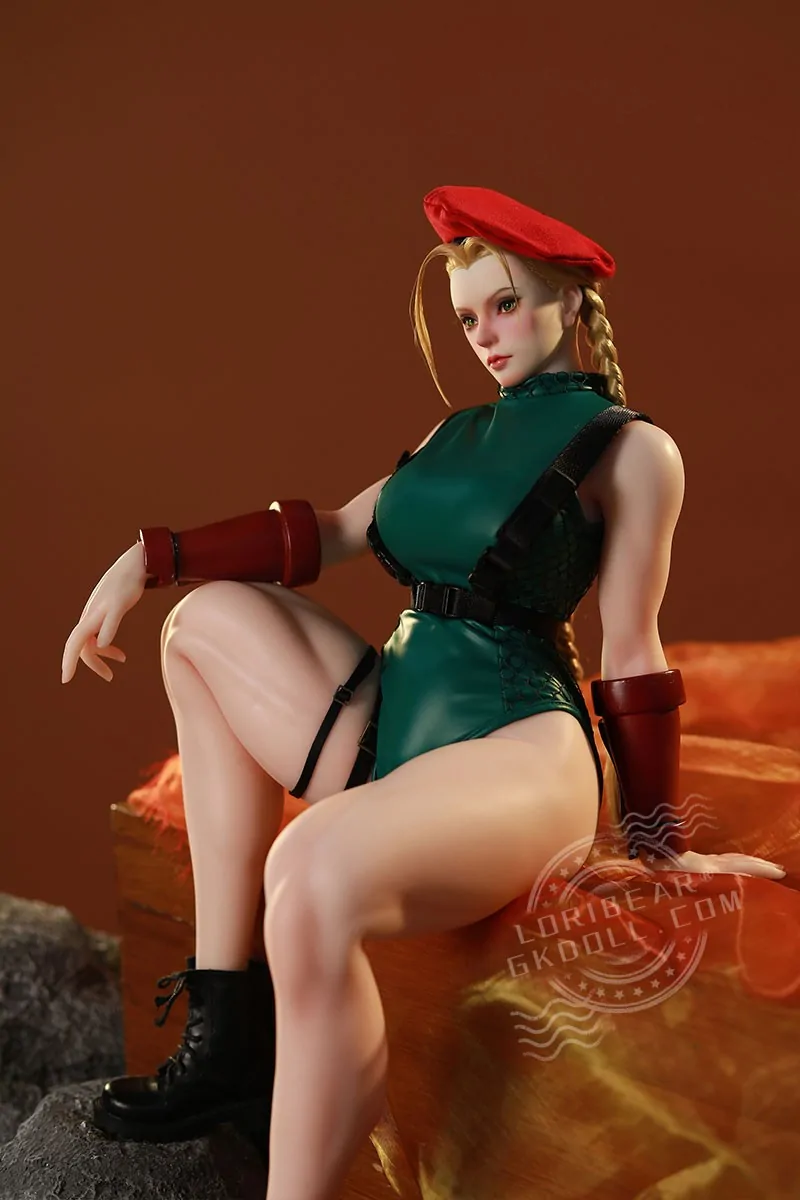
For Street Fighter fans, Cammy Street Fighter can provide exactly that focal point. Her recognisable green styling, athletic silhouette and confident fighter presence immediately give the display a clear direction rather than leaving the viewer to decide which small figure matters most.
Cammy works particularly well as an anchor because the character does not need an oversized effect or complicated background to hold attention. Her posture, costume and fighter identity already create a strong silhouette.
Place her in the principal visual zone and let smaller fighting-game or anime characters work around that presence. A lower figure can reinforce the foreground, while another character on a riser can create depth without competing directly for the centre.
For collectors already attracted to Cammy, this approach does more than solve a space problem. It lets the favourite character establish the emotional identity of the entire shelf instead of becoming one more figure squeezed into a row.
Turn a compact shelf into a character-led LORIBEAR collection
Browse the LORIBEAR shop when you want the next addition to give the display a stronger personality rather than simply increase the number of objects. The collection brings together anime- and game-inspired heroines with different faces, costumes and character moods, allowing you to choose the figure that can genuinely lead the space you already have.
A confident fighter such as Cammy can create an energetic centre. Another heroine may bring elegance, softness, mystery or stronger authority. The best choice is the character whose expression and styling immediately make the surrounding collection feel more intentional.
In a small room, that character chemistry matters more than quantity. One carefully selected LORIBEAR heroine can become the visual reason the shelf exists, while smaller figures reinforce her world through colour, scale and narrative contrast.
Instead of asking how many more figures can fit, ask which character would make the current collection feel complete. That shift turns limited space into an advantage because every visible piece has to earn its position.
 Make one final reduction before calling the display finished
After arranging everything, step away from the shelf for a few minutes and return from the room’s normal entrance. The first figure your eye finds should be the intended centrepiece.
Remove one supporting figure and compare the result. If the composition becomes easier to understand, keep that figure in storage until the next rotation.
Do the same with one accessory or effect part. Small reductions often improve the display more than another round of rearranging.
A compact room can support an ambitious collection when display and storage remain separate functions. Measurement prevents physical conflict, hierarchy gives the shelf meaning, empty space protects the silhouettes and rotation keeps the collection active.
Limited space does not have to make a collection feel compromised. Used deliberately, it forces stronger choices—and strong choices are what make a display memorable.
Small-Space Display Questions
How many figures should fit on one shelf?
There is no ideal number. Keep enough separation to recognise the important faces and silhouettes, and make sure one figure can be removed safely without striking neighbouring pieces.
Are acrylic risers useful in a small display?
Yes. They can reveal figures hidden behind the front row without adding much visual weight. The riser should remain level and fully support the figure’s base.
Should action figures remain boxed in a small room?
Boxed figures can work for collectors who value packaging, but boxes consume considerably more volume. A curated out-of-box display with packaging stored separately often uses limited room more efficiently.
How often should a collection be rotated?
Rotate whenever the shelf feels visually familiar or begins to become crowded. Seasonal changes work well, but personal interest is more important than following a fixed calendar.
Why can one Cammy figure work better than several smaller additions?
Cammy has a strong silhouette, recognisable Street Fighter identity and confident visual presence. Used as the centrepiece, she can give the entire shelf a clear personality while smaller characters support rather than compete with her.