Demon Slayer Figures: Types, Authenticity and Display

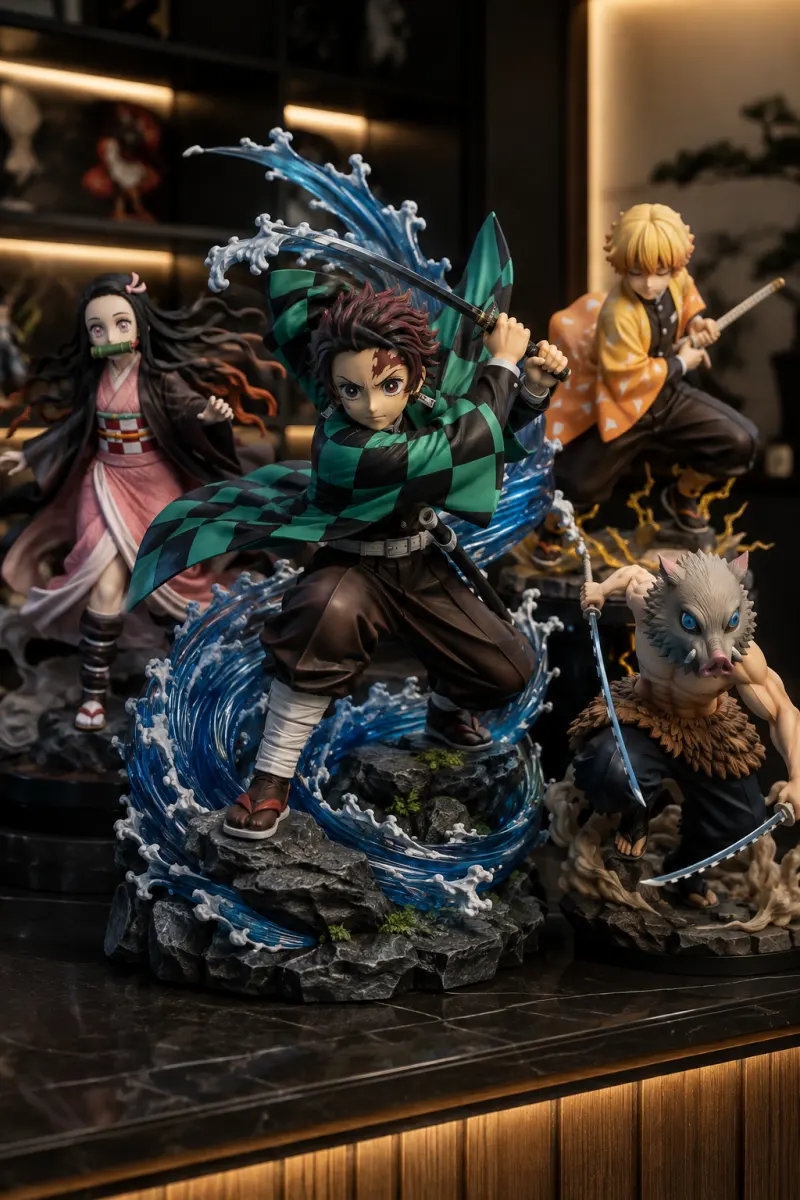
Demon Slayer figures bring the characters, costumes, weapons and dramatic visual style of Demon Slayer: Kimetsu no Yaiba into three-dimensional collectibles. The category includes fixed-pose statues, articulated action figures, compact stylised figures, prize figures and doll-format collectibles with fabric clothing. However, each format creates a different collecting experience, so buyers should compare character accuracy, scale, materials, pose and construction rather than relying on the character name alone.
The same character may appear in a standard uniform, a battle scene, a stylised design or a special-edition release from different manufacturers. Therefore, identifying the exact version before purchase helps avoid confusion between similar-looking products. Costume details, weapon design, facial expression, pose and scale provide the clearest way to distinguish one release from another.
| Format | Defining characteristics |
|---|---|
| Fixed-pose figure | Focuses on sculpt, paint, silhouette and a carefully planned composition. |
| Action figure | Uses articulated joints, interchangeable parts and poseable accessories. |
| Stylised figure | Changes normal proportions while preserving recognisable character features. |
| Prize figure | Offers an accessible display format with simpler bases and fixed poses. |
| Doll-format collectible | Combines an articulated body with removable or fabric costume components. |
Start with the exact character and version
The first step is to confirm the exact character and release. For example, hairstyle, facial expression, uniform details, weapon design and accessories can separate one version from another even when two products use the same character name.
In addition, different manufacturers may interpret the same character differently. One figure may emphasise a calm standing pose, while another focuses on movement, battle effects or an emotional scene. As a result, collectors should compare the complete design rather than assuming every release offers the same character presentation.
Front, side and rear photographs provide especially useful information. The front view shows facial likeness and costume balance, while the side view reveals pose depth and support structure. Meanwhile, the rear view helps you inspect hair sculpting, clothing seams, weapon attachment points and the back of the base.
Character likeness matters more than decoration
A dramatic base can attract attention, but the face usually determines whether the figure feels like the intended character. Therefore, inspect the eye shape, eyebrows, mouth, hairline and overall expression before focusing on large effect parts.
Hair also contributes strongly to character recognition. Sculpted strands should follow the intended hairstyle without becoming unnecessarily thick or heavy. Likewise, colour gradients should support the character design rather than hide weak sculpting beneath excessive shading.
Costume details provide another useful quality check. For example, printed patterns should align cleanly, belts should sit naturally around the body and layered clothing should maintain believable depth. When these elements work together, the figure feels more coherent from every viewing angle.
Fixed statues and articulated figures serve different collectors
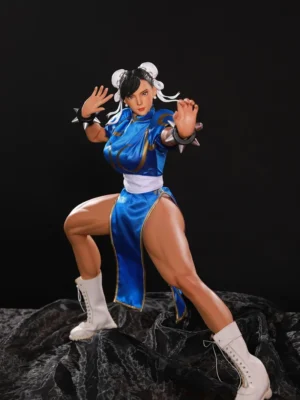
A fixed Demon Slayer statue prioritises composition. The manufacturer chooses the exact body position, facial angle, weapon placement and base design, so the collector receives one completed visual scene.
By contrast, a Demon Slayer action figure gives the collector control over posing. Movable shoulders, elbows, wrists, hips and knees allow several display ideas, while interchangeable hands, faces or weapons expand the options further.
However, articulation introduces visible engineering. Joint gaps, hinges and connection points may interrupt the sculpt from some angles. Therefore, collectors who value a seamless appearance may prefer a fixed figure, while collectors who enjoy photography and repeated posing may prefer articulation.
Neither format is automatically more accurate or more collectible. Instead, the better choice depends on whether you value a finished composition or the freedom to create your own poses.
Doll-format Demon Slayer collectibles
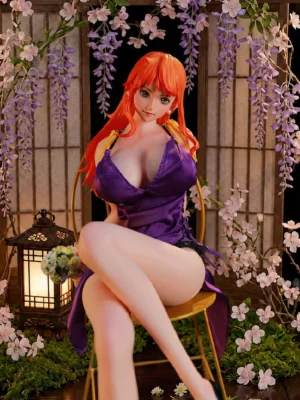
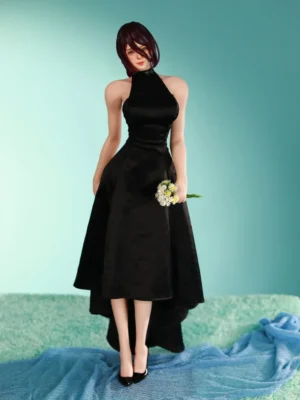
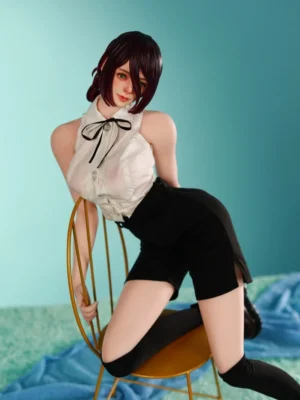
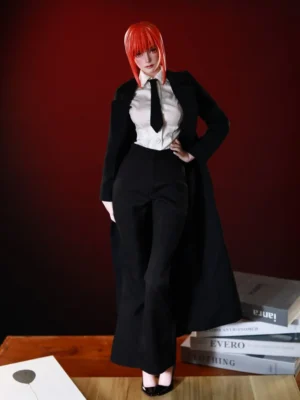
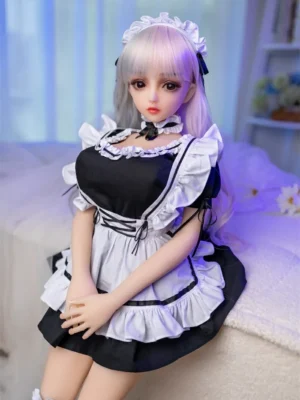
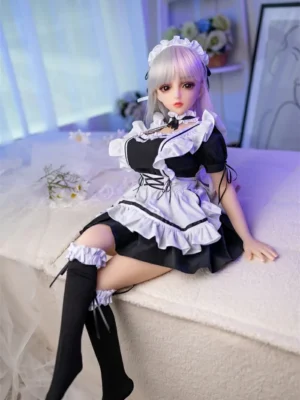
Doll-format collectibles combine character styling with a movable body and fabric clothing. As a result, they create a different visual effect from painted plastic clothing because real fabric adds folds, layering and texture.
Good Smile Company’s official Nendoroid Doll Tanjiro Kamado page identifies a painted plastic, non-scale articulated figure that uses cloth, magnets and a stand. The specification also explains that the product does not balance by itself, which shows why collectors should read the instructions for each individual release.
Fabric also introduces additional care requirements. For example, dark clothing may transfer colour to some surfaces during prolonged contact. In addition, small buttons, hooks or magnets can place pressure on painted parts if the costume fits too tightly.
Check the costume before buying
Demon Slayer characters often rely on distinctive clothing to remain instantly recognisable. Therefore, costume accuracy deserves the same attention as the face.
First, inspect colour placement and printed patterns. Next, look at the shape of sleeves, trouser legs, collars and outer layers. For fabric outfits, examine whether the material looks appropriately scaled rather than too thick for the figure.
Small-scale clothing presents a particular challenge because normal fabric can look bulky when reduced. As a result, fine woven materials and carefully controlled seams often create a more convincing appearance than thick fabric.
For fixed figures, sculpted clothing should still communicate fabric weight and movement. Folds around elbows, knees and the waist can make a static figure feel much more dynamic.
Weapons and effect parts can define the display
Swords, scabbards and effect parts often extend far beyond the character’s body. Therefore, they influence both visual impact and the amount of shelf space required.
Before buying, inspect how the weapon connects to the hand or body. A small peg should fit securely without forcing the wrist into an unnatural angle. In addition, long weapons need enough surrounding clearance to avoid contact with nearby figures.
Translucent effect parts can add movement and colour to a battle display. However, large effects may also make the figure visually heavier and increase the width or depth of the base.
For this reason, collectors should compare both versions when manufacturers offer a simple release and an effect-heavy edition. A more elaborate version is not always the better choice for a smaller display cabinet.
Scale and actual dimensions
Scale figures use a stated ratio, while non-scale products simply provide dimensions. However, a scale label does not tell you the total space the finished display requires.
For example, a character may lean forward, hold a sword horizontally or stand on a large effect base. As a result, overall width and depth can exceed what the body height suggests.
Before ordering, check total height, width and depth whenever the manufacturer provides them. In addition, measure your actual shelf rather than estimating by eye.
Vertical clearance matters as well. Raised swords, flowing hair and tall effect parts may come very close to the shelf above even when the character itself appears relatively compact.
Choosing between small and large Demon Slayer figures
Smaller figures make it easier to build a multi-character collection. For example, collectors can place several characters together without requiring a large cabinet or reinforced shelf.
Larger figures, however, make facial sculpting, costume texture and paint transitions easier to appreciate. They also create a stronger visual focal point when displayed alone.
Therefore, the best size depends partly on how you want to build the collection. A character-focused display may benefit from one larger centrepiece, while a group display often works better with several figures that share a similar scale.
Materials and construction
Painted plastic appears frequently in character figures because manufacturers can produce fine details while keeping the finished product relatively light. Resin, meanwhile, supports larger statues and complex sculpting but usually increases weight and fragility.
Some specialised products combine plastic with fabric, magnets or metal. Therefore, collectors need to identify the complete material list rather than treating the figure as a single-material object.
Material choice also changes maintenance. For example, hard plastic tolerates different handling from fabric clothing, while metal components can react differently to moisture. Likewise, resin effect parts may break more easily than flexible plastic parts.
Before cleaning, always check which materials appear on the exact release.
Paint quality and facial printing
Paint strongly affects character likeness. First, inspect the eyes because even a small alignment error can change the expression. Next, check eyebrows, mouth colour and the transition between face and hair.
Costume paint deserves similar attention. Clean boundaries between colours generally look sharper than overspray around belts, collars or patterned sections.
However, collectors should distinguish minor production variation from genuine defects. Good Smile’s product information notes that manufacturers complete some paintwork partly by hand and that final products can vary. Therefore, a tiny variation does not automatically indicate damage or a counterfeit.
Large paint chips, missing details or significantly misaligned facial printing deserve more concern because they change the intended appearance of the figure.
Dynamic poses and balance
Demon Slayer figures often use action-oriented poses, which can create impressive silhouettes. However, dynamic positioning also places more responsibility on the base and support system.
A figure leaning strongly in one direction needs enough support beneath the centre of gravity. Likewise, raised weapons and effect parts can add leverage to small connection points.
Therefore, use every support included by the manufacturer. Removing a clear support rod simply because it interrupts the appearance can transfer too much weight to an ankle, wrist or narrow peg.
For articulated figures, avoid leaving heavy accessories pulling on one joint for long periods. Instead, let the stand carry part of the load whenever possible.
Accessories and interchangeable parts
Many articulated releases include extra hands, facial expressions, weapons or effect pieces. As a result, a small figure may offer several very different display combinations.
Before buying second-hand, compare the included contents with the official product photographs. Missing hands, face plates or stand adapters can significantly reduce posing options.
When changing parts, hold the component close to the joint instead of pulling from the far end. This technique reduces stress on narrow pegs and small connectors.
Afterwards, store unused accessories in labelled bags or divided boxes. In addition, keep accessories from different releases separate because similarly sized hands or stands can look almost identical.
Authenticity and official product information
Authentic products normally identify the manufacturer, rights holder, product line and item code somewhere on the packaging or accompanying documentation. Therefore, official product photographs provide a useful reference before purchase.
Compare facial printing, box graphics, logos and included accessories. In addition, pay attention to seller photographs rather than relying only on copied promotional images.
Spelling errors, blurred printing, missing company details and accessories that differ substantially from the official contents list deserve further investigation. However, packaging can vary between regions or production runs, so one small difference should not automatically lead to a conclusion.
Seller reputation, return information and a realistic market price add further context when evaluating authenticity.
Preorders and limited releases
Some figure releases remain available only for a limited preorder period. Therefore, collectors need to distinguish preorder stock from products that a seller already holds.
Before placing a preorder, check the expected release period, payment timing and cancellation terms. In addition, save the exact product title and release images so you can confirm the version when it arrives.
Production schedules can change, especially for detailed collectibles. As a result, a later release date does not automatically indicate a problem. Poor communication and unclear refund terms, however, deserve closer attention.
Buying Demon Slayer figures second-hand
Second-hand figures can offer discontinued characters or lower prices, but condition matters. First, confirm whether the previous owner displayed the figure and whether the original box remains available.
Next, inspect the face, hair tips, sword, fingers and support pegs because these areas often suffer damage first. In addition, ask whether every interchangeable component remains present.
Paint transfer, fading, leaning and loose joints can also affect value. Therefore, request clear current photographs rather than relying on the original manufacturer images.
For figures with fabric clothing, ask about staining, fading and missing costume pieces as well.
Planning a Demon Slayer character display
A collection usually looks stronger when the figures share some visual connection. For example, similar scale, base height or display depth can make several different releases feel like one deliberate group.
Character relationships can also guide placement. Placing related characters together creates a clearer visual story than filling a shelf without considering composition.
However, every figure does not need to come from the same manufacturer. Instead, compare proportion, colour and overall height to see whether different product lines can work together.
Risers can help smaller figures remain visible behind larger ones. Meanwhile, leaving empty space around dramatic effect parts prevents the display from becoming visually crowded.
Lighting Demon Slayer figures
Lighting changes how paint, facial details and translucent effects appear. Soft front or side lighting usually reveals the face clearly while preserving shadows in the clothing folds.
For figures with transparent effect parts, angled light can make the colours appear more vivid. However, intense direct lighting can produce distracting reflections on glossy surfaces.
Therefore, test several light positions rather than pointing one strong lamp directly at the figure. In addition, avoid prolonged direct sunlight because ultraviolet exposure can fade paint and packaging.
Cleaning and routine display care
Start with a soft brush to remove loose dust. Support delicate hair, swords and clothing edges while cleaning so the brush does not place unnecessary pressure on narrow parts.
For articulated figures, move accessories out of the way instead of forcing the brush through tight gaps. In addition, clean the base regularly because dust often collects around feet and support posts.
Avoid household solvents and abrasive cloths because they can damage paint. Likewise, do not apply water to fabric, magnets or metal components unless the manufacturer specifically recommends it.
Finally, inspect the figure while cleaning. Loose joints, leaning, paint changes or cracked support pegs become easier to address when you notice them early.
Long-term storage
Original packaging makes transport much safer, particularly for figures with long swords, effect parts or interchangeable components. Therefore, keep internal blisters and protective inserts when storage space allows.
Before repacking the figure, photograph the correct arrangement of every part. This simple step helps prevent accidental pressure when you return the figure to the box months or years later.
Store packaging away from damp floors and strong sunlight. In addition, keep small accessories in their original compartments or clearly labelled bags.
Demon Slayer figure buying checklist
- Confirm the exact character and release version.
- Compare the face, hairstyle, costume and weapon with official images.
- Check whether the figure uses a fixed, articulated, stylised or doll-format design.
- Confirm scale or exact dimensions rather than judging size from photographs.
- Measure the required height, width and shelf depth.
- Review the body, base, effect parts and support structure.
- Check the manufacturer and product code.
- Compare all included faces, hands, weapons and stand components.
- Inspect fabric clothing and magnets on doll-format releases.
- Review seller photographs when buying second-hand.
- Check preorder, return and damage policies before payment.
- Plan storage for the box and unused accessories.
Frequently Asked Questions
Are Demon Slayer figures all made to the same scale?
No. The category includes scale and non-scale products in many sizes. Therefore, compare the stated dimensions and base measurements of each individual release rather than assuming two characters will display at the same height.
What is the difference between a figure and a statue?
A statue usually uses a fixed composition, while an action figure normally includes movable joints. However, manufacturers do not use these terms in exactly the same way, so construction details provide a more reliable comparison.
How can I identify missing accessories?
Compare the figure with the official manufacturer’s contents list and product photographs. In addition, check hands, face plates, weapons, supports and stand adapters because collectors can easily overlook small components.
Should articulated figures remain in one pose?
They can stay in one pose for display, but avoid forcing joints or leaving heavy accessories pulling against a wrist or shoulder. When available, use the stand to support the pose and reduce unnecessary load.
Are larger Demon Slayer figures always better?
No. Larger figures provide more visual presence and make sculpted details easier to see, while smaller figures make multi-character displays easier to build. Therefore, shelf space and collecting style matter as much as size.
Should I keep the original box?
Keeping the box helps protect swords, hair, effect pieces and accessories during storage or transport. In addition, original packaging can make organising a large collection much easier.
Other character and manufacturer topics appear in the Collector Guides directory. In addition, articulation and authenticity principles are also covered in the Anime Heroes figure reference.
Explore More Anime Figures at LORIBEAR
If you enjoy character-focused collectibles and want to explore other anime-inspired designs, visit the LORIBEAR shop to browse the figures and character collections currently available from GKDOLL.uk.
Explore the current LORIBEAR collection and find the next anime figure or character design you want to add to your display.