Make Your Own Barbie: Design, Clothing and Customisation

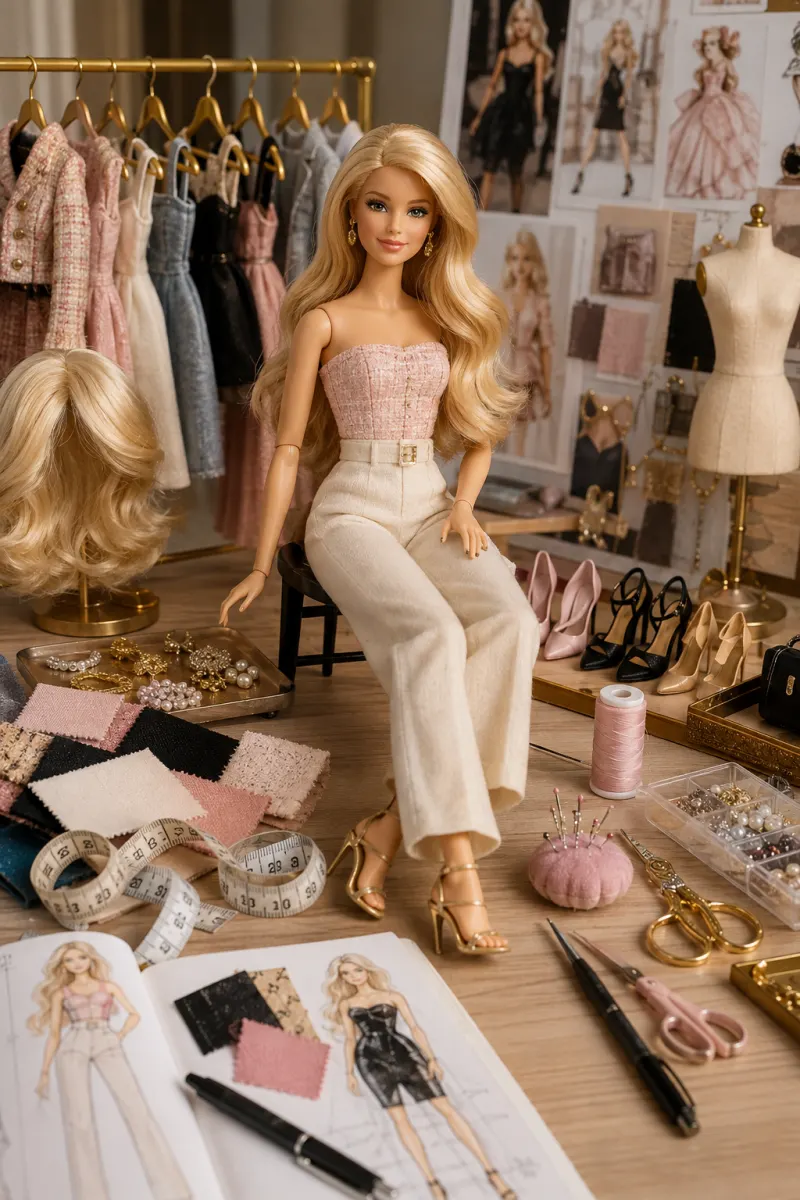
To make your own Barbie is to turn a familiar fashion-doll form into a specific person, memory or imagined character. Some collectors begin with clothing and hair, while others want a miniature version of themselves, a wedding keepsake or a doll inspired by a favourite fictional world. The strongest result starts with a clear identity rather than a collection of unrelated decorations.
Customisation can remain almost completely reversible or move toward permanent artistic changes. Clothing, wigs, shoes and jewellery allow the doll to change roles easily, while rerooting hair, repainting the face or altering the body creates a more individual object. Therefore, the right approach depends on how permanent the owner wants the transformation to become.
A useful custom project also needs a plan. Before buying paint, hair or clothing, decide which visual details must remain recognisable and which parts can change later. This prevents unnecessary work and makes the finished doll feel more intentional.
Choose the Kind of Custom Doll First
Different custom projects require different tools and levels of commitment. A simple fashion change can remain reversible, while an artist repaint may permanently alter the original release.
| Goal | Suitable approach | Commitment |
|---|---|---|
| New fashion identity | Clothing, shoes, jewellery and hair styling | Mostly reversible |
| Me as a doll | Matching hair, skin tone, outfit and personal accessories | Reversible to moderate |
| Character recreation | Signature costume, wig, props and face details | Moderate |
| Artist custom | Face removal, repaint, reroot and body modification | Permanent |
Start with the least permanent option that can achieve the intended result. For example, a new wig and carefully chosen outfit may already create the required identity without repainting the face.
By contrast, a full artist custom makes sense when the original face, hair or body prevents the concept from working. In that case, preparation matters more because reversing the change may become difficult or impossible.
Build a Visual Brief Before Buying Materials
Collect front, side and detail references before beginning the project. Then identify the three visual signals that should be recognised immediately. These may include a hairstyle, a colour combination, glasses, a uniform, a necklace or another distinctive accessory.
These core signals deserve most of the effort. A personalised doll does not need to reproduce every small feature to feel specific. Instead, several strong visual cues can create recognition more effectively than dozens of weak details.
Keep the reference images together throughout the project. This makes it easier to compare progress and prevents the design from drifting away from the original idea after several stages of customisation.
Choose a Clear Colour Palette
Colour helps unify the custom doll. Hair, eyes, clothing and accessories should feel as though they belong to the same design rather than competing for attention.
For a self-inspired doll, colours can come from real clothing, glasses, jewellery or everyday accessories. Meanwhile, a fictional character may depend on one highly recognisable combination such as a particular hair colour and costume palette.
Therefore, select the main colours early and use secondary colours only where they strengthen the identity.
Making a Doll That Resembles a Real Person
A personalised doll does not need an exact facial portrait to feel recognisable. Hair, glasses, clothing, occupation, jewellery and personal accessories can communicate identity very effectively.
For example, a work tool, favourite bag, pet accessory or wedding outfit can create a stronger personal connection than attempting to reproduce every facial feature on a small head.
Start with the most recognisable real-world details and then decide whether more permanent facial work is still necessary.
Use Clothing Connected to a Real Memory
Clothing can transform a generic doll into a specific memory. A graduation outfit, wedding dress, work uniform or frequently worn casual look immediately connects the doll with an event or period of life.
Therefore, photographs of the actual clothing can be more useful than generic fashion references. Focus on silhouette, colour and one or two distinctive details rather than trying to duplicate every seam.
Select the Base Doll by Proportion
The base doll determines how much modification the project will require. Compare skin tone, face shape, body type, articulation and existing hair before buying.
A head with a suitable jawline, eye spacing and general expression may need only minor styling. By contrast, a base with very different facial proportions can require a complete repaint before the intended identity becomes convincing.
Body type matters too. An articulated body supports expressive photography and changing poses, while a simpler body may work well for display and certain clothing styles.
Check Head and Body Compatibility Before Swapping Parts
Head swaps can change a doll dramatically, but neck connections differ between releases. Therefore, do not force a head onto a body simply because the overall dimensions appear similar.
Check the neck peg shape, opening and body proportions before combining parts from different dolls. An incompatible connection can crack the head opening or damage the neck mechanism.
Visual proportion matters as well. A technically compatible head can still look too large or too small for the selected shoulders and body.
Record the Doll’s Measurements
Before buying or making clothing, record bust, waist, hips, shoulder width, arm length, inseam and foot size. Fashion-doll labels do not guarantee universal fit.
In addition, record neck and wrist measurements when the design uses narrow collars, gloves or fitted sleeves.
The doll garments reference explains how measurements, fabric and fastenings affect clothing and helps make outfit planning more predictable.
Hair Changes Identity Faster Than Paint
Hair often creates the largest visual change with the least permanent work. Length, colour, fringe shape and volume can completely alter how the face reads.
Therefore, try hair styling before repainting the face when the original sculpt is already reasonably close to the intended character.
A different hairstyle can make the eyes appear larger, change the apparent face shape and introduce the strongest colour signal in the entire design.
Begin With Reversible Hair Styling
Washing and restyling may improve the original hair without replacing it. However, only use methods that suit the fibre and manufacturer guidance.
Use low, controlled heat because synthetic fibres can deform or shrink. In addition, avoid aggressive brushing when the hair feels tangled or brittle.
Photograph the original hairstyle before making changes so the doll can be returned to a similar arrangement later if desired.
Removable Wigs Offer Maximum Flexibility
A removable wig provides one of the easiest ways to change character identity without modifying the head permanently.
Several wigs can support different roles, seasons or character interpretations while leaving the base doll intact.
Store spare wigs on suitable supports and keep fibres away from rough hook-and-loop closures or tacky surfaces that may catch the hair.
Rerooting Creates a Permanent Hair Transformation
Rerooting replaces the original hair by inserting new fibres through the scalp. This allows greater control over colour, length, density and parting.
However, even spacing matters. Overfilling one area can distort the scalp, while large gaps become visible after styling.
Therefore, plan the hairline and part before inserting large amounts of fibre. Work gradually and check the overall distribution from several angles.
Trim Hair Gradually
Hair that remains too long can always be shortened later. Hair cut above the intended line cannot be restored without replacing it.
Therefore, trim in several small stages. Check the front, side and rear views after each stage and allow the hair to settle naturally before continuing.
For fringes and face-framing sections, very small changes can alter the expression significantly.
Face Work Should Begin With the Least Permanent Change
Accessories, hair and temporary details can test the concept before factory paint is removed. Therefore, complete these reversible stages first.
If the identity already works, a full repaint may add risk without adding enough visual benefit.
When stronger facial changes remain necessary, plan the exact expression and colour palette before removing the original paint.
Eye Alignment Carries Expression
Small changes in eye height, angle and spacing can transform the face from calm to surprised, confident or severe.
Therefore, work on both eyes as one composition rather than finishing one completely before beginning the other.
Magnification and good neutral lighting make alignment easier to judge. Pause regularly and view the face from a normal distance because details that look correct under magnification may feel different when seen as a complete doll.
Eyebrows Change the Mood of the Face
Eyebrow height and angle have a surprisingly strong effect on expression. A slightly raised brow can create softness or curiosity, while a straighter, lower shape may appear more serious.
Therefore, sketch or test the intended placement before committing to permanent colour.
Both eyebrows should support the same expression without needing perfect mirror symmetry.
Lips and Blush Should Support the Overall Identity
Lip colour, cheek tone and other small details should work with the chosen skin tone and character concept.
Heavy colour can overpower a small face very quickly. Therefore, build intensity gradually rather than starting with the darkest desired result.
For a natural or self-inspired doll, subtle colour often creates stronger recognition than highly dramatic makeup.
Use Only Compatible Art Materials
A full repaint may involve removing factory paint, preparing the plastic and adding new colour layers. Therefore, material compatibility matters.
Use products known to suit the specific plastic and follow all ventilation, protective-equipment and curing instructions supplied with paints, removers or coatings.
Do not assume that ordinary household paint or strong solvent is suitable simply because it adheres to another material.
Work in Thin Controlled Layers
Thin layers make corrections easier and preserve facial sculpting. Heavy paint can fill fine details or create uneven texture around the eyes and mouth.
Allow each layer to dry or cure according to the product instructions before adding more.
Patience at this stage usually produces a cleaner result than trying to achieve full colour in one application.
Clothing and Props Complete the Story
After the face and hair establish identity, clothing gives the custom doll context. A uniform, dress, jacket or casual outfit can communicate occupation, story role or personal style immediately.
Props then add smaller narrative details. Glasses, a camera, book, bag, musical instrument or other accessory can turn a general fashion doll into a specific character.
However, props should support the identity rather than crowd the doll with unrelated objects.
Fabric Scale Matters
Thick seams, large prints and full-size hardware can overwhelm a small fashion doll. Therefore, choose fabric and decoration that match the visual scale of the body.
Fine cotton, lightweight knit, narrow lace and miniature fastenings generally create more believable drape.
Before sewing an entire outfit, test how the fabric folds and hangs against the doll.
Keep Prints Small Enough for the Doll
A pattern designed for human clothing may become visually oversized when reduced to doll scale. Therefore, small checks, narrow stripes and compact motifs often work more naturally.
When recreating a real outfit with a large print, simplify the pattern if necessary while preserving its recognisable colours and arrangement.
Fastenings Should Remain Easy to Use
Miniature zips and buttons can add realism, but they also add bulk. Therefore, simplified snaps, hooks or hidden hook-and-loop closures may provide a cleaner fit on smaller clothing.
Check that rough fasteners do not scratch the doll or catch the hair during dressing.
Test Dark Fabric for Colour Transfer
Dark and strongly dyed textiles may transfer colour to some doll materials during prolonged contact.
Wash new fabric before fitting when the material permits it and allow it to dry completely.
Then test the garment for a shorter period before using it as a permanent display outfit.
Accessories Can Create Strong Recognition
One carefully chosen accessory can identify a real person or fictional character more effectively than several generic decorative pieces.
For example, distinctive glasses, a favourite handbag, a signature weapon or one profession-related tool may immediately communicate who the doll represents.
Therefore, prioritise accessories connected directly to identity.
Plan the Finished Photographs Before Permanent Work
Photography can reveal whether the concept already works with hair, clothing and pose alone. Therefore, photograph the unmodified or partially customised doll before making permanent changes.
Place the doll against the intended background and test camera height, pose and lighting.
If the character already reads clearly, extensive repainting or body modification may not be necessary.
Photography Reveals Scale Problems
A prop that seems small in the hand may dominate the doll once photographed. Likewise, a hairstyle that looks balanced at eye level may appear unusually large from the intended camera angle.
Therefore, use test photographs to judge the complete composition rather than relying only on close inspection at the worktable.
Use Progress Photographs as Checkpoints
Take photographs after each reversible stage. Start with the original doll, then record hair, clothing, accessories and temporary facial changes.
If the likeness becomes weaker, return to the last successful stage before adding permanent paint, cutting hair or modifying the body.
This method turns progress photographs into a practical decision tool rather than simple documentation.
Test Several Poses Before Finalising the Design
Pose can change the apparent personality of the same face. A relaxed stance may suit a self-inspired keepsake, while a fictional character may need a more specific gesture or body angle.
Therefore, test the final costume in several poses before adding props that limit articulation.
Protect the Original Parts
Factory clothing, shoes and accessories should remain labelled and organised even when the new design no longer uses them.
These parts document the original release and allow the custom doll to return closer to its factory presentation later.
In addition, original components can help identify the doll if packaging or paperwork becomes separated from the collection.
Store Removed Heads and Hands Separately
Painted faces and hands can rub against hard accessories when loose parts share one container.
Therefore, use separate soft compartments or small protective bags that prevent direct contact between painted surfaces and jewellery, shoes or metal hardware.
Keep an Accessory Inventory
Small doll accessories disappear easily. A simple photograph of the complete set can provide a useful inventory.
Label containers by doll or custom project so alternate shoes, hands, jewellery and props remain connected with the correct character.
Preserve Reversibility Where Possible
Reversible customisation allows the owner to experiment without sacrificing the original doll immediately.
Wigs, clothing, removable accessories and alternate props can create major changes while keeping the original head and body untouched.
Therefore, use permanent modification only when it adds something that reversible styling cannot achieve.
Permanent Changes Should Have a Clear Purpose
Face removal, rerooting and body modification should solve a specific design problem rather than becoming automatic steps in every custom project.
Before making a permanent change, ask what visual result it will create and whether that result could be achieved more safely through a wig, garment or removable accessory.
Custom Doll Storage Needs Mixed-Material Care
A finished custom doll may combine plastic, synthetic hair, textiles, metal jewellery and painted surfaces. Each material reacts differently to light, heat and pressure.
Therefore, storage should protect the complete object rather than focusing on one component only.
Keep the doll away from prolonged direct sunlight and strong heat. Likewise, avoid storing heavy accessories against painted skin or delicate hair.
Support the Hair During Long Storage
Long styled hair can flatten or tangle when pressed against a box wall or other objects.
Position the hair loosely and avoid strong pressure on curls, braids or styled sections.
Removable wigs can be stored separately on supports when that better protects the hairstyle.
Protect Custom Clothing From Dust and Light
Specially made garments can become as important to the project as the doll itself. Therefore, keep alternate outfits clean, dry and organised.
The Canadian Conservation Institute notes that plastic and textile materials respond differently to light, heat and storage, which is particularly relevant to customised objects that combine several materials.
Doll Customisation as an Ongoing Process
A finished custom doll does not need to remain unchanged forever. Reversible styling allows new clothing, wigs and accessories to create seasonal or story-based variations.
This makes the doll an evolving character rather than one permanently fixed design.
The Doll Customisation & Styling reference connects clothing, furniture, wigs and reversible personalisation.
From a Miniature Self to Character Recreation
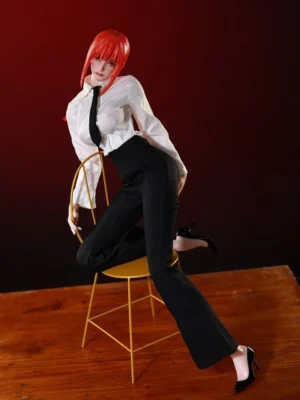
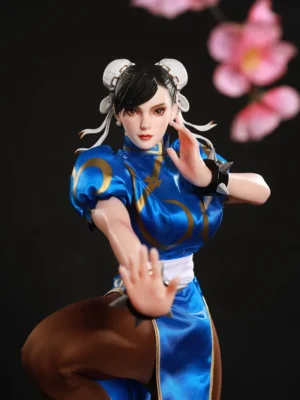
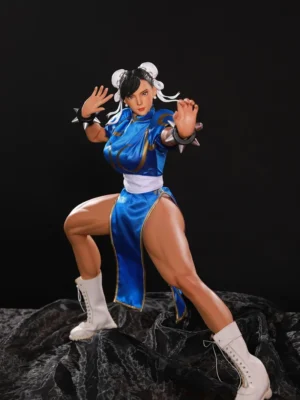
The desire to turn yourself into a doll and the desire to recreate a fictional character come from a similar idea: identity becomes physical.
In both cases, recognition comes from several visual signals working together. Face, hair, clothing, colour and accessories create the strongest connection when they support one clear identity.
The figure heads and accessories collection extends customisation through alternate faces, wigs and presentation components for collectors interested in changing character appearance.
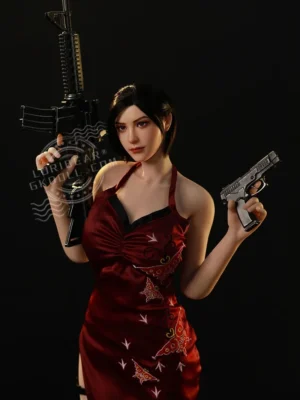
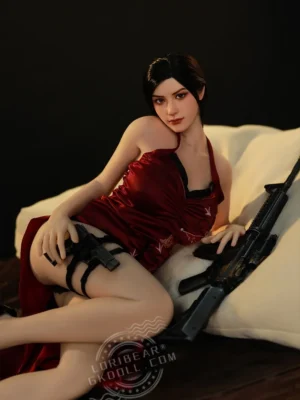
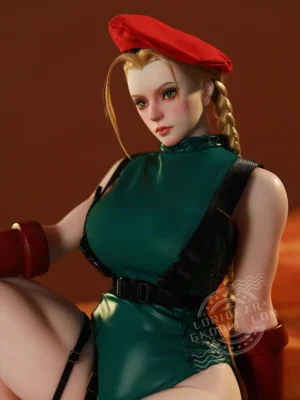
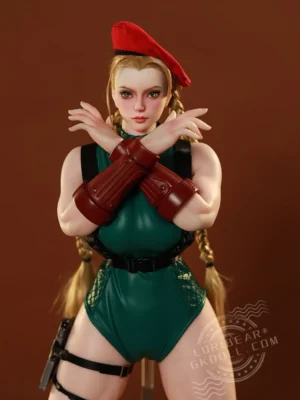
Character Customisation Beyond Barbie
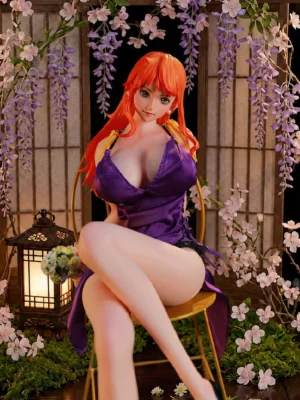
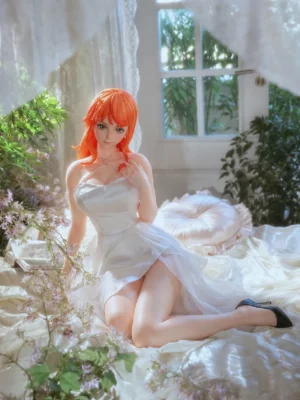
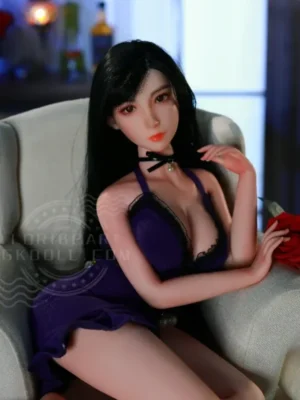
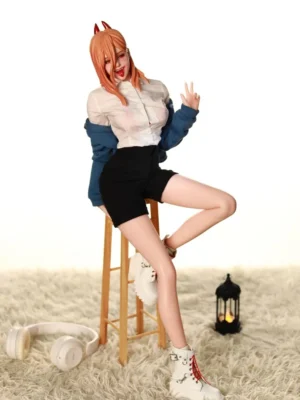
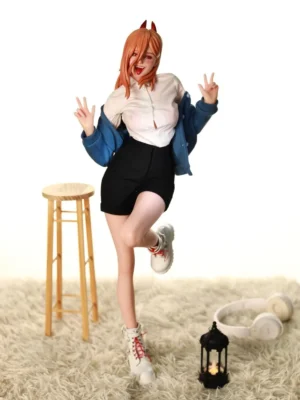
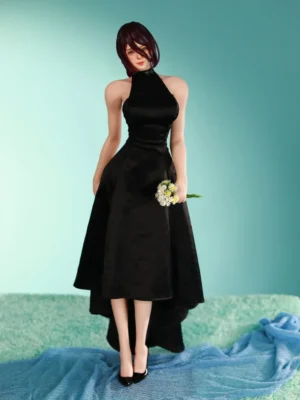
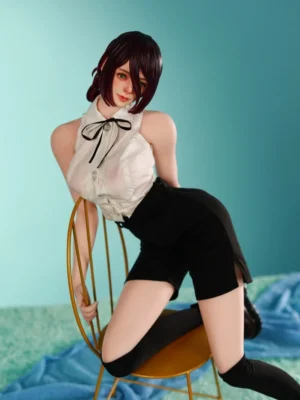
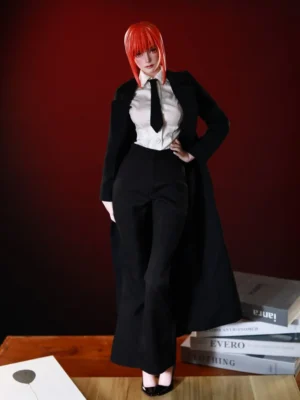
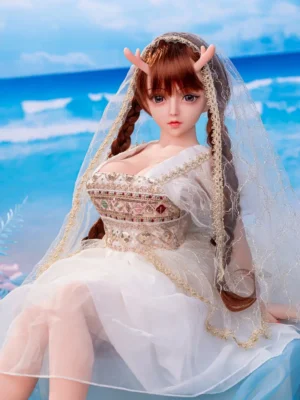
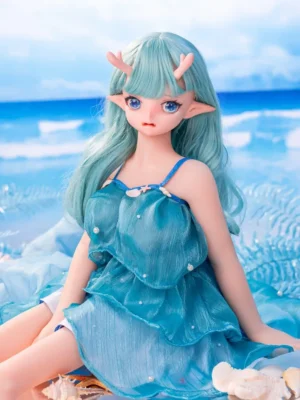
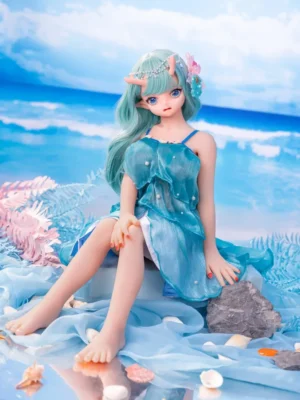
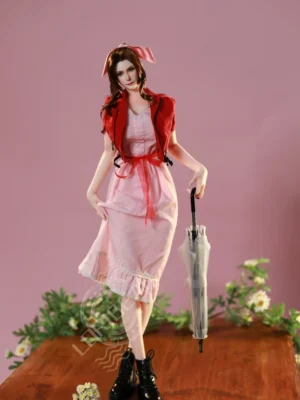
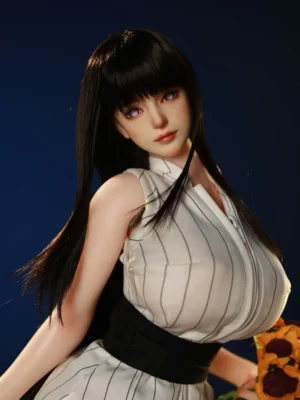
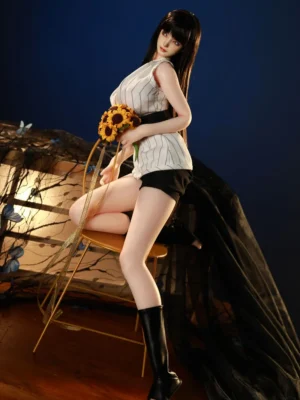
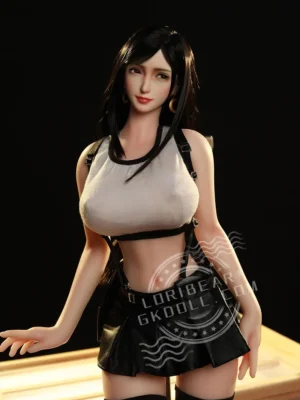
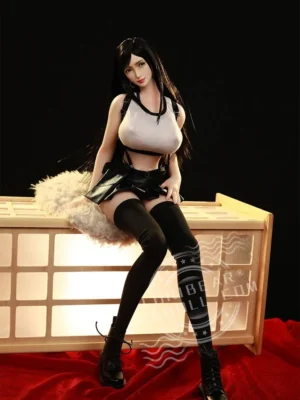
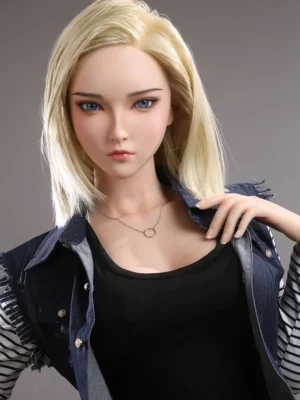
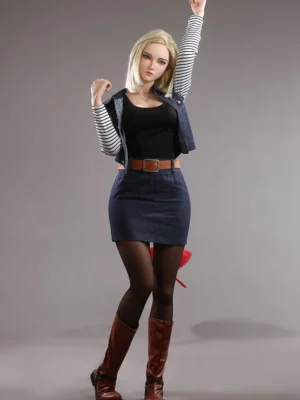
Anime-inspired collecting uses many of the same principles as a custom fashion doll. A recognisable face, accurate hairstyle and carefully selected clothing can establish identity before smaller details become visible.
However, character-focused adult products add different materials, body construction and care considerations. Therefore, the customisation method changes even though the underlying goal of recognisable identity remains similar.
Make Your Own Barbie Checklist
- Decide whether the project will remain reversible or include permanent changes.
- Define the person, memory or character before buying materials.
- Choose three visual signals that need immediate recognition.
- Select a base doll with suitable face shape, skin tone and body proportions.
- Confirm head and body compatibility before swapping parts.
- Record body measurements before buying or sewing clothes.
- Test hair styling or a removable wig before considering rerooting.
- Trim hair gradually and photograph each stage.
- Use facial work only when styling cannot achieve the intended identity.
- Check eye and eyebrow alignment throughout a repaint.
- Use materials known to be compatible with the doll plastic.
- Choose fabric and prints appropriate to doll scale.
- Test dark garments for colour transfer.
- Use props that communicate identity rather than unrelated decoration.
- Photograph reversible stages before permanent modifications.
- Label and protect every original part.
- Store alternate clothing, wigs and accessories separately.
- Keep the finished doll away from prolonged direct sunlight and excessive heat.
Frequently Asked Questions
What is the easiest way to customise Barbie?
Begin with clothing, hair styling and accessories because these changes remain largely reversible. They can also create a surprisingly strong identity before repainting or rerooting becomes necessary.
Can a Barbie be made to look like a real person?
Yes. Skin tone, hairstyle, clothing, glasses, jewellery and identifying accessories can create a recognisable personal likeness. An exact facial portrait is more difficult, so strong visual cues often matter more.
Can heads and bodies be swapped?
Sometimes, but neck connections and proportions differ between releases. Confirm compatibility before forcing any connection.
Should the face be repainted first?
Usually not. Hair, clothing and accessories can change the identity dramatically while remaining reversible. Test those elements before removing factory paint.
Is rerooting better than using a wig?
Neither option is universally better. A wig provides greater flexibility and easier replacement, while rerooting creates a more permanent integrated hairstyle.
Which fabrics work best for small clothes?
Lightweight fabrics with fine weave, small prints and low-bulk seams usually drape most naturally on fashion dolls.
How can a custom doll look more like a specific person?
Focus on recognisable details such as hair, glasses, clothing and one or two personal accessories. These can create stronger recognition than trying to reproduce every facial feature.
Can custom doll clothing stain the body?
Strongly dyed fabrics can transfer colour to some materials. Wash them where appropriate, allow them to dry fully and test them for shorter periods before prolonged display.
Should original Barbie parts be kept after customisation?
Yes. Original clothing, shoes and accessories document the release, preserve future restoration options and help keep the collection complete.
How should a custom doll be stored?
Use clean support, controlled light and stable temperature. Keep dark fabrics, metal accessories and other potentially reactive materials from pressing against painted or pale surfaces during long storage.
Sources
- Canadian Conservation Institute: plastics and modern materials
- Canadian Conservation Institute: textile and costume care
More styling and collector routes appear in the Collector Guides.
Explore Anime-Inspired Character Dolls at LORIBEAR
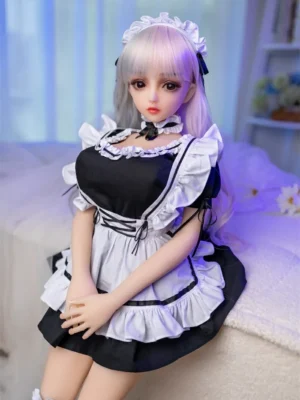
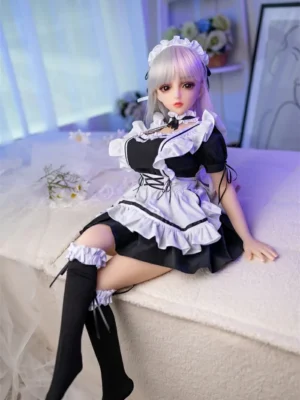
For collectors who also value character identity, facial detail, hairstyles, body proportions and costume styling, the LORIBEAR shop offers anime-inspired sex dolls built around recognisable character presentation and detailed visual design.
The current collection includes different characters and material configurations, including TPE, silicone and mixed-material options. Depending on the model, collectors can compare distinctive faces, wigs, removable clothing, body styling and other character-focused presentation choices.
Browse the LORIBEAR collection to compare the available characters, materials and designs and find the model that best matches your preferred character style and customisation interests.