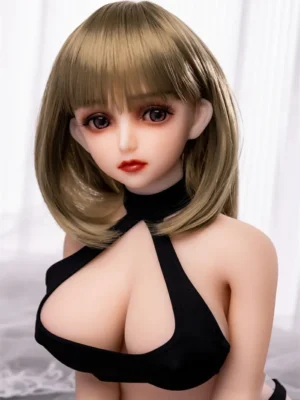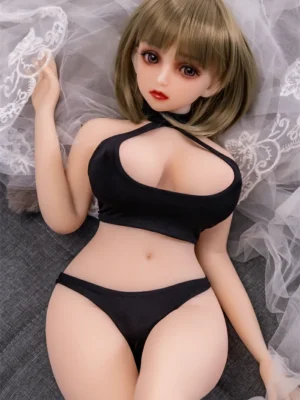
Doll Garments: Sizing, Fabrics and Outfit Care

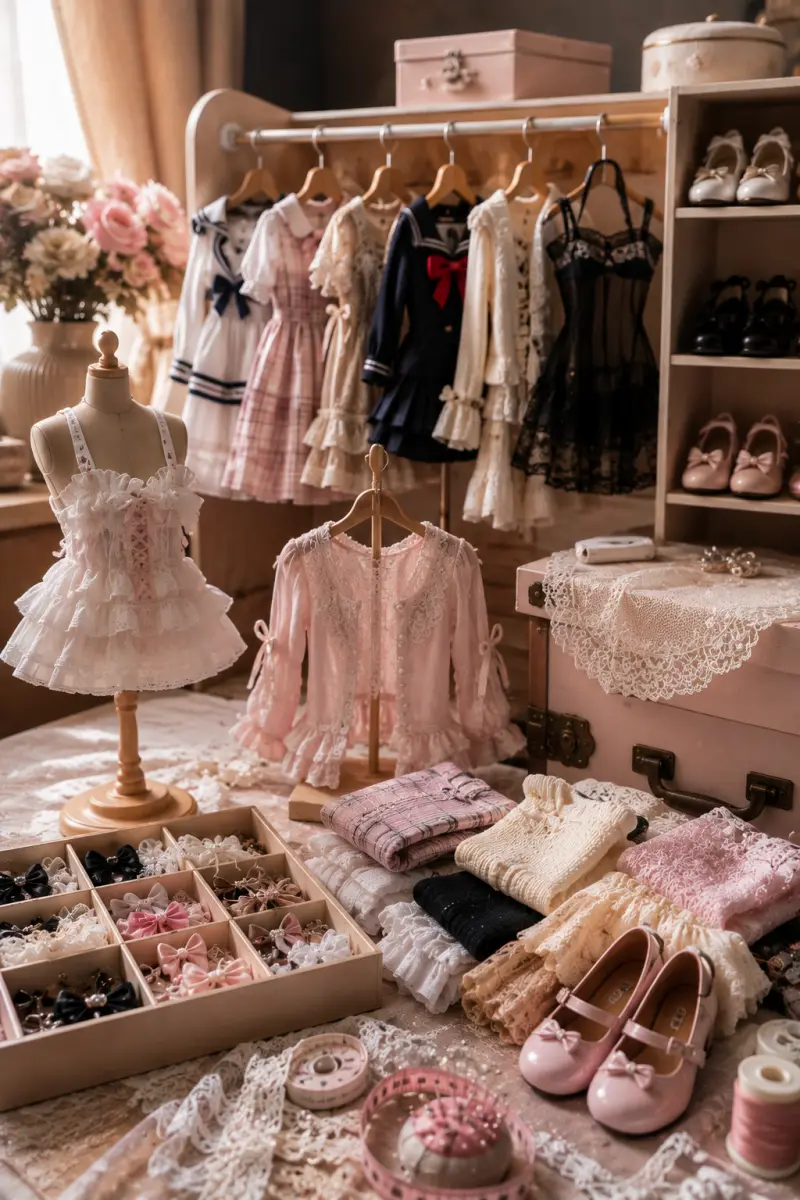
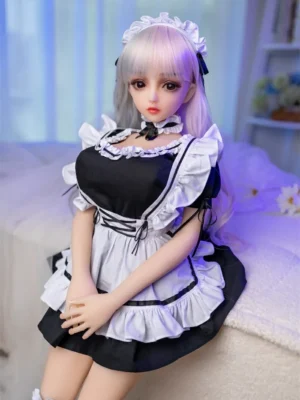
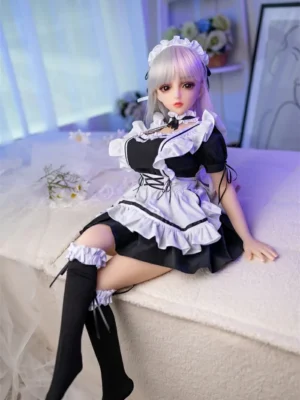
Doll garments give a collection movement, season and personality. Changing one outfit can completely alter how the same character feels. A uniform may create a disciplined impression, casual clothing can make the character feel more relaxed, while evening wear or lingerie can create a more private interpretation. However, clothing only works well when the measurements, fabric weight, closures and construction suit the body underneath.
Height alone cannot establish fit. Two dolls with the same overall height may have very different shoulders, bust, waist, hips, torso length, arm length and foot size. Therefore, clothing designed for one 43 cm body may not fit another 43 cm doll, while a full-size character body may require measurements that differ significantly from ordinary human clothing labels.
A practical wardrobe starts with the body rather than the garment label. Once the collector records the important measurements, choosing dresses, jackets, trousers, shoes and accessories becomes much more predictable. In addition, accurate measurements reduce unnecessary dressing attempts that can place stress on joints, soft materials and delicate clothing.
Create a Body Record Before Buying Doll Garments
Before buying clothing, create a simple measurement record for each doll. Use a soft measuring tape and allow it to follow the body naturally without compressing soft TPE, silicone or padded areas.
Start with the main circumferences: bust, waist and hips. Then record shoulder width, torso length, arm length, inseam, neck, wrist, ankle and foot dimensions. If the doll uses wigs, hats or head accessories, record the head circumference along the intended wearing line as well.
For larger character bodies, body depth can also matter. A garment may technically match the bust circumference while still fitting poorly because the chest projects farther forward than the pattern expects.
| Measurement | Why it matters | Allow for |
|---|---|---|
| Bust and hips | Determines whether fitted garments can pass over the body | Seam allowance, stretch and closures |
| Shoulder width | Controls sleeve position and jacket shape | Joint movement and padding |
| Torso length | Affects waist placement and dress proportion | Body posture and bust projection |
| Foot size | Essential for shoes and boots | Socks, ankle joints and toe shape |
Measure Without Compressing Soft Material
Soft doll bodies can change shape under pressure, so the tape should touch the surface without digging into it. Pulling the tape tightly around the waist or hips can create measurements that are smaller than the garment actually needs.
Instead, keep the tape level and allow it to follow the natural contour. For the bust and hips, measure around the fullest point. For the waist, use the narrowest natural section unless the garment is designed to sit higher or lower.
It is also useful to repeat important measurements once. A small error in hip circumference may not matter for a stretch dress, but it can determine whether rigid trousers pass over the body at all.
Shoulder Width Controls More Than Sleeve Fit
Shoulder width affects jackets, fitted dresses, shirts and coats. If the garment is too narrow, the sleeves may pull upward and place tension across the back. If it is too wide, the shoulder seams can hang below the natural joint line.
For articulated dolls, leave enough room for the shoulders to move without forcing the fabric. A garment that fits perfectly in a neutral pose may become restrictive when the arms rise.
Therefore, collectors who frequently change poses should consider both body measurements and intended articulation before choosing tightly fitted clothing.
Torso Length Determines Where the Waistline Sits
Two dolls with similar bust and waist measurements can still fit the same dress very differently when their torso lengths differ. A short torso can push the garment waist too low, while a longer torso may pull a fitted dress upward.
Measure from the shoulder line to the natural waist, then compare that distance with the garment. For one-piece outfits, overall torso length often matters as much as circumference.
Body posture also changes the result. A pronounced chest or curved lower back may require extra fabric length even when the flat measurement appears correct.
Scale Labels Are Only a Starting Point
Terms such as 1/6 scale, 18-inch, 43 cm and baby doll describe broad product families rather than universal clothing standards. Therefore, a listing that says “43cm doll clothes” still needs actual garment dimensions.
Compare shoulder width, chest, waist, hips and garment openings instead of relying only on the number printed in the title. Two dolls can share the same height while using completely different body proportions.
This becomes even more important when clothing crosses between manufacturers. One brand may use a slim fashion body, while another uses broader shoulders, a fuller torso or different articulation.
Actual Garment Measurements Matter More Than the Label
A useful clothing listing should provide more than a general size. For a fitted dress, look for chest, waist, hip and length measurements. For trousers, check waist, hip, rise, thigh and inseam.
For coats and jackets, shoulder width and sleeve length become especially important. Meanwhile, shoes need internal length, width and opening dimensions rather than a vague scale description.
If a seller provides only a doll height recommendation, treat that information as an initial guide rather than proof of compatibility.
Check Whether the Garment Must Pass Over the Head, Hands or Hips
A garment can match the final body measurements yet still be impossible to put on. The opening must also allow the widest body section to pass through.
For example, a narrow dress may fit the waist perfectly but fail to move over the hips. Likewise, a long-sleeved top may fit the torso but become difficult to dress over large hands when the cuffs do not open.
Therefore, inspect zips, snaps, hook-and-loop sections and stretch panels before purchasing. A well-designed opening can make a fitted garment much easier to use.
Small Doll With Clothes Sets Use Different Construction
Small doll with clothes sets often simplify closures because miniature zips, buttons and structured seams quickly become bulky at reduced scale.
Hook-and-loop tape, elastic openings and simple back closures therefore appear frequently on compact dolls. These systems may not look as realistic as full-size garment hardware, but they can make dressing easier and reduce stress on tiny hands and joints.
As doll scale increases, clothing can use more conventional construction. Larger bodies can support working pockets, lined jackets, real zips and shaped seams without those details appearing oversized.
Fabric Weight Should Match the Doll Body
Fabric that looks natural on a full-size body can appear stiff and oversized on a miniature doll. Therefore, fabric weight should decrease as the body scale becomes smaller.
Fine cotton, lightweight knits and thin synthetic fabrics often drape better on small figures. Heavy denim or thick upholstery-like material may resist the body shape and create unrealistic folds.
Full-size character dolls can carry ordinary garment fabrics more naturally. However, stiff waistbands, heavy decorations and sharp hardware still deserve attention because they can press into soft surfaces.
Drape Can Change the Entire Silhouette
Two garments with identical measurements can create very different appearances because their fabrics drape differently. A soft knit follows curves closely, while a structured woven fabric creates a more defined outline.
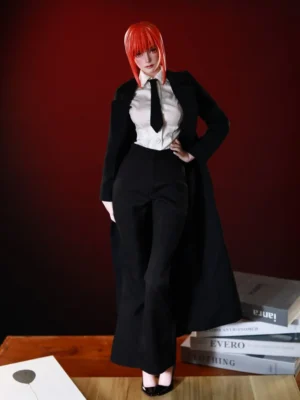
For character styling, this difference matters. A flowing dress may reinforce an elegant appearance, while a structured uniform can make the same body look more formal and controlled.
Therefore, collectors should think about both fit and the visual behaviour of the material.
Stretch Fabric Makes Dressing Easier
Stretch fabric gives additional tolerance around the bust, hips, hands and feet. As a result, it can make fitted outfits easier to dress without opening every section completely.
However, excessive stretch does not automatically mean a better fit. Very tight elastic fabric can maintain constant pressure on a soft body and may leave temporary compression marks.
For long-term display, choose a garment that follows the body without pulling aggressively against the surface.
Rigid Fabrics Need More Accurate Measurements
Non-stretch trousers, tailored jackets and structured dresses leave much less room for error. A few millimetres can matter on a small doll, while several centimetres can determine whether a full-size garment closes correctly.
Therefore, rigid clothing should be selected from actual body and garment measurements rather than approximate size labels.
Closures also become more important. A full-length zip or opening can allow a fitted garment to pass over the body without forcing the fabric.
Dark Doll Garments Can Transfer Colour
Black, dark blue, red and strongly dyed fabrics can sometimes transfer colour to pale soft materials during prolonged contact. Therefore, a visually perfect costume may still require extra care before long-term display.
When the fabric allows it, wash new garments separately and let them dry completely before use. This can remove some loose surface dye, although washing does not guarantee that every colour-transfer risk disappears.
Test the garment for a shorter period first. Afterwards, inspect the body areas where the fabric remained under the most pressure, such as the waist, hips, shoulders and thighs.
Use a Pale Underlayer When Necessary
A light-coloured bodysuit, underwear layer or lining can separate a dark costume from the doll surface. This can be useful when a character’s recognisable outfit depends on black, red or dark denim-like fabric.
However, the underlayer must fit correctly as well. Excessively tight fabric can still create compression, while visible seams may change the outer silhouette.
Therefore, choose a thin, smooth and colour-safe layer that does not add unnecessary bulk.
Printed and Coated Fabrics Need Extra Attention
Some doll garments use metallic coatings, vinyl-like surfaces, printed graphics or synthetic leather. These finishes can behave differently from ordinary woven fabric.
Repeated folding may create permanent creases, while excessive heat or aggressive washing can damage the surface. In addition, some coatings can become tacky or transfer to neighbouring materials during long storage.
For that reason, follow any care instructions supplied with specialised costume fabrics.
Fastenings Must Protect the Doll
- Hook-and-loop tape: fast and adjustable, but exposed hooks can catch hair or scratch a soft surface.
- Press studs: compact and secure; support both sides while opening so the fabric does not tear.
- Zips: create a clean fit but need an inner guard between metal teeth and the body.
- Ties and elastic: flexible across sizes, although tight elastic can leave compression marks.
- Hooks and eyes: discreet but sharp ends must be fully covered.
Hook-and-Loop Tape Is Practical but Can Catch Hair
Hook-and-loop closures appear frequently on smaller doll clothing because they open widely and tolerate slight size differences.
However, exposed hooks can catch wigs, loose fibres and delicate costume details. Therefore, close the fastening when the garment is not in use and keep hair away from the rough side during dressing.
On soft-bodied dolls, make sure the hook surface never rubs directly against the body.
Press Studs Should Be Opened From the Fastener
Small press studs can feel surprisingly strong compared with miniature fabric. Pulling the two garment panels apart can therefore tear the surrounding seam.
Instead, support both sides close to the fastener and open the stud directly. This reduces stress on the fabric.
The same principle applies to full-size character garments with decorative snaps or small metal closures.
Zips Need an Inner Guard
Metal zip teeth can scratch or press against soft materials when no fabric separates them from the body. Therefore, a protective inner flap or lining is useful on fitted garments.
Check that the zip moves freely before dressing the doll. Forcing a stuck zip while the garment remains under tension can damage both the clothing and the body underneath.
Elastic Provides Flexibility but Can Leave Marks
Elastic waistbands, stockings and sleeves adapt to different body sizes, which makes them convenient for styling.
However, strong elastic can create continuous pressure around the waist, thighs, wrists or ankles. Therefore, inspect these areas during long-term display.
If the elastic leaves deep compression marks, use a looser garment or reduce the length of time it remains on the body.
Dress the Doll Without Forcing Joints
Clothing changes should protect both the garment and the body. Before dressing, open every available closure and remove accessories that can catch on fabric.
If the manufacturer allows detachable hands, feet or other components, removing them can make narrow sleeves and trousers easier to dress.
For articulated dolls, support the joint itself rather than pulling from the fingers or feet. The fabric should move over the body rather than using the limb as a handle.
Dress the More Difficult Limb First
When one sleeve or trouser leg has less space, dress that side first. This gives the collector more fabric to work with before the garment becomes tight across the body.
Gather long sleeves before guiding the hand through rather than pushing the arm through the full sleeve length at once.
Likewise, bunch trousers around the lower leg before pulling them gradually over the thighs and hips.
Support Heavy Dolls During Clothing Changes
Changing a full-size character outfit should not become a lifting exercise. Place the body on a clean, padded surface when possible so both hands remain available for the garment.
This also reduces the chance of dropping the doll while trying to open a zip, adjust a sleeve or move a tight waistband.
Protect the hair and face from rough surfaces during the process, especially when the body needs to turn from front to back.
Do Not Pull Clothing by Delicate Decorations
Bows, lace, buttons, embroidery and costume ornaments may look like convenient grip points, but they often attach through small stitches or adhesive.
Therefore, move the main fabric rather than pulling decorative pieces. This becomes especially important with anime costumes that use elaborate trims and layered accessories.
Check the Inside of the Garment Before Dressing
The exterior may look smooth while the inside contains rough seams, exposed wire, metal edges or unfinished fasteners.
Inspect the complete interior before the first use. Trim only loose threads that can be removed safely, and cover or avoid any sharp hardware that could contact the doll.
This simple inspection can prevent scratches and pressure damage that remain invisible while the costume is being worn.
Shoes Need Their Own Measurements
Doll shoes should match foot length, width, toe shape and ankle dimensions. Height alone provides almost no useful information for footwear.
Rigid boots need enough opening space to pass over the foot and ankle. Meanwhile, fitted high heels may depend heavily on the exact arch and toe shape.
For articulated feet, make sure the shoe does not force the ankle into an angle beyond the intended range.
Socks Can Change Shoe Fit
A shoe that fits correctly on a bare foot may become too tight when stockings or socks add another fabric layer.
Therefore, measure or test footwear with the complete intended outfit rather than treating each item separately.
Seams around the toes can also create local pressure inside tight footwear.
Boots Need Enough Calf and Ankle Clearance
Long boots introduce additional measurements beyond foot length. Ankle, calf and opening circumference all matter.
A boot may fit the foot while remaining impossible to pull over the calf. Therefore, check the widest leg measurement that must pass through the opening.
Full-length zips or stretch panels provide more tolerance and can reduce the amount of force required.
Accessories Need the Same Care as Clothing
Belts, jewellery, gloves, stockings and headwear all contact the doll differently. A belt may remain under constant tension, while metal jewellery creates a harder surface against soft material.
Therefore, avoid leaving tight accessories in one position indefinitely. Inspect the contact area during costume changes.
Metal accessories should not rest directly against sensitive soft surfaces when staining, scratching or material reaction is possible.
Wigs and Headwear Must Match the Head
Character clothing often depends on the correct wig, hat or headpiece. Measure head circumference along the exact wearing line rather than using overall head height.
A tight wig cap can leave pressure marks or transfer colour, while an oversized cap may slide and distort the hairstyle.
For hats, also consider hair volume. A hat that fits the bare head may become too tight when worn over a thick wig.
Build a Wardrobe Around Combinations, Not Volume
A useful wardrobe does not require dozens of unrelated garments. Instead, start with several pieces that can work together.
One base layer, one everyday outfit, one formal or character-defining costume and a small selection of compatible shoes already create several styling possibilities.
A controlled colour palette makes this easier. Jackets, skirts, trousers and tops can then combine with one another without every purchase requiring another complete outfit.
Start With the Character-Defining Costume
For anime-inspired dolls, one costume usually establishes the character immediately. This outfit should therefore receive the most careful fit and colour comparison.
Hair, costume colour, footwear and accessories work together to create recognition. Once that base look is established, collectors can add casual or alternate outfits without losing the character identity.
Add Casual Clothing for a Different Interpretation
Casual clothing can make a familiar character feel closer to everyday life. A simple dress, shirt or relaxed outfit changes the visual mood without altering the underlying face or body.
This makes clothing one of the easiest reversible ways to create a different interpretation of the same doll.
Formal Clothing Changes Posture and Presentation
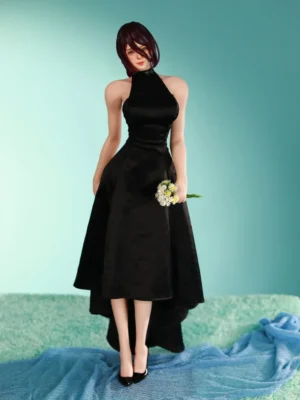
A long dress, jacket or structured outfit can make the body appear more elegant and controlled. Meanwhile, fitted clothing can emphasise waist, hips or shoulders more strongly.
Therefore, clothing affects how the body’s proportions read even when the underlying measurements remain unchanged.
Private Styling Creates Another Character Mood
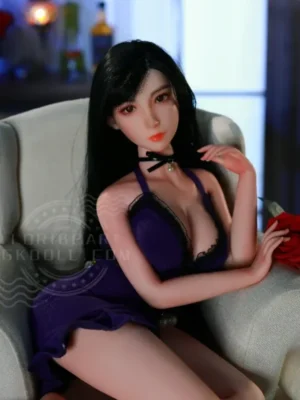
Lingerie, stockings and other private clothing can present the same character differently from the recognisable public costume.
However, close-fitting pieces create more continuous contact with the body. Therefore, colour transfer, elastic pressure and material compatibility deserve extra attention.
Photograph Successful Outfit Combinations
Once an outfit fits correctly, photograph the complete combination. Include shoes, jewellery, wig, underlayers and any special hand or accessory configuration.
This creates a visual record that makes the styling easier to reproduce later.
It also helps collectors identify which garments require a specific underlayer or accessory rather than repeating the entire fitting process from memory.
Create a Clothing Record for Each Doll
A simple record can list garment measurements, successful brands, shoe sizes and any known colour-transfer concerns.
For larger collections, this information saves time because buyers no longer need to remeasure the same body for every purchase.
It can also prevent clothing intended for one body from being forced onto another that has similar height but different proportions.
Store Complete Outfit Sets Together
Keeping every shoe in one box and every accessory in another can make complete costumes difficult to reconstruct later.
Instead, store important character outfits together with their matching shoes, belts, jewellery and accessories.
Label the container or include a reference photograph so every part returns to the correct set.
Clean and Dry Doll Garments Before Storage
Do not place damp or soiled clothing into long-term storage. Moisture can create odour, while residue may become harder to remove after extended contact with the fabric.
Follow the garment’s material-specific cleaning method and allow every layer to dry completely before packing the outfit away.
Some Garments Should Hang
Lightweight dresses, coats and jackets often benefit from hanging because this reduces folding.
However, the hanger should match the garment’s shoulder width. A hanger that extends beyond the shoulders can distort sleeves, while one that is too narrow may allow the clothing to slip.
Use smooth hangers without sharp edges that can catch the fabric.
Heavy and Decorated Garments Often Store Better Flat
Beaded clothing, heavy embroidery and thick decorative pieces can stretch narrow shoulder seams when left hanging for long periods.
Therefore, flat storage may distribute the weight more safely.
The Canadian Conservation Institute recommends flat, enclosed storage for many textiles because it supports fibres and protects them from dust and light. Fragile or decorated garments particularly benefit from minimal folding.
Minimise Folding on Coated and Structured Fabrics
Vinyl-like materials, synthetic leather and stiff fabrics can develop permanent creases when folded tightly.
Therefore, store them as flat as practical or use broad gentle curves instead of sharp folds.
Avoid placing heavy items on top because prolonged pressure can make those creases more difficult to reverse.
Separate Hardware During Long Storage
Metal belts, jewellery, buckles and shoes should not remain pressed into soft fabric during long storage.
Hardware can create permanent impressions, while unstable coatings may discolour neighbouring textiles.
Therefore, keep hard accessories in their own small compartments while storing them with the same labelled outfit set.
Protect Garments From Light and Heat
Direct sunlight can fade fabric and printed details. Heat can also affect elastic, coatings and synthetic fibres.
Therefore, wardrobe storage should stay away from strong windows, radiators and other concentrated heat sources.
Closed storage can reduce dust and light exposure, provided the garments enter it clean and fully dry.
Keep an Inventory of the Wardrobe
As a collection grows, remembering every garment becomes difficult. A simple digital or written inventory can record the outfit name, measurements, compatible doll and storage location.
Photographs make this system even more useful because the collector can browse combinations before opening every box or drawer.
A record also makes missing shoes, jewellery or costume pieces easier to identify.
Clothing as Character Transformation
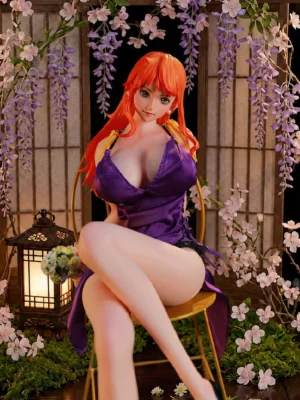
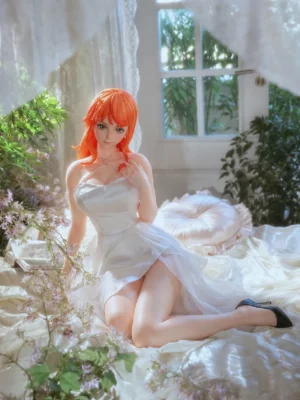
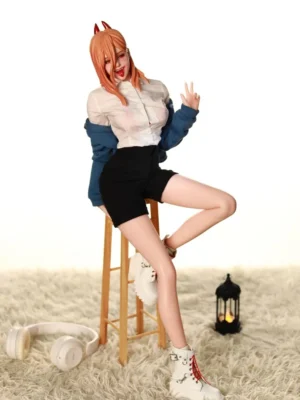
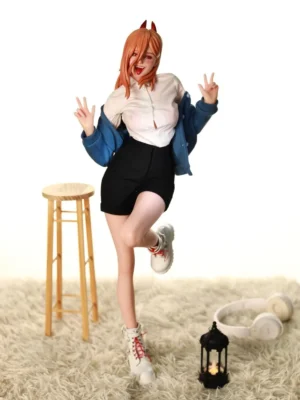
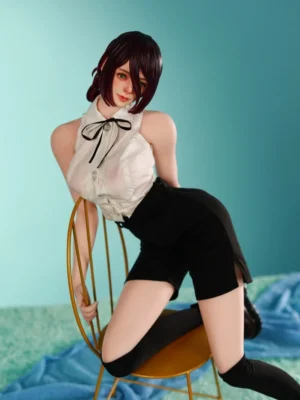
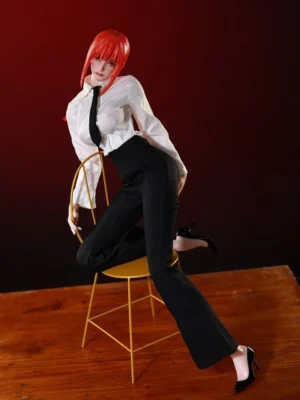
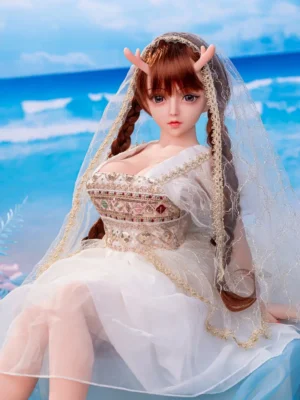
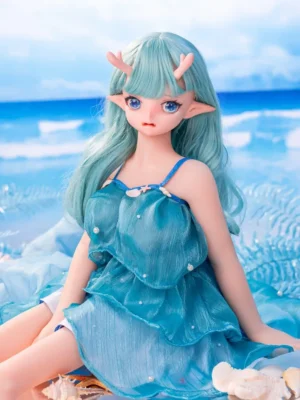
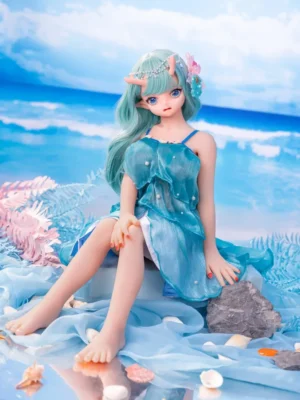
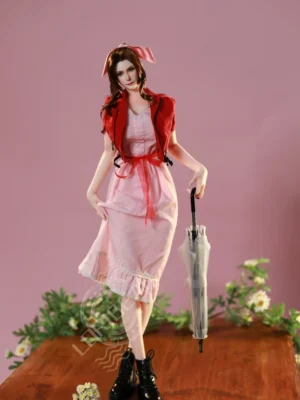
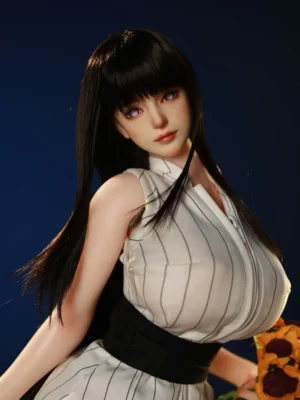
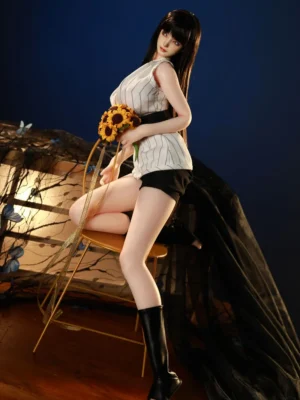
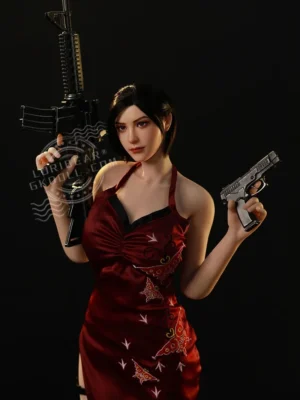
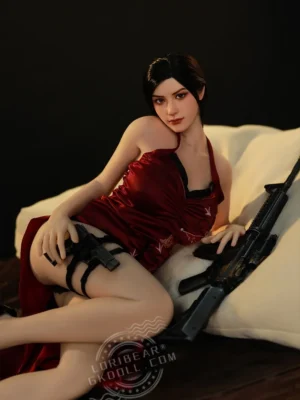
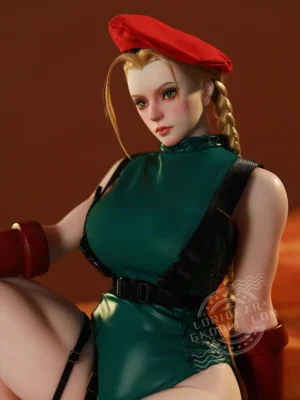
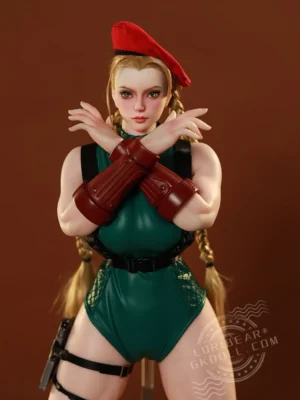
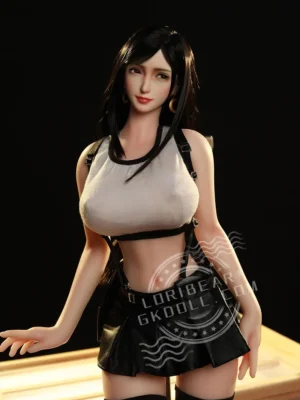
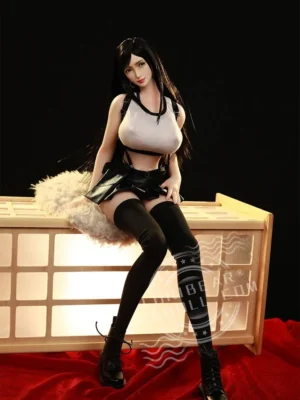
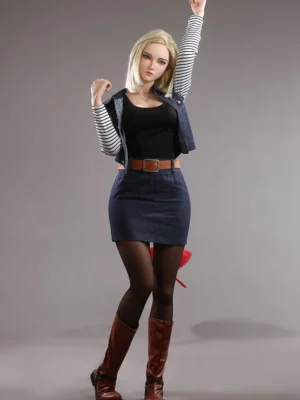
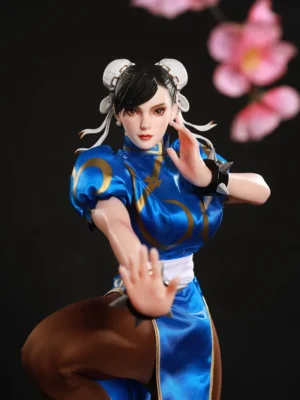
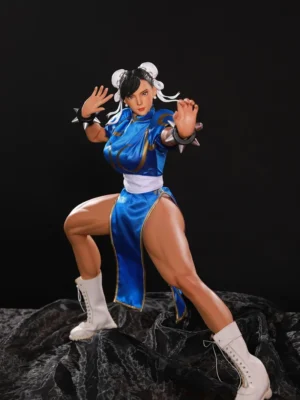
Anime dolls make the effect of clothing especially clear. A recognisable costume establishes the character, while casual wear, formal styling or a more private outfit can create a different interpretation without changing the underlying body.
The life-size Boa Hancock design offers interchangeable styling around a proud, sensual character presence. The face, long hair, body silhouette and clothing work together to create the overall identity.
Other clothed and customisable designs appear in the LORIBEAR Anime Figures collection, where character styling can be compared across different scales and body formats.
Doll Garments as Part of a Wider Styling System
Clothing works together with wigs, shoes, jewellery, accessories and display choices. Therefore, collectors who want to develop a complete styling system should consider all of these elements together rather than treating the garment as an isolated item.
The Doll Customisation & Styling reference connects clothing with wigs, accessories, display and reversible changes.
Collectors working with a dedicated storage piece can also use the wardrobe organisation reference to plan clothing, shoes and accessories more systematically.
Doll Garments Buying Checklist
- Record bust, waist, hips, shoulders, torso length, arm length and inseam.
- Measure neck, wrist and ankle when the garment uses narrow openings.
- Record foot length, width and ankle dimensions for shoes and boots.
- Check head circumference when the outfit includes hats or headwear.
- Compare actual garment measurements rather than height alone.
- Confirm whether the fabric stretches.
- Check whether the opening can pass over the widest body section.
- Inspect fasteners for sharp edges or exposed hooks.
- Look for an inner guard behind metal zips.
- Consider fabric weight in relation to the doll’s scale.
- Test strongly dyed clothing before prolonged wear.
- Use a pale underlayer when the costume requires dark fabric.
- Avoid excessive elastic pressure on soft materials.
- Dress articulated limbs without pulling from hands or feet.
- Store heavy or decorated clothing flat when necessary.
- Keep metal accessories separate during long-term storage.
- Photograph successful outfit combinations.
- Keep complete character sets labelled and organised.
Frequently Asked Questions
Will all 43cm doll clothes fit a 43cm doll?
No. Height only describes one dimension. Bust, waist, hips, shoulder width, torso length and garment openings can differ significantly between 43 cm bodies. Therefore, compare actual measurements before buying.
Can dark clothes stain a doll?
Yes. Excess dye can transfer, particularly to pale TPE, silicone and other soft materials. Wash new garments where appropriate, allow them to dry completely and test them for shorter periods before extended wear.
What is the safest fastening for doll garments?
No fastening is universally safest. The best option opens sufficiently for dressing, has covered or smooth edges and does not maintain sharp pressure against the body.
Should outfits be stored on the doll?
Display outfits can remain temporarily when they are clean, colour-safe and not excessively tight. However, long-term storage requires separate consideration of dye transfer, elastic pressure, hardware and material contact.
How should beaded doll clothes be stored?
Heavy beading and decoration can pull on shoulder seams when hanging. Therefore, flat storage with suitable support and minimal folding is often preferable.
Why do trousers fit the waist but not the hips?
Rigid trousers must pass over the widest part of the hips and thighs before reaching the waist. Therefore, waist measurement alone cannot predict fit. Compare hip, rise and thigh measurements as well.
Can human clothing fit a full-size doll?
Sometimes, but standard human size labels do not guarantee compatibility. Compare the doll’s actual bust, waist, hips, shoulders, inseam and foot measurements with the garment because body proportions can differ.
Should doll clothing be washed before first use?
When the fabric and construction permit washing, cleaning strongly dyed garments before use may remove some loose surface dye. However, washing does not guarantee complete colour safety, so short-term testing remains useful.
How should shoes be chosen for a doll?
Compare foot length, width, toe shape and ankle dimensions. For boots, also check calf circumference and opening size. Socks and stockings may change the final fit.
Can tight elastic damage a soft doll body?
Strong elastic can create prolonged pressure around the waist, thighs, wrists or ankles. Inspect these areas during display and choose a looser fit if deep compression marks develop.
Sources
- Canadian Conservation Institute: basic care of textiles
- Canadian Conservation Institute: flat storage for textiles
Additional care and collector routes appear in the Collector Guides.
Explore Anime-Inspired Character Dolls at LORIBEAR
For collectors who also value character identity, facial detail, body proportions and costume styling, the LORIBEAR shop offers anime-inspired sex dolls built around recognisable character presentation and detailed clothing design.
The current collection includes different characters, sizes and material configurations, including TPE, silicone and mixed-material options. Depending on the model, collectors can compare distinctive hairstyles, removable costumes, body proportions and different styling possibilities.
Browse the LORIBEAR collection to compare the available characters, materials, sizes and clothing styles and find the model that best matches your preferred character presentation and collecting needs.