Luffy Figure: Character Details, Formats and Buying Guide

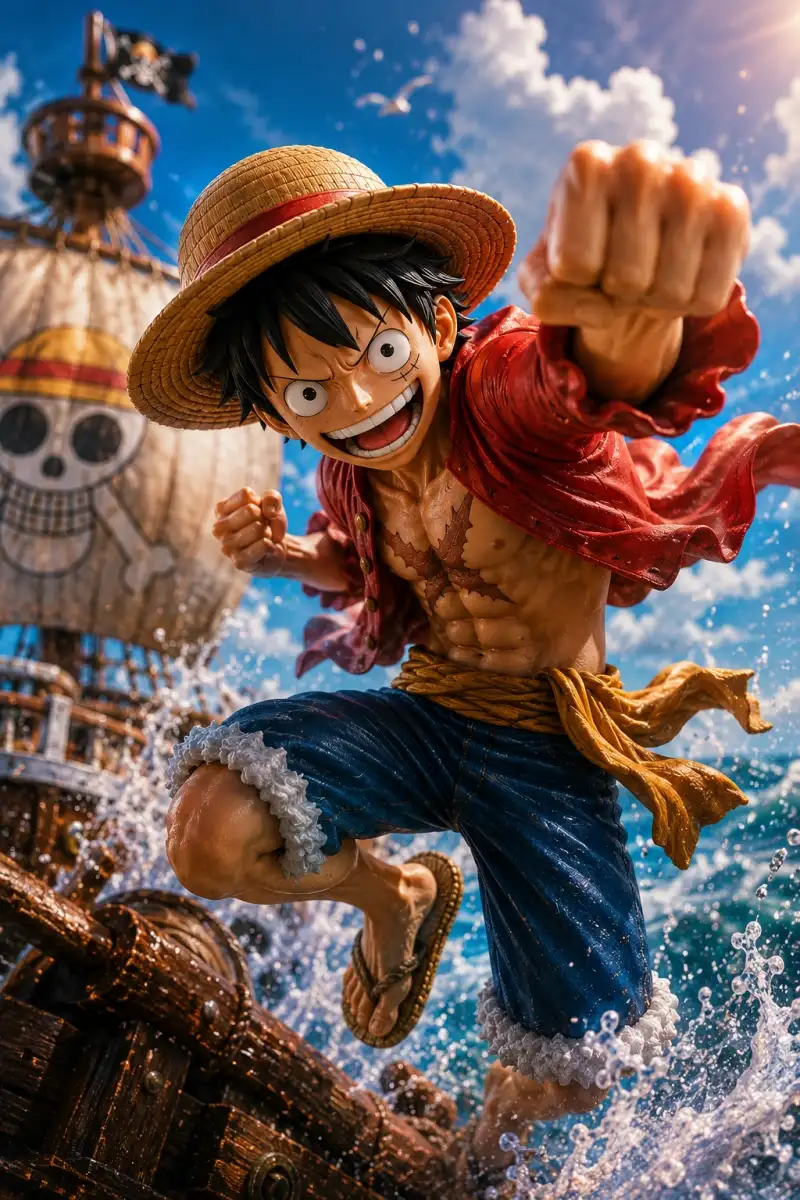
A Luffy figure succeeds when the first glance communicates movement, appetite for adventure and complete confidence in his goal. The straw hat identifies Monkey D. Luffy immediately, but the strongest figures also capture his open expression, energetic posture and fearless personality. Therefore, collectors should judge more than costume colour or body size when comparing different releases.
Every Luffy figure represents a particular interpretation of the character. One may show the young captain beginning his voyage, while another focuses on a battle-damaged fighter, a relaxed crew moment or a later transformation with a radically different silhouette. As a result, the story moment should guide the choice of face, costume, body proportions, accessories and pose.
Price and rarity matter to some collectors, but character accuracy usually determines whether the figure still feels satisfying after the initial excitement fades. A convincing release should make the collector recognise Luffy before reading the product name.
Start With the Version of Luffy
The official ONE PIECE character profile identifies Luffy as captain of the Straw Hat crew, with the straw hat entrusted to him by Shanks as his trademark. That simple object carries a promise and explains why its shape, band and position matter so much on a figure.
Earlier designs often use a red vest, blue shorts, sandals and a leaner body. Later appearances introduce different costumes, scars, coats, accessories and transformed proportions. Therefore, buyers should identify the exact story period before comparing manufacturers or prices.
A stylised collectible may deliberately combine features from different periods. That approach is not automatically wrong, but collectors should know whether they are buying story accuracy, a special illustration or an artist’s reinterpretation.
Character Version Matters More Than the Product Name
Two products labelled simply as “Luffy figure” can represent completely different moments. One may use a relaxed smile and classic outfit, while another may feature torn clothing, battle marks and a much more aggressive expression.
For that reason, compare hairstyle, scars, clothing, accessories and facial expression before treating two releases as alternatives. Even the way the straw hat sits on the head can change the visual identity.
Collectors who associate Luffy with one specific story arc may feel more attached to a modest figure from that period than to a more elaborate design from another version.
Action Figure, Statue or Stylised Toy?
| Format | Visual strength | Practical consideration |
|---|---|---|
| Luffy action figure | Can recreate punches, running poses and crew scenes | Check joint gaps, balance and accessory attachment |
| Luffy statue | Preserves a composed scene and strong sculpted motion | Requires enough shelf depth and safe support |
| Stylised figure | Emphasises expression and recognisable costume | May deliberately change body proportions |
| Large display figure | Creates greater facial and costume presence | Weight, delivery and room scale become important |
The best format depends on how the collector wants to interact with the character. Action figures suit changing poses and scene building, while fixed statues deliver one completed composition. Meanwhile, stylised figures can emphasise Luffy’s humour and personality through exaggerated proportions.
Larger display formats create another experience because facial details, clothing and complete body presence become more visually dominant. However, they also require more storage, handling and planning.
Why a Luffy Action Figure Appeals to Some Collectors
Luffy’s movement-heavy fighting style works naturally with articulation. Jointed shoulders, elbows, hips, knees and ankles allow collectors to recreate punches, running poses, defensive stances and interactions with other characters.
However, articulation should support the pose rather than dominate the appearance. Large gaps around the shoulders or hips can interrupt the silhouette, especially when the figure uses a relatively simple costume.
Therefore, examine how the joints look in both neutral and extreme positions. A figure that performs well only in one promotional pose may offer less practical range than expected.
Why Fixed Luffy Statues Feel Different
A fixed statue allows the sculptor to control the complete body line without visible articulation. As a result, clothing folds, hair direction and muscle tension can flow more naturally through the composition.
This format works particularly well when the design focuses on one memorable moment. A punch, leap, grin or battle stance can feel more dramatic because every part supports the same scene.
However, the collector cannot correct an awkward angle later. Therefore, the expression, posture and centre of gravity need to work from the beginning.
The Face Carries Luffy’s Personality
Luffy’s face often determines whether a figure feels convincing. A neutral expression can suit a quiet crew display, while a broad smile, intense battle stare or comic reaction can communicate much more energy.
First, check eye alignment and eyebrow position. Then compare the mouth shape, nose placement and the relationship between the hair and forehead. Small differences in these areas can make a technically polished sculpt feel unfamiliar.
For open-mouthed expressions, depth inside the mouth and clean separation around the teeth help prevent the face from appearing flat. Likewise, a shouting expression should match the tension in the neck and body.
The Smile Needs to Feel Like Luffy
A broad grin is one of Luffy’s most recognisable expressions, but not every smiling sculpt captures the same personality. The eyes, cheek shape and mouth width need to work together.
A smile that looks too restrained can lose his spontaneous energy. By contrast, an exaggerated mouth without matching eyes may feel more like a generic comic expression.
Therefore, compare the complete face rather than focusing on the mouth alone.
Battle Expressions Need Coherent Damage
Battle versions often include scratches, dust, torn clothing or bruising. These details can make the figure feel connected to a particular fight when the sculpt uses them consistently.
However, random marks across the body do not automatically create realism. Damage should follow the pose, clothing and intended scene.
For example, torn fabric, scratches and dirt should appear where movement or impact makes visual sense. When every surface receives the same effect, the figure can look decorated rather than battle-worn.
The Straw Hat Deserves Close Inspection
The straw hat is not merely an accessory. It forms one of Luffy’s strongest visual and emotional identifiers. Therefore, its proportion, texture, band colour and position deserve as much attention as the face.
Check whether the brim looks too thick, too narrow or unusually flat. The crown should also fit the scale of the head rather than appearing oversized simply to make the accessory more visible.
Some figures place the hat on Luffy’s head, while others hang it behind the neck or include an alternate hat part. In those cases, confirm exactly which configuration comes with the product.
Hair Shape Frames the Face
Luffy’s black hair may look simple compared with characters who have elaborate hairstyles, but its shape still affects recognition. Fringe length, volume and the way individual sections sit around the forehead can change the face considerably.
Therefore, inspect the hair from the front and three-quarter view. A correct colour alone does not guarantee an accurate silhouette.
On larger figures, sharp hair points may also require extra clearance during storage and cleaning.
Movement Should Follow the Character
Luffy’s fighting style creates unusually long lines through punches, kicks and stretched limbs. Therefore, the pose should communicate force while keeping the body readable.
An articulated figure may use extension pieces for stretched-arm effects. Those pieces need secure connections without making the shoulder or wrist look disproportionately heavy.
Meanwhile, a statue should explain the force of the pose through body direction, debris, smoke, waves or another visual element rather than suspending an extended limb without support.
The Centre of Gravity Still Matters
A dramatic Luffy figure can lean far forward or send an arm beyond the base. However, visual movement should not compromise physical stability.
Check where the body weight sits in relation to the feet and stand. A pose that places most of the mass outside the base may require an additional support arm or effect piece.
For articulated products, test the basic standing pose before adding heavy accessories. This makes it easier to identify weak ankles or loose hips.
Use Supports Before Stressing the Joints
A transparent support arm may be less visually attractive than a completely unsupported pose, but it can reduce long-term stress on ankles, hips and wrists.
Therefore, use the supplied support when an extended limb or heavy accessory shifts the centre of gravity significantly.
Repeatedly forcing one joint to carry excessive leverage can gradually loosen the pose or damage a small connector.
Accessories Should Explain the Scene
Extra faces, hands, hats and effect parts add value when they create meaningful combinations. A laughing face may suit a meat accessory or relaxed crew display, while an intense expression works better with an attack pose.
Therefore, count complete scene combinations rather than accessories alone. Ten small pieces do not necessarily provide more value than four parts that work together naturally.
Check wrist pegs, adapters and connectors as carefully as the visible accessories. A missing connector can make a major effect piece unusable even when the piece itself remains in the box.
Alternate Hands Can Change the Entire Pose
Closed fists, open palms, pointing hands and gripping hands each communicate different actions. Therefore, replacement hands can significantly expand the range of an articulated Luffy figure.
However, hand sockets need to fit securely. Excessively tight connections may place stress on narrow wrist pegs, while loose joints can make accessories difficult to hold.
When changing hands, follow the intended connection direction rather than twisting aggressively.
Effect Parts Need Their Own Display Space
Smoke, impact effects, stretched limbs and environmental pieces can increase the total size far beyond the figure’s body measurements.
Therefore, measure the complete display configuration. A 20 cm figure with a long punch effect may require more shelf width than a taller standing statue.
Effect parts also need safe clearance from neighbouring figures because thin translucent plastic can scratch or break when crowded.
Second-Hand Accessories Need Extra Attention
On the second-hand market, ask for photographs of the complete tray rather than the assembled figure alone. Small support pieces, alternate hat parts and effect connectors disappear easily.
Compare the seller’s photographs with the original parts list. In addition, ask whether joints, adapters or accessory holes have cracked during previous posing.
A complete modest set can be more satisfying than an elaborate release that has lost the parts needed to recreate its intended scenes.
Scale the Display Around the Crew
A single Luffy figure can focus entirely on individual impact. A crew display creates a different challenge because scale, base footprint and visual weight need to work together.
Luffy should remain easy to identify without physically blocking every neighbouring character. Therefore, compare actual heights rather than assuming all products labelled with a similar scale will align perfectly.
Raised effects and large bases also influence apparent height. Record the complete assembled dimensions rather than the character body alone.
Advertised Scale Does Not Always Predict Display Height
A nominal scale ratio can provide a rough idea of body size, but pose and base design may completely change the final height.
For example, a crouching Luffy can appear much shorter than a standing character from the same nominal scale. Conversely, a raised fist or airborne effect can make the complete display significantly taller.
Therefore, actual centimetre measurements remain the most useful information for shelf planning.
Colour Helps Control Visual Hierarchy
Luffy’s red clothing and straw hat naturally attract attention. Therefore, they can act as visual anchors within a group display.
If surrounding figures use very large, brightly coloured effects, however, the scene can become difficult to read. Not every figure needs to compete for the strongest visual impact.
Neutral bases and open space can make Luffy stand out more effectively than placing every release tightly together.
Leave Space Between Silhouettes
A crowded shelf may contain more figures, but it can hide the very poses collectors paid to see. Therefore, leave enough space for arms, swords, hats and effect parts to remain visually separate.
Open space also reduces accidental contact during cleaning. Fragile hair, weapons and accessories are easier to protect when neighbouring figures do not overlap.
Measure the Cabinet Before Buying
Before purchase, compare the displayed dimensions with the cabinet rather than the box alone. Raised arms, stretched effects and tilted hats can add unexpected height or width.
A deep battle base may also require more room than a taller standing figure. Therefore, measure shelf width, depth and height separately.
Leave extra clearance for placing and removing the figure. A product that fits with only a few millimetres to spare can become difficult to handle safely.
Choose a Theme for a Luffy Collection
A Luffy-focused collection does not need every available version. Instead, collectors can organise releases around a particular visual or story theme.
One collection may follow his appearance across different story periods. Another may concentrate on battle scenes, classic costumes or crew interactions.
As a result, each new figure has a reason to join the collection instead of becoming another unrelated purchase.
Luffy Within a Wider One Piece Collection
Collectors who want to move beyond one captain can organise the display around crew relationships, story arcs or contrasting personalities.
The Anime Doll Brands & Series reference places character versions within larger collecting systems. Meanwhile, the existing One Piece figures overview helps plan a collection beyond one captain.
These wider references become useful when the display begins to include multiple characters, formats and scales rather than one isolated Luffy release.
Extend the Straw Hat World Through Character Contrast
Luffy’s optimism becomes more vivid beside characters with different personalities and visual styles. Nami brings intelligence, fashion and lively energy, while Boa Hancock introduces a more regal and controlled kind of confidence.
The LORIBEAR One Piece collection develops that wider world through larger adult character interpretations. These formats place more emphasis on complete facial identity, clothing and body presentation than a compact shelf figure does.
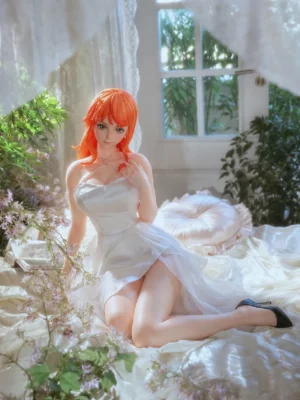
For a larger character presence, the life-size Nami design translates orange hair, expressive features and costume styling into a complete body format.
This creates a very different collecting experience from a conventional Luffy action figure or statue. Therefore, material, weight, storage, clothing and display requirements need their own comparison.
Character Contrast Makes a Display More Interesting
A display can communicate more when neighbouring characters do not all use the same pose or personality. Luffy’s open energy can contrast effectively with calmer, more elegant or more controlled characters.
Therefore, collectors should think about expression and body language when arranging a group rather than grouping figures only by height.
Different silhouettes can also help each character remain readable from a distance.
Authenticity and Product Information
A reliable listing should identify the release, manufacturer or creator, dimensions and included parts clearly. Consistent product photography also helps buyers compare the actual design.
Be cautious when one listing mixes images with different bases, facial sculpts or accessories. Those differences may indicate several versions rather than one product.
Packaging logos and copyright markings can support an authenticity check, but one sticker should not serve as the only evidence.
Inspect the Figure From Several Angles
Promotional photographs usually highlight the most flattering view. Therefore, buyers should also look for front, side, rear and three-quarter photographs.
Front images reveal facial alignment, while side views show leaning, depth and body balance. Rear photographs can expose hair connections, support rods and seam placement.
For articulated figures, multiple angles also reveal how visible the joints become during real poses.
Buying a Pre-Owned Luffy Figure
Second-hand figures can offer discontinued releases, but condition needs careful inspection. Ask for photographs of the actual item instead of relying on stock images.
Check the face, straw hat, wrists, ankles, pegs, base and every included accessory. In addition, look for paint transfer around areas where accessories or clothing have rubbed against the body.
Sunlight may fade one side of a figure, while smoke or humidity can leave odour or surface residue. Therefore, ask how the previous owner displayed and stored the product.
Does the Original Box Matter?
The answer depends on the collector. Some buyers value complete packaging, while others care mainly about the displayed figure.
Original packaging can provide practical protection during transport, especially when the release includes many small effects or alternate parts.
However, a damaged box can still contain an excellent figure. Likewise, a perfect box does not guarantee that joints, paint and accessories remain in good condition.
Display Stability Comes Before Drama
A dynamic pose should never depend on a fragile connection carrying more weight than it can handle. Therefore, use the intended base, support arm or effect stand.
Keep the figure away from shelf edges and vibration. A small movement that a stable standing figure tolerates may cause a heavily extended pose to fall.
For larger statues, check the furniture’s load capacity as well as the figure’s own support system.
Protect Plastic, Paint and Effect Parts
Long-term care involves more than dust removal. Direct sunlight and excessive heat can affect plastics, paint and other materials over time.
The Canadian Conservation Institute: plastics and modern materials provides broader information about caring for plastic objects and modern materials.
Therefore, avoid permanent display beside strong windows, radiators or hot lamps.
Dust Without Stressing Fragile Parts
Dust tends to collect around hair, clothing folds, fingers and effect pieces. Regular light cleaning prevents heavy buildup.
Use a soft material-appropriate method and support fragile components rather than pulling against them. In addition, remove detachable accessories first when they make safe cleaning easier.
Photographing a Luffy Figure
Luffy’s energetic expressions and poses make him particularly suitable for character photography. A slightly low camera angle can emphasise movement, while a cleaner eye-level angle shows the face more accurately.
However, photography should not require unstable posing. Use the stand when necessary and remove it later through framing rather than risking a fall.
For crew photographs, vary character heights and leave space between silhouettes so the image remains readable.
What Makes a Strong Luffy Figure?
- The face feels recognisably like Luffy from more than one angle.
- The straw hat has convincing proportion, texture and placement.
- The hairstyle frames the face correctly.
- The expression matches the intended story moment.
- The pose communicates Luffy’s energy rather than generic action.
- The centre of gravity works with the base and supports.
- Accessories form coherent scene combinations.
- Stretched limbs and effect parts connect securely.
- The costume matches the intended version or clearly signals a stylised interpretation.
- The complete dimensions fit the planned display space.
Luffy Figure Buying Checklist
- Identify the exact Luffy version, costume and story period.
- Decide whether you want articulation, a fixed statue or a stylised design.
- Compare the face from front and three-quarter views.
- Inspect the straw hat shape, band colour and placement.
- Check hair shape and its relationship with the face.
- Confirm that the expression supports the pose.
- Inspect joint range and stability on articulated products.
- Check the base and centre of gravity on fixed statues.
- Confirm which faces, hands, hats and effect parts come with the release.
- Check every adapter and small connector.
- Measure complete width, depth and height with effects installed.
- Compare scale with neighbouring crew figures when building a group display.
- For second-hand purchases, inspect the actual figure and complete accessory tray.
- Plan stable, shaded and dust-controlled display space.
Frequently Asked Questions
Which Luffy outfit is the most recognisable?
The red vest, blue shorts, sandals and straw hat form the classic visual combination. However, later costumes may feel more meaningful to collectors attached to a specific story period.
Is a Luffy action figure better than a statue?
Neither format is universally better. Choose articulation when you want to change battle scenes, expressions and interactions. By contrast, choose a statue when you prefer one polished composition with uninterrupted sculpted movement.
Why does the straw hat need close inspection?
The straw hat acts as Luffy’s defining visual object and an important part of his story. Therefore, shape, band colour, texture, size and placement can strongly affect character recognition.
How can a stretched-arm pose be supported?
Use the supplied stand, support arm or effect support. Avoid leaving extreme leverage on one wrist, shoulder or ankle when the product provides another support method.
What should I check when buying a second-hand Luffy figure?
Check the face, hat, joints, pegs, base, effect parts and all small adapters. In addition, ask for photographs of the complete accessory tray and inspect for fading, paint transfer or damaged connections.
How should a One Piece group display be planned?
Match scale and visual weight, record each base footprint, vary heights and leave enough open space for silhouettes to remain readable. Luffy can remain the visual centre without physically blocking neighbouring characters.
Do large effect parts make a figure better?
Not automatically. Effects can strengthen movement and storytelling, but they also increase display space and fragility. The strongest effects support the pose rather than distracting from the character.
How can a Luffy figure be protected from fading?
Keep it away from prolonged direct sunlight and excessive heat. In addition, remove dust regularly and follow material-specific care instructions for the figure and effect parts.
Sources
- ONE PIECE.com: official Monkey D. Luffy character profile
- Canadian Conservation Institute: plastics and modern materials
Further collecting routes are organised in the Collector Guides.
Explore Anime-Inspired Character Dolls at LORIBEAR
For collectors who also value character identity, facial detail, body proportions and costume styling, the LORIBEAR shop offers anime-inspired sex dolls built around recognisable character presentation and detailed body design.
The current collection includes different characters, sizes and material configurations, including TPE, silicone and mixed-material options. Depending on the model, collectors can compare distinctive hairstyles, removable clothing, carefully shaped body proportions and character-focused facial styling.
Browse the LORIBEAR collection to compare the available characters, materials, sizes and designs and find the model that best matches your preferred character style and collecting needs.