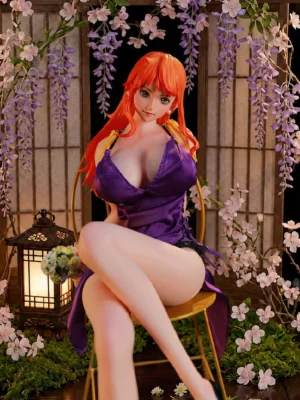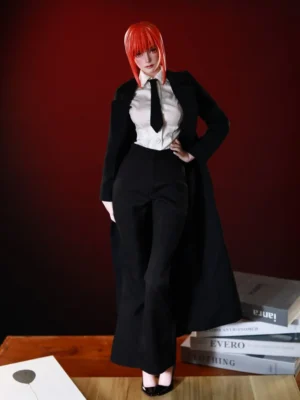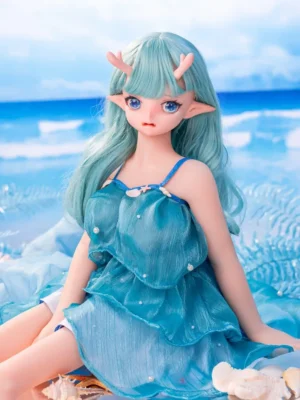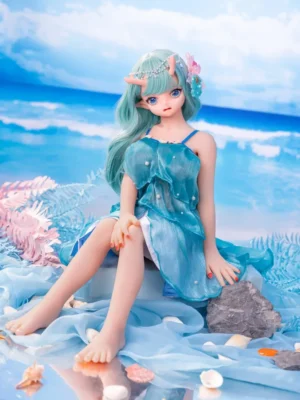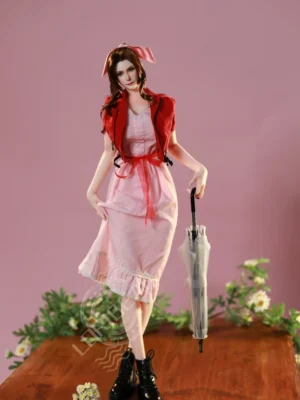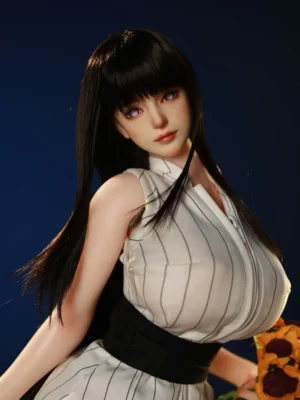
- Chainsaw Man
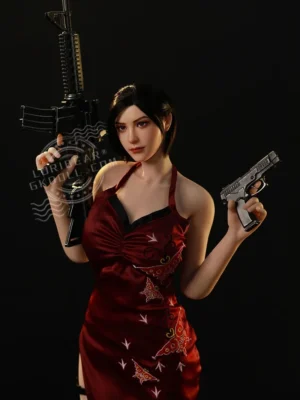
- Resident Evil
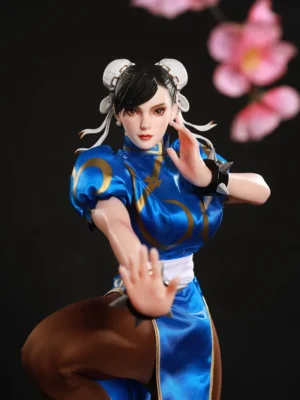
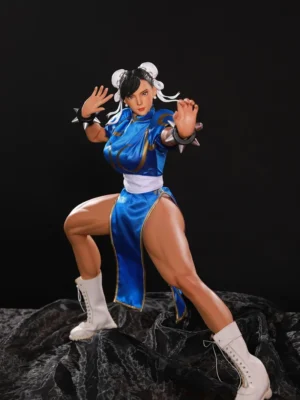
- Street Fighter
- Spy x Family Figures
- Azur Lane
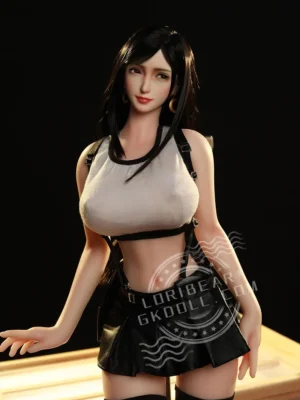
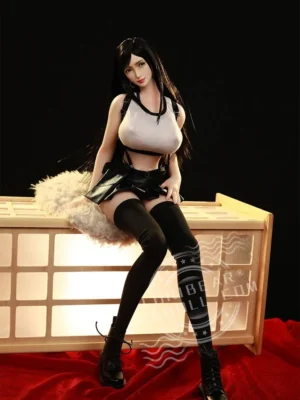
- Final Fantasy
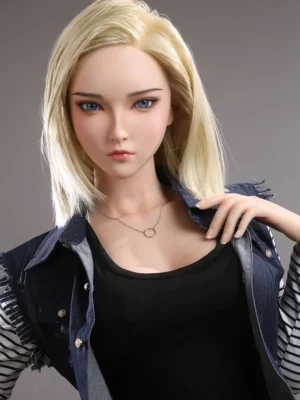
- Dragon Ball
- Naruto
- Neon Genesis Evangelion
- Nier: Automata
- Kuroinu Figures | Olga Discordia Dark Elf
- Queen Pharnelis-Goblin
- Non Virgin Bunny Girl
- Prison School
- The King of Fighters
- One Piece
- Figure Heads & Accessories
Japanese Toys: Tradition, Characters and Collecting

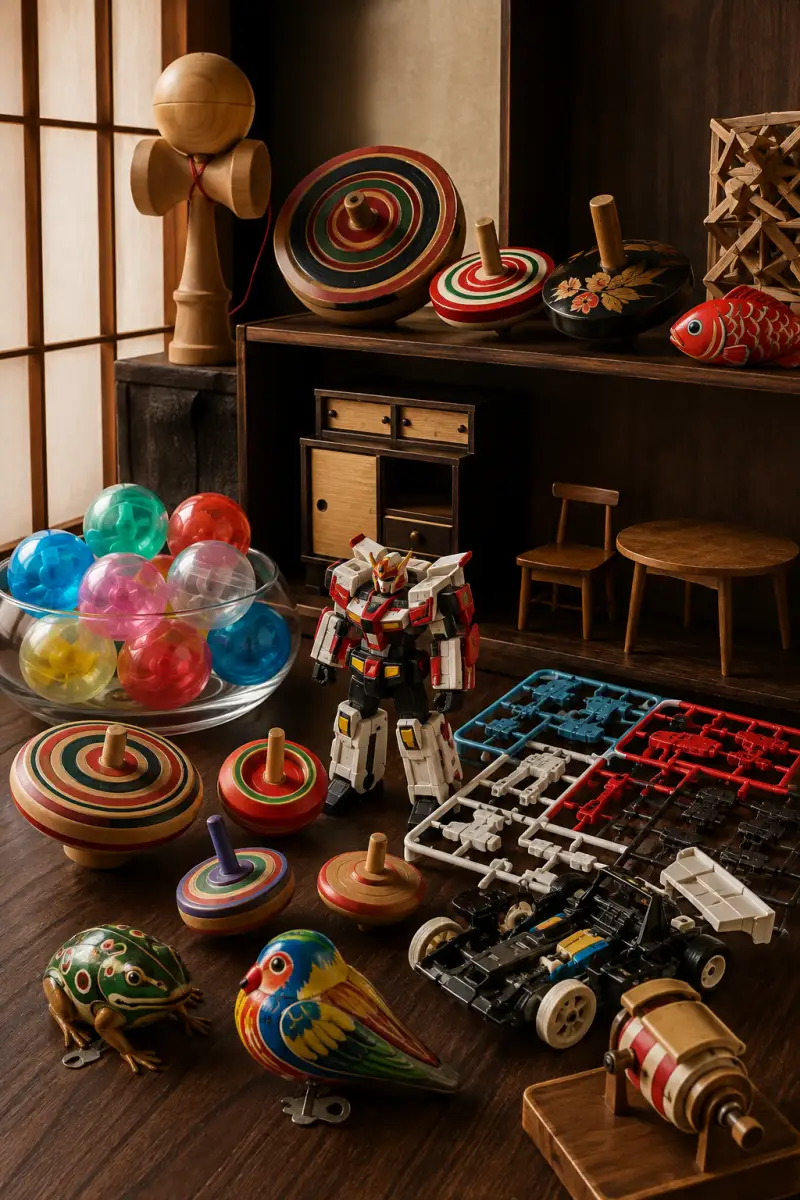
Japanese toys cover an unusually broad world of objects, from regional folk crafts and festival dolls to transforming robots, model kits, capsule toys and highly detailed character figures. Their appeal does not come from one recognisable “Japanese style.” Instead, each category reflects a different purpose: imaginative play, ritual, craftsmanship, mechanical curiosity, storytelling or adult collecting.
This variety is what makes Japanese toys so interesting to collect. A handmade wooden top may preserve local craft traditions, while a modern anime figure can recreate a character through precise facial features, costume details and pose. Both belong to Japanese toy culture, yet collectors should judge them by very different standards.
A useful way to understand the category is to ask what the object was created to do. Was it meant to be played with, assembled, displayed, exchanged, collected as part of a series or appreciated as a piece of craftsmanship? Once that purpose becomes clear, material, condition and value become much easier to understand.
Traditional objects carried social meaning
Japanese dolls and miniature objects have long represented more than simple play. They have portrayed children, aristocratic figures, warriors, actors and idealised scenes of family life. Some were handled directly, while others appeared in seasonal displays or ceremonial settings.
Miniature furniture, clothing and household utensils could reproduce the adult world on a smaller scale. These objects encouraged careful arrangement and storytelling, but they also reflected ideas about family, social roles and craftsmanship.
The British Museum’s Samurai exhibition guide describes doll-sized armour and equipment as well as miniature bridal furnishings associated with the Dolls’ Festival. These examples show how play, family expectations and decorative skill could exist within the same miniature world.
Traditional Japanese dolls also vary greatly by region and purpose. Some rely on restrained facial expressions and elaborate textiles, while others use simple forms that allow the material itself to remain visible. The absence of mechanical movement does not make these objects less expressive. Their appeal often comes from costume, posture and symbolic detail.
Materials reveal region and purpose
Traditional Japanese toys use materials such as wood, papier-mâché, cloth, clay, lacquer and metal. Each material gives the object a different texture and requires different care.
A carved wooden folk toy may show tool marks that reveal how the maker shaped it. Those marks can form part of its identity rather than count as imperfections. A lacquered object, by contrast, depends more heavily on a continuous surface and controlled finish.
Textile dolls need protection from dust, insects and strong light. Paper decorations can fade or become brittle when exposed to unstable humidity. Painted wood and clay can also lose surface detail through careless cleaning.
Collectors should not judge age from wear alone. Modern craftspeople still use traditional techniques, while genuinely older toys may contain replacement clothing, repaired limbs or later repainting.
Maker marks, documented ownership and reliable purchase history provide stronger evidence than a seller simply describing an item as antique. Understanding the original material and construction also helps distinguish natural ageing from later damage.
Post-war characters changed the scale of the market
Manga, television animation and video games transformed Japanese toy culture by creating characters that could move easily from one medium into another. A single robot or hero might appear as a plastic model kit, die-cast toy, articulated action figure, capsule collectible and premium statue.
Each format offers a different relationship with the same character. Model kits reward construction. Action figures encourage posing and photography. Capsule toys make collecting easy and repeatable. Larger statues focus more heavily on sculpting, surface finish and visual presence.
Licensing information helps identify the represented work and authorised manufacturer, but an official licence does not make every release identical in quality. Production goals still matter.
Prize figures often emphasise accessible pricing, clear silhouettes and recognisable costumes. Scale statues can devote more attention to facial modelling, skin shading and fine clothing texture. Articulated figures sacrifice some seamless body lines in exchange for movement and interchangeable parts.
This is why collectors should compare products according to format rather than treating every figure of the same character as a direct competitor.
 Model kits reward process as much as ownership
A Japanese model kit arrives unfinished by design. The buyer becomes part of the creation process through cutting, assembly and optional detailing.
Modern snap-fit kits can provide impressive results with little more than careful trimming and patient assembly. More advanced kits may require adhesive, sanding, seam correction, decals or full painting.
Before buying, check how much work the kit actually requires. Terms such as grade, scale or series name do not always describe difficulty consistently across manufacturers.
A clean workspace and appropriate nippers make the first build much easier. Parts should come away from the runner without tearing the visible surface. Leaving a small gate and trimming it gradually usually produces a cleaner result than cutting directly against the part.
Instructions also deserve attention. Inner frames and joints may become difficult to access after armour or decorative panels are installed. Following the intended sequence prevents unnecessary disassembly later.
Builders do not need to buy every specialised tool immediately. A careful basic build can already look excellent, while painting and custom finishing can develop gradually as experience grows.
Capsule toys and blind boxes use surprise deliberately
Capsule toys and blind boxes turn uncertainty into part of the collecting experience. The appeal often comes from opening the package, discovering a character and trading duplicates with other collectors.
These products can make a large series feel approachable because each individual purchase remains relatively small. However, completing the entire set can cost much more than the price of one figure suggests.
Before buying multiple boxes, check how the manufacturer distributes the series. Some full cases contain one complete standard set. Others still include duplicates or use rare variants that replace standard characters.
A trading plan helps prevent duplicates from becoming wasted purchases. Collector groups, conventions and online communities can make exchanging extras easier.
A spending limit is equally useful. Randomised collecting should remain enjoyable rather than turning one missing figure into an expensive chase.
Small size does not automatically mean poor quality. Some capsule figures use surprisingly expressive sculpts, clean paint and clever poses within a very limited space.
Game characters combine Japanese design with global memory
Japanese video-game characters often have a particularly strong collecting appeal because players remember more than a single illustration. Movement, fighting style, costume, voice and personality all contribute to recognition.
A successful physical figure needs to bring those memories together. The face should resemble the character, but the stance and body language also need to feel familiar.
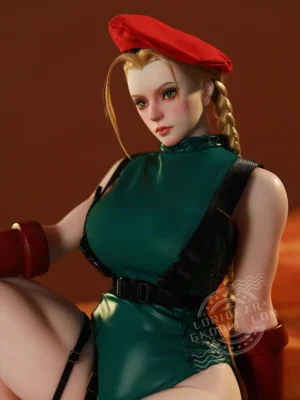
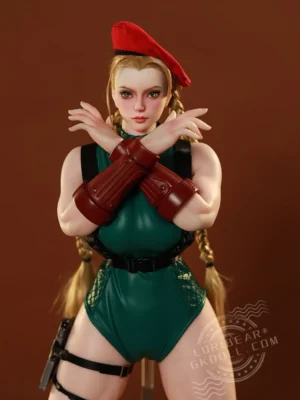
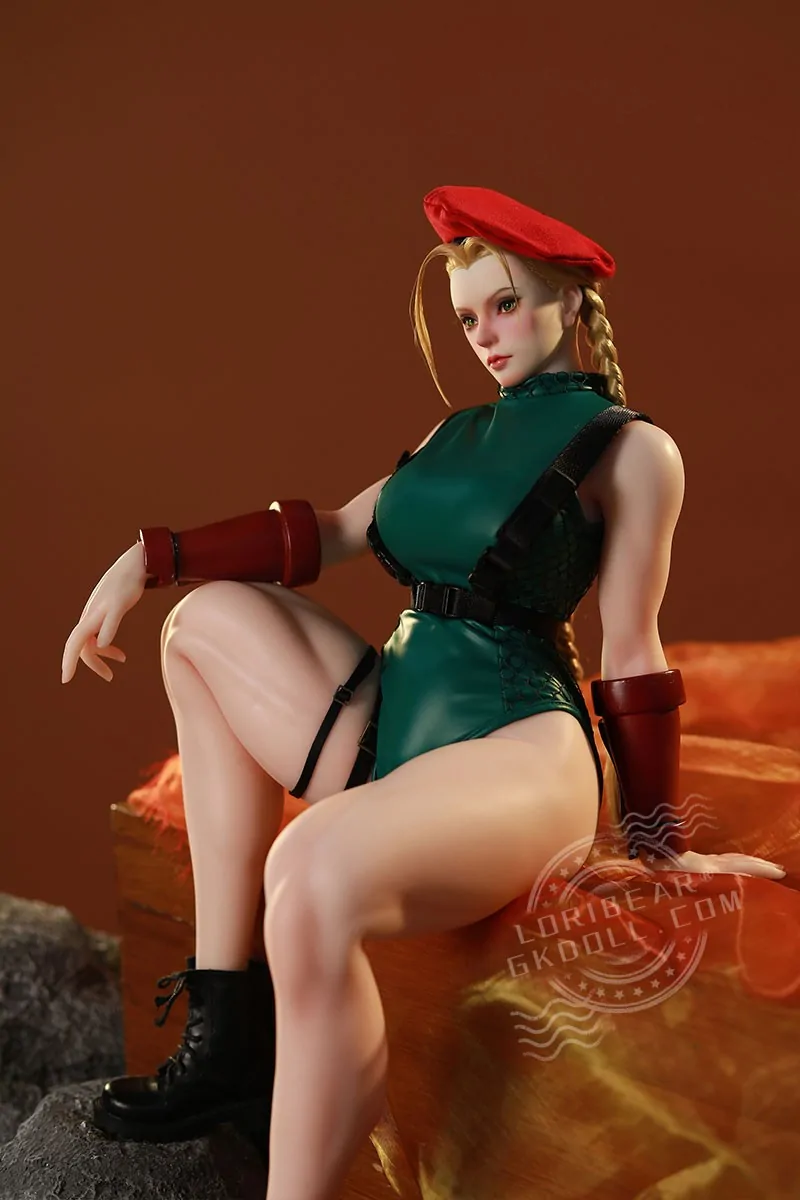
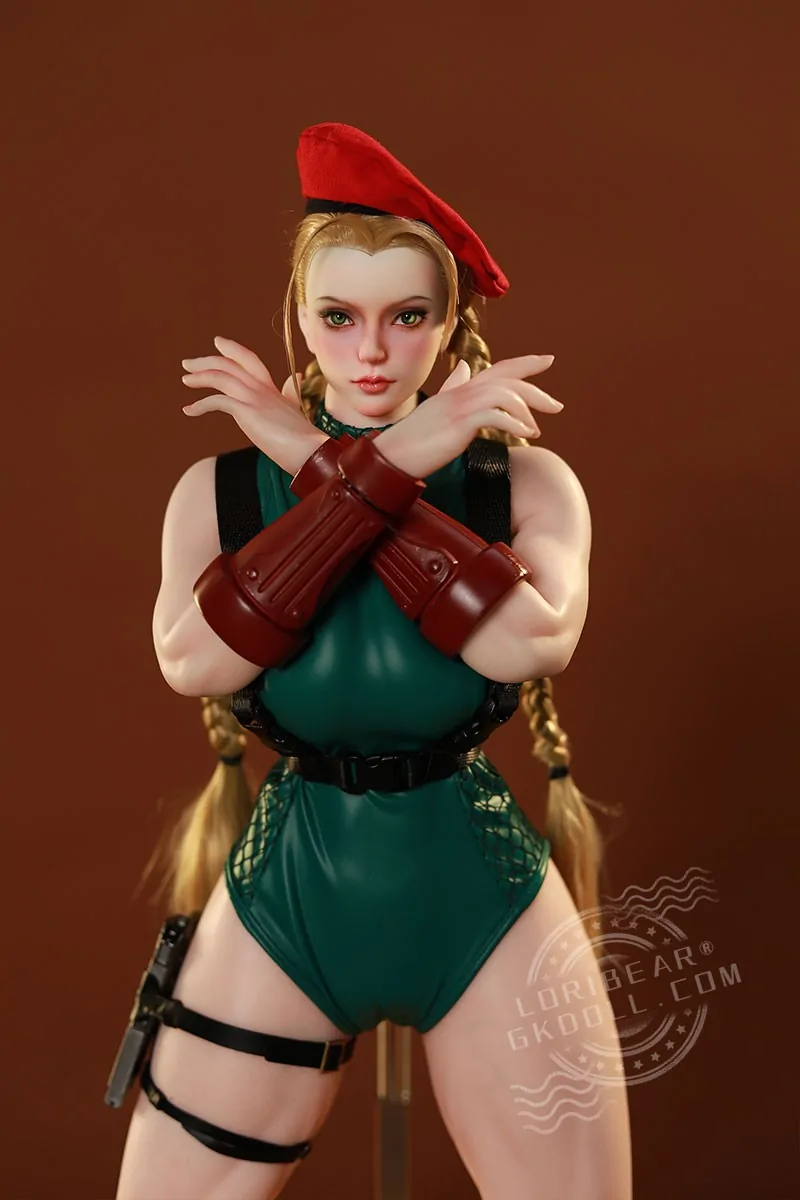
The Street Fighter Cammy figure demonstrates how those elements can work together in a character display. Her green outfit, red beret, long blonde braid and athletic silhouette immediately connect the figure to Cammy’s established fighting-game identity. The focused expression and powerful body line strengthen that recognition instead of reducing the design to costume alone.
For collectors who already associate Cammy with speed, discipline and controlled aggression, a larger physical interpretation can make those familiar qualities feel much more present. That character connection is often what separates a memorable collectible from a technically detailed but emotionally generic figure.
Collectors who want to explore how characters connect across different series and product lines can continue through the Anime Doll Brands & Series reference. The LORIBEAR shop brings together more Japanese game- and anime-inspired character designs, allowing collectors to compare different personalities, body formats and visual styles while building a collection around the characters they already value.
Condition standards depend on the object
Japanese toys should not all be judged by the same condition rules. A sealed modern figure and a handmade folk toy belong to completely different collecting traditions.
For modern character figures, collectors often inspect paint, accessories, packaging, joints and missing parts. A pre-owned articulated figure may lose value when replacement hands or faces disappear, even if the main body remains clean.
Traditional handmade objects need a different approach. Small variations between examples may come from the maker’s hand rather than manufacturing defects. Surface wear may also form part of the object’s history.
Record dimensions, materials, repairs, moving parts and included accessories before cleaning an older toy. Photograph stains, cracks and marks so later changes remain easy to track.
Avoid unfamiliar household cleaners until the surface material is known. Water can damage paper or adhesives, while solvents may remove paint or lacquer that survived for decades.
A coherent Japanese toy collection does not need to follow one price range or historical period. It can centre on a particular character, craft tradition, manufacturer or personal memory. Clear collecting criteria make it easier to appreciate the differences between objects without reducing every purchase to rarity or resale value.
 Japanese toy questions
What types of products are included in Japanese toys?
The category includes traditional dolls, regional folk toys, miniature household objects, robots, model kits, capsule toys, action figures and modern anime or game-character collectibles.
Are all Japanese dolls children’s toys?
No. Some Japanese dolls support imaginative play, while others were created for festivals, ceremonial display, decoration or adult appreciation.
What separates a model kit from an action figure?
A model kit requires assembly by the owner and may also need sanding, decals or paint. An action figure normally arrives assembled and focuses on articulation, interchangeable parts and posing.
Are capsule toys low-quality collectibles?
Not necessarily. Their small size and accessible price do not determine sculpting or paint quality. Some capsule series offer excellent character recognition within a compact format.
How should an older Japanese toy be cleaned?
Identify the materials and surface finish before cleaning. Avoid aggressive water or solvents until you know how the paint, lacquer, paper, textile or adhesive will react.