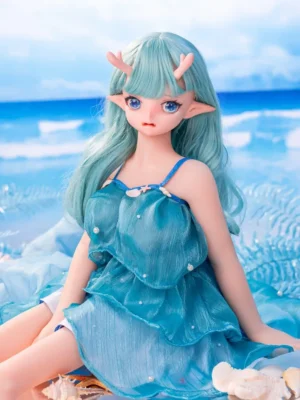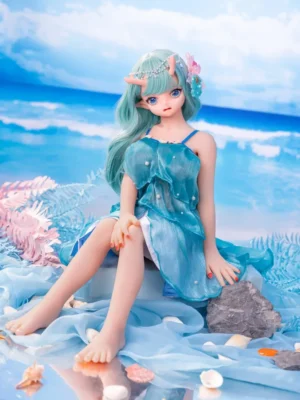
- Chainsaw Man
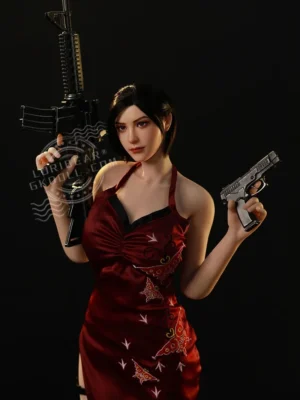
- Resident Evil
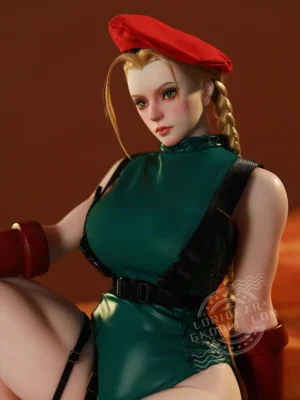
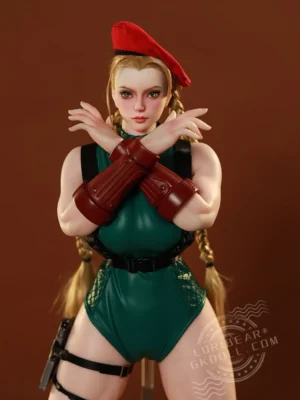
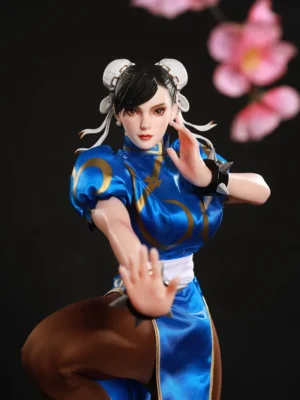
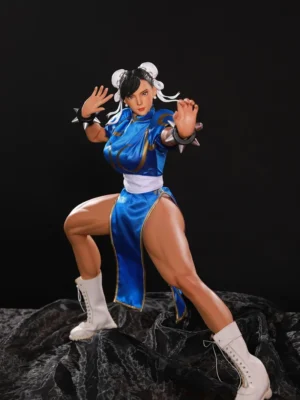
- Street Fighter
- Spy x Family Figures
- Azur Lane
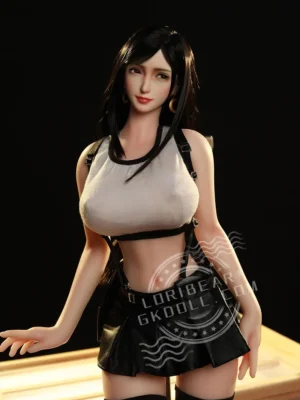
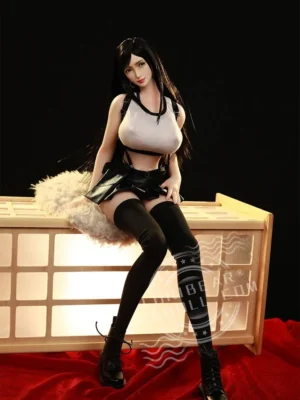
- Final Fantasy
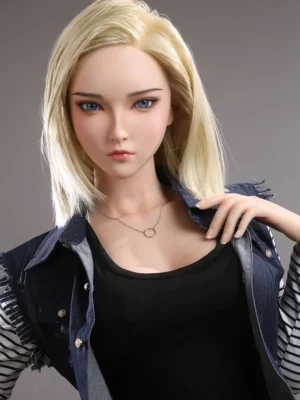
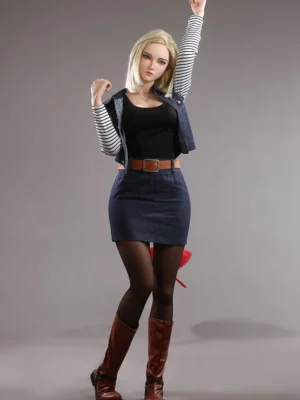
- Dragon Ball
- Naruto
- Neon Genesis Evangelion
- Nier: Automata
- Kuroinu Figures | Olga Discordia Dark Elf
- Queen Pharnelis-Goblin
- Non Virgin Bunny Girl
- Prison School
- The King of Fighters
- One Piece
- Figure Heads & Accessories
Anime Shop Birmingham: A Practical Collector Route


An anime shop Birmingham visit can be one of the easiest ways to compare manga, character figures, model kits, plush toys, trading cards and Japanese stationery in person. Instead of judging everything from product photographs, collectors can examine box condition, figure proportions, print quality and the real size of a model before deciding whether it deserves a place in the collection.
Birmingham is especially convenient because several anime, comic and pop-culture retailers can be reached within the city centre. That makes it possible to compare different stores during one trip rather than committing to the first item that appears online.
The best preparation is not a rigid shopping list. It is a clear idea of which characters, series or product formats matter most. Limited releases and popular series can disappear quickly, so collectors benefit from combining a few priority items with enough flexibility to inspect unexpected figures or editions that look better in person than they did on screen.
Start with the city-centre cluster
Corporation Street, Bull Street and the Smallbrook Queensway area provide a practical starting point for an anime shopping route through central Birmingham. The most convenient order depends on the station used, available walking time and individual mobility needs.
TokyoToys lists its Birmingham shop at 31 Corporation Street, while Forbidden Planet lists a Bull Street branch and Worlds Apart lists a Smallbrook Queensway location. Each retailer has a slightly different emphasis, so visiting more than one store can reveal very different selections even within a relatively compact area.
The TokyoToys official site publishes its Birmingham shop information and current opening details. Checking the retailer’s own page before travelling is more reliable than depending on an older directory or cached map result.
If the journey depends on one specific character, scale or model-kit grade, direct confirmation is worth the extra effort. Online stock indicators can lag behind the shop floor, especially when a popular release has just arrived or sold through quickly.
Bank holidays, conventions and major city events can also affect trading hours and foot traffic. A quick check before leaving can prevent a long trip for an item that has already disappeared from the shelf.
Decide what must be inspected in person
Different anime products benefit from different kinds of inspection. Manga and art books should be checked for spine damage, cover condition, print language and correct volume numbering. Collector editions may also include inserts, slipcases or bonus material that can be difficult to judge from a stock image.
Figures require closer attention to sculpting and finish. Look through clear packaging for paint marks, bent weapons, loose accessories and obvious deformation. The face deserves particular attention because small differences in eye alignment, mouth shape or hair placement can completely change whether the character feels recognisable.
Seals, copyright markings and manufacturer logos are useful authenticity clues, but they should not be treated as absolute proof by themselves. Packaging can be copied, so the complete presentation matters more than one sticker.
Model-kit buyers need a different checklist. Confirm whether the box contains the complete kit and whether effect parts, decals, display stands or optional hands come with the main product.
Some kits look inexpensive until tools, paints, stands and finishing materials are added. A slightly more expensive box may offer better value when more of the required parts are already included.
Seeing the real box also helps with transport planning. Large model-kit runners and delicate figure packaging can occupy far more space than the finished product suggests.
 Authenticity is a collection-wide issue
Counterfeit anime figures can imitate official promotional photographs while losing the details that make the original release convincing. The face, hair tips, costume transitions, base and accessories often reveal these differences first.
Compare the exact product code with manufacturer references when possible. Packaging layout, logo placement, colour reproduction and included accessories should remain consistent with the official version.
Warning signs can include blurry printing, misspelled text, weak paint boundaries, poor facial resemblance or a price that sits far below normal market expectations. None of these signs proves a counterfeit on its own, but several inconsistencies together deserve caution.
Pre-owned figures introduce another set of questions. Ask whether the item has been displayed in smoke, strong sunlight or high humidity. Pale plastic can yellow, transparent parts can cloud and joints can loosen after long-term posing.
Check whether every interchangeable hand, face, weapon, stand and support piece remains present. A figure may look complete in the box while still missing a small accessory that becomes important once the collector tries to recreate the intended pose.
Box condition matters differently depending on collecting style. Someone who opens and displays figures may accept crushed corners or a scratched window in exchange for a better price. Sealed-box collectors will usually place much greater value on clean windows, sharp corners and intact factory seals.
Scale controls both price and the journey home
Anime shops can make large figures feel deceptively manageable because everything sits together on crowded shelves. Once a statue is carried outside the store, the real scale of the box becomes much more obvious.
A small prize figure is easy to carry between shops and stations. A large statue, resin piece or complex model kit may need luggage space, a taxi or delivery arrangement.
Check the display measurements before buying. Character height alone does not reveal the complete footprint. Weapons, flowing hair, extended arms and effect parts can add substantial width or depth.
A 30 cm figure with a wide attack effect may require more shelf space than a much taller figure standing in a neutral pose. The base should always be included in the comparison.
Bring a reusable bag with a reasonably flat base when possible. Avoid placing heavy manga volumes on top of figure boxes, as pressure can damage windows and deform thinner cardboard.
Rain also matters more than many collectors expect. Figure packaging absorbs moisture quickly, so an outer waterproof layer can protect both the box and the printed artwork during the journey home.
If the shopping trip continues through the city, ask whether a retailer can hold a paid item for later collection. This can make a large purchase much easier to manage while visiting other stores.
A face can matter more than a long specification list
For character collectors, specifications only matter when the figure still feels like the person they wanted to own. Scale, materials and accessories can be impressive, but the face often decides whether the connection happens immediately.
Collectors familiar with a character usually notice expression, hairstyle and posture before they study the base or packaging. A figure with fewer accessories can therefore feel much stronger than a technically elaborate release whose face looks generic.
The Yor Forger figure shows how character recognition can carry the entire presentation. Her black assassin dress, gold accessories, dark hair and controlled expression preserve the distinctive Thorn Princess identity that Spy × Family fans recognise immediately.
The appeal comes from the way those details work together rather than from one feature alone. Yor’s composed face contrasts with the darker assassin styling, giving the figure the elegant but dangerous presence associated with the character.
For collectors comparing her against local shelf stock, online close-ups provide another advantage. Facial details, costume finish and the overall silhouette can be examined carefully before deciding whether that interpretation belongs in a Spy × Family display.
Collectors who want to compare statues, articulated figures, scale and display approaches in more depth can continue through the Anime Figures & Collectibles reference. The LORIBEAR shop also brings together more character-led anime and game designs, giving collectors a wider selection to explore when local Birmingham shelves do not carry the character, scale or presentation they want.
 Build a collection rather than a shopping bag
A city-centre anime shopping trip can create strong impulse-buying pressure because several series, colours and characters compete for attention at the same time. The excitement is part of the experience, but it does not need to decide every purchase.
Before paying, ask whether the item strengthens the collection already at home. A repeated scale, compatible display style or clear character theme often creates a stronger shelf than several unrelated bargains.
Photographing the shelf label and walking away for a short break can help when the decision feels rushed. Returning after food or another store visit often makes it easier to decide whether the attraction came from the character or simply from seeing something new.
Price should also be compared with condition and completeness. A cheaper pre-owned figure can be excellent value when all accessories remain present, while a discounted sealed box may be less attractive if the face or paint quality is weaker than expected.
Ask about returns before payment, particularly when the product remains sealed and cannot be fully inspected in the shop. Retailers may handle change-of-mind returns differently from genuine manufacturing faults.
If the figure will be opened, documenting the unboxing can be useful. Clear photographs make missing accessories, broken parts or factory damage easier to explain if support is needed later.
Birmingham collecting questions
Should anime shop stock be checked before travelling to Birmingham?
Yes, especially when one character, scale or model kit is essential. Online stock can lag behind the shop floor, so direct confirmation provides the strongest assurance before travelling.
What should I inspect when buying an anime figure in person?
Check the face, paint boundaries, accessories, box condition, seals and manufacturer details. For articulated figures, also look for visible joint problems or loose parts.
How can a collector spot a counterfeit figure?
Compare product codes, official images, facial sculpting, packaging print and included accessories. Several consistent warning signs provide stronger evidence than relying on one sticker or logo.
Is a damaged box always a reason not to buy?
No. Open-display collectors may accept cosmetic box wear for a lower price. Sealed-box collectors should inspect windows, corners and factory seals much more carefully.
What is easiest to forget on an anime shopping trip?
Display dimensions and transport. Large bases, weapons and effect parts can require much more shelf and carrying space than the figure’s stated height suggests.