Japanese Figurines: Types, Materials and Collector Checks

Japanese figurines cover a surprisingly wide range of objects, from traditional decorative forms to modern anime, manga and game characters. In contemporary collecting, the term often describes three-dimensional character goods made at very different scales, prices and levels of complexity. A small capsule figure, an articulated action figure and a large silicone character doll can all belong to the same wider culture, yet they offer very different ownership experiences.
The useful question is therefore not simply whether a figure comes from Japan. A collector should identify what the object represents, how the manufacturer built it and what kind of interaction it encourages. Some figures work best as sealed display pieces. Others invite posing, assembly, photography, clothing changes or more tactile handling.
Once that distinction becomes clear, collecting becomes easier to organise. Material, articulation, scale and condition can then be judged according to the purpose of the figure rather than against one universal standard.
A practical classification of Japanese figures
Japanese figure collecting includes several major formats. Each one places value on something different, so the category itself already gives clues about price, durability and display style.
- Prize figures
- Prize figures usually focus on recognisable character design at an accessible price. They often use PVC, simple bases and fixed poses. Their appeal comes from easy display and broad availability rather than complex articulation or premium materials.
- Scale figures
- Scale figures follow a stated ratio such as 1/7 or 1/4 and usually devote more attention to sculpt, paint, costume detail and presentation. However, the listed scale does not tell you how much shelf space the final pose will occupy.
- Action figures
- Action figures use joints, optional hands, faces and accessories to create multiple scenes. Their quality depends not only on appearance but also on joint range, balance and how naturally the articulation fits into the character design.
- Model kits
- Model kits arrive as separate parts for assembly and sometimes painting. As a result, construction becomes part of the collecting experience rather than something the factory completes entirely.
- Garage kits and resin statues
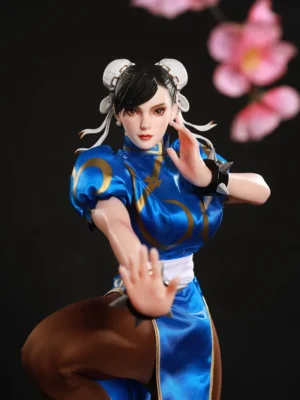
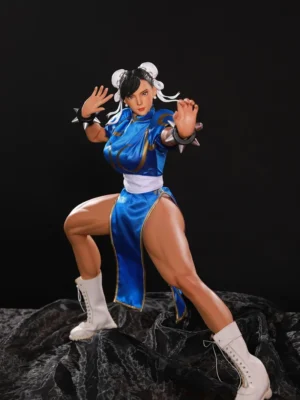
- Garage kits and resin statues often emphasise sharp sculpting, smaller production runs and substantial visual presence. Resin can hold fine detail well, although narrow parts need careful handling because the material can chip or break.
- Large soft-body character figures
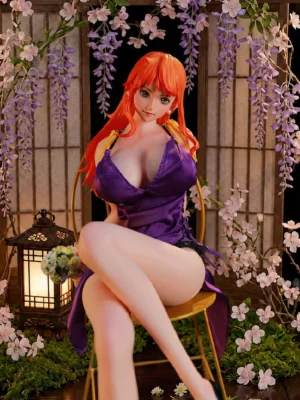
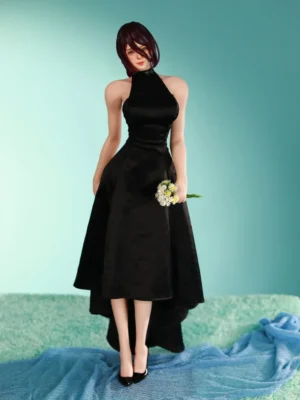
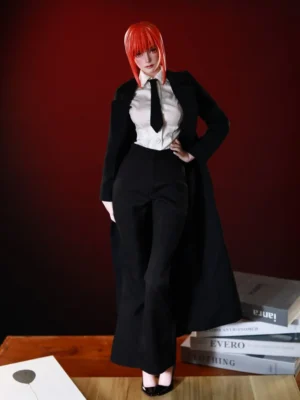
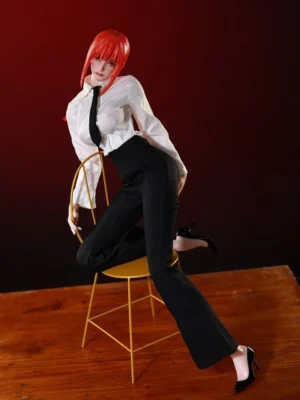
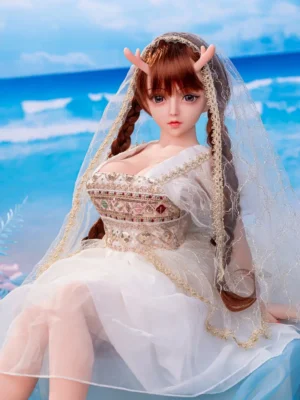
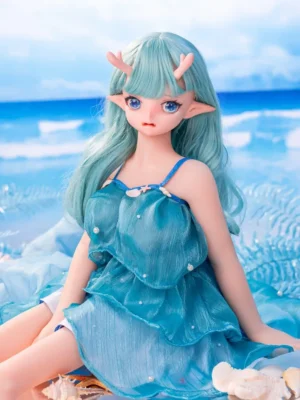
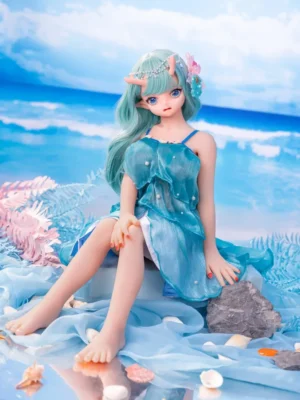
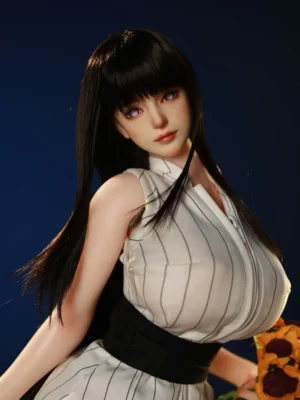
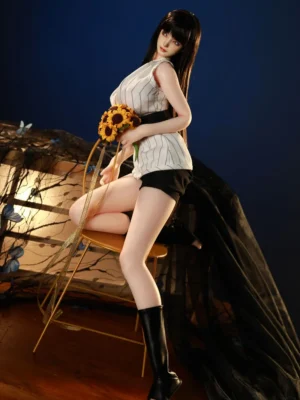
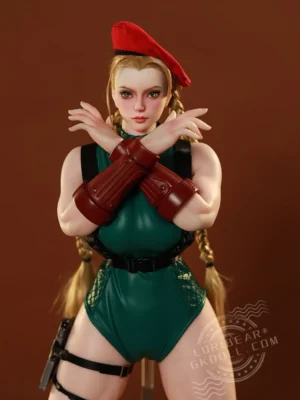
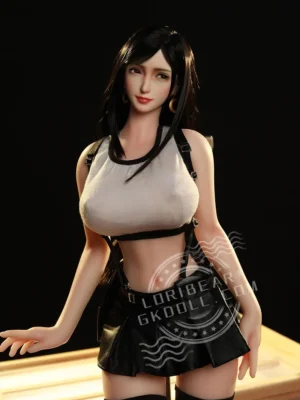
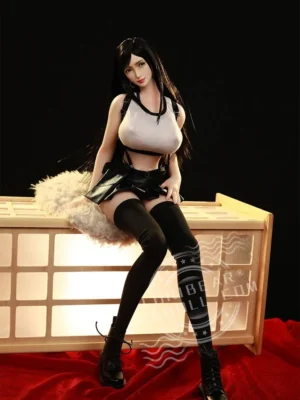
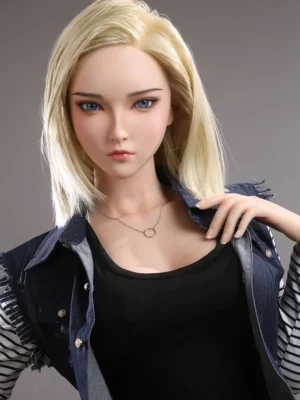
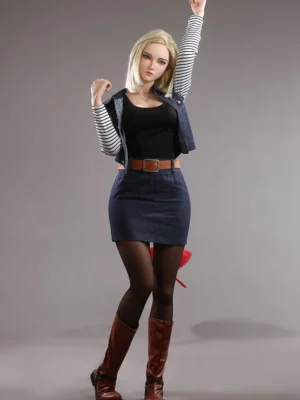
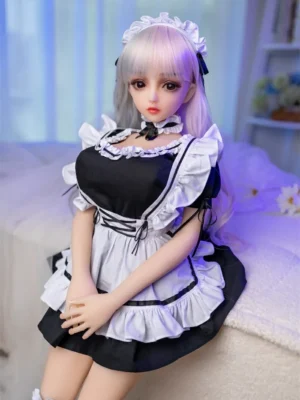
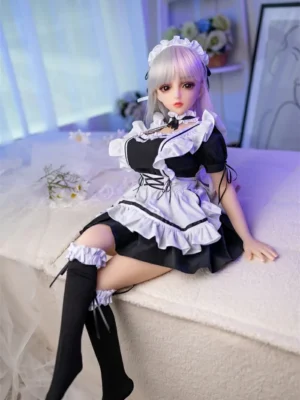
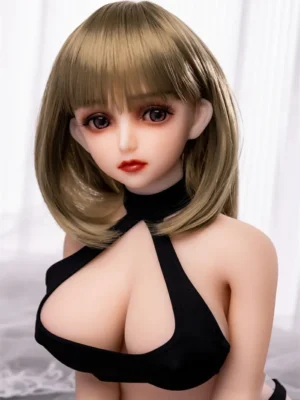
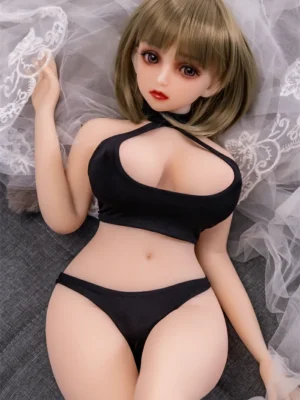
- Large soft-body character figures use silicone or other flexible materials to create a different sense of presence. They can combine character styling, clothing, posing and tactile interaction in ways that conventional rigid figures do not.
No format automatically outranks another. A prize figure can capture a favourite expression perfectly, while an expensive statue can still feel wrong if the pose does not represent the character you remember.
Scale should be translated into real dimensions
A scale ratio becomes useful only when you connect it to the character’s intended proportions and the actual pose. A crouching 1/4 figure may stand lower than a 1/6 figure while using far more shelf depth.
Therefore, check the published height, width, depth and base footprint. These measurements describe the space you actually need much better than the scale label alone.
Hair, weapons, flowing coats and effect parts can increase the required clearance further. A sword may extend beyond the shoulders, while long hair can add significant depth behind the body.
The display case opening matters too. A figure may fit comfortably inside the cabinet once positioned, yet still prove impossible to angle through a narrow door.
Before ordering a large piece, measure both the interior and the access route. This simple step prevents many display problems that only become obvious after delivery.
Materials create different strengths and weaknesses
Material affects weight, surface detail, flexibility and maintenance. For that reason, two figures with similar designs can require very different handling.
PVC supports detailed mass production and gives thin parts a small amount of flexibility. Manufacturers often use it for hair, clothing and fixed-pose bodies because it balances detail with practical durability.
ABS provides harder structure. It commonly appears in joints, weapons, bases and other areas that need more rigidity.
Resin can reproduce crisp sculpted detail and gives a statue substantial weight. However, that same hardness makes thin hair strands, fingers and decorative parts more vulnerable to impact.
Silicone creates a softer surface and a different type of body presence. At the same time, it needs protection from dust, fabric dye and incompatible contact materials.
Many Japanese figurines combine several materials. Therefore, handle the figure according to its most vulnerable section rather than its strongest one. A solid base cannot protect a thin hair strand, and a strong internal structure does not make every soft surface resistant to pressure.
Articulation should serve the character
More joints do not automatically create a better figure. Articulation only adds value when it helps the character move naturally.
Visible cuts can interrupt anatomy, clothing lines and smooth skin surfaces. By contrast, hidden or carefully shaped joints preserve appearance more effectively, although they may reduce the available range.
Before choosing an articulated figure, decide which poses matter most. A neutral standing pose requires far less joint range than a crouching attack, two-handed weapon pose or seated scene.
Check the shoulders, hips, knees and ankles as a complete system. One flexible joint cannot compensate for another area that blocks the pose.
When a joint feels unusually stiff, follow the manufacturer’s instructions before trying to loosen it. Never force movement through a thin wrist, ankle or accessory. Instead, support the joint close to its connection and move it gradually.
Good articulation should make the character easier to express. It should not turn posing into a constant fight against the figure.
Authenticity is checked through consistency
No single detail proves authenticity on its own. Instead, compare several parts of the release and look for consistency between them.
Check the manufacturer name, product code, copyright line, box printing, sculpt details and included accessories. Reliable release photographs provide a useful reference for comparison.
Counterfeit warning signs can include blurred printing, misspelled names, rough paint boundaries, unusual facial proportions and a strong chemical odour. An unexplained price far below the normal market also deserves closer inspection.
However, a missing box does not automatically mean that a used figure is counterfeit. Collectors often discard packaging or sell loose pieces later.
In that situation, ask for clear photographs of the face, base markings, joints and accessories. Small sculpting details often provide more useful evidence than one distant photograph of the entire figure.
Also compare the paint placement. Eyes, eyebrows and costume lines should match the known release rather than simply resemble the character in general.
Condition is more than visible breakage
A figure can remain complete while still showing signs of ageing or poor storage. Therefore, condition checks should go beyond cracks and missing parts.
Look for paint transfer, sun fading, yellowing, sticky surfaces, leaning ankles and loose joints. Stress whitening around pegs can reveal repeated pressure even when the part has not broken yet.
Older PVC figures may develop surface changes over time. Likewise, sealed packaging does not stop heat, light or material ageing.
A box mainly protects against dust, handling and some physical damage. It does not create a perfect environment inside.
Before cleaning a used figure, photograph every flaw. Then remove loose dust with a soft brush before trying any other method.
Avoid alcohol or aggressive household cleaners unless the manufacturer specifically approves them. Strong cleaners can remove paint, change surface gloss or damage softer materials.
Display turns separate figures into a collection
A shelf becomes more interesting when the figures relate to one another rather than simply occupy available space.
You can organise a collection by series, character relationship, colour, scale or story. Each method creates a different visual rhythm.
For example, figures from one anime can form a narrative group. Meanwhile, characters from several series can still work together when similar colours or poses connect them visually.
Give larger or visually dense figures enough negative space. This prevents long hair, weapons and dramatic costumes from blending into neighbouring pieces.
Stable risers can help smaller figures remain visible behind taller ones. Sealed cabinets also reduce dust, although they still need enough airflow and safe internal temperature.
Light deserves particular attention. Direct sunlight can fade paint and packaging over time, while hot spotlights can raise the temperature around delicate materials.
Heavy statues need level shelves that can support their weight. In areas where vibration or earthquakes create extra risk, discreet supports can improve stability without permanently attaching adhesive to vulnerable painted surfaces.
Character tension gives a figure emotional value
Technical quality matters, but collectors usually remember a figure because the character still feels present after the sculpt and paint have become familiar.
Some of the strongest characters create tension between appearance and personality. A calm face may hide danger, while an ordinary outfit can make a later reveal feel more powerful.
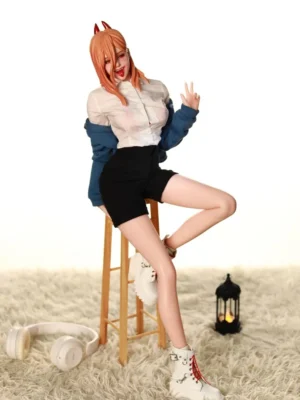
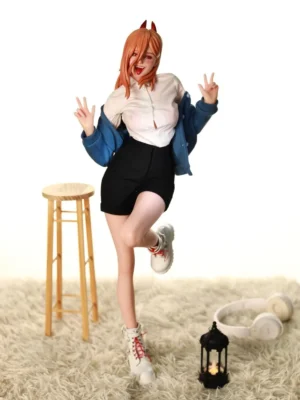
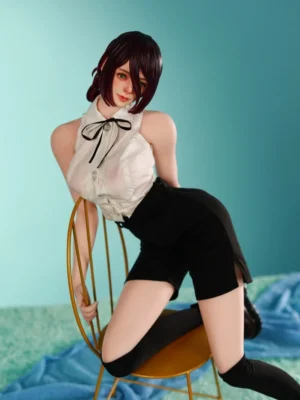
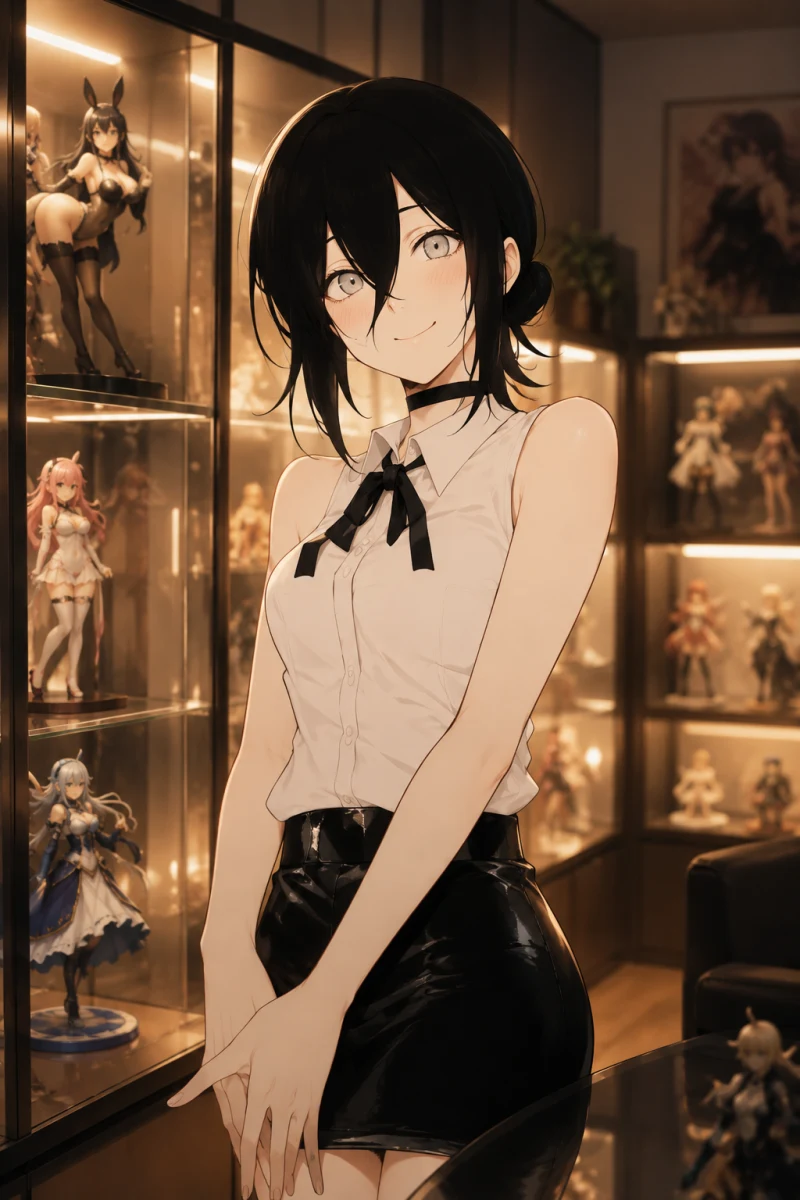
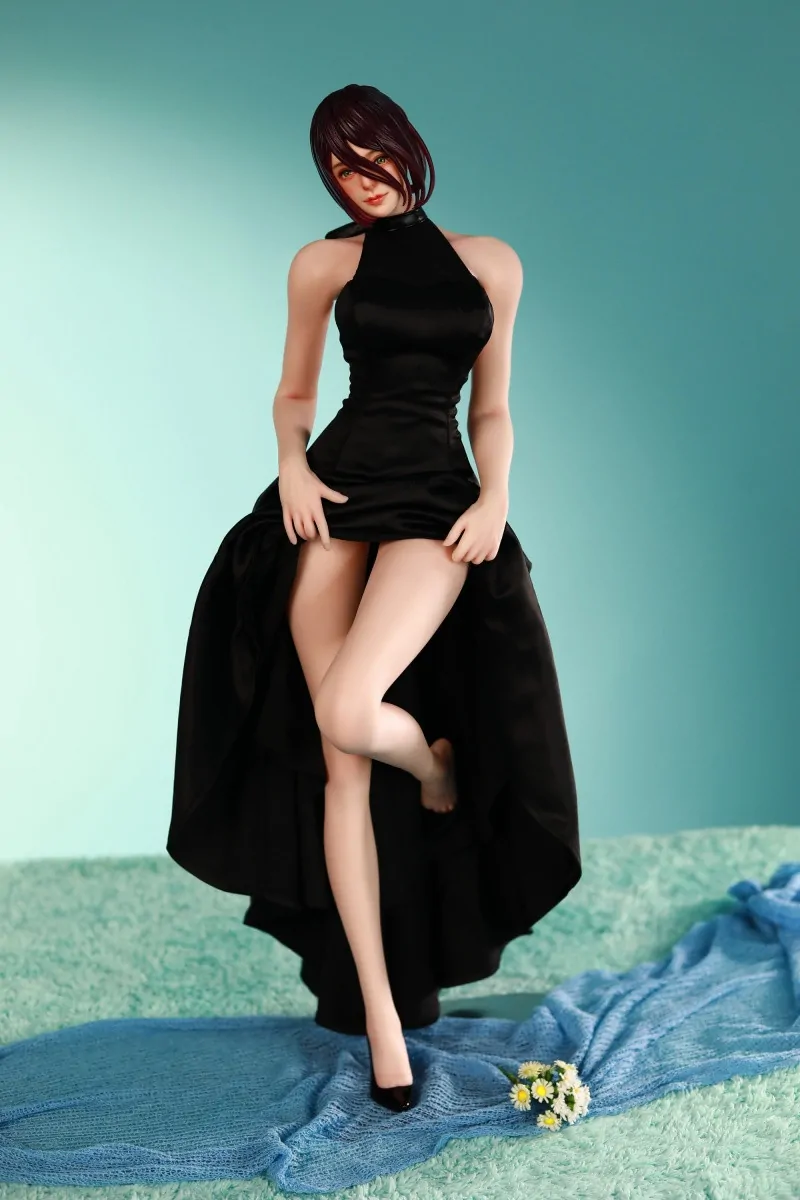
Reze from Chainsaw Man carries that contrast particularly well. Her softer expression and familiar clothing can feel approachable, yet the character’s hidden danger gives those same visual details a completely different meaning once the viewer knows her story.
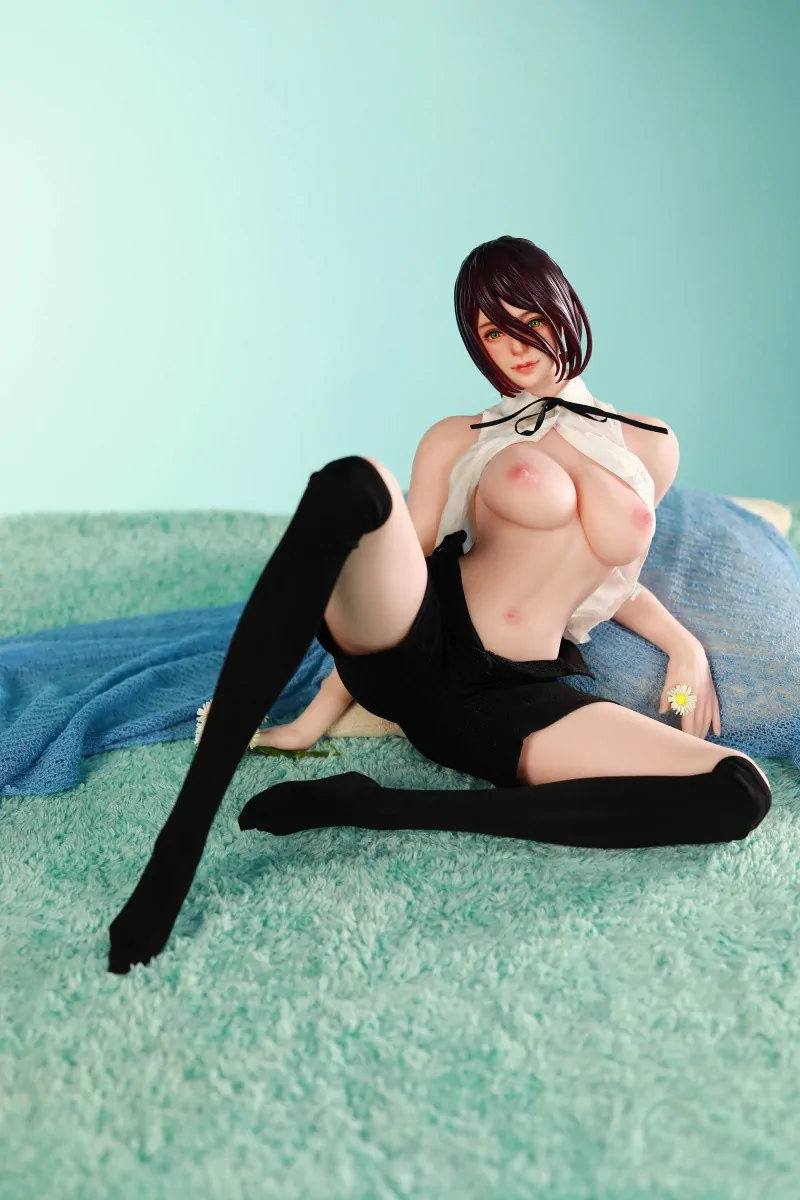
The Chainsaw Man Reze figure translates that tension into a larger silicone character format. Rather than relying only on a dramatic battle pose, the design can use the face, clothing and body presentation to preserve the quieter side of Reze that makes her later actions more memorable.
That is where character collecting becomes more personal. The figure does not simply reproduce a costume from the screen. It gives the collector a physical version of the particular Reze they remember: calm on the surface, but connected to a much more dangerous story underneath.
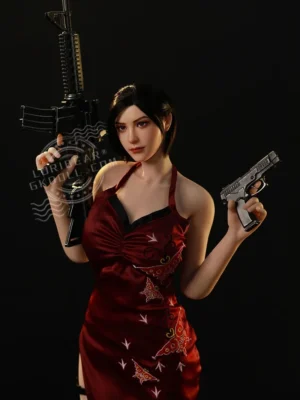
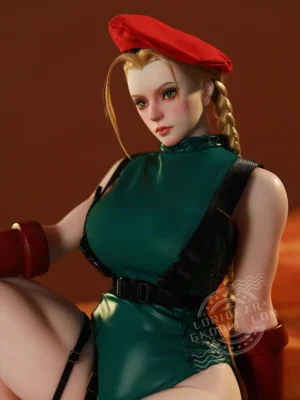
The Anime Doll Brands & Series reference maps related series, formats and character lines. The LORIBEAR shop brings these anime- and game-inspired character designs together, allowing collectors to explore how different faces, costumes and materials translate familiar characters into physical form.
Japanese figurine questions
Are all Japanese figurines anime characters?
No. Japanese figurines also include traditional subjects, mascots, game characters, robots, animals and decorative art. Modern anime figures represent only one part of a much wider collecting culture.
What is the difference between a prize figure and a scale figure?
Prize figures generally focus on affordability and straightforward display. Scale figures usually follow a stated ratio and often include more elaborate sculpting, paint and packaging.
Does an unopened box guarantee perfect condition?
No. Heat, sunlight, ageing and material changes can affect a figure even while the box remains sealed. Inspect both the packaging and the internal condition whenever possible.
Why do PVC figures begin to lean?
Heat, gravity, an unbalanced pose and weak load-bearing areas can slowly change the position. Ankles and narrow supports often experience the greatest stress.
Is resin always better than PVC?
No. Resin can provide sharp detail and substantial weight, while PVC offers more flexibility and practical durability. The better material depends on the design and how you plan to handle the figure.
Museum context
The Victoria and Albert Museum’s Japan collection places contemporary design alongside sculpture, ceramics, textiles and other Japanese material culture, showing the much wider history behind modern character collecting.