T Shirts with Anime: Fit, Prints and Authentic Design

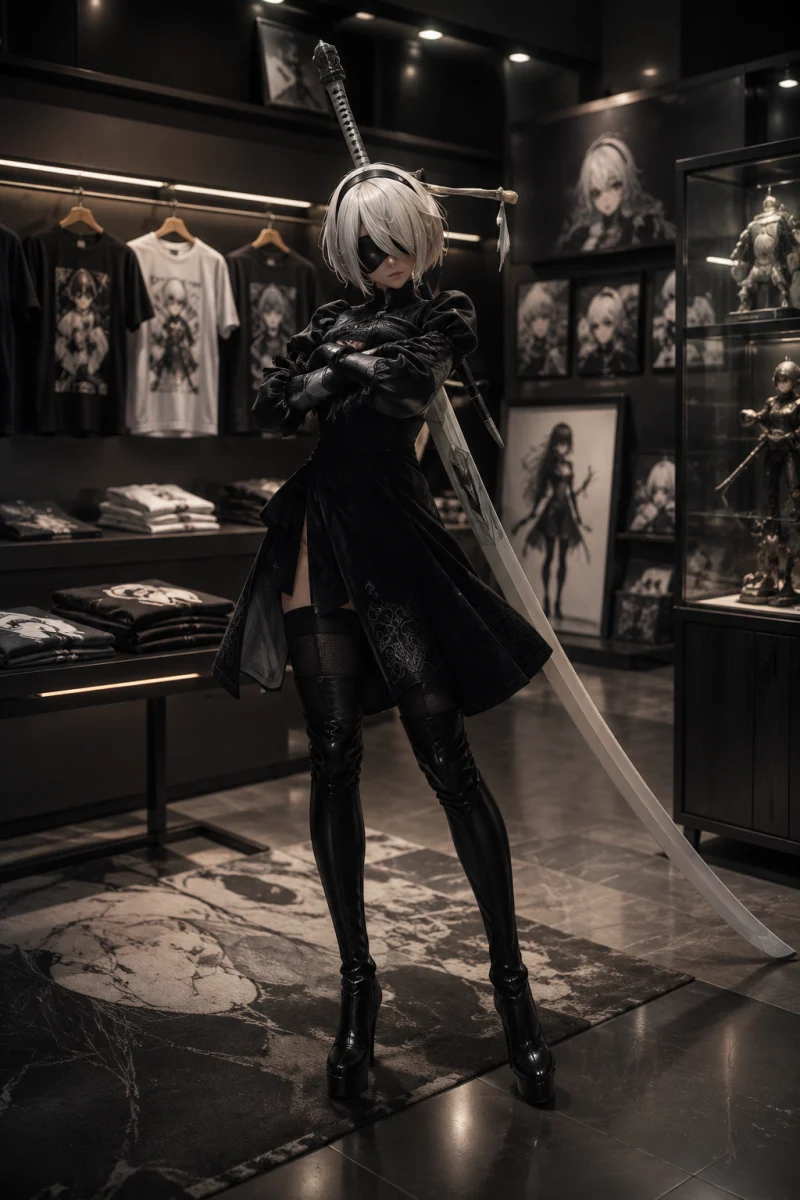
T shirts with anime bring favourite characters into everyday clothing. They let fans show an interest without keeping that expression inside a display room.
A good anime T-shirt must succeed as both clothing and character merchandise. The artwork needs to stay clear and recognisable. At the same time, the shirt must feel comfortable and hold its shape after washing.
A large character print cannot rescue poor fabric or weak stitching. Likewise, a premium shirt may still disappoint if the artwork looks faded or badly positioned.
Some fans prefer bold graphics that immediately reveal the series. Others choose small symbols that only another fan may recognise. Both approaches can work well.
The better choice depends on where you plan to wear the shirt. Fit, fabric, print quality and artwork placement all deserve attention before buying.
Start with garment measurements, not the size letter
Size labels often create confusion because brands use different measurements. A medium from one manufacturer may fit like a large from another.
Instead, take a T-shirt that already fits well and lay it flat. Measure its chest width, body length and shoulder width. Then compare those numbers with the seller’s size chart.
This method gives you a much stronger reference than the letters S, M or L. It also helps when comparing unisex, men’s and women’s cuts.
The shoulder shape affects the final appearance too. Dropped shoulders create a relaxed streetwear look. Narrow shoulders usually produce a cleaner and more fitted silhouette.
Oversized shirts also need enough body length. Extra width without enough length can make the garment look incorrectly sized rather than intentionally loose.
Anime graphics make these fit differences even more noticeable. A tight shirt may stretch a character’s face across the chest. That distortion can change the eyes, mouth and overall expression.
Before ordering, check the seller’s measuring method carefully. Always compare like-for-like measurements rather than relying on the size name alone.
Fabric controls comfort and print behaviour
Artwork attracts attention first, but fabric determines how often you will actually wear the shirt.
Cotton feels familiar, breathable and soft against the skin. It also works with many common printing methods.
Polyester behaves differently. It resists wrinkles and dries quickly. Manufacturers often choose it for sublimation because the dye can bond with the fibres.
Blended fabrics combine several useful qualities. A cotton-polyester blend may keep its shape better while remaining comfortable for daily wear.
Fabric weight does not tell the whole story
Manufacturers often describe fabric density in grams per square metre. A higher number usually means a denser fabric, but it does not guarantee softness.
A lighter shirt can work well during warm weather. A heavier shirt may create a stronger streetwear shape and support a large graphic more effectively.
When possible, look beyond the fabric description. Check the collar, shoulder tape, hem and stitching in close-up photographs.
The collar should return to shape after stretching. Seams should also remain straight rather than twisting around the body after washing.
A strong anime T-shirt combines good artwork with solid garment construction. Neither part should feel like an afterthought.
Print method changes texture and durability
The same character artwork can look very different across several printing methods. Each process changes colour, texture and long-term wear.
- Screen printing: works especially well with bold colours, manga line art and strong graphic shapes. The ink may create a slightly raised texture.
- Direct-to-garment printing: handles detailed artwork and soft colour transitions well. Print quality depends heavily on preparation, ink and curing.
- Heat transfer: can produce sharp images and detailed character graphics. Some transfers create a noticeable film over the fabric.
- Sublimation: works especially well on compatible polyester. The dye enters the fibres instead of forming a thick surface layer.
- Embroidery: suits logos, symbols and small character details. Large embroidered graphics may feel heavy and stiff.
No method wins in every situation. The artwork itself should guide the choice.
Bold manga-style line art may suit screen printing. Complex illustrations with many colours may need a method that handles gradients more naturally.
Look closely at the product photography before buying. Digital mock-ups show placement, but they rarely reveal the true texture.
Actual garment photographs can show colour density, print edges and surface finish much more clearly.
Artwork should work on a moving body
A T-shirt does not remain flat once someone wears it. Fabric bends around the chest, shoulders, waist and arms.
That movement can change how character artwork appears. A design may look perfectly centred on a product mock-up but awkward on the body.
Faces need particular care. The eyes should sit far enough from seams and strong stretch areas. Otherwise, normal movement can distort the expression.
Large back graphics usually have more uninterrupted space. This makes them suitable for full-body characters and complex illustrations.
Small chest graphics create a very different effect. They offer a quieter reference that another fan may recognise immediately.
Contrast keeps character details visible
Garment colour also changes the artwork. Dark hair may disappear into black fabric without enough separation.
Pale clothing can lose detail against cream or white fabric. Strong contrast helps important character features remain visible from a normal viewing distance.
Whenever possible, look for photographs of someone wearing the finished shirt. These images show scale and placement more accurately than flat mock-ups.
They also reveal whether the artwork follows the body naturally instead of fighting against the garment shape.
Authenticity involves more than a logo
Official anime collaborations usually identify the series, manufacturer or licensing partner. Buyers can often find this information on labels or product pages.
Licensed merchandise also tends to use approved character artwork and consistent branding. However, buyers should still inspect the complete product presentation.
Check the seller, labels, copyright details and print quality together. Do not rely on the word “official” by itself.
Low-resolution images often reveal poor copies quickly. Incorrect colours, awkward cropping and missing artwork details can also raise concerns.
Price deserves attention as well. A surprisingly low price does not automatically prove anything, but it should encourage closer inspection.
Fan art belongs to a different category
Independent artists also create excellent anime clothing. These designs may offer interpretations that official merchandise never explores.
The important issue is transparency. Sellers should describe fan-created work accurately rather than presenting it as licensed merchandise.
This distinction allows buyers to choose what matters to them. Some collectors want an official collaboration. Others prefer unusual artist interpretations.
Both can have value when the seller clearly explains what the buyer will receive.
Care begins before the first wash
Good care can greatly extend the useful life of an anime T-shirt. Start by reading the garment label before the first wash.
Turn the shirt inside out before washing. This reduces direct friction against the printed surface.
Cooler water also places less stress on many inks and transfers. A mild detergent usually provides enough cleaning for normal wear.
Avoid unnecessary dryer heat whenever possible. High temperatures can weaken some surface prints and increase cracking over time.
Thick transfers need particular care because the printed layer bends with the fabric. Repeated heat and stretching can eventually damage that layer.
Protect the artwork during storage
Do not place a hot iron directly over printed artwork. Follow the care label and work from the reverse side when appropriate.
Air-dry the garment away from intense sunlight when possible. Strong sunlight can gradually reduce the intensity of both fabric and print colours.
Store shirts only after they become completely dry. Moisture can create unwanted odours and damage fabric during long storage.
Avoid placing the same tight fold across a thick print every time. Repeated pressure can eventually leave a permanent crease.
These habits matter even more when a shirt becomes difficult to replace after a collaboration ends.
Build a wardrobe around how you express fandom
Not every anime T-shirt needs to make the same statement. Different designs can serve different parts of everyday life.
A large character portrait may suit conventions, weekends and casual events. A small emblem may work better while travelling or meeting friends.
Collectors can also organise shirts by series, character or colour. This makes the wardrobe easier to use and reduces unnecessary duplicate purchases.
Keeping basic measurements also helps when returning to the same brand. You quickly learn which cuts fit correctly and which ones run too short.
Photographs can help with collection management too. They create a simple visual record and provide useful information if you later sell a shirt.
When a character moves beyond printed clothing
Anime clothing lets a character travel with you. A figure creates a very different relationship because the character stays inside your personal space.
This contrast becomes especially clear with characters that rely on a strong silhouette. 2B offers a good example.
Her visual identity depends on several instantly recognisable elements. Her white hair, blindfold and fitted black outfit create a striking monochrome appearance.
Those features translate naturally onto anime clothing. However, a printed image can only reproduce them on a flat surface.
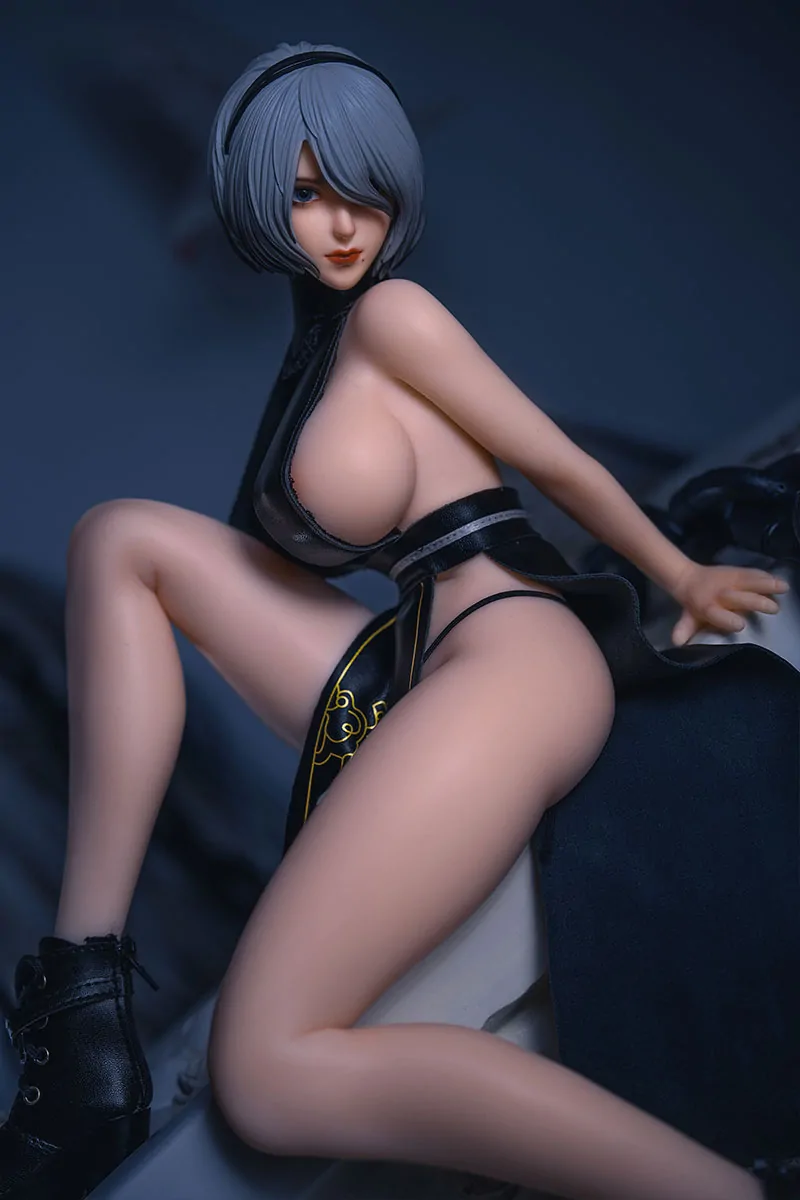
A three-dimensional figure adds body shape, posture and physical depth. Clothing details also become far easier to appreciate from different viewing angles.
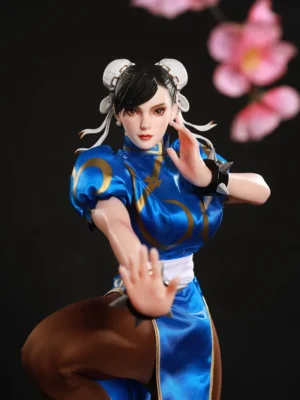
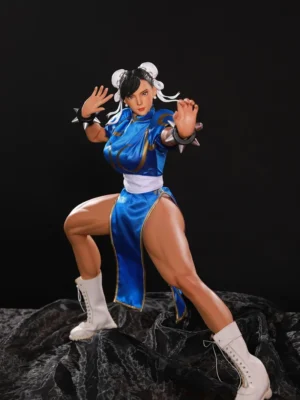
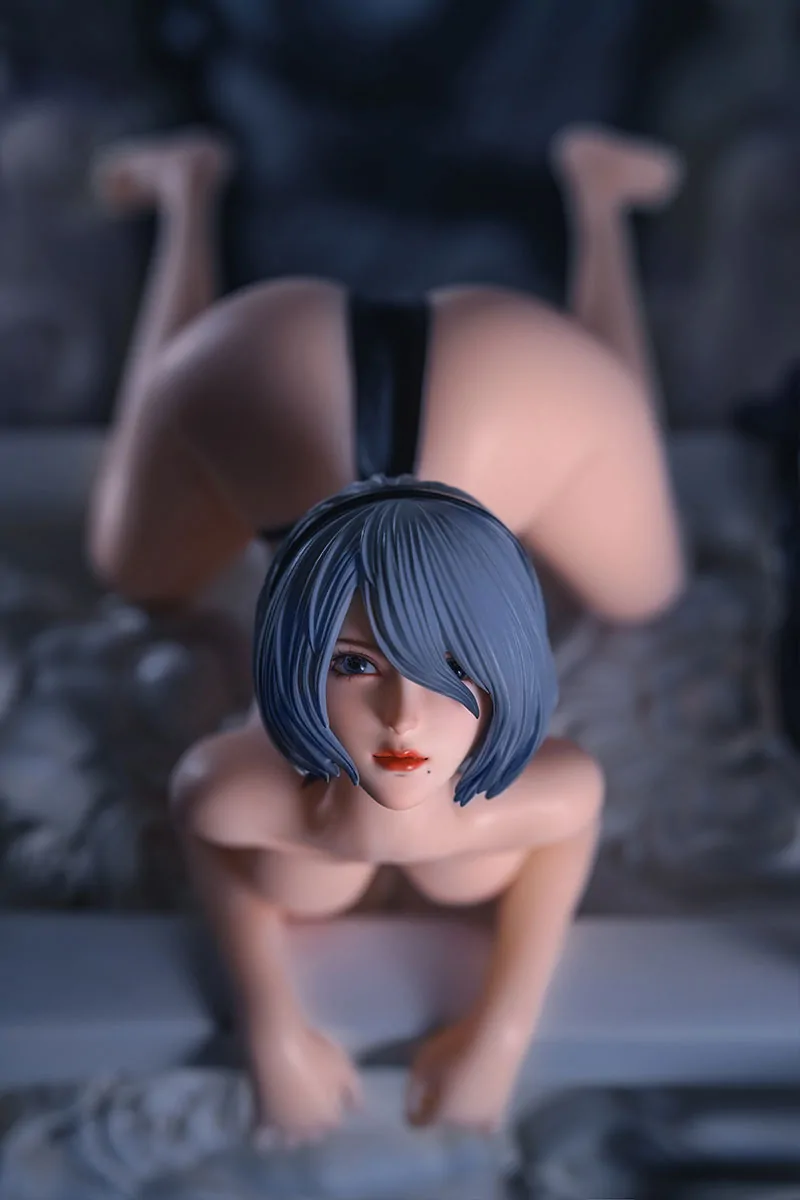
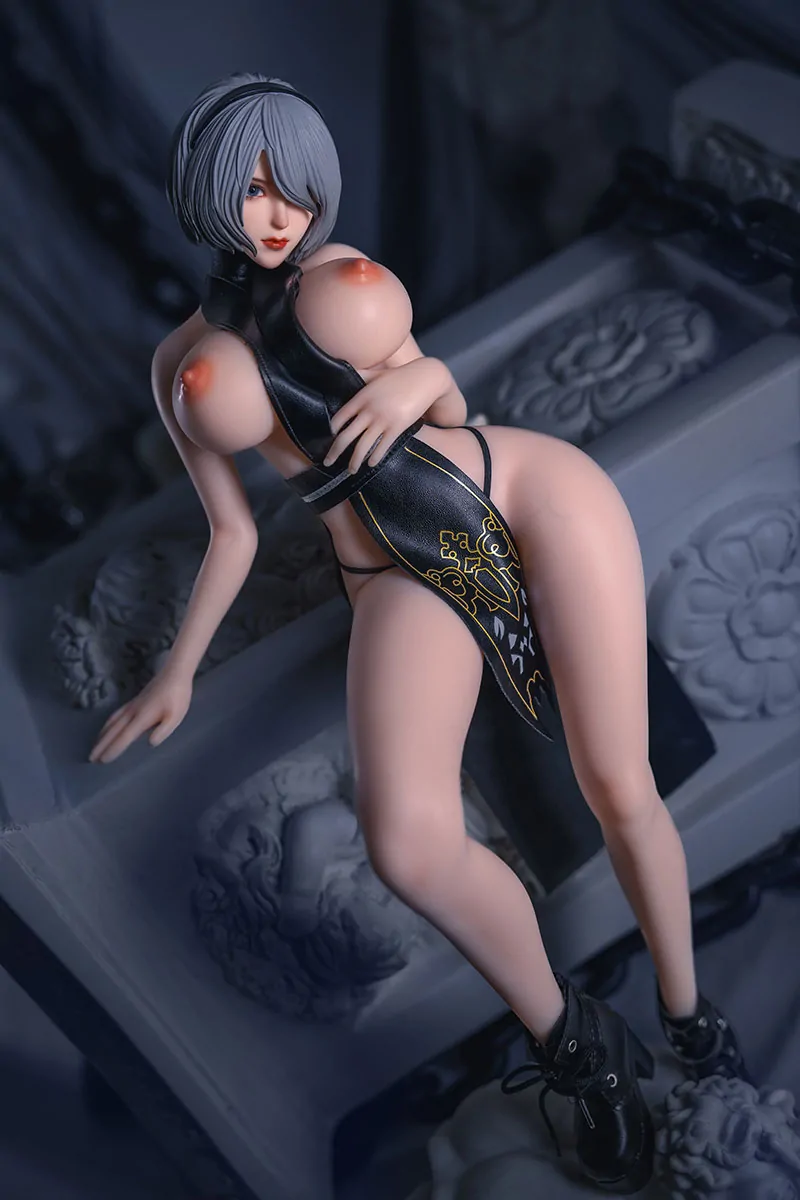
For a collector who already enjoys 2B artwork, the 2B figure offers a much stronger way to bring that visual identity into the room. The figure carries her signature black-and-white appearance into a larger physical format. Instead of seeing 2B only as artwork across a T-shirt, collectors can give the character a dedicated place within their display.
This makes the transition from wearable merchandise feel natural. A favourite character no longer appears only when you put on a shirt. She becomes part of the collection you see every day.
Connecting clothing with a wider anime collection
T-shirts, figures, books and other character goods can all express the same interest in different ways. Clothing keeps the connection personal and portable. Display pieces give it a permanent place at home.
The Anime Figures & Collectibles reference brings these different forms of collecting together. It helps collectors explore how character merchandise can extend beyond one product type.
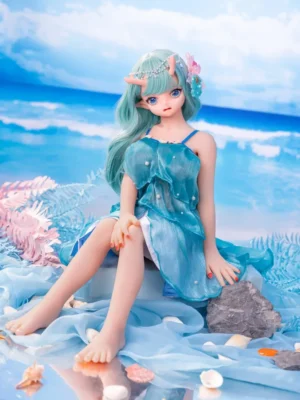
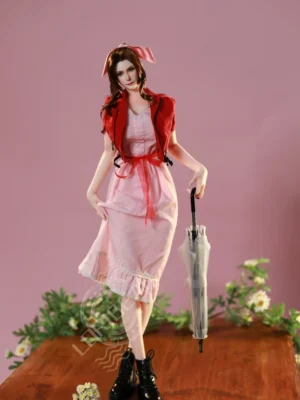
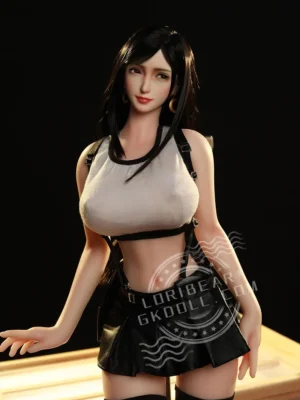
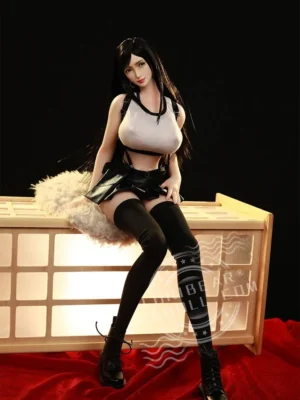
The LORIBEAR shop continues that idea through anime- and game-inspired character designs. Collectors can explore familiar faces, costumes and visual styles in three-dimensional form. It offers a natural next destination for anyone who wants to move beyond printed artwork and give favourite characters a stronger physical presence.
Anime T-shirt questions
How should an anime T-shirt size be chosen online?
Measure a shirt that already fits well and compare the flat measurements with the seller’s chart. Focus on chest width, length and shoulders.
Which print method lasts longest?
No single method always lasts longest. Fabric, ink quality, curing and washing habits all influence durability.
Good screen printing can last for years with proper care. Sublimation also offers strong durability on compatible polyester.
How can an official anime shirt be recognised?
Check for a named series, rights holder or licensing partner. Also inspect labels, seller information and photographs of the finished garment.
Why does a print crack after washing?
Heat, stretching and aggressive drying can weaken surface prints. Poor curing during production can also cause early cracking.
Wash the shirt inside out and follow the care label. Avoid excessive heat whenever possible.
Official collection example
UNIQLO’s UT Manga & Anime collection shows how established collaborations present named series and character artwork.
It also provides a useful comparison point for buyers. You can see how licensed collections identify their source material, garment format and design direction.