- Chainsaw Man
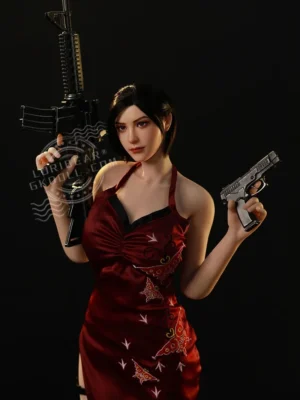
- Resident Evil
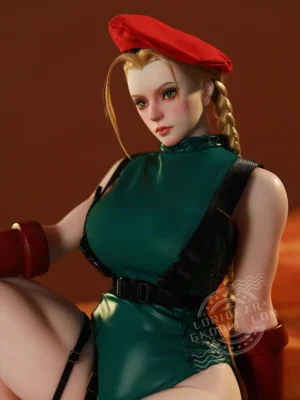
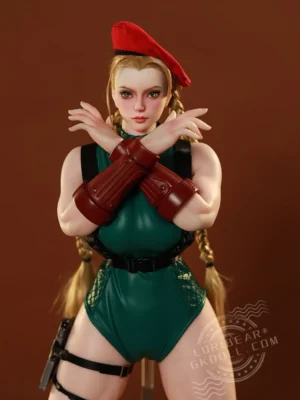
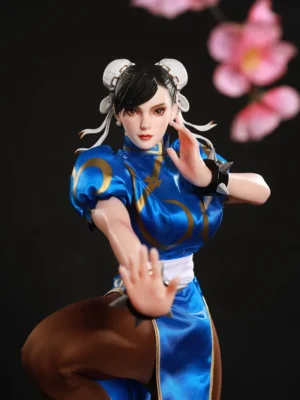
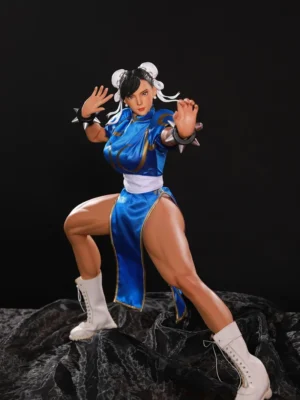
- Street Fighter
- Spy x Family Figures
- Azur Lane
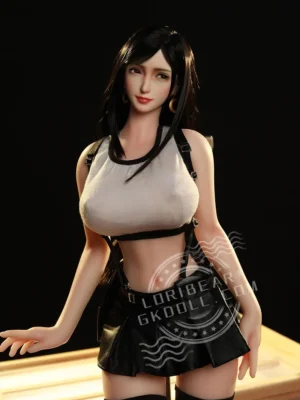
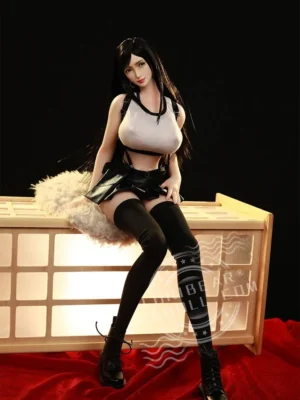
- Final Fantasy
- Dragon Ball
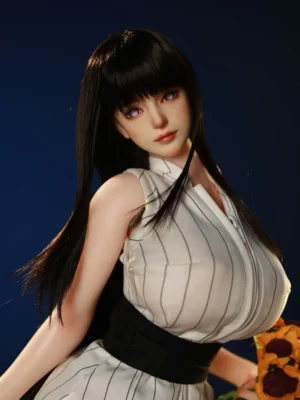
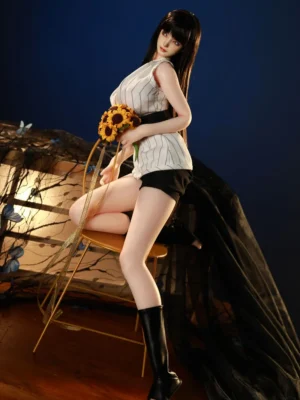
- Naruto
- Neon Genesis Evangelion
- Nier: Automata
- Kuroinu Figures | Olga Discordia Dark Elf
- Queen Pharnelis-Goblin
- Non Virgin Bunny Girl
- Prison School
- The King of Fighters
- One Piece
- Figure Heads & Accessories
How to Pose a Goku Action Figure Without Losing Balance

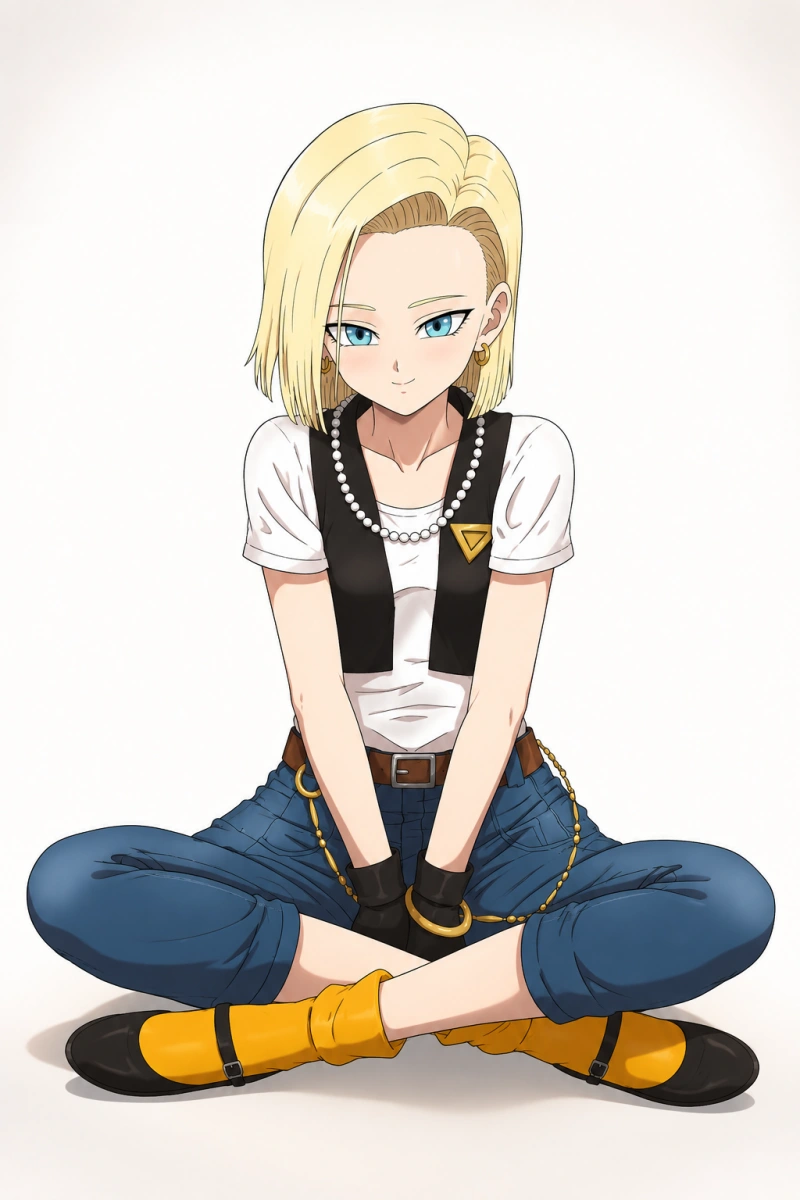
Learning how to pose a Goku action figure starts with balance, direction and character intent rather than simply bending every available joint. Goku is rarely remembered in a neutral stance. His strongest visual moments come from forward pressure, planted feet, a twisting waist, raised fists and the unmistakable feeling that the next movement is already beginning.
A convincing pose should therefore answer one simple question: what is Goku doing at this exact moment? Once that action is clear, the feet, knees, hips, torso, shoulders, hands and expression can all support the same idea. Building the pose from the ground upward also keeps the figure mechanically comfortable instead of creating an impressive upper body that the legs cannot balance.
The goal is not maximum articulation. A restrained pose with a clear line of force usually looks more powerful than an extreme arrangement where every joint approaches its limit.
Decide what happens in the pose before moving the joints
Start with one action. Goku might be advancing toward an opponent, bracing for impact, preparing an energy attack, recovering after a strike or standing calmly before a fight. Each choice creates a different body line.
An advancing pose usually pushes the chest slightly forward and sends the eyes toward the target. A defensive stance lowers the centre of gravity and keeps the arms closer to the body. An energy-gathering pose transfers most of the visual tension into the hips and legs while the hands open around the imagined attack.
Use anime frames, manga panels or game artwork as references, but translate them into the actual mechanics of the figure rather than copying them literally. Animation can stretch anatomy, compress perspective and ignore gravity for dramatic effect.
If a reference requires a shoulder angle or spinal bend that the figure cannot reproduce naturally, preserve the silhouette and emotional direction instead. The pose only needs to communicate the same moment; it does not need to duplicate every impossible line.
Build stability from the feet upward
The feet establish whether the rest of the pose feels grounded. A stable rear foot can carry much of the weight, while a forward foot creates direction and prepares the body for movement.
For a guard stance, stagger the feet rather than placing them on one flat horizontal line. A slight bend through the knees lowers the body and immediately makes the stance feel less like a mannequin.
A raised heel can suggest acceleration, but raising both heels usually reduces stability considerably. When the action requires that much forward motion, a dedicated display stand becomes the better solution.
Check the pose from both the front and side. From the front, the head and torso should generally remain above the area supported by the feet. From the side, a strong forward lean needs a forward foot, counterbalancing rear leg or external stand.
Hair, effect parts and extended arms may look visually light, but they still shift the physical balance of the figure.
| Pose type | Stable starting point | Common visual problem |
|---|---|---|
| Guard stance | Staggered feet with lightly bent knees | Elbows spread too far from the torso |
| Forward punch | Rear leg supports the hip rotation | Torso extends beyond the front foot |
| Energy attack | Wide stable base with centred hips | Effect part overloads the wrists |
| Airborne kick | Support at the pelvis or designated stand point | Clamp or stand remains visually obvious |
Knees and hips should create the power
Goku’s strongest poses rarely begin in the shoulders. The impression of power usually travels from the floor through the legs and hips before reaching the torso and arms.
Bend the knees slightly and rotate the thighs from the hips so the kneecaps follow the same general direction as the toes. When the foot points outward but the knee collapses inward, the figure loses both visual strength and natural alignment.
The pelvis determines whether a strike looks connected to the rest of the body. A small hip rotation can make a punch feel much more powerful because the viewer sees force travelling from the rear leg through the waist and into the shoulder.
Avoid over-rotating simply because the joint allows more movement. Excessive twisting can expose articulation gaps, distort sculpted clothing or make the upper and lower body feel disconnected.
Make small adjustments and view the entire silhouette after each one. The best hip position is the one that strengthens the action while keeping the figure visually coherent.
 Use the torso to connect the legs and arms
The torso should continue the movement established below it. A modest forward chest angle works well for aggressive poses, while a slight backward shift can suggest charging energy or preparing to evade an attack.
Combine a small waist rotation with a restrained chest tilt instead of pushing every torso joint to its maximum. This creates a more natural curve and prevents the body from looking mechanically segmented.
Use clothing lines as an alignment guide. A belt, sash, shirt fold or chest symbol can reveal when the torso has been twisted far enough that the sculpt begins to look distorted.
Check the pose from the side as well as the intended display angle. A figure can look excellent from the front yet appear unnaturally broken through the abdomen when viewed from slightly off-axis.
A strong Goku pose should remain believable from several nearby angles even when one direction remains the primary viewing position.
Shoulders, elbows and wrists complete the attack line
Once the lower body and torso feel stable, the arms can finish the gesture. Raise the shoulders only as much as the action requires.
A forward punch becomes more convincing when the opposite arm protects the torso. Two-handed energy poses work better when both shoulders share the reach instead of one arm extending much farther than the other.
Keep a slight bend at the elbows unless the pose deliberately captures the instant of full extension. Completely straight arms often look rigid and can place unnecessary leverage on smaller wrist joints.
Hand choice should also match the narrative. A closed fist communicates impact, while an open palm suggests energy control, preparation or restraint.
When changing hands, support the connection near the wrist and use straight, controlled pressure. Pulling from fingertips gives very small parts more leverage than they were designed to carry.
Expression should point toward the same opponent as the body
The face can completely change the meaning of the pose. A relaxed expression with an aggressive striking stance may feel disconnected unless the contrast is deliberate.
Choose the face plate after establishing the action. A focused expression works well for a guarded stance, while a more intense face can support a finishing attack or forward rush.
The eyes should follow the imagined opponent or energy direction. If Goku’s hands aim toward one side of the shelf while his gaze points somewhere else, the action immediately loses clarity.
Small changes to head angle can also affect personality. Tilting the chin slightly downward can create concentration, while a raised chin can make the same body pose feel more confident.
With S.H.Figuarts Goku and DBZ S.H.Figuarts Goku figures that include several face plates, the expression often makes a bigger difference than another five degrees of joint movement.
Super Saiyan hair creates a new balance problem
Transformation heads can change the physical balance of a figure even when the body pose remains identical. Super Saiyan hair often extends farther upward and backward than base-form hair, shifting weight away from the centre of the feet.
After replacing the head, test the figure again on a low, protected surface. A stance that felt stable with one hairstyle may begin leaning once a larger hair sculpt is installed.
Move the rear foot slightly, reduce the torso lean or introduce a support stand before placing the figure on a high shelf.
Transformation options should therefore be treated as complete new configurations rather than decorative swaps. Head, hair, face, hands and effect parts all influence the final balance.
 Give large energy effects their own support
Energy effects can transform a simple pose into an immediately recognisable Dragon Ball moment, but their weight should not depend entirely on a small wrist connection.
Where possible, use an independent clear stand and position it behind the torso, arm or another solid part from the main viewing angle.
The hands can then guide the visual direction of the effect while the support carries most of the physical load.
For Kamehameha-style poses, keep both hands aligned with the attack direction and check that the shoulders do not twist simply to accommodate the effect part.
Clear support arms should grip structurally appropriate areas such as the torso, waist or a purpose-designed connection rather than delicate costume edges.
The National Park Service’s museum collections handbook discusses appropriate support, handling and storage as fundamental collection-care principles. The same idea scales down neatly to articulated collectibles: support the object where the structure can carry the load instead of forcing a fragile detail to do the job.
Hide the stand from the primary viewing angle
A support stand is not a failure of posing. It is often what allows a much stronger action pose to remain stable for longer.
The key is to integrate it visually. Position the arm behind the waist or torso, then rotate the figure and camera angle until most of the support disappears naturally behind the silhouette.
Clear stands work especially well against lighter or visually complex backgrounds because the eye focuses on Goku before noticing the support.
For shelf display, the stand can remain slightly more visible than it would in photography. Stability should take priority over hiding every mechanical component.
Test a new pose before moving it onto the final shelf
Leave the figure at desk height for several hours after creating a new pose. This gives ankles, hips, support arms and effect connections time to reveal gradual movement.
Check whether the torso begins leaning, one ankle slowly rotates or an effect part pulls the wrists out of alignment.
A light tap on the table can also reveal whether the figure rocks excessively. The goal is not to reproduce an earthquake, only to identify a pose that is already close to losing balance.
If the figure drifts, simplify the reach, widen the stance slightly or introduce stronger support before displaying it at height.
Photograph successful poses from several angles before dismantling them. Those images make it much easier to rebuild a favourite arrangement after cleaning.
Use posing to create relationships between Dragon Ball characters
A solo Goku pose can suggest an unseen opponent, but adding another character turns that implied action into a visible relationship.
Opponents should normally share a line of sight, while allies can use different depths and angles to avoid becoming a flat row of figures facing forward.
A calm character beside an aggressive Goku pose can create stronger tension than two figures both performing maximum attacks. Contrast gives the display more emotional range.
The Anime Doll Brands & Series collection provides broader character and series context for collectors expanding a Dragon Ball display. It can help keep character relationships and display planning separate from the mechanics of posing individual joints.
 Android 18 gives Goku’s explosive energy a cooler counterpoint
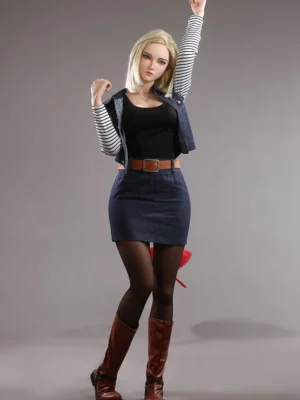
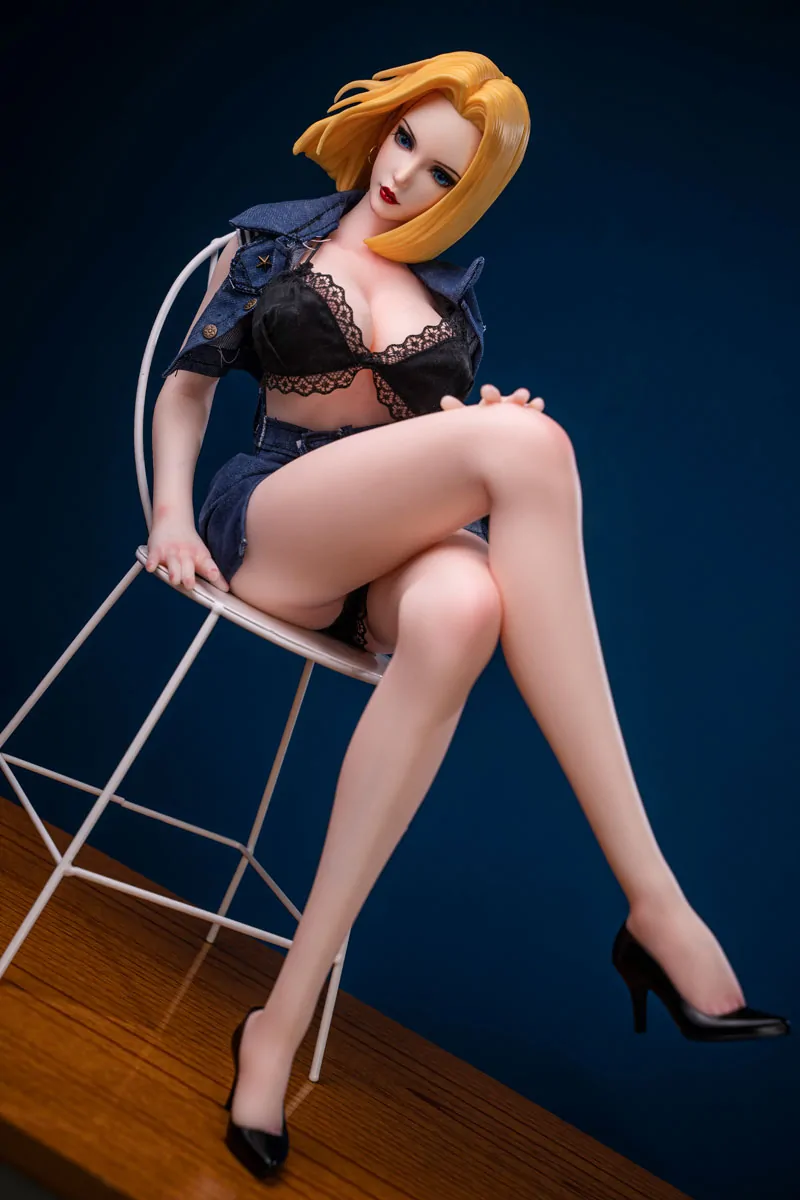
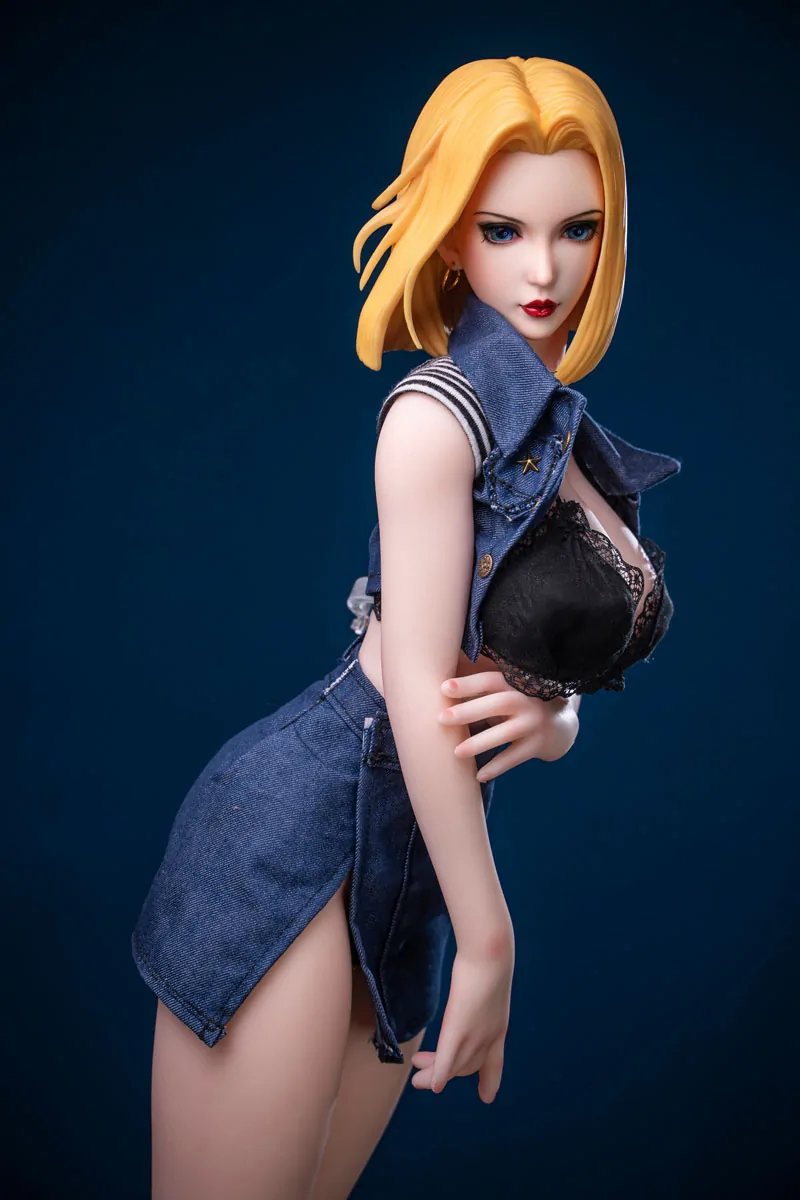
The Android 18 figure creates a particularly strong contrast beside Goku because her appeal comes from control rather than constant visible aggression. Her recognisable blonde styling, composed expression and confident Dragon Ball identity provide a calmer visual centre against Goku’s forward movement.
Instead of forcing Android 18 into another exaggerated battle pose, let her confidence do the work. A restrained standing or relaxed character pose can make Goku’s action feel even more energetic because the two figures communicate through contrast.
Her silicone character body also changes the visual language of the display. The softer body contours and mature presentation separate her immediately from smaller rigid action figures while keeping the Dragon Ball connection obvious.
For collectors already drawn to Android 18, this allows her to become more than a background character in a Goku arrangement. She can serve as the visual anchor of a mature Dragon Ball display, with smaller articulated figures positioned around her to create story, tension and scale.
The combination works because both characters remain recognisable. Goku contributes movement and explosive force; Android 18 contributes composure, confidence and a distinct personality that keeps the scene from becoming a collection of identical fighting poses.
Build a more character-focused Dragon Ball display through LORIBEAR
Browse the LORIBEAR shop when you want a Dragon Ball or wider anime display to gain stronger character presence rather than simply adding another articulated figure. The collection brings together anime- and game-inspired heroines with different expressions, body styles and personalities, allowing the next addition to change the mood of the entire shelf.
Android 18 is a natural choice for Dragon Ball collectors because her visual identity already belongs beside Goku while offering a completely different type of presence. Other LORIBEAR heroines can create softer, more mysterious, elegant or commanding focal points depending on the collection you want to build.
A carefully chosen character centrepiece gives smaller action figures something to respond to. Instead of filling every available centimetre with another battle stance, the display gains hierarchy, emotional contrast and a clearer reason for the figures to share the same space.
The strongest collection is not necessarily the one containing the most characters. It is the one where each character adds a distinct personality—and where the centrepiece is compelling enough to make the surrounding figures feel deliberately chosen.
Rotate demanding poses instead of leaving every joint at its limit
Extreme articulation works best as a temporary display choice rather than the permanent neutral state of the figure.
During regular dusting, inspect ankles, hips, wrists and stand connections. If a joint has drifted or the figure depends too heavily on one small support point, rebuild the pose before returning it to the shelf.
Relax highly bent joints periodically, especially when a pose compresses costume parts or keeps one ankle under constant sideways load.
Rotation also gives the same figure new life. A Goku displayed in a Kamehameha stance for several weeks can later return in a relaxed guard pose or character portrait without requiring another purchase.
The strongest pose makes every body line describe the same instant
A convincing Goku pose does not need the widest stance, highest kick or largest effect part. It needs a clear idea carried consistently from the feet to the face.
The feet establish balance, the knees and hips provide force, the torso connects that movement, the arms finish the gesture and the eyes reveal where the action is going.
When every element supports the same instant, mechanical restraint actually makes the character look stronger. Nothing feels accidental, and the viewer can understand the scene before noticing individual joints.
Goku Figure Posing Questions
Why does my Goku figure keep falling forward?
The head, hair, extended arms or effect parts may have shifted the centre of mass beyond the supporting feet. Reduce the torso lean, move a foot forward or support the waist with a suitable stand.
Should both knees be bent in a fighting stance?
Not necessarily, but at least one knee usually benefits from some bend. Keep the knees aligned with the direction of the toes so the stance looks grounded and intentional.
Can an energy effect stay attached for long-term display?
It can when the effect receives independent support and the wrist or hand connection shows no strain. Heavy effects should not depend entirely on a small joint for extended periods.
How often should an articulated Goku pose be changed?
There is no fixed schedule. Inspect the figure during normal cleaning and relax or rebuild the pose when joints drift, support arms slip or the arrangement keeps one joint under unnecessary stress.
Why does Android 18 work well beside a posed Goku figure?
Android 18 brings a calmer, more controlled Dragon Ball personality that contrasts naturally with Goku’s explosive movement. Her recognisable styling and character presence can give the display a stronger focal point and more emotional variety.