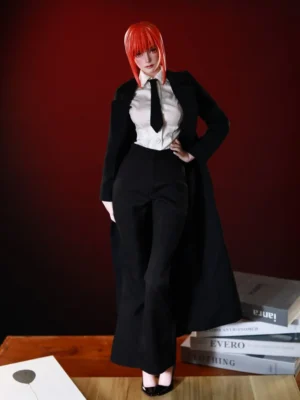
- Chainsaw Man
- Resident Evil
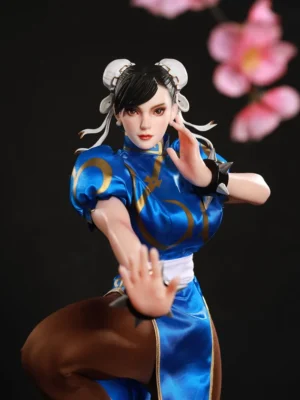
- Street Fighter
- Spy x Family Figures
- Azur Lane
- Final Fantasy
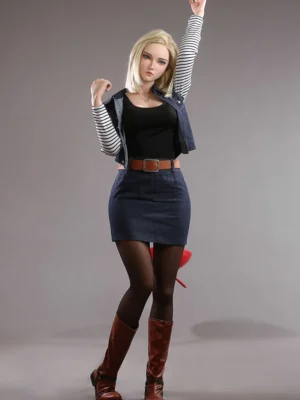
- Dragon Ball
- Naruto
- Neon Genesis Evangelion
- Nier: Automata
- Kuroinu Figures | Olga Discordia Dark Elf
- Queen Pharnelis-Goblin
- Non Virgin Bunny Girl
- Prison School
- The King of Fighters
- One Piece
- Figure Heads & Accessories
How to Display Gundam Miniatures Across Mixed Scales


Learning how to display Gundam miniatures becomes more interesting—and more challenging—once a collection contains different scales, grades, silhouettes and levels of surface detail. A compact mobile suit can carry dense panel lines, decals and mechanical texture, while a larger model may dominate through wings, shields or a long weapon rather than height alone.
A successful display therefore depends less on matching scale labels and more on controlling visual weight. Silhouette, colour contrast, pose direction, base size and empty space all affect which model the eye notices first. When these elements work together, even a mixed collection can feel intentional rather than crowded.
Before moving anything onto the shelf, decide what the display should communicate. A battle scene needs direction and tension. A builder showcase should reveal paint, panel work and craftsmanship. A series timeline needs order. A mixed anime shelf should create a relationship between machines and characters instead of placing unrelated pieces beside one another simply because space remains.
Separate physical scale from visual importance
A larger Gundam model naturally attracts attention, but size does not have to determine hierarchy. A smaller mobile suit can become the focal point when its colour contrast, pose or placement gives it more visual energy.
Choose the emotional centre of the shelf first. Place that model before arranging anything around it. Larger pieces can then frame the composition instead of automatically occupying the middle.
This approach works especially well when a favourite build matters more than its scale. A carefully painted smaller model deserves room to breathe rather than disappearing beside a larger but less important piece.
When scales differ noticeably, acknowledge the difference rather than trying to disguise it. A rear level can hold larger models, while smaller units form a foreground fleet, chronological sequence or supporting group.
Shared lighting, repeated riser materials or one consistent background can connect those zones without pretending that every model exists at the same physical scale.
| Collection pattern | Strong organising rule | Main visual risk |
|---|---|---|
| Single mobile-suit lineage | Chronology or design evolution | Similar colour schemes merge together |
| Mixed scales | Separate zones with shared lighting | Larger models overpower smaller builds |
| Battle scene | One action axis with controlled spacing | Weapons and effects cross into unrelated poses |
| Builder showcase | Finish, technique or project sequence | Too much supporting information competes with the models |
Measure the complete combat footprint
Height tells only part of the story. Wings, shields, rifles, beam effects, backpacks and display arms can make a model much wider or deeper than its standing height suggests.
Measure the complete pose you intend to display rather than the neutral body. A model that stands 15 centimetres tall may need far more shelf width once the arms open or the weapon points across the composition.
A simple paper test prevents many problems. Cut rectangles that match the footprint of each base and arrange them on the empty shelf before moving the actual models.
This reveals collisions between wings, shields and effect parts while nothing fragile is at risk. It also makes empty space easier to judge.
Leave a small handling route at the front or side. One model should be removable without dragging its weapon past another figure’s antenna, hand or backpack.
Keep every Gundam silhouette readable
The V-fin, shoulders, backpack, shield and weapon form much of a Gundam model’s visual identity. A crowded arrangement can hide these features even when every individual pose looks good by itself.
Turn neighbouring models a few degrees away from one another so their outlines remain separate. Their poses can still communicate, but one shield should not visually merge into another torso.
Pay particular attention to bright weapons and effect parts. A beam crossing another model’s face can make both designs harder to read.
Background contrast matters as well. Dark armour disappears against a black cabinet, while white armour can lose definition against a pale wall.
A neutral mid-tone background works well across many Gundam colour schemes because it separates both light and dark silhouettes without competing with the paint.
 Use height to create depth rather than random stacking
Risers can turn a flat row into a layered composition, but each level should have a reason to exist.
In a battle display, raising rear models can suggest distance and keep their faces visible. In a technical lineup, different levels can separate generations, factions or model grades.
Keep taller levels toward the back unless one foreground piece intentionally dominates the scene.
Transparent stands work well for airborne movement because they reduce visual weight. Solid plinths create a more formal, museum-like presentation.
Every raised support needs to carry the complete model safely. A backpack or large wing assembly can shift the centre of gravity farther behind the feet than expected.
Test new risers at a lower height first. If a model leans or the stand flexes, improve the support before adding more elevation.
Give battle scenes one clear direction
A battle shelf becomes easier to understand when the models react to the same event. Decide where the threat, opponent or objective exists before setting the poses.
Weapons, head direction and body movement can then follow that action axis. One model may advance while another covers the flank, but their gestures should still belong to the same scene.
If every mobile suit aims in a different direction, the display begins to look like several unrelated promotional poses placed beside one another.
Keep the narrative simple. One confrontation is usually stronger than trying to represent an entire war across one shelf.
Effect parts can reinforce the action, but they should frame the scene rather than fill every available gap.
Technical lineups benefit from quieter poses
A builder showcase needs a different visual language from a battle scene. When craftsmanship and design evolution matter, restrained poses make armour, proportions and surface work easier to compare.
Turn the arms slightly away from the torso so side details remain visible. Keep feet stable and use a similar viewing direction across the group.
Repeating a general stance creates rhythm without making every model identical. Small changes in head angle or weapon placement can preserve personality while keeping the lineup coherent.
This presentation works particularly well for related mobile suits because differences in shoulders, chest armour, legs and backpack design become easier to notice.
Backgrounds should support the machines rather than compete with them
Gundam models already contain panel lines, vents, colour separation, decals and mechanical geometry. An overly detailed backdrop can make the shelf visually exhausting.
Simple industrial panels, restrained gradients and broad architectural shapes provide context without competing with the models.
Diorama debris can establish ground scale, but keep it low enough that ankles, feet and base connections remain visible.
If you use faction colours, let them appear as accents instead of covering the entire background. The models should remain the first thing the viewer notices.
Labels can also stay minimal. Model name, scale and completion date often provide enough information for a shelf display. Longer build notes work better in a separate catalogue or digital record.
 Lighting should reveal panel work without flattening the sculpt
Front lighting makes colour easy to see, but it can flatten armour and reduce the visual impact of panel lines. A broader light from one side creates more shape by allowing gentle shadows to form across the mechanical surfaces.
A softer fill from the opposite direction can prevent darker sections from disappearing completely.
Clear parts, metallic paint and glossy decals deserve careful placement because direct light can create distracting hotspots. Moving the light slightly is usually more effective than increasing brightness.
The Library of Congress explains that light damage is cumulative and irreversible, with both exposure intensity and duration affecting sensitive materials.
For a figure display, this means avoiding unnecessary direct sunlight and switching cabinet lights off when the collection is not being viewed. Controlled lighting protects the display while making the models look better when it matters.
Dusting becomes easier when the shelf has an access plan
Cleaning a crowded Gundam display can create more risk than the dust itself. Antennas, fingers, wings and beam effects can catch on neighbouring pieces while one model is being removed.
Photograph the complete arrangement before cleaning. The image provides a quick reference for pose direction and model placement.
Remove pieces from front to back and place detachable weapons, hands and small accessories in a shallow tray so nothing rolls away.
Handle each model from the base or stable torso area rather than lifting it by projecting details.
When returning the collection, check ankle alignment, display-arm connections and accessory grip instead of assuming the previous pose remains equally stable.
Leave enough empty space for the collection to breathe
Empty space is not wasted shelf area. It separates silhouettes, makes focal models more important and gives the eye somewhere to rest between highly detailed mechanical surfaces.
A collection often looks more expensive and intentional after removing one or two unnecessary pieces rather than adding another riser.
This is especially true for Gundam because each mobile suit already contains a large amount of visual information.
The Anime Doll Brands & Series collection connects Gundam display questions with wider anime character and series collecting. It can help when deciding whether the shelf genuinely needs another machine or whether a character-led focal point would create a stronger narrative.
Rotate completed builds instead of forcing everything onto one shelf
A newly completed Gundam deserves time as the focal point. Move it into the strongest viewing position and let older models rotate into secondary display or protected storage.
This keeps the collection connected to current interests rather than turning every new project into another object squeezed into the remaining gap.
Rotation also gives older pieces a chance to return later in a different context. A model that felt ordinary beside one group may become the perfect supporting piece in another story.
Photograph each version of the display. Over time, those images become a record of building skill, changing taste and the different ways the same models can tell new stories.
 A human character can give the machines emotional context
A shelf filled entirely with armour, weapons and mechanical detail can look technically impressive but emotionally distant. Introducing one human character changes that balance immediately.
The contrast gives the machines a sense of scale and consequence. Instead of viewing only engineering forms, the collector sees a world inhabited by characters whose expressions and personalities give those machines meaning.
This works best when the character belongs naturally beside mecha imagery rather than appearing as a random decorative figure.
Rei Ayanami can turn a mechanical lineup into a broader anime scene
The Rei Ayanami figure introduces exactly that kind of contrast. Her pale hair, restrained expression and unmistakable Evangelion-inspired presence create a quiet human focal point beside shelves dominated by armour, weapons and mechanical silhouettes.
Rei does not need an aggressive pose to compete visually with a Gundam display. Her calm expression provides the opposite energy, which can make the surrounding machines feel even more imposing.
This contrast is especially effective for collectors who enjoy mecha as more than technical design. Rei adds emotion, character identity and a human presence that can turn a lineup of machines into something closer to a complete anime environment.
Her costume colour and restrained visual language also make her easier to integrate than a character with an extremely busy outfit. She can sit beside mechanical forms without fighting every decal, shield and weapon for attention.
For a collector already interested in Gundam, Evangelion or wider mecha culture, the Rei Ayanami figure offers a natural way to expand the display beyond machines while keeping the overall atmosphere coherent.
Build the wider collection around characters that deserve the space
Explore the LORIBEAR shop when you want to introduce more character-focused centrepieces into an anime display. Instead of adding another figure simply to fill a gap, you can choose heroines whose faces, costumes and personalities create a deliberate contrast with the mechanical collection already on the shelf.
Some characters bring softness and calm, while others contribute confidence, mystery or stronger visual authority. The most useful addition is the one that changes how the surrounding collection feels rather than merely increasing the object count.
A character such as Rei can make Gundam models feel larger, more mechanical and more dramatic because the human silhouette gives the viewer a new visual reference. Another heroine may create a completely different mood depending on the series and atmosphere you want to build.
LORIBEAR character figures give collectors a way to move from a technically focused shelf toward a more immersive anime environment built around machines, personalities and visual storytelling together.
Keep the display flexible enough to evolve
Do not build an arrangement that can only change by dismantling the entire cabinet. Leave access around focal pieces, keep risers modular and preserve safe neutral positions for models that rotate into storage.
A flexible display system makes new projects easier to introduce because the collection can change without becoming denser every time another kit is completed.
Mixed scales are not a flaw when the arrangement acknowledges them clearly. Zones establish order, silhouettes protect identity and thoughtful lighting gives every surface enough room to be appreciated.
The strongest Gundam display is not necessarily the one containing the most models. It is the one where mechanical complexity, empty space and carefully chosen character presence work together so every piece feels intentional.
Gundam Display Questions
Can different Gunpla scales share one shelf?
Yes. Separate them into clear visual zones or different height levels, then connect the areas through consistent lighting, background treatment or riser materials.
Should weapons remain attached during long-term display?
They can remain attached when hands, wrists and support stands carry the weight comfortably. Large weapons may benefit from an additional support so the pose does not gradually drift.
What background colour works with most Gundam models?
A neutral mid-grey often separates both pale and dark armour effectively. Adjust the tone when a large part of the collection uses similar grey or muted colours.
How can dusting be made safer?
Photograph the shelf first, remove models in a controlled order, keep detachable parts in a tray and handle each model from its base or stable torso rather than antennas, weapons or wings.
Why add a character such as Rei Ayanami to a Gundam display?
A human character introduces emotional contrast and visual scale beside mechanical forms. Rei’s restrained expression and mecha-related character identity can broaden the shelf into a more complete anime environment without making the pairing feel random.