Dragon Ball Z Son Goku Figure: Choose the Right Goku Era

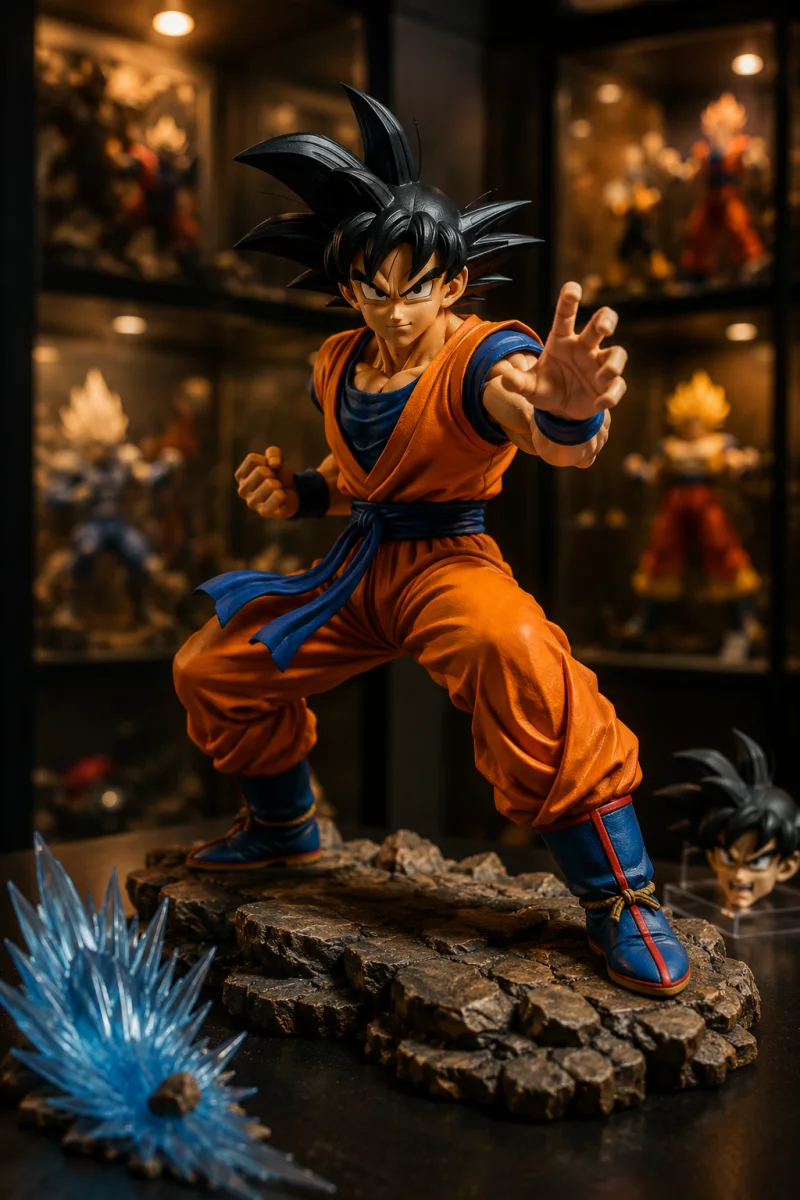
A Dragon Ball Z Son Goku figure represents a particular moment in a character whose appearance changes repeatedly throughout the series. Hair shape, clothing, facial expression and fighting posture can immediately suggest the Saiyan conflict, Namek, the Android and Cell era, Majin Buu or a later interpretation. Buying simply “a Goku” before deciding which version matters most can therefore leave you with a figure that looks familiar but never quite matches the scene you remember.
A better way to choose is to follow Goku’s story in order. Start with the saga that means the most to you, then decide whether you want his base form or a particular transformation. After that, compare the pose, articulation, accessories and display requirements. This keeps the figure connected to a specific Dragon Ball memory instead of reducing the choice to price or manufacturer.
Choose the Goku Moment Before Choosing the Figure
Goku changes enough throughout Dragon Ball Z that two figures can represent very different sides of the same character.
An earlier Goku may feel lighter and more straightforward. Battle-focused versions often use sharper expressions, damaged clothing and stronger body tension. Later transformations can change the silhouette so dramatically that the hair becomes one of the most important parts of the display.
Before comparing releases, think about the exact moment you want to see on the shelf. It might be Goku standing calmly before a fight, training in his base form, preparing a Kamehameha or appearing at the moment of transformation.
Once that scene is clear, many unsuitable releases become easy to eliminate.
Base-Form Goku Depends on More Than Black Hair
Black hair identifies base-form Goku, but it does not identify one exact period. Clothing and expression often reveal far more.
Look closely at the gi. The kanji, undershirt, belt, wristbands, boots and battle damage can all connect the figure to a different point in the story. Small costume differences matter because the overall silhouette remains so recognisable.
The face should support the same moment. A relaxed smile suits training or quieter scenes, while a focused expression works better with battle-ready hands and damaged clothing.
A figure can therefore look individually accurate yet still feel inconsistent when the face, costume and pose suggest different moods.
Check Alternate Heads Before Treating Them as Extra Transformations
Some Goku releases include several heads or face plates. However, each option does not necessarily represent a separate transformation.
One head may simply change the expression. Another may alter the hair, eyes or brows enough to represent a different state.
Check how every replacement part meets the neck and hair. The face should sit cleanly without obvious gaps around the jaw, ears or hairline.
This becomes especially useful when you enjoy changing scenes. A well-designed set of expressions can give one figure several convincing moods without requiring another body.
Super Saiyan Hair Should Match the Transformation
Super Saiyan figures attract attention immediately because the hair changes the whole silhouette. Colour alone, however, does not determine whether the sculpt captures the right form.
Look at spike direction, crown volume, brow shape, eye treatment and facial tension. A strong sculpt should make the transformation recognisable before the viewer even focuses on the hair colour.
Super Saiyan 2 usually needs a sharper and more energetic presentation. More defined hair and lightning effects can strengthen that sense of charged energy.
Super Saiyan 3 changes the silhouette much more dramatically. The long hair and missing eyebrows create a distinct appearance that also demands additional display space behind the figure.
Hair Volume Can Change the Space You Need
Large transformation hair creates display problems that body height alone cannot reveal.
A figure may fit beneath a shelf while the rear hair spikes touch the cabinet wall. Another version may need more side clearance because the hair spreads beyond the shoulders.
Measure from the furthest point of the hairstyle rather than from the body alone. This keeps a transformation figure from feeling cramped once it enters the display.
Effect Parts Should Strengthen the Scene
Energy effects work best when they support the transformation or attack already expressed by the body.
A Kamehameha effect should align naturally with the hands and gaze. Lightning arcs should reinforce the transformation rather than appear as unrelated decoration around the figure.
Large aura pieces can look impressive, but they also increase the footprint. A compact-looking figure may occupy far more shelf space after every effect part is installed.
Transparent plastic needs extra care as well. Dust, scratches and fingerprints show more clearly on transparent effects than on opaque clothing or hair.
Pose Determines Whether Articulation Is Worth Having
A fixed Goku statue gives the sculptor complete control over one moment. The torso angle, eye direction, movement of the gi and energy effects can all support the same composition.
This often creates a cleaner silhouette because the body does not need visible articulation points.
An articulated Goku offers a different advantage. You can change the fighting stance, reposition the hands and rebuild the display around different characters.
The value of articulation therefore depends on whether the joints can actually reach the poses you want.
Two-Handed Attacks Demand More Joint Range
A neutral fighting stance does not require extreme shoulder movement. A two-handed Kamehameha does.
Check whether both arms can move forward without forcing the shoulders into an unnatural position. The wrists also need enough range to bring the hands together convincingly.
Hip and ankle movement becomes important in wide stances. If the ankles cannot remain flat, the figure may lean even when the leg position looks correct.
Heavy transformation hair can shift the centre of gravity backward, which makes stable ankles even more valuable.
A Goku Figure Should Work With the Characters Around It
Many Dragon Ball collections eventually expand beyond Goku. Vegeta, Piccolo, Frieza and other characters often begin to share the same shelf.
At that point, the listed scale becomes only one part of the comparison.
A raised arm, large hairstyle or effect base can change the apparent height considerably. Manufacturer styling can also make one character look broader or slimmer even when two figures use the same nominal scale.
Compare the head position and eye line whenever possible. These relationships often matter more than measuring only from the bottom of the base to the highest hair spike.
The Footprint Can Matter More Than Height
A narrow standing pose uses very little shelf width. A fighting stance can spread the legs far beyond the shoulders.
Energy effects, stands and aura parts increase the footprint again.
Before buying, estimate the complete space with the accessories installed. A figure may fit vertically while still crowding every character beside it.
Accessories Should Help Rebuild a Specific Scene
Alternate hands, faces, energy effects and stands can make a Goku figure much more flexible. More parts, however, do not automatically create a better set.
Each accessory should support a useful pose. Open hands may suit an energy attack, while fists create a stronger fighting stance. A calmer face can change the same body into a completely different scene.
Saga-specific accessories become more meaningful when they reinforce the version of Goku you chose at the beginning.
An impressive accessory from the wrong era can weaken the scene rather than improve it.
Keep Small Connectors Organised
Alternate hands, face pieces, effect adapters and stand connectors are easy to lose.
Store unused pieces in a labelled tray or small bag rather than leaving them loose inside a drawer.
For used figures, inspect pegs for stress whitening, cracks or previous glue repairs. A tiny damaged connector can prevent an otherwise complete accessory from working correctly.
Packaging Can Confirm the Exact Goku Release
Goku has appeared in so many releases that similar packaging can easily create confusion.
Record the printed product name, catalogue number, copyright information and edition markings when comparing listings. These details can separate similar releases even when the figures look almost identical.
Clear photographs of the front, back, seals and inner tray become particularly useful when buying used.
They also help confirm whether the accessories match the original set or whether someone added replacement parts later.
Judge the Figure and the Box Separately
A faded box does not automatically mean the figure suffered the same damage. Sunlight may affect printed packaging before it changes the figure inside.
The opposite can also happen. A clean box tells you little about how a loose figure was displayed before someone returned it to the packaging.
Ask how the figure was stored. Direct sunlight, heat and heavy dust can affect paint, joints and plastic even when the box still appears clean.
Android 18 Creates a Strong Contrast Beside Goku
Once the Goku version you want is clear, adding another Dragon Ball character can make the collection feel more complete without simply repeating another transformation.
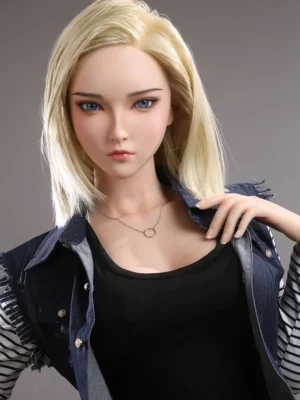
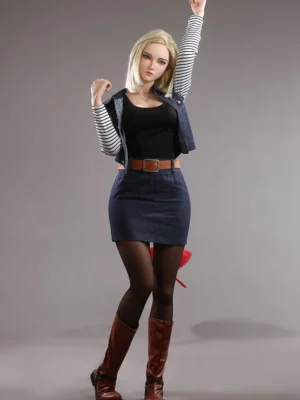
Android 18 creates a particularly strong contrast. Goku often brings open emotion, movement and visible fighting energy to a display. Android 18 feels far more controlled. Her calm expression, blonde hair and composed presence immediately change the visual rhythm of the collection.
This contrast makes the Android and Cell era especially interesting for collectors who already connect strongly with Goku. Instead of placing two characters with similar energy beside each other, Android 18 introduces another personality from the same Dragon Ball world.
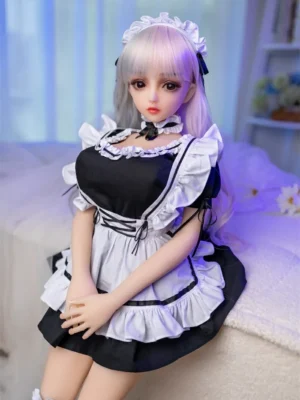
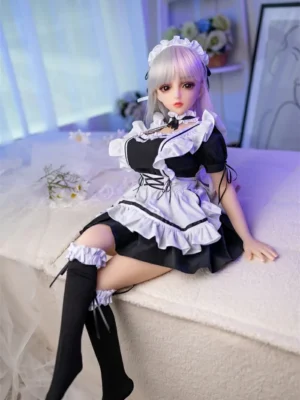
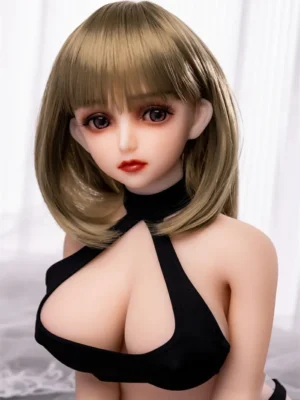
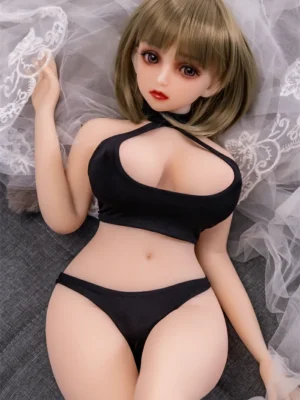
The LORIBEAR Android 18 figure develops that character presence beyond a conventional shelf figure. Her recognisable hairstyle, expression, clothing and body presentation allow Android 18 to become the centre of her own Dragon Ball-inspired setting rather than remaining a small supporting figure beside Goku.
A chair, clothing display or carefully chosen background can give her a quieter scene that contrasts naturally with the energy of a battle-focused Goku collection. That difference helps both characters feel more distinctive instead of making every part of the collection revolve around the same fighting pose.
For collectors who remember Android 18 as strongly as Goku, bringing her into the collection can add another side of Dragon Ball without losing the connection to the series that started the display.
Build the Collection Around the Dragon Ball Moments You Remember
A Dragon Ball collection does not need every Goku transformation to feel complete. It can be built around a smaller number of characters and scenes that carry stronger personal memories.
You might keep one Goku from Namek, Android 18 from the Android era and another character from a later storyline. Each figure then represents a meaningful point in the series rather than another release added only for completeness.
The Anime Doll Brands & Series reference helps organise this type of series and character planning when a collection begins to expand across different anime titles.
The LORIBEAR shop brings these character-led releases together in one collection, allowing collectors to continue exploring anime and game characters through the same focus on recognisable identity, styling and display presence.
Goku Figure Questions
Which Goku transformation should a new collector buy first?
Start with the transformation connected to the scene you remember most. Then choose the pose and figure format that reproduce that moment best.
Should I buy base Goku or Super Saiyan Goku first?
Choose according to the scene rather than popularity. Base Goku suits training and calmer displays, while Super Saiyan versions create a more dramatic battle-focused silhouette.
Is an articulated Goku better than a statue?
Not automatically. Articulation gives you more posing options. A fixed statue usually offers a cleaner silhouette and more tightly controlled effects.
Why do two Goku figures from the same scale look different?
Transformation, hair volume, pose and manufacturer styling can change the apparent proportions. Compare head height and body relationships instead of relying only on the listed scale.
How much shelf space does a Goku figure need?
Measure the complete pose, including hair, legs, effects and stand. A wide fighting stance or aura can require much more room than the body height suggests.
Are extra faces and hands worth having?
They are useful when they create poses you actually want. A smaller set of well-chosen expressions and hands can be more practical than a large accessory collection that stays in the box.
What Goku figure parts are easiest to lose?
Alternate hands, effect connectors, face pieces and stand adapters can disappear easily. Keep unused parts together in a labelled container.
What should I check when buying a used Goku figure?
Compare the figure and accessories with official product images. Check joints, pegs, paint, effect parts, stand components and the inner packaging separately.
Official Character Reference
The Dragon Ball Official Site shows how a Super Saiyan 2 Goku release uses transformation-specific hair, expression and compact figure scale to make the chosen form immediately recognisable.