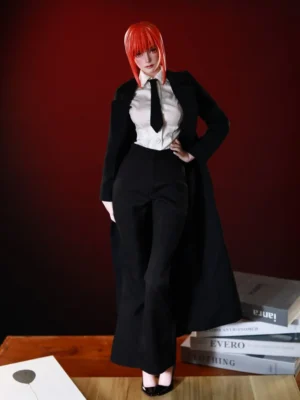
- Chainsaw Man
- Resident Evil
- Street Fighter
- Spy x Family Figures
- Azur Lane
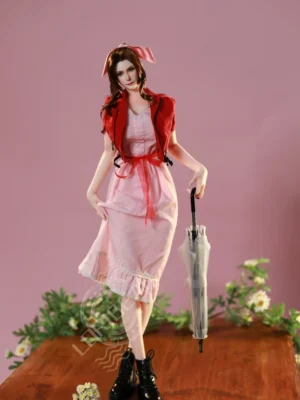
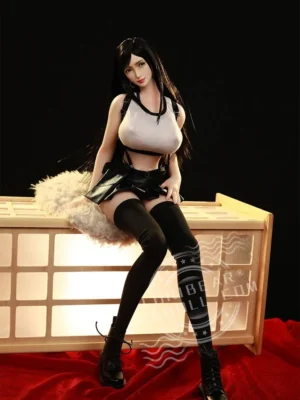
- Final Fantasy
- Dragon Ball
- Naruto
- Neon Genesis Evangelion
- Nier: Automata
- Kuroinu Figures | Olga Discordia Dark Elf
- Queen Pharnelis-Goblin
- Non Virgin Bunny Girl
- Prison School
- The King of Fighters
- One Piece
- Figure Heads & Accessories
Dolls House for Barbie Dolls: Space, Scale and Play

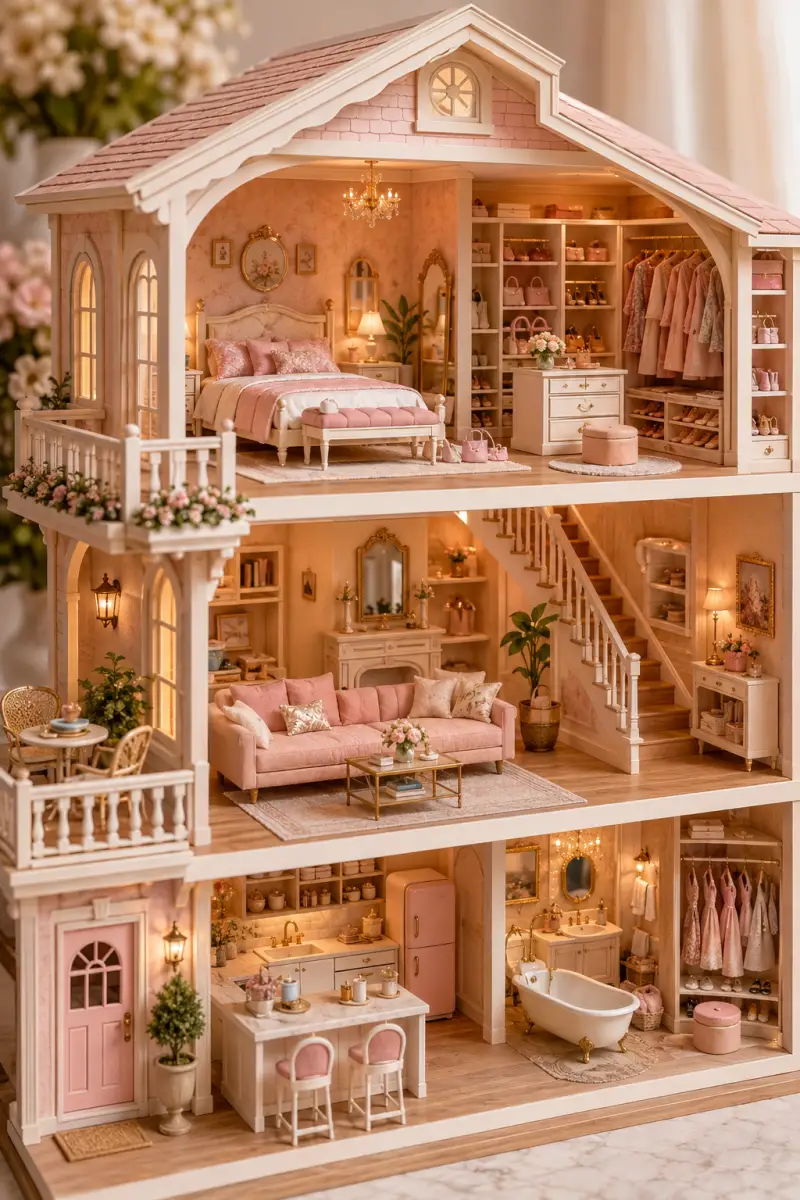
A dolls house for Barbie dolls does more than provide somewhere to place a fashion doll. It turns clothes, furniture and individual characters into a shared miniature environment where bedrooms, wardrobes, kitchens and social spaces can become part of an ongoing story. For children, that may mean imaginative play that changes every day. For adult collectors, it can become a carefully arranged interior that gives favourite dolls a stronger sense of personality and place.
This is why choosing the right dollhouse involves more than colour, decorative details or the number of accessories shown on the box. Room height, depth, floor strength, access, assembly and storage all affect how enjoyable the house will be once it becomes part of everyday life.
A beautiful house can still disappoint when a doll cannot stand comfortably inside it, a wardrobe blocks the doorway or the upper floor sits too high to reach. The most useful design is one that supports the way the dolls will actually be dressed, posed, displayed and moved.
Why miniature homes hold attention
A dollhouse gives separate objects a shared context. A dress becomes part of a bedroom routine, a handbag belongs beside a wardrobe and a dining chair becomes a place for conversation between characters. These small relationships help turn individual accessories into a complete miniature world.
For children, that world can support storytelling, role-play and repeated everyday scenarios. The same room may become a family home one day and a fashion studio the next. Movable furniture helps these stories evolve without requiring a completely different playset.
Adult collectors often approach miniature interiors differently. They may coordinate furniture, lighting and clothing around a particular aesthetic, create scenes for photography or recreate the atmosphere associated with a favourite character.
The history of dollhouses also reaches far beyond modern fashion dolls. The Strong National Museum of Play traces their development from early European “baby houses” created for adult display to miniature homes used for children’s imaginative play. Their lasting attraction comes from the ability to make an entire world visible within one contained space.
Measure the doll in the positions it will use
Standing height provides only the first measurement. A fashion doll also needs enough room to sit on a bed, bend at the hips, raise an arm or wear a hairstyle that adds extra height.
Barbie-scale dolls around 11.5 inches have long legs and relatively slim proportions. A house designed for a shorter doll family may appear large in product photographs while still providing furniture or ceilings that feel undersized.
Measure the doll standing and seated. Check the height with the tallest hairstyle, hat or shoes that will regularly be used. If the house includes wardrobes or dressing areas, also consider whether there is enough space to move the arms while changing clothing.
Doorways deserve particular attention. A figure may fit inside a room but still struggle to pass naturally through a narrow door when carrying a handbag or wearing a wide skirt.
Interior depth matters just as much as height. A bedroom needs enough floor space for the doll and the bed at the same time. A dining area should allow a chair to move without immediately touching the back wall.
Compare actual interior measurements rather than relying only on descriptions such as “large dollhouse” or “compatible with fashion dolls.” Those labels do not guarantee comfortable proportions.
Footprint includes the person playing
The dimensions printed on the box usually describe the house itself, but the real footprint includes the person using it. Someone needs space to sit, kneel, reach into rooms and move dolls from one floor to another.
Tall houses use vertical space efficiently, but upper floors can become frustrating when the owner cannot comfortably see or reach inside them. A lower, wider house may use more floor space while providing easier access to every room.
Open doors, balconies and removable staircases can also extend beyond the stated dimensions. Include these areas when deciding where the house will live.
If two children will use the house together, side access can be more valuable than an additional small room. Crowding both users into one narrow front opening quickly limits how the house can be enjoyed.
A permanent location is usually preferable. Moving a fully furnished dollhouse repeatedly can loosen joints, damage accessories and make small shoes or jewellery disappear.
If occasional movement is necessary, a stable wheeled platform may help on a smooth floor. It should lock securely and should not raise the highest rooms beyond a comfortable reach.
Open-front, folding and all-round designs behave differently
Open-front dollhouses remain popular because every room faces the user. They work particularly well against a wall and can resemble a piece of miniature furniture when the colour and materials suit the room.
Folding plastic houses offer a different advantage. They can reduce their footprint during storage and may include integrated rooms or accessories that stay attached when the house closes.
However, the opened dimensions can be much larger than the stored dimensions. Check both before buying, especially when the house needs to share floor space with other furniture.
All-round designs allow access from several sides and work well when more than one person wants to play. The trade-off is that they cannot sit neatly against a wall without blocking part of the house.
Look carefully for blind corners. A visually impressive side room becomes frustrating when a hand cannot position the doll inside it.
Removable roofs, wide openings and lift-out floors can improve access. They also create extra pieces that need somewhere safe to go when removed.
Structure matters more than the number of accessories
A long accessory list can make a dollhouse look generous, but the structure determines whether those accessories remain enjoyable after months of use.
Check the way floors connect to walls and how the upper levels receive support. Tall narrow houses should feel stable before furniture is added rather than depending on heavy accessories to keep them upright.
Edges should feel smooth, and exposed screws or fasteners should sit flush with the surrounding surface. Areas around staircases, balconies and doors receive frequent contact and deserve particular attention.
If the house includes lights or sounds, check the battery compartment and switch location. Batteries should remain secure while controls stay easy enough to reach without dismantling the room.
Assembly may take considerably longer than promotional photographs suggest. Sort panels and fittings before tightening anything, and confirm that each wall faces the correct direction.
Building on a clean flat surface helps prevent panels from twisting. Keeping the instructions, spare fittings and tool information also makes future repairs or relocation easier.
Furniture should create action, not congestion
Furniture works best when it gives the dolls something to do. A bed supports bedtime scenes, a wardrobe encourages outfit changes and a table creates a place for characters to interact.
Too much furniture can have the opposite effect. A room filled with fixed accessories may leave nowhere for the doll to stand or make changing clothing unnecessarily difficult.
Start with the spaces that receive the most attention. A bedroom, dressing area and simple living space may provide more useful play than several heavily decorated rooms with little open floor area.
Movable furniture creates greater flexibility because the layout can change with the story. A chair can move from a dining scene to a dressing area, while a small table can support several different rooms.
Textiles add warmth and personality. Bedding, rugs and cushions can change the atmosphere quickly without replacing the furniture underneath.
Dark fabrics should be tested before prolonged contact with pale vinyl or other soft doll surfaces. Strong dyes can transfer when clothing or bedding remains pressed against the doll for long periods.
Adhesive decorations also deserve caution. Stickers placed near hair or soft vinyl can leave residue that becomes difficult to remove later.
Character identity can also be developed without a permanent house
A large dollhouse is one way to give a doll more personality, but it is not the only one. Sometimes the real goal is to change how the character looks rather than build an entire miniature room around it.
Different hairstyles, faces, clothing and accessories can shift the mood of a figure much more dramatically than adding another piece of furniture. This can be especially useful for adult collectors who have limited floor space but still want to create different character presentations.
The figure heads and matching accessories provide another route to customisation. A compatible head, hairstyle or outfit can create a noticeably different personality while keeping the same main body. Compatibility should always be confirmed because head fittings, body proportions and clothing sizes are not universal.
This approach also makes it easier to change a collection over time. A new face or outfit can refresh the display without requiring another large piece of furniture.
More ideas for clothing, storage and reversible character styling appear in the Doll Customisation & Styling reference. Adult collectors who want to move beyond conventional fashion dolls can also explore the LORIBEAR shop, where larger anime-inspired characters, different outfits and complete designs offer another way to build a more individual display.
Choose for the life around the house
The best dollhouse is not automatically the tallest or the one with the greatest number of rooms. It is the one that fits comfortably into the real room around it and still leaves enough space for the dolls to move.
A modest house with open rooms and movable furniture can support more stories than a larger design filled with permanent features. Flexibility becomes especially valuable as clothing, characters and interests change.
Storage should form part of the plan from the beginning. Shoes, handbags, plates and tiny accessories quickly become difficult to manage when they do not have a dedicated place.
Small labelled drawers, divided trays or clear boxes can keep accessories organised without filling the dollhouse itself. Clothing can be stored separately so bedrooms and wardrobes remain usable rather than becoming permanent storage areas.
A well-chosen house should make the collection easier to enjoy, not harder to maintain. When dimensions, access, furniture and storage all work together, the miniature home becomes a setting that can continue changing with the characters inside it.
Dollhouse questions
Will any large dollhouse fit Barbie-scale dolls?
No. Check interior ceiling height, room depth, doorway width and furniture dimensions against the actual doll. A house can look large externally while still having undersized rooms.
How large should a room be for an 11.5-inch fashion doll?
There is no single ideal size because furniture and poses vary. The room should allow the doll to stand, sit and interact with the intended furniture without the body constantly touching walls or ceilings.
Is wood always better than plastic for a dollhouse?
No. Wood can provide a stable furniture-like appearance, while plastic may be lighter, easier to wipe clean and capable of folding for storage. Construction quality and intended use matter more than material alone.
Should a tall dollhouse be fixed to a wall?
Follow the manufacturer’s anti-tip instructions. Wall restraint can be particularly important when the house is narrow, tall or used where children may lean or climb against it.
How much furniture should be bought initially?
Begin with a few useful pieces that support common scenes, then add more after seeing which rooms receive the most use. Leaving open floor space usually makes the house easier to enjoy.