
- Chainsaw Man
- Resident Evil
- Street Fighter
- Spy x Family Figures
- Azur Lane
- Final Fantasy
- Dragon Ball
- Naruto
- Neon Genesis Evangelion
- Nier: Automata
- Kuroinu Figures | Olga Discordia Dark Elf
- Queen Pharnelis-Goblin
- Non Virgin Bunny Girl
- Prison School
- The King of Fighters
- One Piece
- Figure Heads & Accessories
BDSM Shop: Choosing Equipment for Trust and Control


A BDSM shop brings together products designed for restraint, impact, sensory play, role-play and power exchange. These products may share a dark or provocative aesthetic, but they do not create the same experience. A blindfold changes anticipation, padded cuffs restrict movement, and an impact toy changes physical sensation in a completely different way.
The best purchase therefore begins with the experience two adults want to explore, not with the most dramatic object on the shelf. Someone interested in vulnerability may enjoy reduced sight. Someone drawn to control may prefer adjustable restraints, while another person may care more about ritual, costume or a clear dominant and submissive atmosphere.
Good BDSM equipment should make intensity easier to control rather than harder to stop. Reliable construction, predictable sensation, comfortable contact points and immediate release all matter. Trust grows from communication and choice, not from removing every safeguard.
Translate desire into a product function
BDSM covers many different fantasies, so choosing by category alone can lead to disappointing purchases. Start by identifying the effect that creates the attraction.
A blindfold removes visual information and makes touch more unpredictable. That can create tension and anticipation without physically restricting movement. Broad cuffs introduce a different feeling because they limit the hands or ankles and make control more visible.
Impact products focus attention on physical sensation. A flexible paddle may create a broad surface feeling, while a narrower implement usually concentrates sensation into a smaller area. The emotional meaning can also change depending on the setting, language and roles involved.
For some adults, costume and visual presentation matter as much as physical sensation. Collars, gloves, masks, boots or character-inspired clothing can establish authority or submission before any restraint takes place.
Discuss the desired experience in specific terms. Identify welcome body areas, areas that remain uncertain and areas that stay completely excluded. Agree on the approximate intensity and how either person can stop the activity immediately.
Consent to one form of play never automatically includes another. Someone may enjoy blindfolding but dislike restraint, or enjoy cuffs while rejecting impact. Treat each activity as a separate choice.
Restraints need an immediate release
Restraint equipment should restrict movement without creating unnecessary pressure on nerves, joints or circulation. Broad padded cuffs spread pressure more evenly than thin cord and usually make monitoring easier.
Fit matters because a cuff that is too loose can slide into an uncomfortable position, while one that is too tight can compress the wrist or ankle. A small amount of space should remain so circulation can be checked easily.
Quick-release buckles, accessible clips or reliable keys make a restraint easier to control. Never rely on a single electronic mechanism when no immediate manual release exists.
Metal restraints need accurate sizing and smooth internal surfaces. Rough edges, burrs or badly finished hinges can create pressure points long before the user notices visible damage.
Check the hands and feet regularly. Changes in colour, unusual coldness, numbness, tingling or loss of movement mean the restraint should come off immediately.
The neck should never carry body weight. Suspension and load-bearing restraint involve much greater risk and require specialist knowledge, suitable equipment and appropriately rated structural support.
 Impact products differ by sensation
Impact toys can look similar while producing very different sensations. Width, weight, flexibility and material influence the result more than visual size alone.
A broad paddle usually spreads impact across a larger area and creates a heavier surface sensation. Narrower implements concentrate force, which can make a comparatively small movement feel much sharper.
A flexible product also behaves differently from a rigid one. Flex allows the end of the implement to move faster than the hand, so control becomes more important as intensity rises.
Beginners benefit from lighter equipment because it makes small adjustments easier. Practice aim and stopping control before using an implement on another person.
Fleshy areas provide more margin than bony or vulnerable regions. Avoid the head, neck, spine, kidneys and joints.
Fatigue matters. Accuracy decreases when the arm tires, even if the person holding the toy feels confident. Once control begins to decline, the activity should stop or move to something less demanding.
Material determines comfort and cleaning
Material affects grip, pressure, temperature and long-term care. Leather, synthetic straps, metal, fabric and elastomers all require different treatment.
Leather can soften and develop character over time, which many buyers enjoy. However, it needs material-specific cleaning and conditioning. Excessive moisture can damage the surface or stitching.
Synthetic straps may be easier to wipe clean, but the edges need close inspection. A thin rigid edge can concentrate pressure even when the strap itself feels soft.
Metal should feel smooth and well finished. Corrosion, sharp welds or rough rivets are warning signs, especially on products that may remain in contact with skin for extended periods.
Fabric products need clear washing instructions because sweat, lubricant and repeated handling can affect them differently from non-porous materials.
For products that contact intimate areas, look for a clearly named material rather than vague phrases such as “premium” or “body safe.” Silicone, stainless steel, glass and TPE each have different cleaning and storage requirements.
Inspect equipment before every use. Cracked surfaces, frayed stitching, loose rivets and unreliable clips can turn a controllable activity into an avoidable problem.
UK law does not turn severe injury into private permission
Private consent does not remove every legal boundary. The government’s explanation of consent and serious harm for sexual gratification states that consent does not provide a defence to serious harm.
This matters because BDSM can involve activities that look consensual while still creating significant physical risk. Adults should understand the difference between chosen intensity and serious injury rather than assuming private agreement makes every outcome legally acceptable.
Keeping activities proportionate, reversible and easy to stop supports both physical safety and genuine consent.
Online buying requires privacy and verification
Online BDSM shopping provides privacy and a wider product range, but photographs alone cannot prove quality. Dimensions, adjustment range, materials and release systems should all appear clearly in the listing.
For cuffs and restraints, check the minimum and maximum circumference rather than relying on labels such as small or large. For impact products, length and weight help reveal how the toy may behave in the hand.
Load claims need particular caution. Decorative hardware and safety-rated equipment are not the same thing. A seller should state the intended purpose clearly rather than allowing visual appearance to imply structural strength.
Product photographs should show buckles, clips, rivets, stitching and release points. Images that only show a styled scene provide little information about practical construction.
Negative reviews can reveal repeated problems more effectively than highly enthusiastic comments. Look for patterns involving broken clips, rough edges, inaccurate sizing or weak stitching.
Privacy also extends beyond the parcel. Check discreet packaging, billing information, return terms and how the retailer handles personal data before placing an order.
Dominant fantasy can also be visual
BDSM appeal does not always depend on restraints or impact equipment. For some adults, dominance is primarily visual. Expression, posture, costume and character identity can create an atmosphere of authority before any practical accessory enters the scene.
This is where character-led adult collectibles offer a different experience. A commanding character can become the centre of a private fantasy through presence alone, combining visual attraction with a personality that already suggests confidence or control.
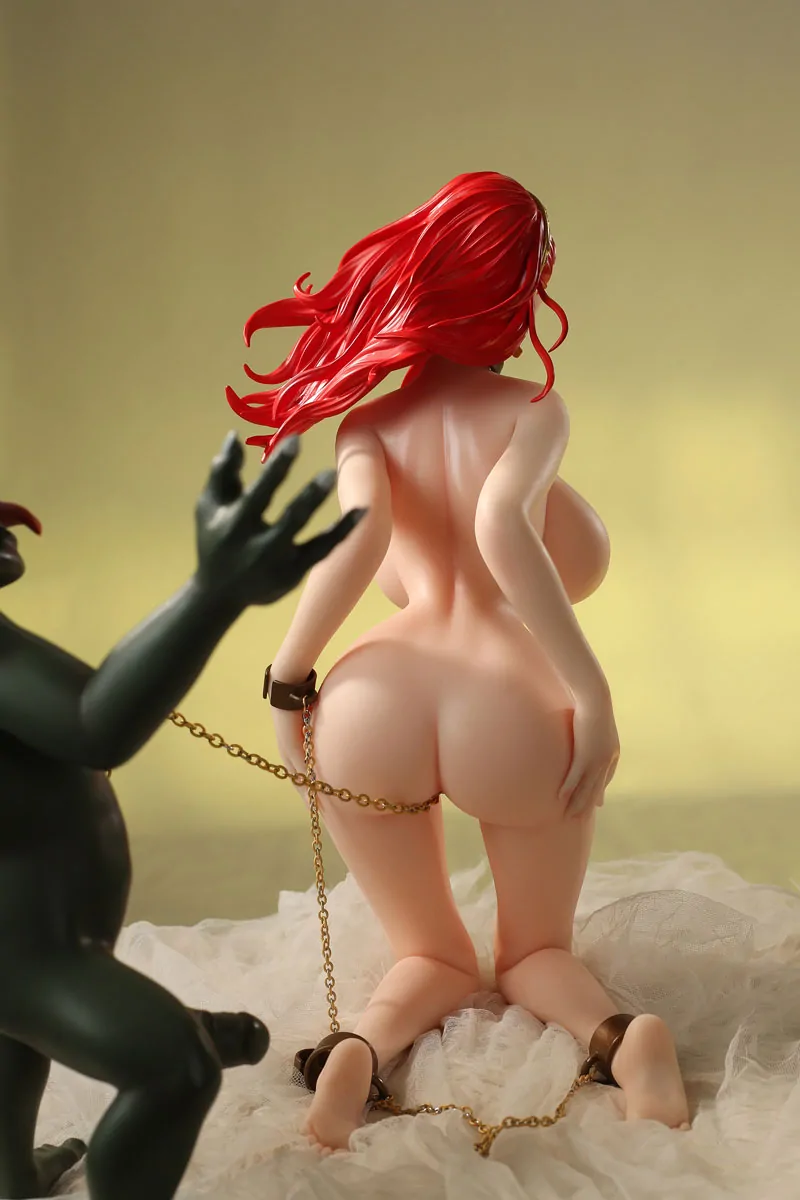
The Queen Pharnelis figure develops that idea through a composed expression, royal posture, dark-fantasy styling and a 65 cm silicone character body. Her appearance creates a strong dominant atmosphere for collectors who are drawn to powerful fantasy characters rather than conventional BDSM hardware.
That distinction matters. The figure works as a character object, display piece and private fantasy focus, but it should never be treated as safety-rated restraint equipment. Its appeal comes from the authority communicated through the character rather than from load-bearing function.
Readers comparing practical accessories, materials and different adult product formats can continue through the Adult Sex Toys & Accessories reference. The LORIBEAR shop presents more character-led adult collectibles with different personalities, body styles and fantasy aesthetics, giving collectors a broader way to explore visual dominance alongside conventional BDSM accessories.
 Aftercare is part of the scene
Aftercare begins when the active part of the experience ends. Some people want physical closeness, while others prefer water, warmth, food, quiet conversation or time alone.
There is no single correct routine. The important point is to discuss what helps each person feel comfortable after intensity drops.
Check areas that experienced pressure or impact. Bruising, abrasions, swelling or persistent pain deserve attention rather than being dismissed as part of the experience.
Emotional reactions can appear later as well. Someone who felt confident during the activity may feel unusually quiet or vulnerable afterward. A later conversation can help both people understand what worked and what should change next time.
Equipment also needs aftercare. Clean each item according to its material, allow it to dry completely and check fasteners before storage.
Retire equipment that no longer releases reliably or shows structural damage. Keep keys, cutting tools or other emergency-release equipment easy to locate rather than buried beneath the rest of the collection.
BDSM equipment questions
What is a sensible first restraint?
Broad adjustable cuffs with comfortable padding and an immediate release offer an easier starting point than narrow cord or complex rigid restraints.
What should I look for when buying BDSM equipment?
Check material, size, adjustment range, release method, edge finish and intended use. These details matter more than how dramatic the product looks.
Is a safeword enough?
No. Partners also need clearly discussed limits, active observation and a non-verbal stop signal when speech may become difficult. Either person should remain able to stop the activity immediately.
Can ordinary household objects be used for restraint?
Many household objects were not designed for body contact, load control or rapid release. Purpose-made equipment with known materials and predictable fasteners is easier to evaluate.
How should BDSM equipment be stored?
Clean and dry every item fully before storage. Separate materials that may react with each other and keep keys or emergency-release tools easy to find.