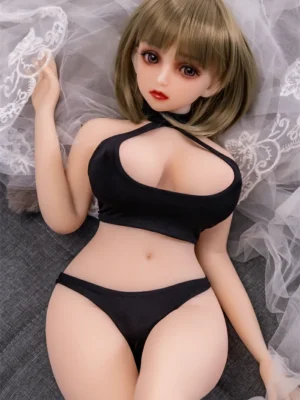
Anime Figures: Types, Materials and Collector Guide

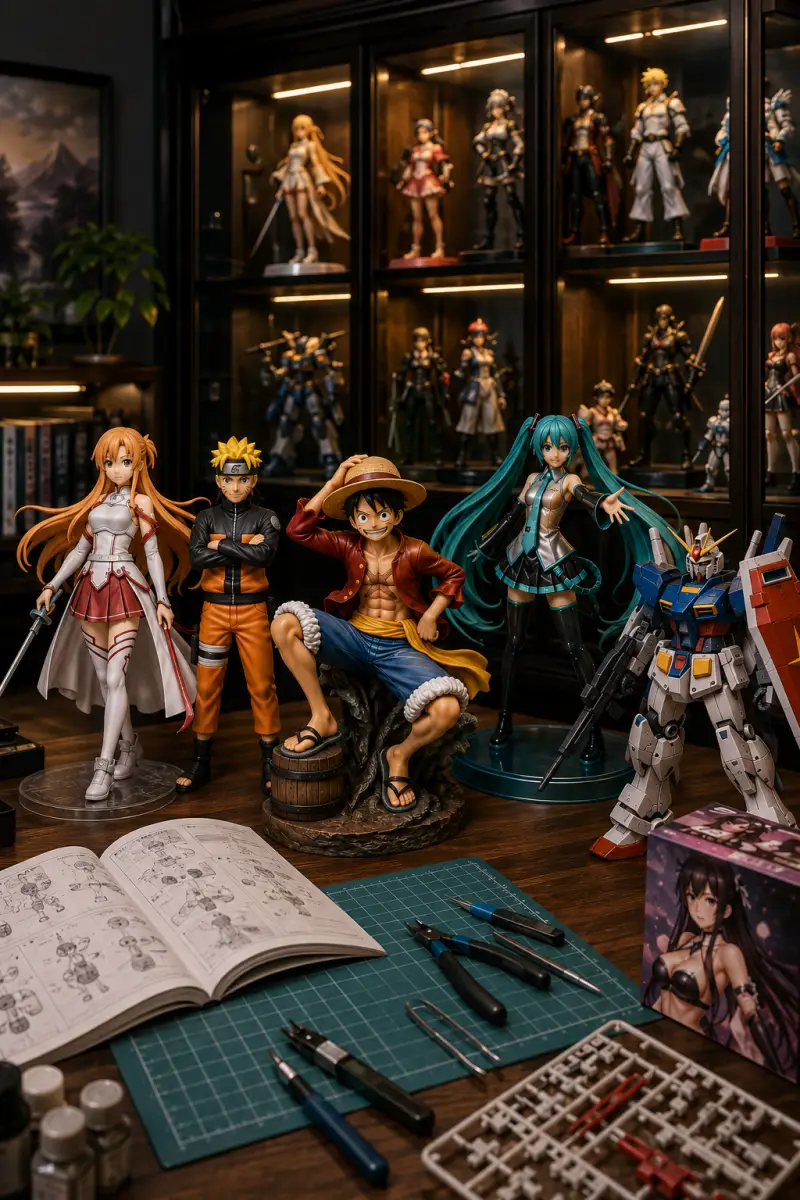
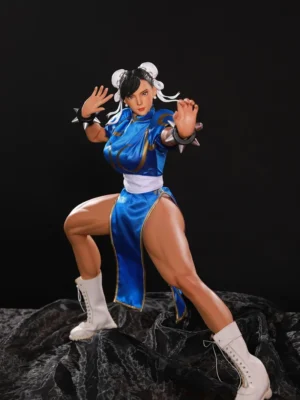
Anime figures give a two-dimensional character physical form, texture and presence. Collectors often connect first with a familiar face, distinctive hairstyle, recognisable costume or pose linked to a memorable scene. Therefore, the most satisfying figure is not automatically the most expensive or elaborate release. Character accuracy, construction quality, presentation style and the collector’s relationship with the source material matter much more.
The category also covers very different collecting experiences. Some figures focus on one fixed composition, while articulated designs allow the owner to change poses and recreate scenes. Model kits add the process of construction, whereas adult character figures place stronger emphasis on facial identity, body design, clothing and physical presence.
As a result, buyers should begin with the character and intended experience rather than price alone. Once those priorities are clear, it becomes easier to compare facial sculpting, articulation, materials, paint, accessories, authenticity, display requirements and long-term care.
Understand the Principal Anime Figure Formats
Different figure formats solve different collecting needs. A fixed figure gives the sculptor full control over the pose, while an articulated figure gives the collector more control after purchase. Meanwhile, a model kit adds building and finishing to the experience.
| Format | Main strength | Primary compromise |
|---|---|---|
| Prize figure | Accessible price and recognisable character display | Simpler paint, accessories and base construction |
| Fixed statue | Detailed sculpt and carefully controlled composition | Fixed pose and potentially fragile projecting parts |
| Action figure | Articulation, accessories and scene building | Visible joints and greater handling wear |
| Model kit | Personal involvement in assembly and finishing | Requires additional time, tools and care |
| Adult character figure | Strong facial identity, costume styling and body presence | Requires more attention to material, clothing, privacy and care |
None of these formats is automatically superior. Instead, the right format depends on whether the collector values a finished sculpt, changing poses, construction, character styling or a stronger physical interpretation of the character.
Start With the Character Before Comparing Products
A large catalogue can make anime figure collecting feel more complicated than it needs to be. Therefore, start with the character rather than browsing every available release.
Ask what makes that character memorable. The answer may be the face, hairstyle, costume, weapon, personality or one specific scene. Once that connection becomes clear, unsuitable versions become much easier to eliminate.
For example, a collector attached to a calm character portrait may not enjoy a highly aggressive battle interpretation, even when the latter uses more effects and a more complicated base. Likewise, someone who remembers a particular costume may find an alternate outfit visually attractive but emotionally less meaningful.
Character Accuracy Begins With Recognisable Signals
Hair silhouette, eye shape, costume colours and signature accessories often identify an anime character before fine sculpting becomes visible. Therefore, these features deserve attention before tiny surface details.
A technically polished figure can still feel wrong when the hairstyle changes too much, the eyes sit at an unfamiliar angle or the costume loses important colour relationships. By contrast, a simpler figure can feel immediately convincing when it preserves the right facial expression and silhouette.
Compare neutral product photographs with the version of the character that matters to you. Front and three-quarter views usually provide the clearest information because dramatic promotional angles can hide facial differences.
The Face Usually Determines Long-Term Satisfaction
Collectors often notice elaborate bases and body sculpting first, but the face usually determines whether the figure continues to feel recognisable over time.
Start with eye spacing, eyelid shape and gaze direction. Then compare the mouth, nose, eyebrows and the way the hair frames the face. Small changes can alter the entire expression.
In addition, inspect the face under neutral lighting when possible. Strong shadows, coloured LEDs and heavy editing can make subtle alignment problems much harder to notice.
Expression Should Match the Character and Scene
A pose and expression should support the same emotional idea. A relaxed body paired with an unusually aggressive face may feel disconnected unless the design intentionally recreates a particular moment.
Similarly, a confident character may need a stronger gaze and more controlled posture, while a quieter character may rely on subtle facial tension and restrained body language.
Therefore, do not judge expression according to how dramatic it looks. Judge whether it feels appropriate for the character.
Hair Is Part of the Sculpt, Not Just a Colour
Anime hairstyles often function like visual signatures. Colour matters, but volume, fringe position, strand direction and the overall silhouette matter just as much.
For example, a character can use the correct hair colour yet still feel unfamiliar when the fringe becomes too short or the hair volume changes the face shape.
Long hair also influences composition. Flowing sections can create movement, while large rigid strands may affect balance or contact neighbouring figures. Therefore, inspect both visual accuracy and practical construction.
Story Era and Costume Version Matter
Many characters change throughout a series. Clothing, hairstyle, age presentation, weapons and emotional tone may shift between story arcs, films or games.
Therefore, the character name alone does not always identify the figure accurately. A collector who prefers an early adventure design may feel little connection with a later transformation, even when the later release attracts more attention online.
Before buying, identify the exact version. Compare the outfit, accessories, expression and hairstyle with the source appearance you want to preserve.
Costume Accuracy Reinforces Character Identity
Costume details often carry more meaning than collectors initially expect. Collars, belts, gloves, stockings, armour, jewellery and small colour blocks can connect the figure with one exact period of the story.
Therefore, look beyond the overall colour scheme. Check whether signature details sit in the correct place and whether the clothing follows the character’s body naturally.
Alternate costumes can still create excellent figures, but the design should clearly present itself as a reinterpretation rather than accidentally losing the original identity.
Pose Should Communicate Personality
A strong pose does more than create movement. It should communicate something about the character’s personality, fighting style or emotional state.
For example, one character may suit a grounded defensive stance, while another feels more natural in an open and energetic pose. Meanwhile, an elegant character may communicate confidence through a controlled standing position rather than dramatic action.
Therefore, collectors should ask whether the pose feels specific to the character or could belong to almost anyone.
Fixed Figures Give the Sculptor Complete Control
A fixed figure removes the mechanical requirements of articulation. Consequently, the sculptor can create smoother body lines, cleaner clothing transitions and more controlled hair movement.
This format works particularly well for collectors who want one complete interpretation. The body, expression, accessories and base can all support a single moment without visible joint gaps interrupting the composition.
However, the collector cannot correct an awkward pose later. Therefore, facial expression, body balance and viewing angle need to work from the beginning.
Action Figures Give the Collector More Control
Action figures create a different relationship with the character because the owner can change posture, hands, facial expressions and accessories.
This flexibility works especially well for scene recreation. Characters can interact, fight, stand together or change expression without requiring a new figure for every idea.
However, articulation introduces visible joints and repeated handling. Therefore, buyers should inspect shoulder movement, hip movement, knees, ankles and the stability of accessory connections.
Useful Articulation Matters More Than Joint Count
A figure can include many joints yet still struggle with important poses because clothing, armour or hair blocks movement.
Therefore, look at photographs that demonstrate actual articulation rather than relying on the number of joints listed in the specifications.
Check whether the figure can maintain a natural neutral stance as well as more dramatic poses. Stability matters just as much as maximum movement.
Alternate Faces and Hands Should Create Real Variety
Extra accessories add value when they support genuinely different character moments. A relaxed face, battle expression and alternate hand set can transform one figure much more effectively than several accessories that all create nearly the same pose.
Therefore, examine how the included parts work together. In addition, check small connectors and adapters because one missing peg can make multiple accessories unusable.
Model Kits Add the Building Process
Anime model kits appeal to collectors who want to participate directly in creating the finished object. Instead of receiving a completed figure, the builder cuts parts from runners, assembles components and decides how far to take the finishing process.
A simple straight build may already look attractive, while another project can include sanding, decals, panel lining or painting.
Builders can continue with anime model kit assembly for a more detailed look at construction, tools and finishing.
Materials Affect Both Detail and Ownership
Anime figures use different materials according to the desired structure and finish. PVC commonly appears in sculpted bodies, clothing and hair because it balances detail with some flexibility.
ABS often supports harder structural parts, bases and articulated components. Meanwhile, resin can create crisp sculpting and complex forms, although thin resin parts usually require more careful handling.
Adult character formats may also use silicone, TPE or mixed-material construction. These materials create a different tactile and visual experience from rigid PVC or resin.
Therefore, product listings should identify the actual materials rather than forcing buyers to infer them from photographs.
PVC Can Produce Excellent Character Detail
PVC appears frequently because manufacturers can mould detailed faces, hair and costumes while keeping some projecting components slightly flexible.
However, thin sections can bend under unsuitable heat or pressure. Therefore, avoid storing delicate hair, weapons or clothing details against hard surfaces for extended periods.
ABS Adds Structure Where Rigidity Helps
Manufacturers often use ABS for joints, frames, bases or other components that benefit from more rigidity.
In articulated figures, this combination can allow PVC outer parts to handle appearance while ABS supports movement and structure.
Therefore, mixed rigid-plastic construction does not indicate lower quality. It often reflects different functional requirements within the same figure.
Resin Prioritises Sharp Sculpting
Resin can reproduce fine textures and crisp edges particularly well. For that reason, collectors often encounter it in detailed statues and elaborate effect pieces.
However, brittle projecting parts may chip when dropped or struck. Hair tips, fingers, weapons and decorative elements therefore need careful handling.
When buying used resin figures, request close photographs of these vulnerable areas.
Soft-Bodied Character Figures Create a Different Experience
Silicone, TPE and mixed-material character designs move beyond the rigid construction of conventional shelf figures. Instead, they combine character identity with softer surfaces, clothing and more tactile body presentation.
These products also require different care. Material compatibility, clothing contact, support, cleaning and storage matter more because flexible surfaces react differently from rigid plastic.
Therefore, collectors should compare them according to their own construction rather than treating them simply as another PVC figure style.
Paint Quality Can Change the Entire Figure
A strong sculpt still depends on accurate finishing. Eye placement, eyebrow alignment, costume boundaries and subtle colour transitions can determine whether the figure feels polished.
Therefore, inspect the areas where two colours meet. Paint crossing an eye line or costume edge can become more noticeable than a small mould seam elsewhere.
Likewise, skin tone should remain visually coherent across the face, neck and exposed body areas.
Gloss Should Support the Material Being Represented
Different surfaces should not necessarily reflect light in the same way. Metallic armour, polished leather, wet effects and satin can justify stronger gloss, while skin may look more convincing with a softer finish.
Therefore, an evenly shiny figure can lose depth even when the paint itself remains clean.
Controlled variation in finish often makes different materials easier to distinguish visually.
Price Should Be Compared With Completeness
Cheap anime figures can offer excellent value when the buyer understands what the lower price includes. Simpler bases, fewer accessories or less complex paint do not automatically make a figure poor.
The problem begins when photographs misrepresent the product, important parts disappear from the package or the seller provides too little information to compare the release properly.
Therefore, evaluate the complete product rather than using price as a quality score.
Check Exactly What Comes in the Package
Promotional photographs may show alternate faces, hands, weapons, bases or effects. However, not every displayed component necessarily comes with every release or configuration.
Before buying, check the complete contents list. For second-hand purchases, compare the seller’s parts with the original release contents.
Small connectors, adapters and support pieces deserve particular attention because they disappear easily.
Low Price Can Reflect Simpler Construction
A lower-cost figure may use fewer paint stages, a basic base and a less complicated pose. That does not necessarily reduce character recognition or enjoyment.
For collectors who care primarily about one face or costume, a simpler release may provide more satisfaction than a complicated statue with an inaccurate expression.
Therefore, compare what matters to you rather than assuming higher price automatically means better collecting value.
Authenticity Is Evaluated Through Consistency
Packaging alone cannot prove authenticity because boxes, labels and printed marks can be copied.
Instead, compare the sculpt, facial detail, paint, base markings, accessories, packaging and seller history together.
Blurred logos, missing manufacturer information, unusually soft facial sculpting and colour differences from documented releases deserve closer attention.
Authentic products can still show minor production variation. Therefore, the goal is consistency with the known release rather than unrealistic perfection.
Seller Information Matters
A clear seller identity provides another useful signal. Product pages should explain what the buyer receives and offer enough information to identify the release.
The UK Office for Product Safety and Standards recommends checking the seller, description, instructions, warnings and relevant safety information when buying online.
A familiar marketplace name does not automatically guarantee every third-party listing. Therefore, buyers should still evaluate the individual seller.
Keep Purchase Records
Invoices, product pages and photographs can help identify the exact release later. They also create a useful condition record when the figure first enters the collection.
Therefore, save the order confirmation and key product information rather than relying on memory.
This becomes especially useful when several similar versions of the same character exist.
Second-Hand Figures Need Condition Checks
A genuine second-hand figure may still have loose joints, paint rub, faded areas or missing accessories.
Therefore, request photographs of the actual item rather than relying on stock images.
Check the face, base, joints, hair, weapons and every attachment point. In addition, ask whether the figure experienced prolonged sunlight, smoke or damp storage.
Packaging Condition and Figure Condition Are Different
A damaged box can still contain an excellent display figure. Conversely, an attractive box can hide loose joints, missing parts or damaged paint.
Therefore, decide whether packaging itself matters to your collecting goals before paying a premium for it.
Original internal packaging can still provide practical value when transporting fragile statues or storing spare accessories.
Display Is an Act of Interpretation
A display can change how the same figures feel together. Collectors can organise characters by story, colour, relationship, costume or emotional contrast.
For example, allies can share one visual group while rivals face one another. Meanwhile, quieter characters may benefit from more open space rather than standing beside several large battle effects.
Therefore, arrangement should support the story the collector wants the display to communicate.
Leave Space Around Each Silhouette
Crowding every figure together can hide the pose and create unnecessary contact between hair, weapons and neighbouring parts.
Instead, leave enough space for each silhouette to remain readable.
This also makes cleaning easier because the collector can reach the figure without repeatedly touching nearby pieces.
Use Height Differences to Improve Visibility
A rear figure can disappear when every base sits at the same level. Risers and carefully chosen platforms can create more depth.
However, stability should remain the priority. The complete base should sit securely rather than hanging over the edge simply to create a more dramatic arrangement.
Lighting Should Reveal Character Detail
Soft light from the front and slightly above helps reveal faces, costume texture and paint transitions while reducing strong shadows under hair.
Backlighting can make translucent effects more dramatic, but it should not leave the face unreadable.
Therefore, balanced lighting usually works better than one intense coloured source.
Protect Figures From Direct Sunlight and Excessive Heat
Long-term environmental conditions affect plastic and paint. Direct sunlight can fade colour, while excessive heat can encourage deformation in some materials.
Therefore, avoid permanent display on bright window ledges or close to strong heat sources.
The Canadian Conservation Institute provides broader guidance on how plastics and modern materials change over time.
Dust With Gentle Tools
Dust gathers around hair, costume folds and base details. Regular light cleaning usually works better than allowing a heavy layer to build up.
Use a soft brush while supporting fragile parts. Do not use thin hair strands, weapons or accessories as handles.
Build a Collection Around a Clear Idea
A meaningful anime figure collection does not need every available release. Instead, a clear theme can guide future purchases.
One collector may focus on a single character across different story periods. Another may collect characters from one franchise, while someone else may prefer elegant character portraits rather than battle scenes.
As a result, every addition strengthens the existing collection rather than simply occupying more space.
Character Relationships Can Guide the Display
Characters often become more meaningful when placed beside someone connected to their story. Friends, rivals, partners and opponents can create visual relationships without requiring elaborate scenery.
Therefore, consider what the next figure contributes to the current display rather than judging it only as an isolated object.
When a Character Becomes More Than a Shelf Object
Some collectors become most attached to the face, clothing and fictional personality rather than the conventional figure format itself.
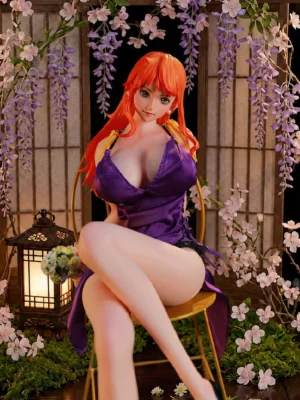
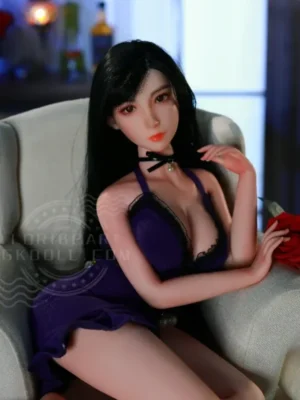
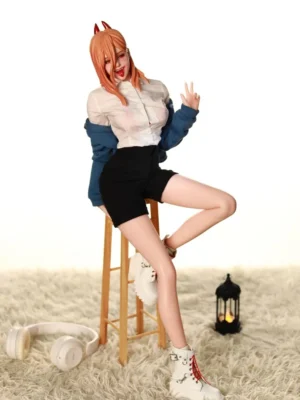
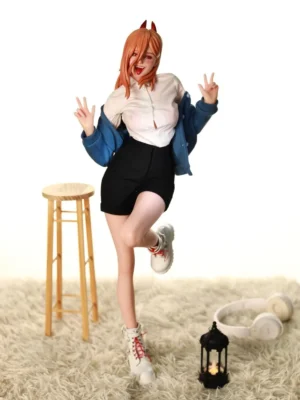
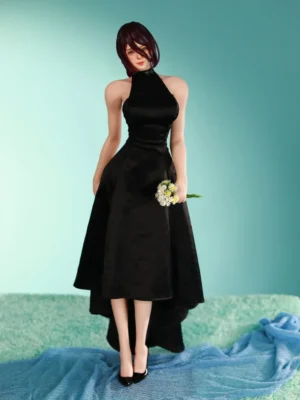
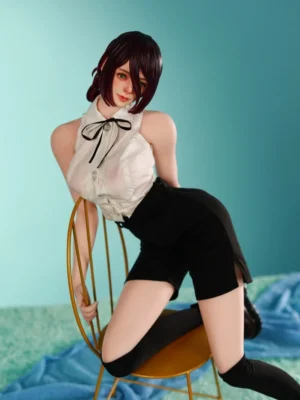
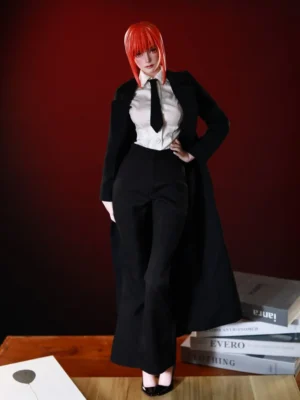
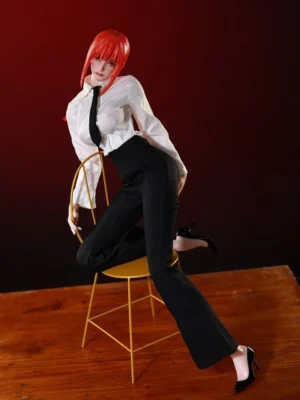
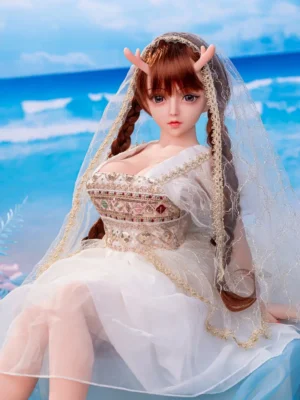
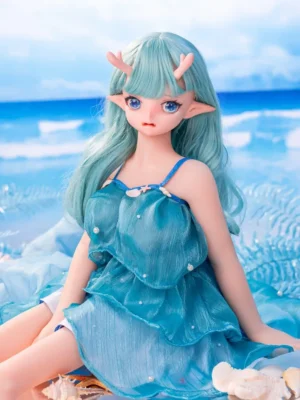
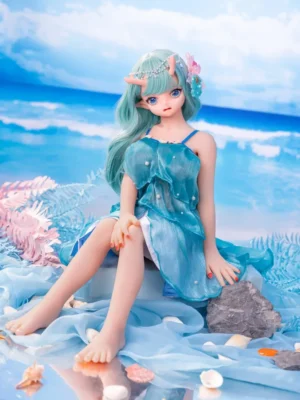
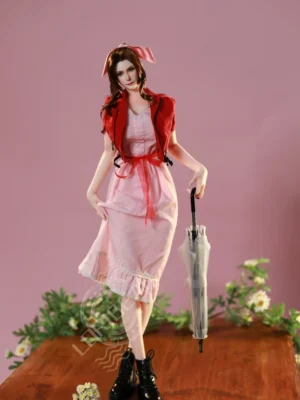
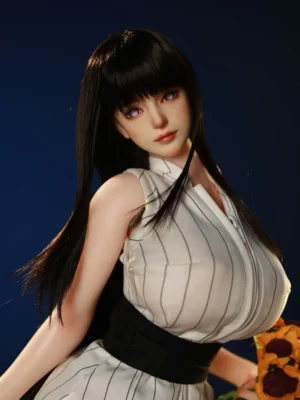
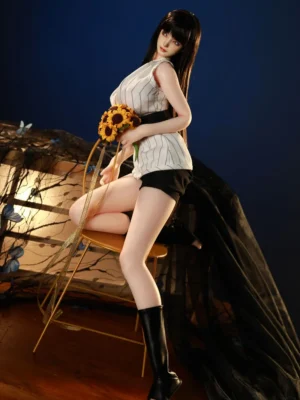
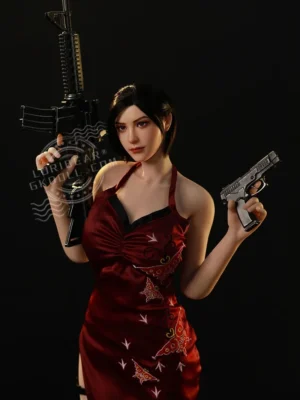
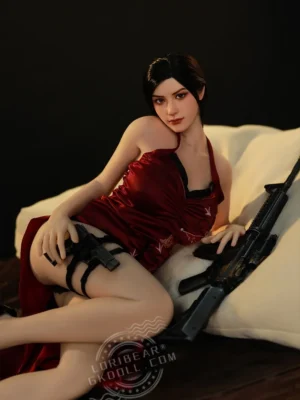
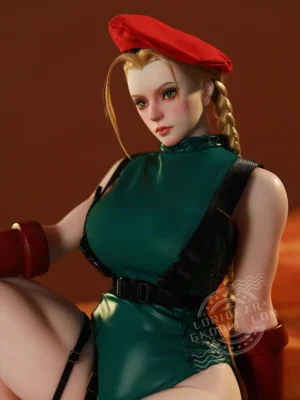
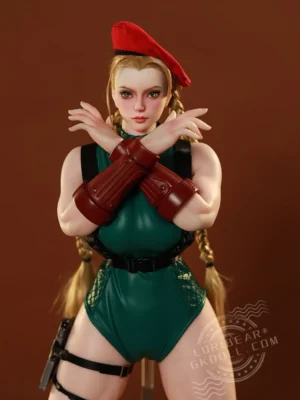
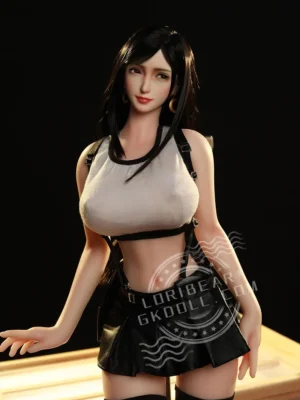
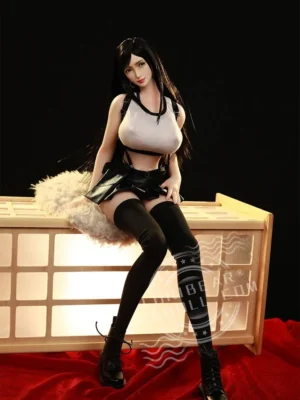
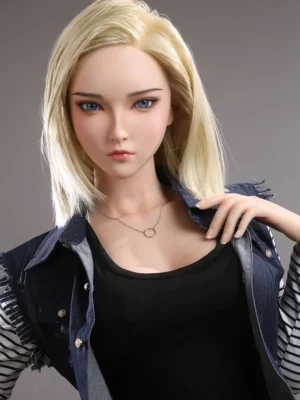
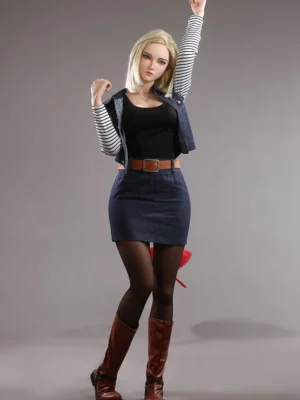
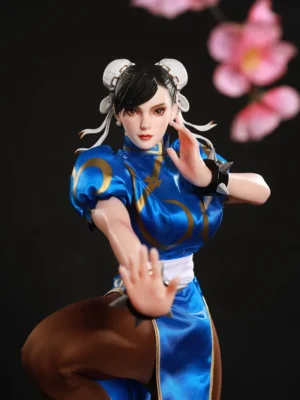
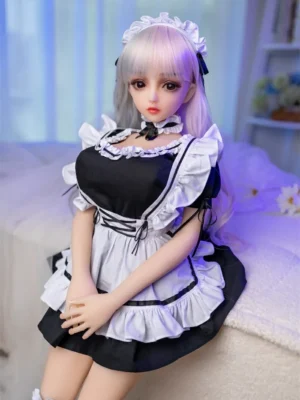
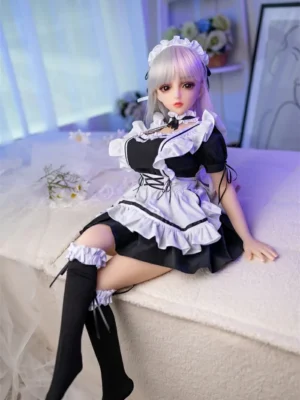
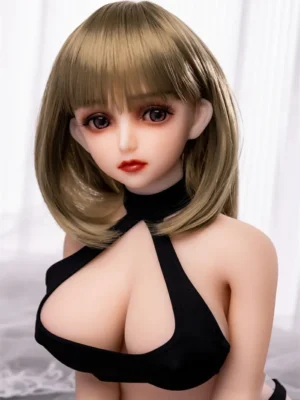
The LORIBEAR Anime Figures collection develops that character-focused interest through completed anime-inspired designs where facial identity, hairstyle, body presentation and clothing work together.
The Tifa Lockhart adult figure provides one example. Her recognisable hairstyle, facial styling, clothing and character-focused body presentation create a more intimate interpretation of a familiar game character.
This type of product creates a different collecting experience from a conventional PVC statue. Therefore, material, clothing, care, handling and privacy deserve their own consideration alongside character accuracy.
Character Identity Should Remain the Priority
Whether the product uses rigid PVC, articulation or a soft body, the same basic principle applies: the character should remain recognisable.
Face, hairstyle, expression, costume and posture should support one another. A highly detailed body cannot compensate for a generic face, while an accurate face can make a stylised interpretation feel immediately familiar.
Therefore, character identity provides a useful standard across very different anime collectible formats.
Use Wider Guides to Compare Different Figure Formats
The Anime Figures & Collectibles reference connects figure formats with model kits, shops, gifts, display and care.
Builders who want more direct involvement in creating the finished object can continue with anime model kit assembly.
Anime Figure Buying Checklist
- Choose the character before comparing prices.
- Identify the exact costume, story era and expression.
- Compare neutral front and three-quarter facial views.
- Check hairstyle, costume colours and signature accessories.
- Decide whether fixed display, articulation or character-focused styling matters most.
- Inspect joint movement and stability on action figures.
- Check the base and support structure on fixed figures.
- Confirm every included face, hand, weapon and accessory.
- Identify the actual materials from the product specification.
- Inspect paint alignment, seams and skin-tone consistency.
- Check second-hand products using actual photographs.
- Compare seller information and documented release details.
- Keep invoices and important product records.
- Plan a stable display with enough separation between silhouettes.
- Protect the collection from prolonged direct sunlight and excessive heat.
Frequently Asked Questions
What is the difference between an anime figure and an anime statue?
Anime figure is the broader term. A statue generally describes a fixed composition without functional articulation, while the wider figure category can include articulated products, model kits and other character formats.
Are Japanese anime figures always made in Japan?
No. Japanese characters and brands may use manufacturing facilities in different countries. Therefore, check the individual manufacturer, product and seller information rather than judging origin from the character alone.
Why do some anime figures cost more than others?
Price can reflect sculpt complexity, paint stages, accessories, construction and production methods. However, higher price does not guarantee better character accuracy or personal collecting value.
Can action figures be left in extreme poses?
Extreme poses can place continuous leverage on joints and supports. Therefore, use the intended stand where appropriate and return the figure to a more relaxed position when long-term stress becomes a concern.
How can a low-price figure be evaluated?
Check seller identity, actual photographs, materials, included parts, face accuracy, paint quality and return terms. A lower price can still provide good value when the product description remains clear and accurate.
What should I inspect first on an anime figure?
Start with the face and hairstyle because they usually carry the strongest character recognition. Then compare costume, pose, paint and accessories.
Are articulated figures better than fixed figures?
Neither format is universally better. Articulated figures provide changing poses and accessories, while fixed figures usually offer cleaner uninterrupted sculpting.
Can figures from different manufacturers share one display?
Yes. Similar visual proportions, eye lines, colour balance and character relationships can create a coherent display even when the products come from different manufacturers.
How should anime figures be cleaned?
Use gentle tools appropriate for the material and support delicate components while cleaning. Avoid pulling hair, weapons or small accessories while removing dust.
Sources
- GOV.UK: online shopping safety checks
- Canadian Conservation Institute: plastics and modern materials
Further character and collecting routes are organised in the Collector Guides.
Explore Anime-Inspired Character Dolls at LORIBEAR
For collectors who also value character identity, facial detail, body proportions and costume styling, the LORIBEAR shop offers anime-inspired sex dolls built around recognisable character presentation and detailed body design.
The current collection includes different characters and material configurations, including TPE, silicone and mixed-material options. Depending on the model, collectors can compare distinctive hairstyles, removable clothing, body proportions and different character-focused presentations.
Browse the LORIBEAR collection to compare the available characters, materials and designs and find the model that best matches your preferred character style and collecting needs.