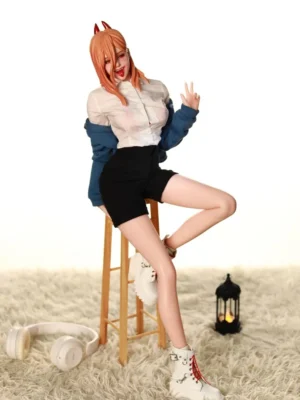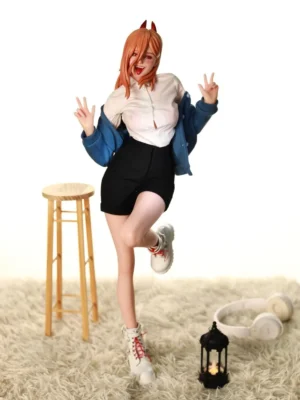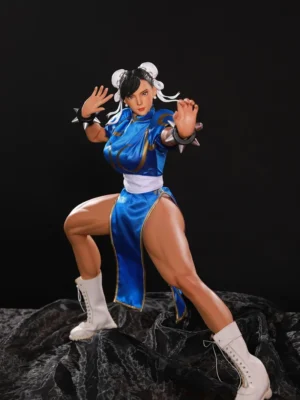
- Chainsaw Man
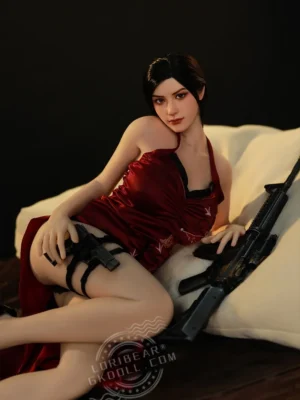
- Resident Evil
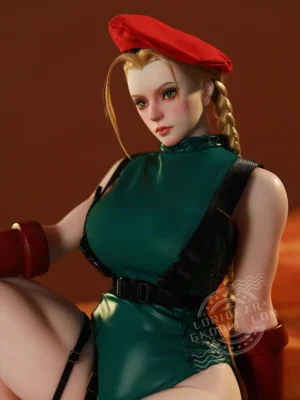
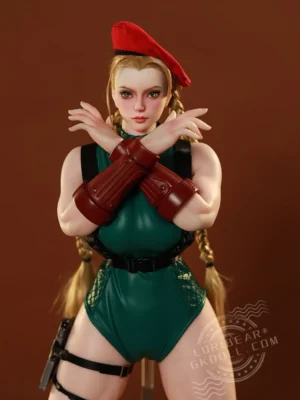
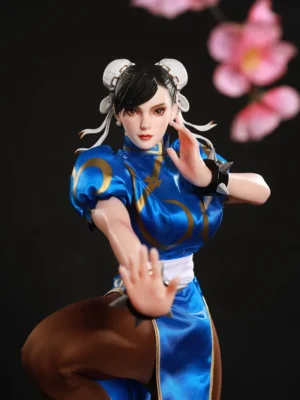
- Street Fighter
- Spy x Family Figures
- Azur Lane
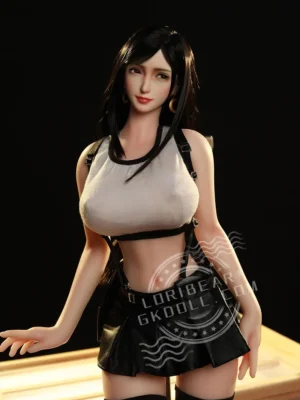
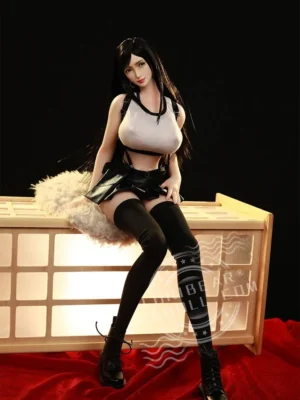
- Final Fantasy
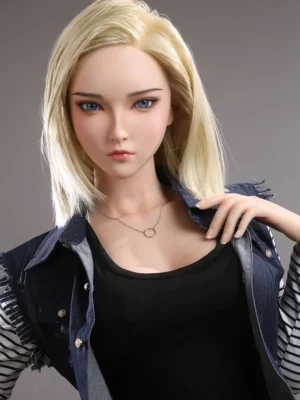
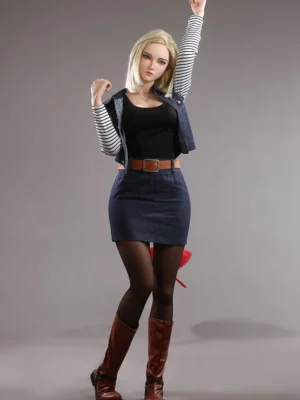
- Dragon Ball
- Naruto
- Neon Genesis Evangelion
- Nier: Automata
- Kuroinu Figures | Olga Discordia Dark Elf
- Queen Pharnelis-Goblin
- Non Virgin Bunny Girl
- Prison School
- The King of Fighters
- One Piece
- Figure Heads & Accessories
Zoro Roronoa Figure: Choose the Right Era and Pose

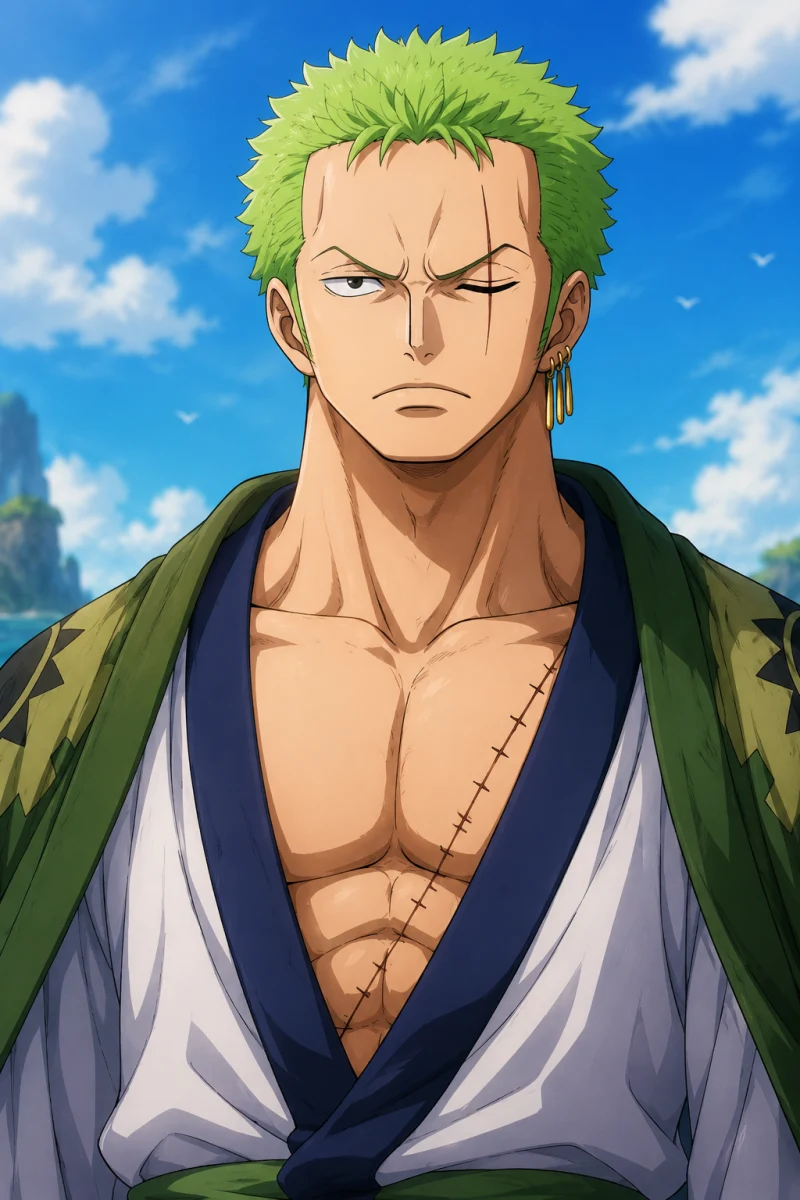
A Zoro Roronoa figure should capture more than green clothing, three swords and a muscular body. For One Piece collectors, the real attraction comes from recognising the version of Zoro that represents a favourite stage of his journey: the disciplined swordsman who trains relentlessly, protects his crew and continues moving toward his promise of becoming the world’s greatest swordsman.
That makes character accuracy especially important. Zoro changes noticeably across the story. His costume, physical build, scars and even the swords at his side reflect different periods of his development. A beautifully sculpted figure can therefore still feel wrong if it combines details from an era the collector does not connect with.
The strongest Zoro figures make his personality visible before the viewer even studies the accessories. His stance should feel grounded, his expression controlled and his swords positioned with purpose. When those elements come together, the figure immediately reads as Roronoa Zoro rather than simply another muscular anime swordsman.
Choose the story era before comparing brands
The first decision should be which Zoro the collection is meant to represent. Early-series Zoro has a younger appearance and is strongly associated with his white shirt, dark trousers and green haramaki. This version reflects the beginning of his journey and often appeals to collectors who remember the original Straw Hat crew aesthetic most strongly.
Post-timeskip Zoro has a much heavier physical presence. His broader shoulders, more developed musculature, closed left eye and prominent torso scar make the later character immediately recognisable. A figure representing this period should reflect that maturity rather than simply adding scars to an early-series body.
Wano introduces another distinct visual identity through different robes, accessories and sword combinations. These designs can look spectacular on display, but they belong to a very specific part of the story.
Sword selection can reveal the era just as clearly as the costume. Wado Ichimonji remains central to Zoro’s identity, while Sandai Kitetsu, Shusui and Enma belong to different stages of his journey. A collector who cares about story accuracy should check the sword combination rather than assuming any three blades are correct.
Choosing the era first prevents rarity, dramatic effects or a limited-edition label from distracting from the version of Zoro that actually created the emotional connection.
The pose should communicate swordsmanship
Zoro’s body language is one of the fastest ways to judge whether a figure understands the character. He rarely needs an exaggerated facial expression to look dangerous. A stable stance, controlled shoulders and deliberate sword placement can communicate far more.
A neutral standing pose works particularly well when the goal is to appreciate his costume, physique, scars and swords. It creates a clean silhouette and allows Zoro’s physical confidence to carry the figure.
Battle poses require more precision. The hips, shoulders and planted foot should make the attack feel driven by the entire body. If the torso appears to lean without support, dramatic energy effects and flying clothing will not make the movement convincing.
Three Sword Style creates an additional challenge. The sword held in the mouth should align naturally with the head and neck rather than looking like an accessory attached after the pose was designed. The other two blades should create readable lines instead of crossing awkwardly in front of the body.
Rear and side photographs are useful because they reveal whether the pose still works when the figure is not viewed from its promotional angle. A strong Zoro sculpt should retain the tension and balance of a swordsman from several directions.
Sword identity and attachment deserve close inspection
Zoro’s swords are not interchangeable decorative props. They carry history, relationships and progression through the story, which makes their accuracy important to many collectors.
Look closely at guard shapes, handles, scabbard colours and blade proportions. If the listing shows several swords or alternate accessories, confirm exactly which pieces are included with the selected version.
The attachment method also affects ownership. Removable swords make packing and repositioning easier, while permanently fixed blades may create a cleaner composition. Either design can work well when the connection feels secure.
Thin blades deserve particular attention. Softer plastic may gradually bend, while brittle resin can snap after a small impact. Long swords that extend beyond the base should have enough clearance that a cabinet door, sleeve or nearby figure cannot catch them.
For articulated versions, also check whether Zoro can hold each sword securely without stretching the hand or loosening the wrist joint. A sword-heavy character needs accessories that remain convincing after repeated posing.
Face and body should show controlled intensity
Zoro’s expression is usually more effective when it feels controlled rather than exaggerated. A furrowed brow, firm jaw and focused eye direction can communicate concentration without turning the character into a generic angry warrior.
The shape of the face matters just as much. Zoro should retain the recognisable proportions of his head, hairstyle and jaw rather than being redesigned around an oversized muscular body.
Later versions should clearly communicate his increased physical strength. Broad shoulders, defined arms, chest and torso can give the figure a powerful presence, but the proportions still need to remain coherent from head to hands.
His scars also need purpose. The closed left eye and torso scar are major visual markers of later Zoro, while battle damage should correspond to the interpretation being represented. Adding extra cuts, veins and muscles does not automatically make the character more accurate.
Camera angles can exaggerate body width dramatically, so neutral front and profile photographs provide a better impression of the actual sculpt than a single low-angle promotional image.
 Action figures and statues serve different collectors
An articulated Zoro action figure suits collectors who want to recreate sword techniques, change stances or photograph different battle moments. Interchangeable hands, faces and sword positions can significantly extend the display possibilities.
The compromise is usually visible articulation. Shoulder, elbow, hip and knee joints may interrupt the clean lines of Zoro’s physique or clothing, especially when viewed closely.
A fixed PVC or resin figure approaches the character differently. The sculptor controls the complete silhouette, allowing the clothing, swords, hair and body movement to form one planned composition. This often creates a stronger visual impact on a permanent display.
Large Zoro statues can make his swordsman presence especially impressive, but the combination of long blades and dynamic effects can require considerable display space. The actual width and depth should therefore be checked alongside height.
The better format depends on how the collector wants to experience Zoro. Someone who enjoys changing Santoryu poses may value articulation, while someone who wants one definitive image of the character may prefer a carefully composed statue.
Edition claims should be supported by evidence
Words such as limited, exclusive and authentic should never replace evidence. Manufacturer markings, licence labels, packaging details, certificates and traceable retailer information provide much stronger support.
Compare the face, swords, base and accessories with official images whenever possible. Zoro’s popularity means that inaccurate copies can imitate the overall colour scheme while losing the facial proportions and smaller sword details that make the original release convincing.
An unusually low price deserves careful examination. It may indicate a reproduction, incomplete accessories, damaged packaging or a pre-owned item presented without enough information.
For second-hand Zoro figures, ask specifically about bent swords, damaged scabbards, paint rub around the hands, loose pegs and repairs. Smoke exposure and direct sunlight can also change white, green and skin-tone surfaces over time.
Photographs of the actual item are far more useful than stock images when condition is part of the buying decision.
Build a One Piece display around relationships, not only scale
A Zoro figure becomes more interesting when the surrounding collection reinforces the world he belongs to. Other Straw Hat characters can create an obvious crew connection, while characters from particular arcs can turn a shelf into a visual reminder of a specific part of the story.
The figures do not need identical poses or materials. In fact, contrast can make individual characters easier to appreciate. Zoro’s sharp swords, muscular build and restrained expression naturally create a harder silhouette than characters designed around elegance or glamour.
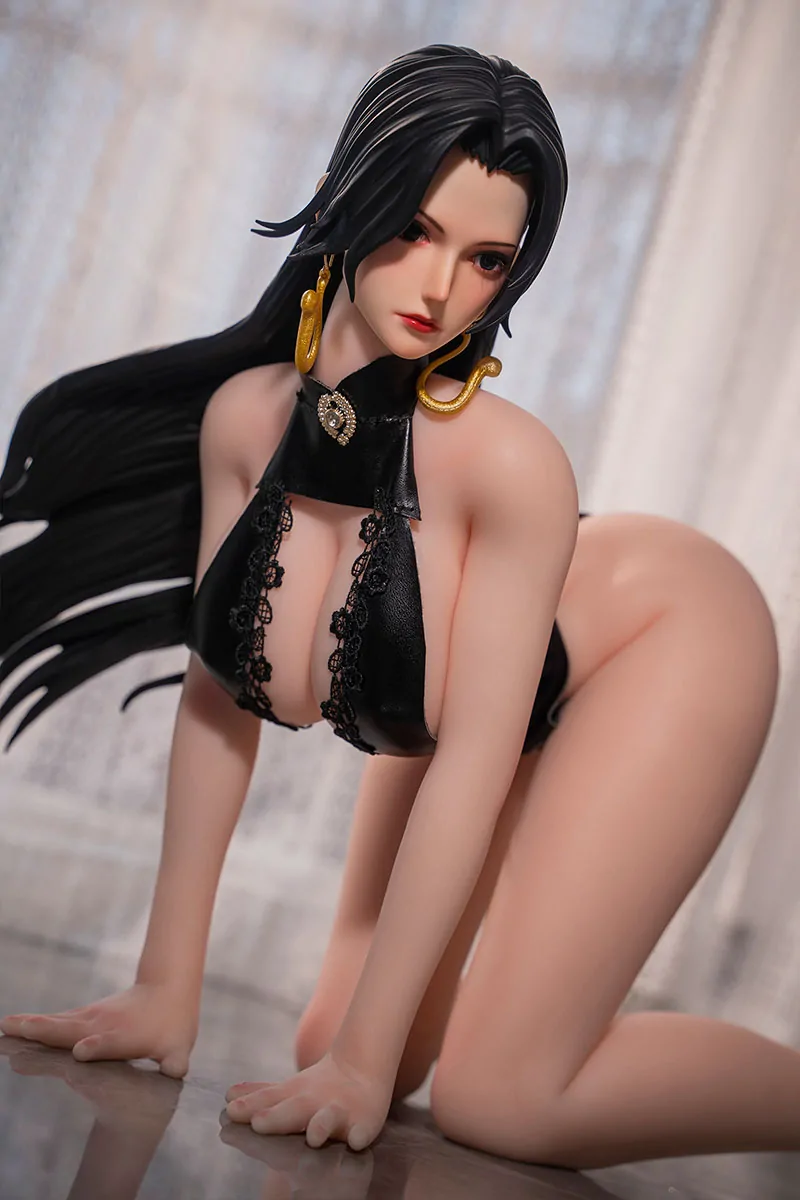
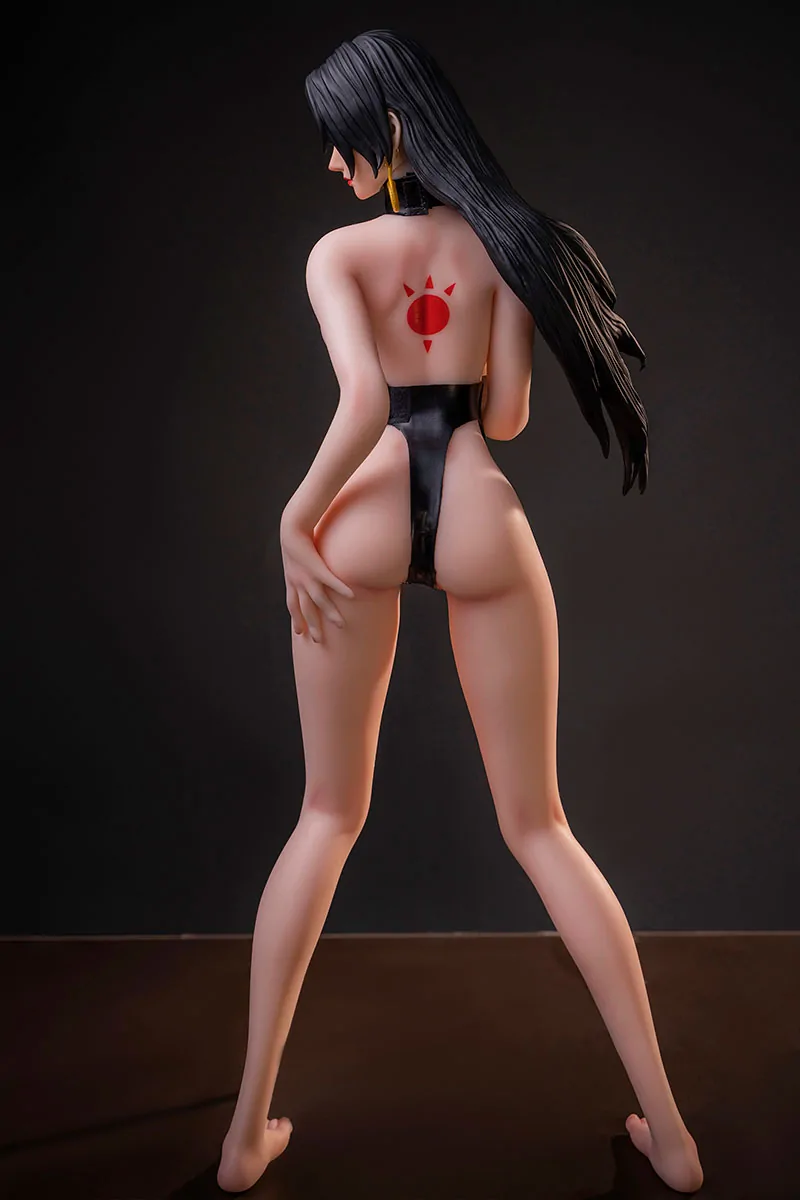
The Boa Hancock figure provides that contrast through a 67.5 cm silicone character body, alternative facial presentations and different costume options. Her elegant curves and composed empress presence bring a distinctly different side of One Piece into an adult character collection, allowing both personalities to remain visually strong instead of competing for the same effect.
Collectors building beyond a single character can use the Anime Doll Brands & Series reference to compare character lines and different collectible formats. The LORIBEAR shop brings together a wider selection of anime- and game-inspired character figures, making it possible to develop a collection around the characters and visual styles that matter most.
The official One Piece character profile for Roronoa Zoro identifies him as the Straw Hat crew’s swordsman and explains the promise and ambition behind his pursuit of becoming the world’s greatest swordsman.
 Zoro figure questions
Which Zoro design should I choose?
Choose the version connected to the part of One Piece you value most. Early Zoro, post-timeskip Zoro and Wano-era designs have noticeably different costumes, physiques, scars and sword combinations.
Which details make a Zoro Roronoa figure immediately recognisable?
His green visual elements, short green hair, swords, serious expression and characteristic stance are important. Later versions also rely heavily on his closed left eye, torso scar and more powerful build.
Should all three swords be removable?
Not necessarily. Removable swords provide more flexibility for posing and storage, while fixed swords can create a cleaner and more stable composition. What matters is whether the attachment method suits the intended display.
Is a Zoro statue better than an action figure?
A statue provides a finished pose and cleaner silhouette, while an action figure allows the collector to recreate different sword techniques. The better choice depends on whether permanent presentation or repeated posing matters more.
What should be checked on a second-hand Zoro figure?
Check sword straightness, scabbards, hand sockets, base pegs, paint condition, repairs and missing accessories. Ask for photographs of the actual figure rather than relying only on promotional images.