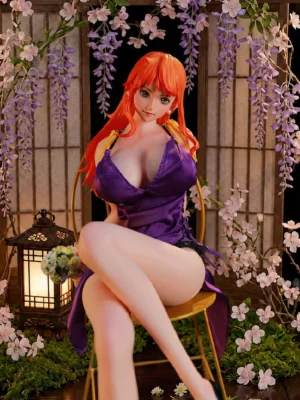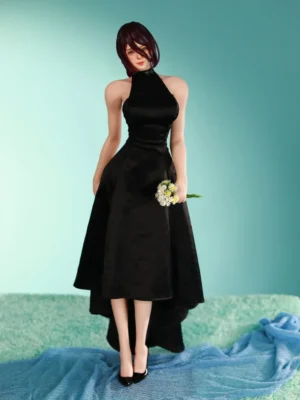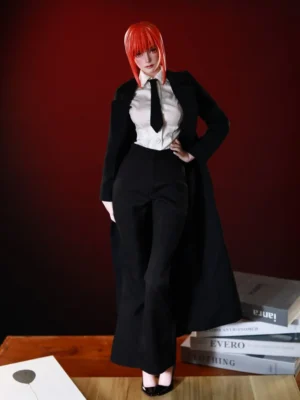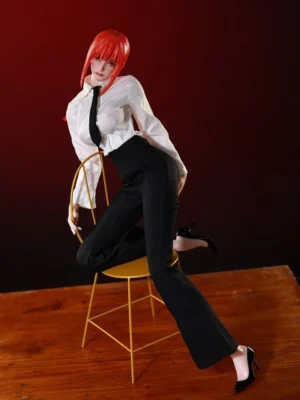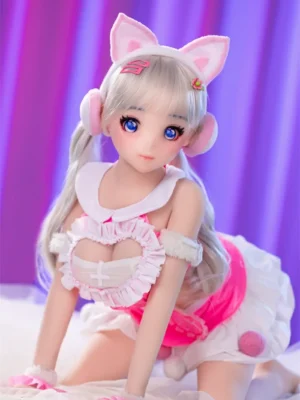
- Chainsaw Man
- Resident Evil
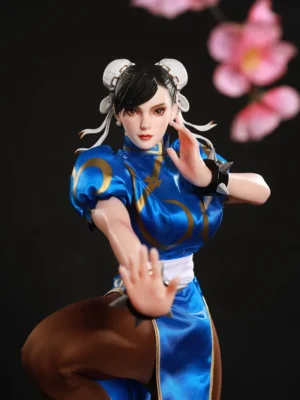
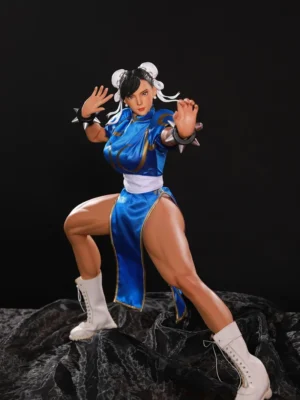
- Street Fighter
- Spy x Family Figures
- Azur Lane
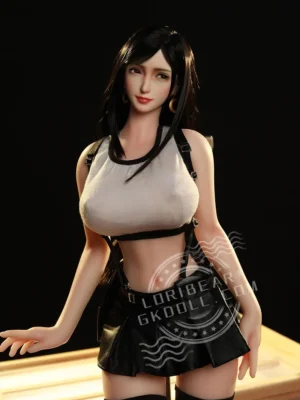
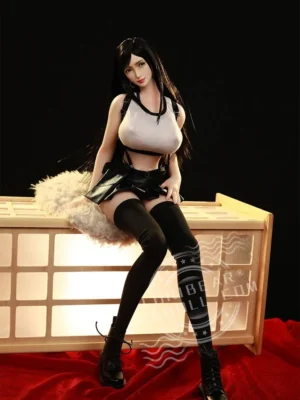
- Final Fantasy
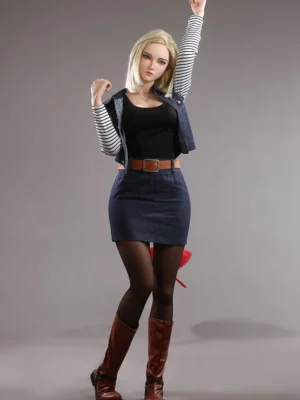
- Dragon Ball
- Naruto
- Neon Genesis Evangelion
- Nier: Automata
- Kuroinu Figures | Olga Discordia Dark Elf
- Queen Pharnelis-Goblin
- Non Virgin Bunny Girl
- Prison School
- The King of Fighters
- One Piece
- Figure Heads & Accessories
Sex Doll Ebony Skin Tones: Colour, Finish and Care

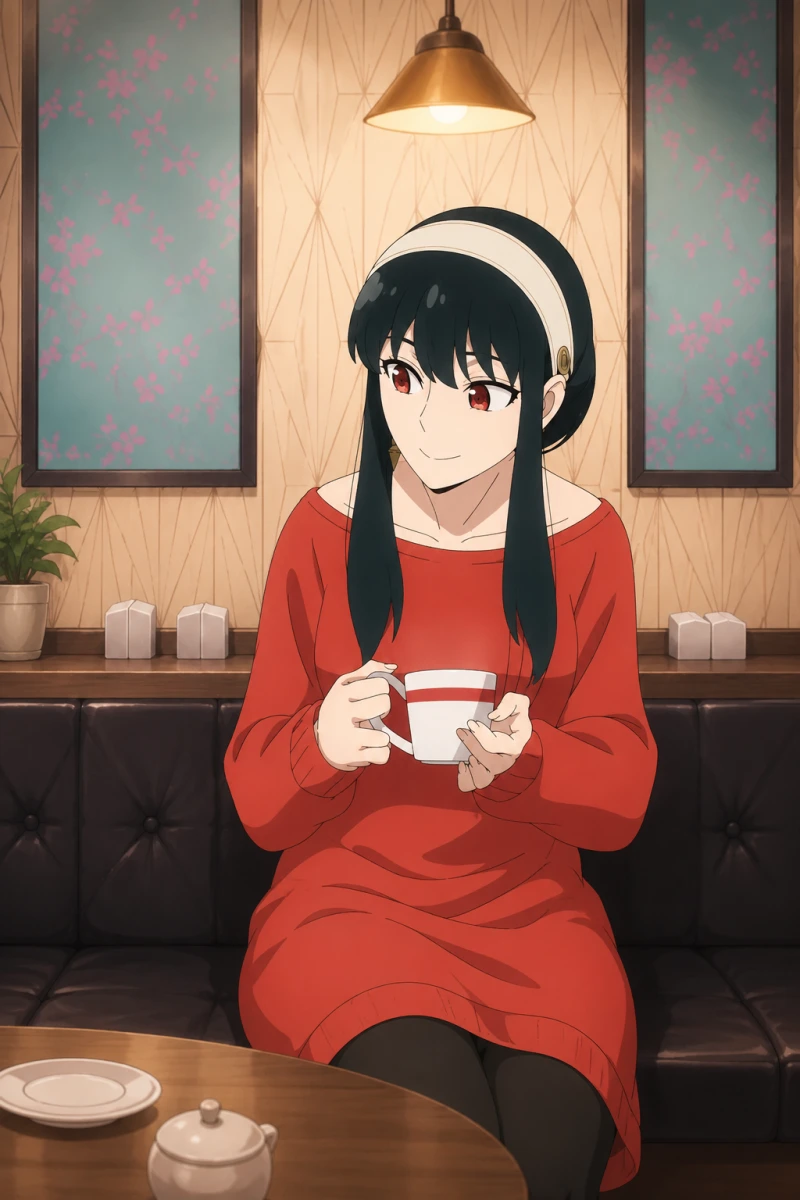
A sex doll ebony finish is more complex than choosing a single dark-brown colour from a catalogue. A convincing deep complexion depends on undertone, pigment depth, surface finish, facial makeup and consistency across the head, neck, hands and body. Warm red-brown, neutral deep brown and cooler brown tones can create noticeably different impressions even when retailers place them under the same broad colour name.
Choosing a black sex doll therefore works best when the buyer looks at the complete visual result rather than simply selecting the darkest swatch. Facial structure, hairstyle, makeup, body material and skin finish should all support the character as one coherent design.
Lighting matters as well. The same complexion can look richer under warm indoor light, cooler beside a window and noticeably brighter under direct flash. Clear photographs under several ordinary lighting conditions make colour much easier to judge before ordering.
Undertone gives a deep complexion its character
Skin colour contains more than lightness and darkness. Red, golden, olive, neutral and cooler undertones influence how the surface responds to daylight, warm lamps and photography.
A warm deep-brown tone can feel rich and luminous under soft interior lighting, while a more neutral or cooler complexion creates a different visual mood. Neither is inherently more realistic; the better choice is the one that suits the face, makeup and overall character design.
Surface finish changes that impression again. A high-gloss surface reflects light strongly and can make colour look flatter in photographs. A controlled matte or satin finish allows highlights and shadows to reveal the contours of the face and body more naturally.
When colour matters, compare photographs taken beside a neutral grey or white reference. This reduces the influence of coloured walls, bedding and dramatic studio lighting.
It is also useful to see the same head from the front and three-quarter angles. Facial planes catch light differently, so a complexion that looks uniform from one direction may reveal much more depth from another.
The head and body should read as one complete design
Heads and bodies can come from different moulds or production stages, so visual consistency deserves attention. Even when both components use silicone, small differences in pigment or surface finish can change the way the neck transition looks.
A complete assembled photograph provides more useful information than viewing the head and body separately. Look at the neck, ears, shoulders and upper chest, where changes in tone or sheen become easiest to notice.
Hair colour can also influence perceived complexion. Black, dark brown, silver or brightly coloured wigs create different contrast around the face, so the final character should be judged with the intended hairstyle in place.
Makeup contributes in the same way. Lip colour, eye makeup and subtle cheek shading can strengthen the complexion without overwhelming it.
The goal is not perfect visual uniformity under every light source. It is a head and body combination that feels intentional and harmonious when viewed as one character.
Depth comes from thoughtful detailing, not one flat colour
A strong dark-skin design benefits from subtle variation. Lips, palms, soles, cheeks and joint areas can carry controlled differences in tone that give the body more dimensionality.
Those details work best when they support the individual face rather than becoming exaggerated decorative effects. Eye shape, jawline, nose, mouth and expression should remain character-specific.
This is particularly important for anime-inspired and fantasy dolls. Stylisation allows strong facial identity, but the complexion should still feel integrated with the sculpt rather than added as an afterthought.
Hair, clothing and accessories can then reinforce the final mood. A dark complexion paired with elegant black clothing creates one kind of visual contrast, while brighter colours can make the skin tone appear warmer and more luminous.
The buyer is ultimately choosing a character, not a colour sample. Skin tone should strengthen that character rather than become the only reason the design is memorable.
 Silicone and TPE present colour differently
Material affects how pigment and surface finish appear. Silicone can preserve sculpted detail and a consistent finished surface, while TPE often produces a softer and more yielding tactile response.
Even when two materials use a similar base colour, they may reflect light differently. Silicone can appear more defined around facial and body contours, while a softer TPE surface may create broader highlights as the material compresses.
For a buyer interested in visual detail as well as touch, this difference can influence the overall impression of the character.
Makeup may also use a different finishing system from the base pigment. Lip colour, blush and other facial details can be permanent, semi-permanent or intended for later renewal depending on the product construction.
Follow the care guidance provided for the selected material and finish. Gentle, compatible maintenance helps preserve both complexion and facial detail over time.
Dark clothing can still transfer colour
Deep skin tones do not remove the need to think about clothing dyes. Black, navy, red and heavily saturated fabrics can still leave uneven colour if they remain pressed against soft material for long periods.
The easiest approach is to test a new garment briefly before extended wear. When the clothing label permits washing, laundering the garment first can also remove loose excess dye.
A pale underlayer provides another useful option beneath darker outfits. It allows the character to keep the visual impact of the outer costume while reducing prolonged direct contact between strong dyes and the body surface.
Fit matters too. Tight straps and narrow seams concentrate pressure on a small area, which can make colour transfer or surface marks more noticeable.
After the first wear, inspect the body under neutral light. Early checking makes wardrobe experimentation much easier and lets the owner enjoy darker styling with greater confidence.
Photography should reveal the complexion rather than rewrite it
Dark skin benefits from deliberate lighting because automatic camera exposure can easily brighten or darken the face too aggressively.
Soft directional light usually shows the most useful detail. It reveals facial structure and body contours without creating harsh reflections across the surface.
A bright window behind the doll can push the camera to underexpose the face, while a very dark background may cause the camera to brighten the complexion excessively. A neutral background gives the skin tone more room to appear naturally.
Keep colour temperature consistent where possible. Mixing cool daylight with a warm lamp can make one side of the face look noticeably different from the other.
For product comparison, ordinary well-lit photographs are often more useful than heavily edited promotional images. The buyer should be able to judge complexion, face and styling together.
Custom colour choices need a clear visual reference
Terms such as ebony, chocolate and dark brown can describe a wide range of tones. When complexion is an important part of the order, a numbered sample, material reference or approved photograph provides a much clearer target.
Save the approved colour reference together with the order information. This becomes useful when checking the finished body and can also help if a replacement component is ever needed later.
For custom combinations, request an image of the selected head with the selected body whenever possible. This confirms not only tone but also how the face, neck and overall styling work together.
Hair and makeup should be considered at the same stage. A complexion can feel dramatically different after the final wig, eye colour and lip tone are added.
The strongest custom order is one in which all of those details support the same visual identity.
 Inspect the complete colour presentation before dressing
When the doll arrives, inspect the face, neck, torso, hands, feet and major joint areas under diffuse indoor daylight before adding clothing or accessories.
This first look establishes a useful visual baseline. It also gives the owner a chance to appreciate the complexion and facial detail before fabric, powder or styling changes the way light falls across the surface.
Photograph the character from several angles during this stage. Those images become useful references for future care and wardrobe changes.
Keep the written order and model information available during the first inspection. The UK Office for Product Safety and Standards maintains current product recalls and safety alerts, and retaining accurate product information makes general ownership records easier to manage.
Once the initial inspection is complete, dressing and styling can begin with a clear understanding of the original finish.
High-flex areas deserve regular visual attention
Elbows, knees, fingers, the mouth area and the neck move more often than the central torso. Repeated flexing naturally changes how light falls across these parts of a soft body.
Check these areas periodically while cleaning or changing clothing. A simple visual inspection helps the owner notice surface changes early and maintain the character’s appearance.
Move joints gradually within their intended range rather than forcing a pose in one step. This keeps articulation smooth while protecting the surrounding material.
Accessories also deserve sensible placement. Tight cuffs, metal jewellery and rigid costume elements should not remain pressed into high-flex areas for unnecessary periods.
Regular care does not need to become complicated. It can form part of normal posing, dressing and photography.
Colour maintenance works best when undertone is preserved
A convincing deep complexion has depth because several tones work together. If later cosmetic maintenance becomes necessary, preserving that undertone is more important than simply applying one opaque brown colour.
Small differences in warmth or saturation can become noticeable under daylight even when the shade appears close under indoor lighting.
Use the original colour reference and photographs when discussing any future cosmetic work. They provide a much clearer target than memory alone.
Where the manufacturer provides material-specific maintenance guidance, follow that system rather than experimenting with unrelated paints or markers.
The aim is to preserve the character’s original visual balance: complexion, lips, face and body should continue to feel like one design.
Powder changes sheen as well as perceived colour
Finishing powder can reduce surface tack and create a softer matte appearance. On a deep complexion, that change in sheen can also make the skin look subtly lighter under certain lighting.
Use only the type recommended for the selected material and apply a thin, even layer with a clean soft brush.
Heavy powder can collect in creases and textured areas, creating pale-looking residue that temporarily changes the appearance of the skin.
A light application usually preserves more of the original colour depth while still giving the surface the intended finish.
Photographing the doll before and after the first normal powdering can help the owner understand how the chosen care routine changes the appearance under familiar room lighting.
 A complete character matters more than complexion alone
The full-size sex doll reference covers body construction, skeleton, care and ownership considerations that remain relevant across different complexions and character styles.
Those practical details create the foundation, but attraction comes from the complete character. Skin tone, face, hair, expression, clothing and body styling need to work together rather than competing for attention.
That is why a strong character design can feel more memorable than any single colour option. The face creates recognition first, while the material and styling deepen the connection afterward.
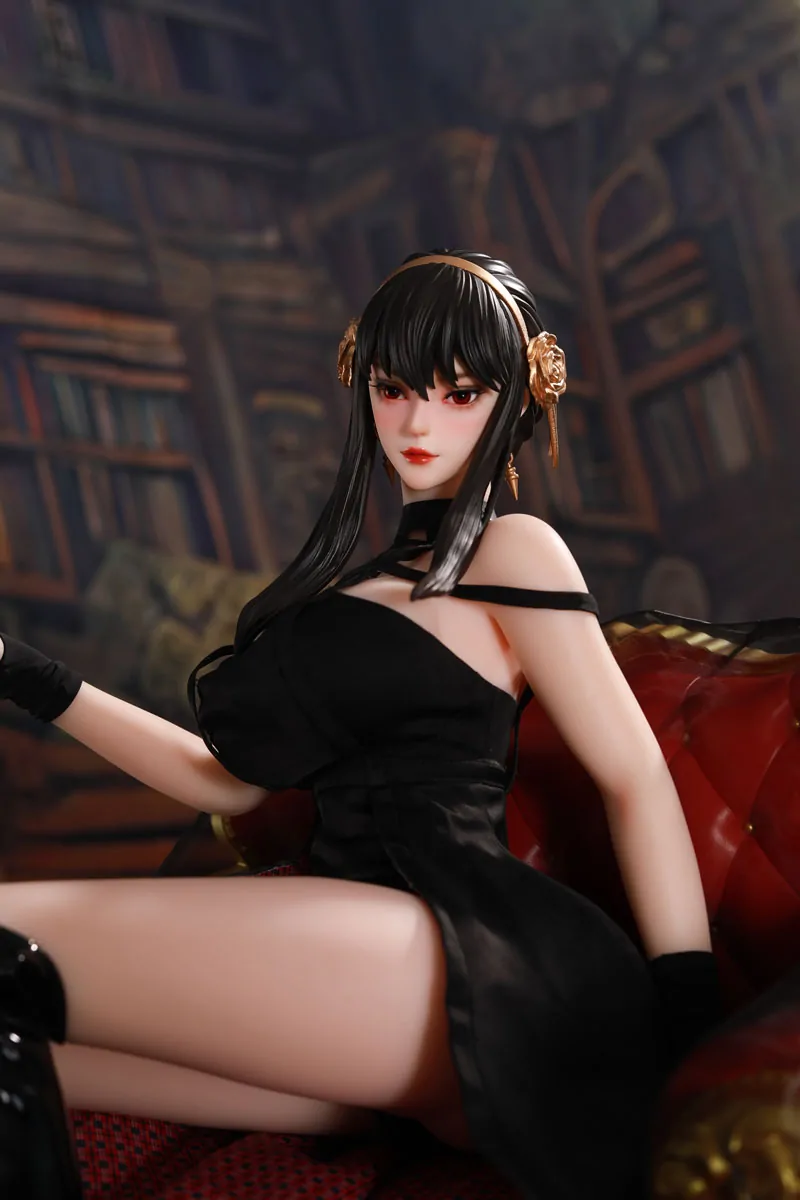
Yor Forger turns elegance and hidden danger into a complete fantasy
For Spy × Family fans, Yor Forger carries a particularly compelling contrast. Her calm beauty and restrained expression sit beside the dangerous identity of the Thorn Princess, giving the character a softness that never feels completely harmless.
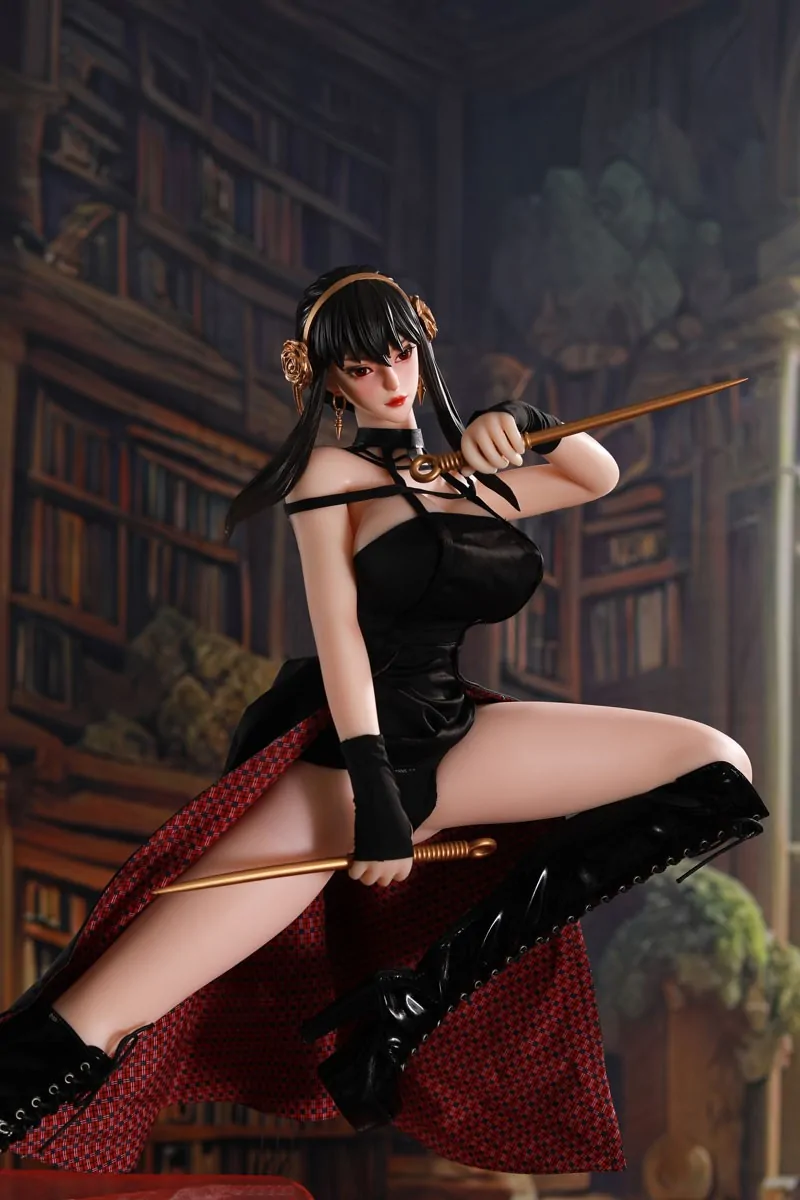
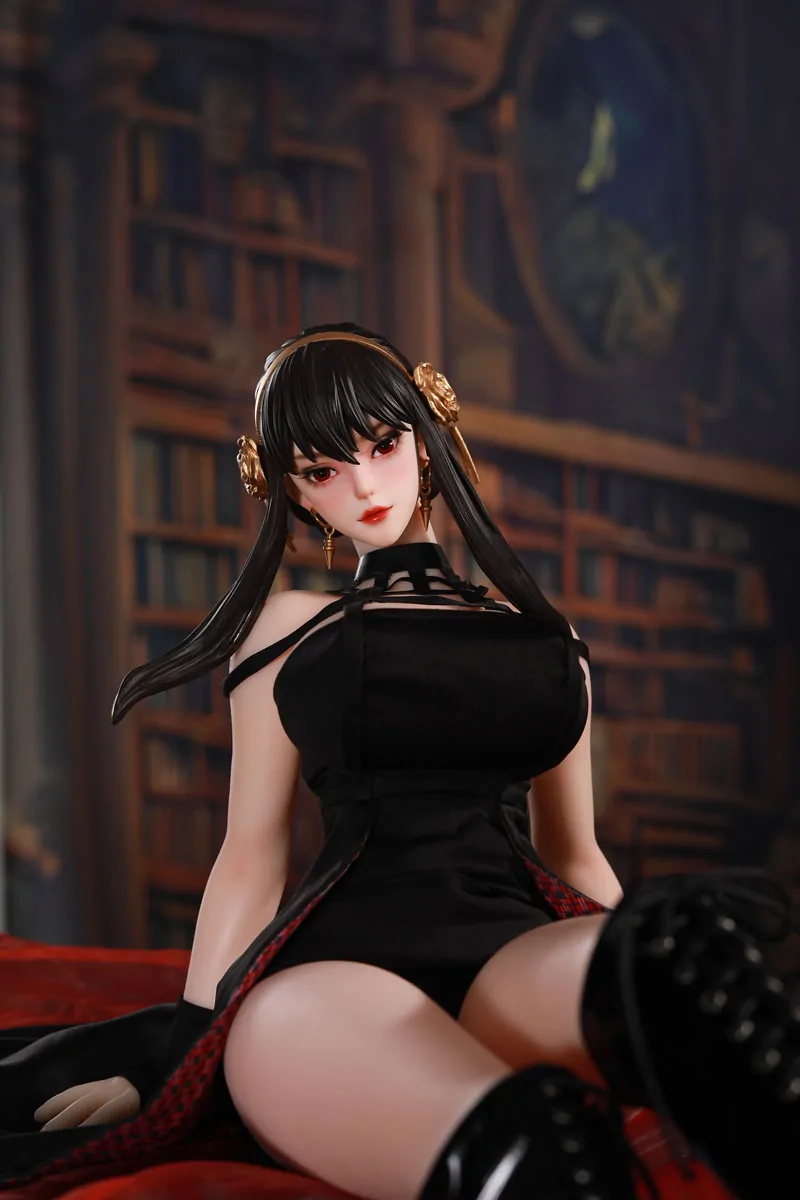
The Yor Forger figure develops that familiar attraction through implanted dark hair, an elegant black assassin dress and gold accessories that immediately evoke her signature appearance. Her face remains the centre of the design, preserving the composed and beautiful character that makes Yor so recognisable.
The full silicone body adds a tactile dimension to that visual identity, while the soft jelly chest strengthens the sensual side of the character. Instead of feeling like an ordinary hard collectible, the figure combines softness with the mature feminine silhouette associated with Yor.
Her internal skeleton also gives the owner freedom to adjust body language. A poised standing presentation can emphasise the controlled elegance of the Thorn Princess, while a more relaxed arrangement creates a softer private interpretation of the same character.
For collectors already attracted to Yor, this creates a much more personal experience than choosing a body from complexion alone. Face, hairstyle, clothing, curves and personality all support the fantasy together.
That complete-character approach also gives Yor lasting visual appeal. She can remain part of a private display, allowing the owner to enjoy her styling and composed presence even outside physical interaction.
Choose the LORIBEAR heroine whose complete design attracts you
Explore the LORIBEAR shop to discover more anime- and game-inspired heroines with different faces, complexions, hairstyles and personalities. Instead of beginning with one isolated body feature, you can choose according to the character whose complete appearance creates the strongest attraction.
Some LORIBEAR heroines create warmth and tenderness, while others stand out through confidence, elegance, mystery or stronger authority. Yor Forger combines refined beauty with hidden danger, but the right heroine is ultimately the one whose face and personality continue to hold your attention.
LORIBEAR character figures bring recognisable styling together with tactile silicone body construction and carefully developed adult presentation. The result is a fantasy built around a character rather than a colour swatch—something designed to feel visually coherent, personal and worth returning to in your own space.
Ebony doll colour questions
Why can the same dark complexion look different online?
Lighting, camera exposure, white balance, screen settings and surface sheen can all change perceived colour. Neutral lighting provides a much more useful comparison.
Can separately produced head and body components look slightly different?
They can reflect light differently depending on material, pigment batch and surface finish. Viewing the assembled character under neutral lighting provides the clearest comparison.
Can dark clothing affect a deep-complexion doll?
Yes. Strong fabric dyes can still transfer onto soft materials. Testing new clothing briefly and using a pale protective layer can help preserve the original finish.
How should the original complexion be documented?
Photograph the face and body under diffuse neutral light before adding powder, clothing or additional cosmetics, and retain the approved order reference.
Why is complete character design more important than complexion alone?
Complexion becomes more meaningful when it works with the face, hair, clothing and personality. A character such as Yor Forger creates attraction through the complete combination rather than one isolated visual feature.