Sex Doll Booty: Shape, Materials and Buying Guide

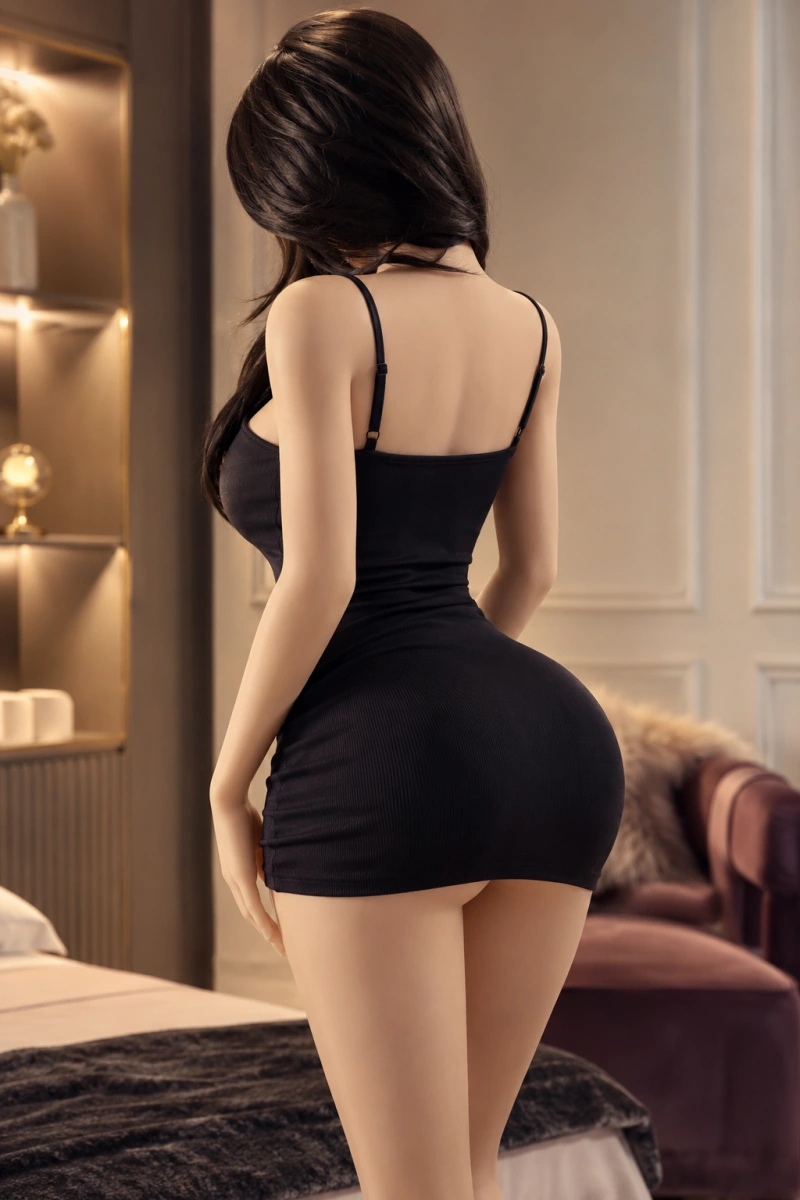
Why does the shape of a doll’s hips and buttocks matter so much to buyers? For many adults, the answer combines visual attraction, body proportion and practical handling. A pronounced transition between the waist and hips can make a full-size body look more expressive from the front, side and rear. Meanwhile, a fuller seat changes how clothing fits, how the body rests when seated and how much space the doll needs during storage.
A sex doll booty is therefore not an isolated feature. Instead, it forms part of the complete silhouette created by the waist, pelvis, hips, thighs, lower back and overall body height. A shape that looks dramatic in one photograph may feel much more balanced when viewed from another angle.
Words such as “big”, “curvy” and “full” remain subjective. In addition, product photography can exaggerate curves through pose, camera height, wide-angle lenses or tight clothing. For that reason, a useful comparison should begin with measurements, body material, internal construction and neutral product photographs rather than one marketing label.
What Creates a Sex Doll Booty Shape?
The final sex doll booty shape comes from several measurements working together. Waist circumference, hip circumference, pelvic width, upper-thigh volume and rear projection all influence the result.
For example, two dolls can share the same hip circumference but look very different. One body may carry more width across the pelvis, while another may place more volume behind the body. Therefore, hip circumference alone cannot describe the complete shape.
Height changes perception as well. The same hip measurement often appears more dramatic on a shorter frame because the surrounding torso and legs occupy less vertical space. By contrast, a taller body may make identical hip measurements look more moderate.
| Detail to compare | What it reveals | Why it matters |
|---|---|---|
| Waist and hip circumferences | The degree of waist-to-hip contrast | Affects the curvy appearance and garment fit |
| Rear projection | How far the buttocks extend in profile | Influences seating depth, storage and silhouette |
| Pelvic width | Width of the body through the hips | Changes stance and the fit of trousers or skirts |
| Upper-thigh circumference | How the legs connect visually to the hips | Helps distinguish a balanced curve from an isolated bulge |
| Body weight | The practical load that must be moved | Important for lifting, positioning and furniture support |
Rear Projection Matters as Much as Hip Circumference
Hip circumference measures around the complete body, so it combines side width and rear projection into one number. However, buyers often care specifically about how far the buttocks extend behind the body.
A body with a wide pelvis may produce a large hip measurement without creating extreme rear projection. Conversely, a narrower body can still look very full in profile when more volume sits behind the pelvis.
Therefore, side-view photographs are essential. A clear profile reveals the curve from the lower back through the buttocks and into the upper thighs much better than a front-facing image.
If the seller provides measurement diagrams, check whether they include body depth or another profile dimension. When that information is unavailable, neutral side photographs become even more important.
Waist-to-Hip Contrast Changes the Overall Silhouette
A curvy appearance depends on contrast rather than one large measurement. A pronounced hip section can look relatively subtle when the waist is also wide. Meanwhile, a moderate hip measurement may appear much fuller when paired with a narrower waist.
This relationship affects both visual style and clothing fit. Hourglass designs create stronger transitions through fitted dresses and skirts, while straighter bodies may accommodate rigid garments more easily.
For anime-inspired designs, manufacturers may deliberately exaggerate this contrast. Therefore, buyers who prefer stylised proportions should compare the complete body rather than applying realistic human expectations to every model.
Upper Thighs Complete the Curve
The connection between the hips and thighs can determine whether a fuller butt looks integrated with the rest of the body. A wide hip combined with very narrow thighs may create an abrupt transition.
By contrast, fuller upper thighs can continue the body line and create a smoother silhouette. However, they also increase total body volume, clothing requirements and weight.
Therefore, inspect both the rear and three-quarter views. These angles show whether the buttocks, hips and thighs form one coherent shape rather than appearing as separate sculpted areas.
Pose Can Make the Same Body Look Very Different
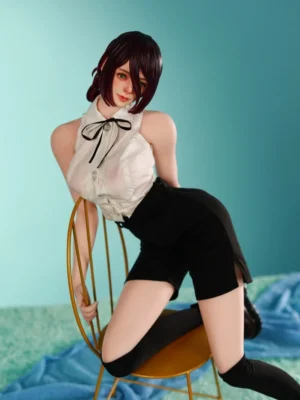
Body pose changes visual perception without changing the mould itself. An arched lower back can increase the apparent rear projection, while a rotated pelvis can emphasise one side of the hips.
Similarly, bending one knee or shifting weight onto one leg can make the waist-to-hip transition look stronger. Product photography often uses these poses because they create a more dramatic silhouette.
Therefore, do not compare one posed photograph with another product photographed in a neutral stance. Look for straight front, profile and rear images whenever possible.
Neutral views provide a much better basis for judging the actual body shape.
Camera Angle Can Exaggerate a Sex Doll Booty
Wide-angle lenses can enlarge the part of the body closest to the camera. As a result, photographs taken from a low rear angle may make the buttocks appear significantly larger than they look in person.
Camera height matters too. A lens positioned near hip level emphasises curves differently from a camera placed at chest height.
Tight clothing can create another visual effect by outlining the body more strongly than bare or loose-fitting presentation.
For that reason, compare several photographs and give more weight to neutral images than to dramatic promotional shots.
Shape Is Not the Same as Softness
A large-looking buttock does not automatically feel soft. Shape comes primarily from the mould and internal construction, while softness depends on material formulation, layer thickness and any special soft-fill structure.
A firmer body can preserve a sharply sculpted curve and resist compression. By contrast, a softer body may yield more noticeably under pressure and change shape when seated or lying down.
Neither approach is universally better. Instead, the choice depends on whether the buyer values a defined display silhouette, softer compression, easier support or greater long-term shape retention.
Silicone and TPE Can Feel Very Different
Silicone and TPE are broad material families rather than single fixed recipes. Therefore, two products that both use silicone can still differ substantially in firmness, surface texture and flexibility.
The same applies to TPE. One formulation may feel very soft and compressible, while another may use a denser structure that holds its shape more strongly.
As a result, material name alone should not determine the purchase. Buyers should look for the manufacturer’s specific description of firmness, soft-body options and care requirements.
The wider full-size sex doll reference places body shape alongside height, weight, materials, care and UK buying considerations.
What Does a Soft-Butt Option Change?
Some manufacturers offer a softer buttock construction as a standard feature or optional upgrade. This design may use a softer outer layer, different internal structure or additional cushioning beneath the surface.
The result can increase compression and change how the body rests on a chair or bed. However, the softer area may also require broader support during long-term storage.
Therefore, ask whether the option changes only firmness or also affects total weight, body dimensions and recommended storage position.
A marketing label such as “soft butt” provides less useful information than a clear explanation of how the feature is constructed.
Internal Construction Influences Both Weight and Shape
The exterior silhouette does not reveal everything happening inside the body. A full-size doll may contain a metal skeleton, foam sections, softer material layers or other structures that affect both weight and compression.
A solid area usually adds more weight than a reduced-weight or foam-supported section of similar size. Meanwhile, a firmer internal structure can help the body retain a pronounced curve.
Therefore, two dolls with similar measurements can differ greatly in handling. Always compare stated net weight rather than estimating from photographs.
How to Choose a Proportion That Looks Convincing
Start with the complete body instead of searching for the largest hip or butt measurement. A fuller lower body usually looks most coherent when the waist, thighs, torso and overall height follow the same design language.
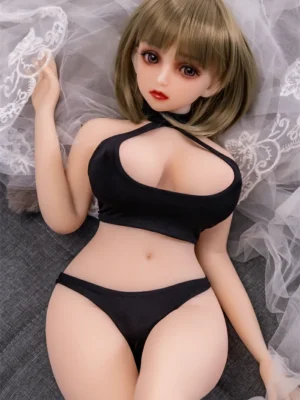
Collectors drawn to anime-inspired bodies may intentionally prefer dramatic proportions. In that case, a narrow waist, wide hips and pronounced rear projection can form part of the desired character aesthetic.
Meanwhile, buyers seeking a more natural silhouette may prefer gentler transitions between the waist, hips and thighs.
- Define the desired look. Decide whether the priority is realistic proportion, anime exaggeration, an hourglass silhouette or a particular character.
- Check three-view images. Front, side and rear photographs reveal much more than a single posed image.
- Read the full dimensions. Height alone cannot predict hip width, projection, weight or clothing size.
- Compare the thighs and waist. These areas determine whether the lower-body curve feels integrated.
- Consider the room. Deep curves may require more clearance in a cabinet, bed, chair or storage area.
- Plan how the body will be moved. A dramatic figure becomes much less practical when the owner cannot position it safely.
Body Weight Becomes More Important as Curves Increase
Greater body volume can increase weight, although the exact difference depends on material density and internal construction. Therefore, a fuller body is not automatically heavier than every slimmer model.
Still, buyers should take net weight seriously. Moving a large body involves more than lifting it once from a box.
The owner may need to rotate the doll during cleaning, move it between storage and display, change clothing or reposition it on furniture.
For that reason, choose a weight that can be controlled safely rather than focusing only on the visual silhouette.
Do Not Lift a Doll by the Hips or Soft Areas Alone
When moving a full-size doll, support the main body mass rather than pulling on one soft area. Gripping the buttocks, breasts, neck or limbs while the rest of the weight hangs freely can place unnecessary stress on the surface and internal structure.
Instead, support the torso and lower body together whenever possible. Clear the path before moving the doll so furniture corners and door handles do not catch the material.
For heavier bodies, planning the movement in advance becomes especially important.
Curves Change How Clothing Fits
Curvy bodies often need clothing selected by actual measurements rather than generic size labels. Waist circumference, hip circumference, thigh size and rise all influence fit.
A garment that closes comfortably around the waist may still fail to pass over wide hips or full thighs. Therefore, rigid trousers usually demand more precise measurements than stretch dresses.
Stretch fabrics provide greater tolerance, but very tight clothing can still create pressure marks when left in place for long periods.
When buying clothing online, compare the garment measurements with the doll rather than relying only on labels such as small, medium or large.
Trousers and Shorts Need Extra Attention
Trousers must pass over the widest part of the hips before reaching the waist. As a result, curvy bodies often need a larger hip opening than the waist measurement alone suggests.
Upper-thigh circumference also matters. Tight legs can prevent the garment from moving high enough even when the waistband itself would fit.
Adjustable fasteners, stretch panels and elastic waistbands can make clothing easier to use. Meanwhile, rigid denim and non-stretch costume fabrics leave much less room for error.
Dresses Often Fit Curvy Bodies More Easily
Stretch dresses can follow strong waist-to-hip transitions without needing to pass through narrow trouser legs. Therefore, they often provide more flexibility across different body proportions.
However, tight dark fabrics deserve careful monitoring because prolonged contact may create colour-transfer risk on some soft materials.
Test new clothing for shorter periods first. Afterwards, inspect the areas around the waist, hips and thighs where fabric pressure remains highest.
Dark Clothing and Colour Transfer
Strongly dyed fabrics can transfer colour to some TPE and silicone surfaces during prolonged contact. Therefore, body shape and clothing fit should be considered together.
A tight garment creates more continuous pressure, which may increase contact between the fabric and soft surface.
Before long-term display, test new clothing briefly and inspect the contact areas. In addition, follow the specific care instructions supplied with the doll.
Light-coloured underlayers may help reduce direct contact when the manufacturer recommends them.
A Fuller Seat Changes Sitting Position
A pronounced rear projection affects how deeply the doll sits on a chair or sofa. The pelvis may remain farther forward than it would on a flatter body.
Therefore, furniture depth matters. A shallow chair can leave too much of the body unsupported, while a deeper seat may distribute weight more evenly.
Back angle also changes the result. A body with a pronounced lower-back curve may need different support from one with a straighter torso.
Protect Soft Areas From Pressure Points
A hard chair edge, narrow support bar or rigid shelf can concentrate a large amount of weight into one small area. Over time, that pressure can leave dents or deformation in soft materials.
Therefore, use broad and smooth support surfaces whenever possible. A suitable cushion or padded liner can distribute weight more evenly when the maker allows it.
Likewise, avoid storing heavy objects on top of the body.
Standing Requires the Correct Support System
If the product supports standing, follow the manufacturer’s intended method. Some skeletons and foot structures can handle standing loads, while others need an external stand.
Do not assume that a visually stable pose means the doll can remain upright indefinitely without support.
A curvy body may shift the centre of gravity, especially when combined with heavy hair or a large upper body. Therefore, stability should come before dramatic display.
Horizontal Storage Needs Enough Depth
A pronounced booty can increase the body’s total depth even when the height remains unchanged. Therefore, measure storage boxes, cabinets and shelves in three dimensions.
Allow additional clearance so the buttocks do not remain compressed against a hard wall or lid.
If the doll lies horizontally, distribute the weight across a clean and stable surface rather than allowing one narrow section to carry the load.
Light and Heat Affect Long-Term Material Condition
Direct sunlight can alter colour and accelerate the deterioration of many polymer materials. Likewise, elevated temperatures can influence flexibility, adhesives and surface condition.
The Canadian Conservation Institute notes that light, ultraviolet radiation and elevated temperatures can damage plastics and accelerate deterioration; its plastic and rubber conservation guidance explains those mechanisms in detail.
Therefore, avoid permanent storage beside strong windows, radiators or other concentrated heat sources.
Clean and Inspect High-Pressure Areas
Routine care should include the areas that carry the most weight or remain in continuous contact with clothing and furniture.
Inspect the lower back, hips, buttocks and upper thighs for colour transfer, pressure marks or surface changes. These areas may experience more contact than parts of the body that remain exposed.
After cleaning, allow the surface to dry completely before replacing tight clothing or returning the doll to enclosed storage.
How Photography Can Help Before Buying
Good product photography should answer practical questions rather than only create attraction. Front, side and rear views show proportion, while three-quarter angles reveal the transition between the hips and thighs.
Close images can show material texture, seams and clothing fit. Meanwhile, wider photographs reveal how the body looks in relation to furniture and surrounding objects.
When possible, compare photographs of the same model in both fitted clothing and a neutral body presentation. Clothing can significantly change the apparent silhouette.
Curves With a Recognisable Character
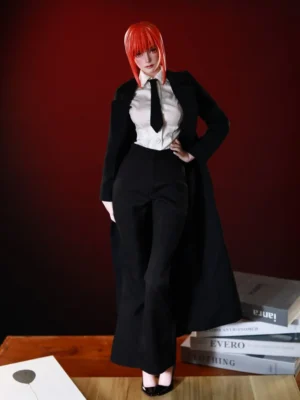
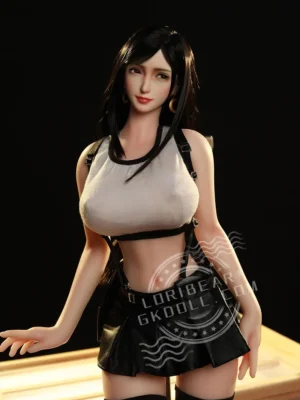
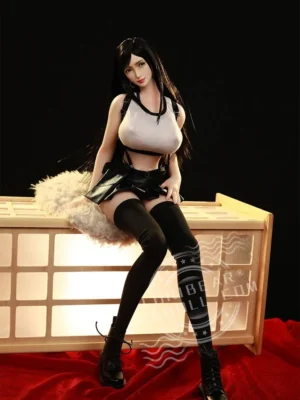
Some buyers are not looking for an anonymous curvy body. Instead, they want the silhouette to reinforce a character’s face, hairstyle, expression and costume.
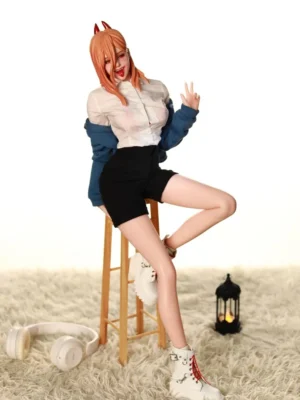
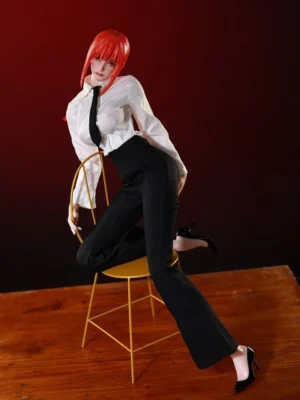
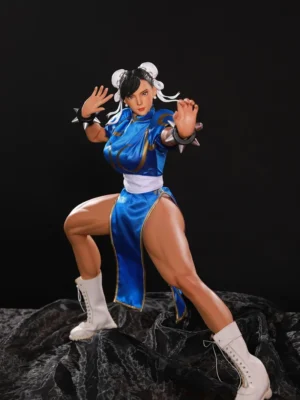
LORIBEAR’s full-size Nami design, for example, combines multiple height and body-material choices with the orange hair and styling associated with the character. In this case, body proportions work together with facial and costume details rather than acting as an isolated feature.
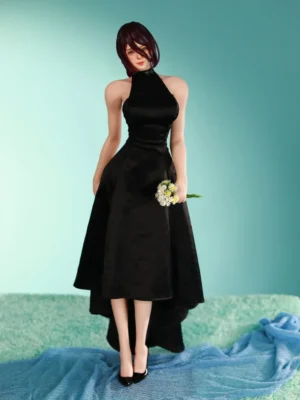
The full-size Boa Hancock design offers another interpretation, built around a more regal character image and several body options. Long hair, posture, clothing and complete proportions shape the visual identity together.
These examples show why booty size should not be judged alone. The strongest result comes from a body in which the face, shoulders, waist, hips, thighs, legs and clothing communicate the same character.
More full-size and compact character formats can be compared in the Action Anime Figures collection, where different body styles and character interpretations provide additional points of comparison.
Character Accuracy Still Matters With Exaggerated Curves
Anime-inspired proportions can deliberately exaggerate the waist, hips, chest or legs. However, exaggeration works best when it remains consistent with the rest of the character design.
A very curvy body can still feel convincing when the face, hair, posture and clothing support the same visual style. By contrast, an extreme lower body attached to an unrelated face or silhouette may weaken the character connection.
Therefore, buyers interested in character-focused products should compare the complete appearance rather than choosing a body solely from the rear measurement.
What to Check in a Product Specification
A useful listing should provide more than height and weight. Waist, hip and thigh measurements help explain the shape, while clear body-material information helps buyers understand softness and care.
In addition, look for information about optional soft areas, skeleton structure, standing capability, included clothing and storage recommendations.
When several body options share one character head, compare each body’s specifications separately. A photograph of one configuration should not automatically represent every available body.
Delivery and Access Through the Home
Full-size dolls need a practical route from delivery to their final storage or display position. Therefore, measure more than the final cabinet or bed.
Door width, narrow corridors, staircases and tight corners can make a large package difficult to move.
The doll’s net weight also matters after unpacking because the owner still needs to reposition the body without relying on shipping handles or protective foam.
Planning these details before ordering can prevent a visually suitable model from becoming difficult to manage at home.
Do Not Judge a Curvy Body by One Number
No single measurement can describe the complete lower-body shape. Hip circumference, rear projection, pelvic width and thigh volume all contribute different information.
Likewise, softness, weight and internal construction influence how the shape behaves after the product arrives.
Therefore, the most useful comparison combines measurements, neutral photographs, material specifications and real handling requirements.
A Practical Buying Checklist
- Obtain waist, hip, thigh, height and total-weight measurements.
- Compare side and rear views to understand rear projection.
- Check whether the body looks wide through the pelvis or projects more strongly to the rear.
- Compare waist-to-hip contrast rather than hip circumference alone.
- Inspect how the upper thighs connect visually with the hips.
- Ask whether a soft-butt option is standard, optional or unavailable.
- Confirm whether internal construction affects softness or total weight.
- Identify the exact TPE, silicone or mixed-material configuration.
- Obtain the manufacturer’s material-care instructions.
- Check the intended standing, sitting and storage methods.
- Measure clothing according to waist, hips, thighs and rise.
- Test strongly dyed clothing before prolonged contact.
- Measure doors, stairs, storage space and supporting furniture.
- Plan how the full body will be lifted and repositioned safely.
- Review delivery, damage-reporting and return conditions before payment.
Frequently Asked Questions
Does a larger hip measurement always mean a bigger-looking booty?
No. Hip circumference includes both body width and rear projection. Therefore, height, waist size, pelvic width, thigh volume and pose all affect how large the buttocks appear.
What measurement shows rear projection?
Many listings do not provide one dedicated rear-projection measurement. In that case, neutral side photographs become especially useful. Compare them with hip circumference, pelvic width and overall body depth when those specifications are available.
Is a big booty sex doll necessarily heavier?
Not necessarily. Larger material volume can increase weight, but material density, height and internal construction also matter. Therefore, use the stated net weight instead of estimating from appearance.
Which material gives the softest buttocks?
There is no universal answer based only on “silicone” or “TPE”. Formulation, outer-layer thickness and optional soft construction all affect compression. Compare the specifications for the exact model.
What does a soft-butt option mean?
The term usually indicates additional softness or compression in the buttock area, but manufacturers may achieve it through different structures. Therefore, ask how the option changes firmness, weight and storage recommendations.
Why do trousers fit badly on some curvy dolls?
Rigid garments may match the waist but fail to pass over the hips or thighs. Choose clothing from waist, hip, rise and thigh measurements, while stretch fabrics and adjustable fasteners provide more tolerance.
Can tight clothing damage a soft doll body?
Tight clothing can create pressure and may increase contact with strongly dyed fabrics. Therefore, follow the manufacturer’s clothing guidance, test new garments for shorter periods and inspect the surface regularly.
How should a full-size curvy doll be stored?
Follow the manufacturer’s instructions and distribute body weight across a clean, stable support. In addition, avoid sharp pressure points, prolonged compression, direct sunlight, excessive heat and colour-transfer risks.
Can a full-size curvy doll sit on an ordinary chair?
That depends on the body’s dimensions, weight, skeleton and the chair itself. Check seat depth, load capacity and the manufacturer’s positioning guidance before leaving the doll seated for extended periods.
Material, handling and body-format references for the rest of the collection are organised through Collector Guides.
Explore Anime-Inspired Character Dolls at LORIBEAR
For collectors who also value character identity, facial detail, body proportions and costume styling, the LORIBEAR shop offers anime-inspired sex dolls built around recognisable character presentation and detailed body design.
The current collection includes different characters, sizes and material configurations, including TPE, silicone and mixed-material options. Depending on the model, collectors can compare different waist and hip proportions, body silhouettes, hairstyles, removable clothing and character-focused facial styling.
Browse the LORIBEAR collection to compare the available characters, materials, sizes and body designs and find the model that best matches your preferred character style and collecting needs.