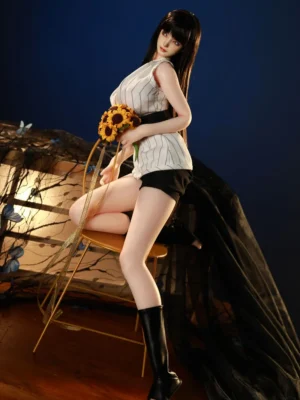
Rule 34 Tifa: Curves, Strength and Her Different Fan-Art Looks

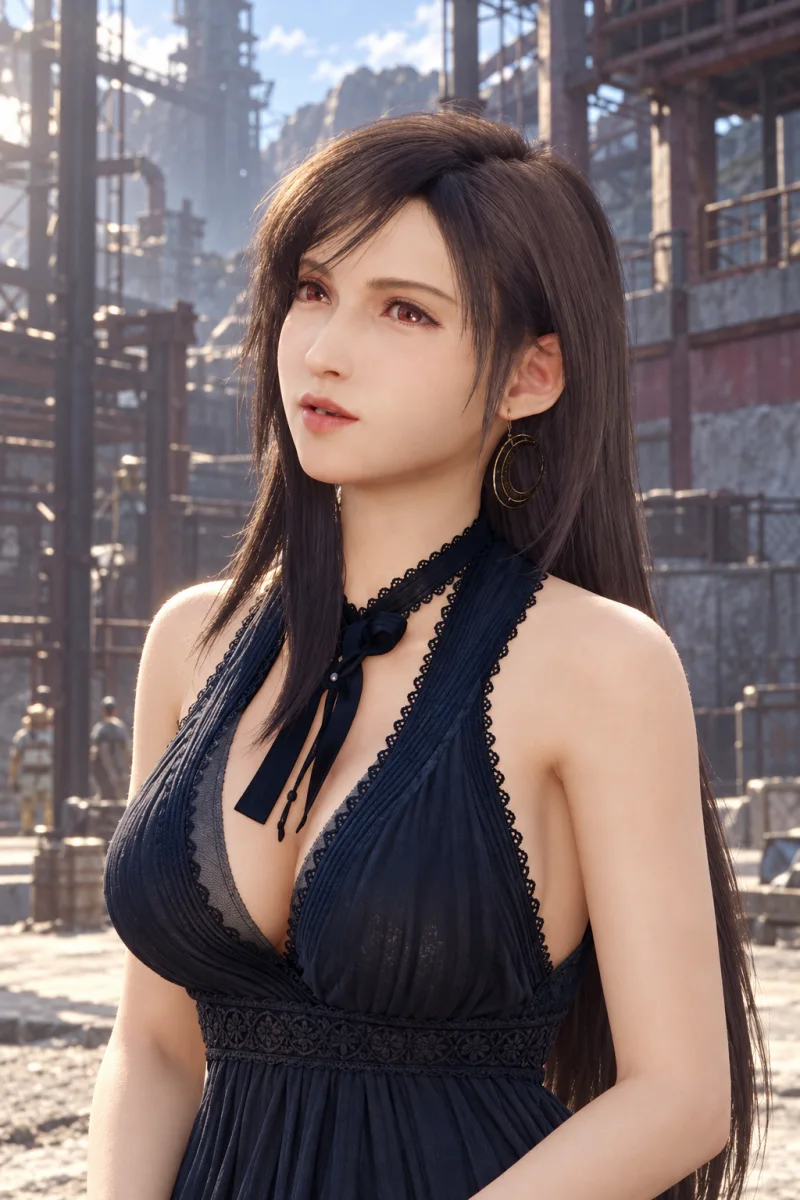
Rule 34 Tifa artwork draws on a character whose physical appeal is already prominent in Final Fantasy VII: a full bust, a defined waist, strong legs and long dark hair. Adult fan interpretations often exaggerate those features or present her without the familiar outfit. The change can be dramatic, but the starting attraction is not mysterious. Tifa combines a curvaceous appearance with the physical confidence of a close-range fighter.
There is also more than one familiar Tifa to draw from. The original illustrations, the more detailed Remake appearance and her darker Advent Children look give fan artists different starting points. Consequently, two portrayals can feature the same character yet feel quite different. One may resemble a stylised pin-up; another may use the visual language of a cinematic portrait. Their appeal depends partly on which Tifa the viewer already knows.
The Figure Behind the Familiar White Top
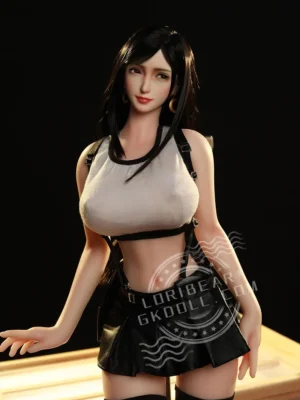
Tifa’s full bust and comparatively narrow waist create a clear contrast in her upper body. Her white top emphasises that shape against the darker clothing below it. The exposed midriff makes the transition easy to see, so the eye follows a distinct outline rather than an uninterrupted block of fabric. Those proportions contribute directly to her physical appeal before any fan interpretation changes her clothing.
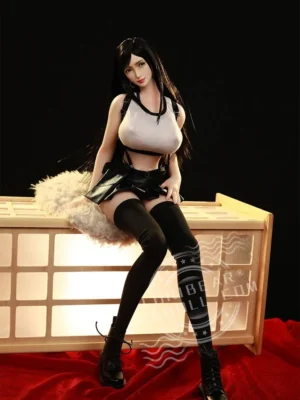
Her legs provide an equally important part of the impression. They belong to a character who fights through kicks, rapid combinations and close-range movement. An illustration that gives attention to the thighs, stance and balance can preserve that athletic association. The resulting figure has more physical character than an image that concentrates entirely on the chest.
Adult artwork sometimes pushes the proportions much further than the games do. A larger bust, a smaller waist or more pronounced hips can move the image towards caricature. That is an artistic departure, not a newly revealed fact about Tifa’s official body. The distinction matters when comparing portrayals: dramatic exaggeration and close resemblance offer different visual experiences.
A more restrained interpretation can still be attractive. Keeping the shoulders, waist and legs in a believable relationship allows the figure to feel balanced. The appeal then comes from the complete body rather than whichever feature appears largest. Tifa’s athletic identity gives this approach a particularly clear foundation, even when the image has a glamour-focused presentation.
The Original Design Has a Bold, Illustrated Appeal
The familiar original outfit brings together a white crop top, black miniskirt, suspenders, gloves and red boots. Its strong blocks of colour make it easy to remember. In an illustration, that simplicity leaves plenty of room for the pose and figure to dominate. Small costume details do not compete constantly with the character herself.
Adult fan drawings based on this appearance can retain the clean outlines and heightened proportions associated with illustration. A sharply defined waist or flowing mass of dark hair looks at home in that style. The image does not need to imitate a photograph to be convincing on its own terms. Its attraction can come from an expressive drawing rather than surface realism.
The long hair also affects the whole outline. Falling behind her, it extends the silhouette beyond the shoulders and gives a turned pose an additional curve. Around the face, it can soften an otherwise forceful stance. This is a recognisable part of Tifa’s appearance that remains important even when an artist changes the costume completely.
For someone who first encountered her through the earlier game and its artwork, this illustrated approach can carry a personal familiarity. The attraction includes the remembered character as well as the new interpretation. That does not make one version objectively better, but it explains why a relatively simple drawing may feel more appealing than a technically elaborate render.
Remake Gives Fan Portrayals a Different Starting Point
The Remake appearance adds visible layers and construction to the familiar outfit. The white top sits with a dark underlayer, while the skirt, shorts, stockings and footwear give the lower body more visual detail. Her face also has a more naturalistic presentation than the simplified look of early game graphics. Together, these changes support a different kind of fan portrait.
A render influenced by that appearance can place more emphasis on small facial changes. The position of the eyebrows, a slight smile or a sideways glance becomes easier to notice. Rather than relying exclusively on an exaggerated body, the image can use an expression to establish confidence, amusement or a quieter mood.
Lighting plays a larger role in this style too. Soft light may make the face look gentle, while a stronger directional light makes the contours more pronounced. These choices change the appearance of the same model without changing its identity. A polished surface alone does not determine the mood; the face and posture still have to work together.
Detailed fan renders can resemble official promotional material at a glance, particularly when they reproduce familiar hair and clothing. Nevertheless, visual similarity does not make an adult interpretation part of the game’s story. The official character and the fan-created image remain separate works, even when the latter borrows a convincing visual style.
What Changes When the Costume Is Absent?
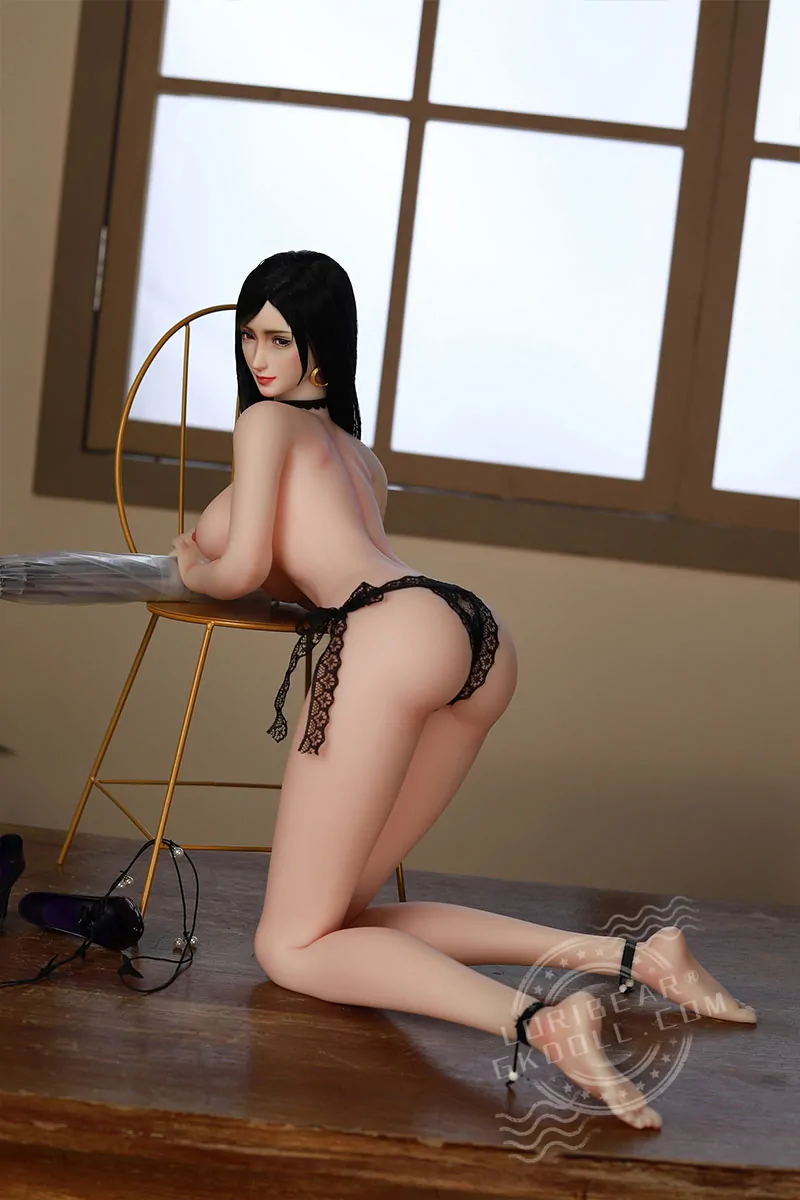
Nude fan art removes the white top, skirt and other clothing that usually frame Tifa’s body. The figure itself becomes more prominent, with attention moving towards overall proportions, posture and expression. This changes the subject of the image from a familiar outfit to a representation of the character’s body. It does not automatically make the portrayal more accurate or more expressive.
Without the costume, the connection to Tifa depends more heavily on her face, long dark hair and athletic bearing. A balanced stance can suggest the fighter people recognise. A relaxed pose can present a quieter interpretation. Either approach needs more than a name attached to an otherwise unrelated figure if it is to retain a convincing connection to her.
The visible body in such a work is also the artist’s invention. A clothed character design does not establish every anatomical detail that a later fan image might supply. Recognising that distinction allows the artwork to stand as an interpretation rather than as supposed evidence about the games. It leaves room for different styles without confusing them with official reference material.
Responses to these images vary. Familiarity with Tifa can contribute to attraction, while some viewers prefer a clothed pin-up or an expressive portrait. More exposure is not a reliable measure of how much someone will enjoy a particular work. The chosen proportions, pose and emotional tone remain relevant whether the portrayal is clothed or nude.
Advent Children Brings a Darker Visual Mood
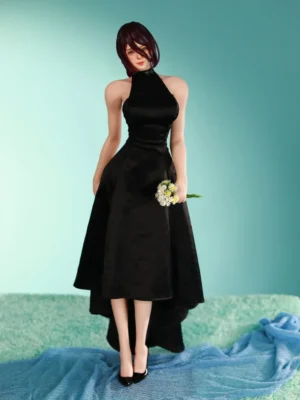
Tifa’s Advent Children appearance replaces the familiar white-and-black contrast with a predominantly black outfit. The sleeveless upper section, shorts and longer fabric elements create a different silhouette. It is still a physical, action-oriented design, but its overall mood feels more understated than the bright white top and red accents of her earlier appearance.
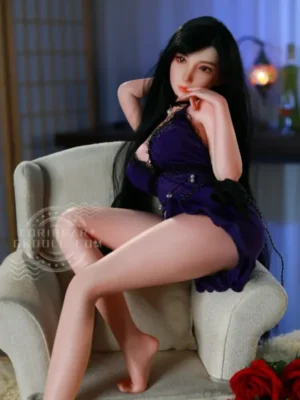
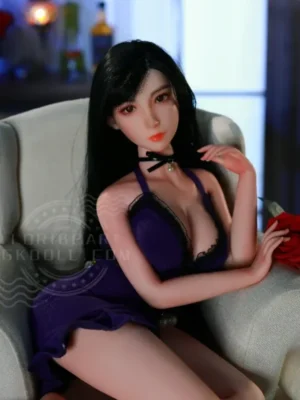
Fan portraits inspired by this version can build on that darker palette. The face and exposed arms stand out against the clothing, while the long hair blends more closely with the outfit. The result puts less emphasis on contrasting colours and more on the outline of the body. That can produce an especially composed, fashion-like image.
This version also offers a useful reminder that physical appeal does not require every interpretation to reveal more skin. A fitted dark outfit can emphasise the waist and posture while keeping much of the figure covered. Its attraction comes through shape and bearing. A fan may prefer this presentation precisely because it gives the same character a different kind of glamour.
Her Strength Should Remain Visible
Square Enix’s official Tifa Lockhart profile describes a fighter who strings together swift martial arts combinations. That provides a concrete foundation for her physical identity. Her hands and legs are central to how she acts, not merely attractive features arranged around an outfit.
Even a quiet fan portrait can carry that sense of capability. A settled stance, supported body weight and relaxed shoulders can suggest someone comfortable in her own movement. This is different from making every muscle conspicuous. Athletic presence can come from coordination and balance rather than extreme muscular definition.
Her face can add warmth without undoing that strength. Tifa does not have to look aggressive to seem capable, and a gentle expression does not turn her into a helpless figure. The combination of a powerful body and an approachable face gives artists room to present a recognisable character without repeating the same mood in every image.
Our Tifa character stories explore more of the person behind those appearances. Her background can deepen a fan’s attachment, but it does not need to take over every portrait. Sometimes the appeal is simply seeing a favourite character represented with a particular expression, outfit or visual style.
A Favourite Portrayal Can Become Part of Your Collection
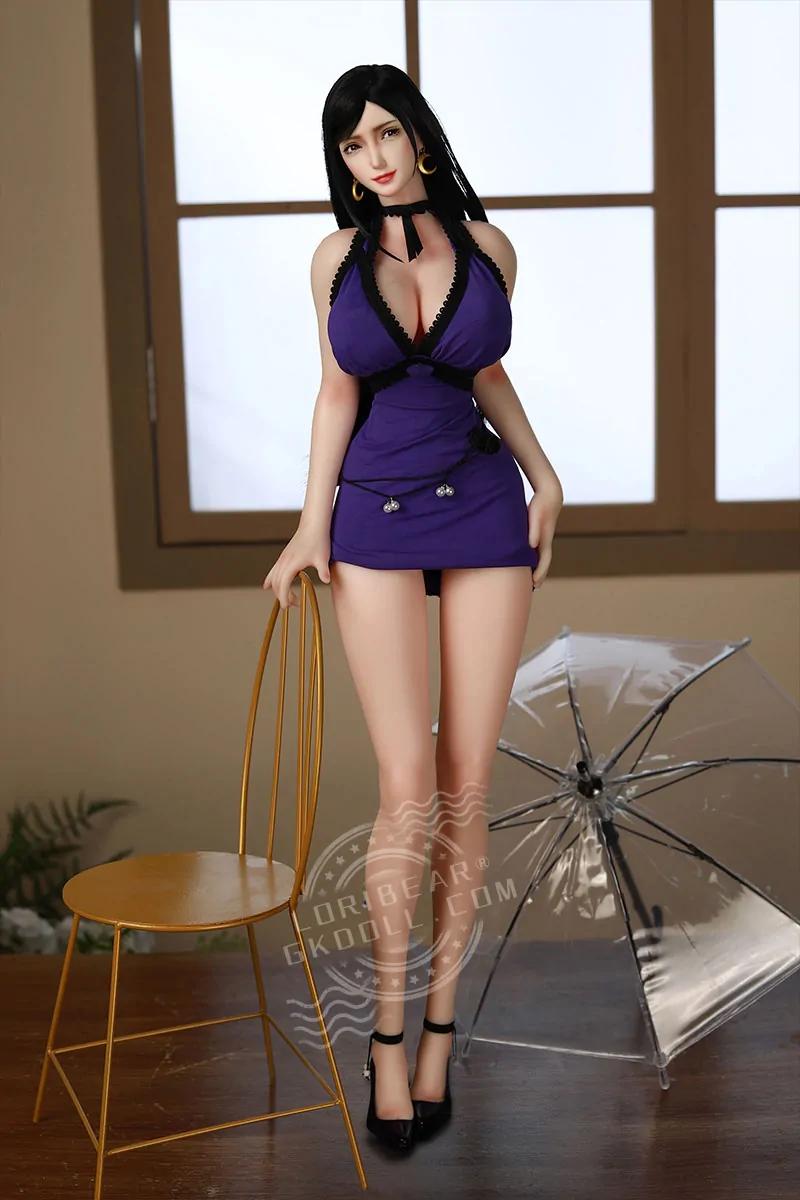
If your interest in Tifa goes beyond saving artwork, explore our rule 34 tifa character figure page. Bring a favourite into your collection rather than leaving every encounter on a screen. The linked page features our physical Tifa figure, so you can decide whether it is the character piece you want to own.
A figure does not replace the variety of fan art. It gives one character a consistent place in your own surroundings. For someone who keeps returning to Tifa across different games and interpretations, that can be the reason to choose her: not because every version looks identical, but because the attachment survives those changes.
You can explore other familiar characters in our anime figure shop when deciding who should join her. A collection might follow Final Fantasy, bring together favourite fighters or mix characters from unrelated stories. The useful starting point is your own interest, rather than a requirement to complete somebody else’s list.
For more backgrounds and character-focused reading, visit our character stories collection. Tifa’s changing appearances show how much variety one familiar character can support. Her curves may create the first attraction, but a preferred face, style or version often determines which portrayal becomes a lasting favourite.
 Frequently Asked Questions
Is adult Tifa fan art official Final Fantasy content?
No. Fan-created adult portrayals are separate from the official games and character materials. A realistic model or familiar costume does not make an image an official scene.
Why do Tifa’s proportions differ between fan images?
Artists use different reference versions and levels of exaggeration. Some stay close to a game appearance, while others adopt a more stylised pin-up approach.
Which familiar Tifa appearances influence fan artwork?
The original white-top design, the more detailed Remake appearance and the predominantly black Advent Children outfit offer distinct starting points. Fan artists also create alternative outfits.
Does the linked product page offer artwork or a figure?
It features our Tifa character figure. The product link is for visitors interested in a physical collectible rather than a digital image or video.