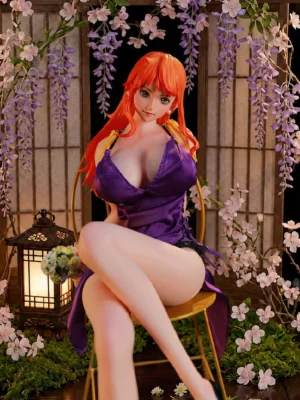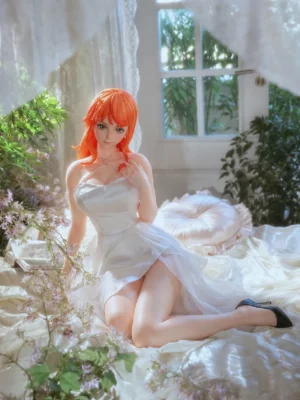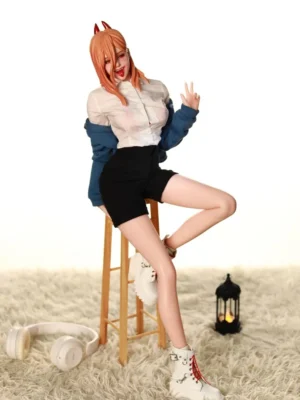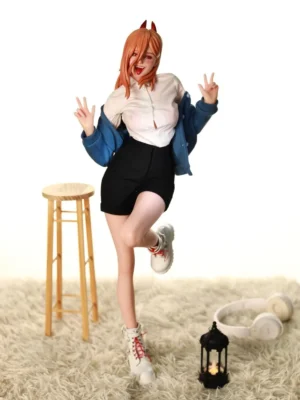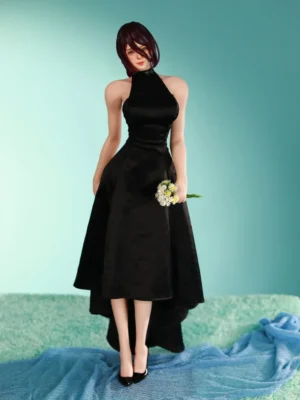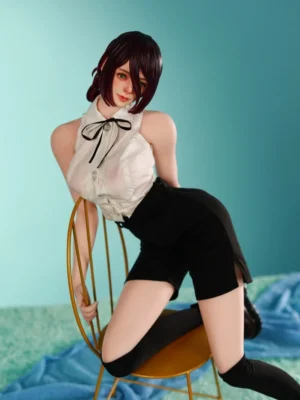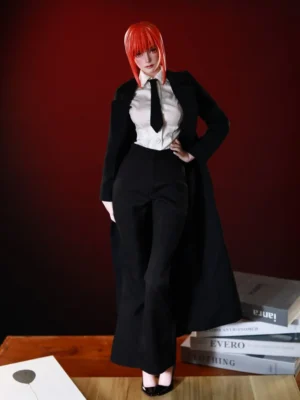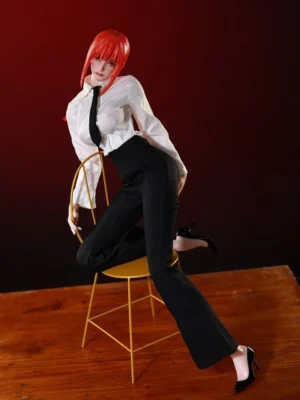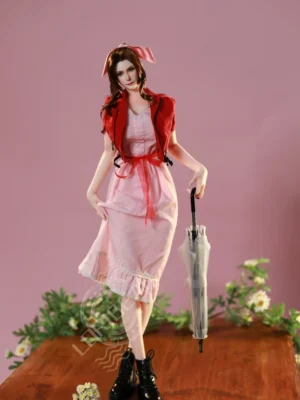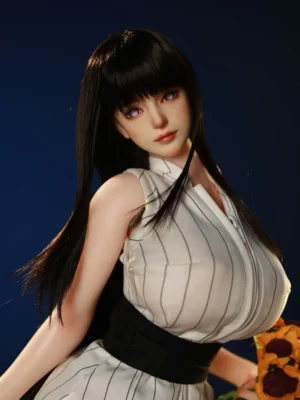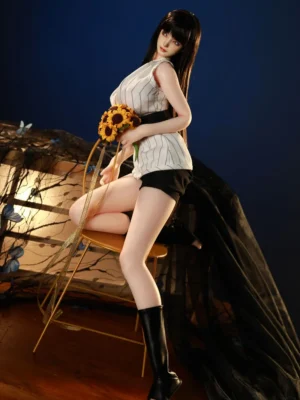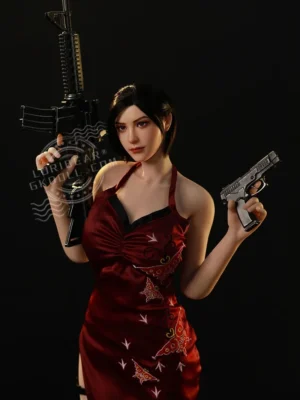
- Chainsaw Man
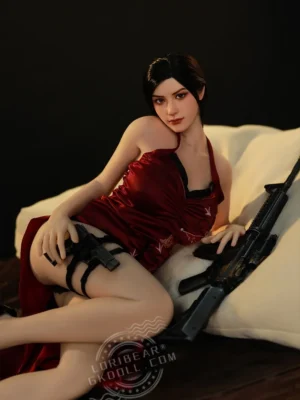
- Resident Evil
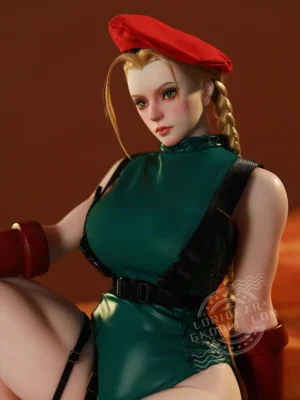
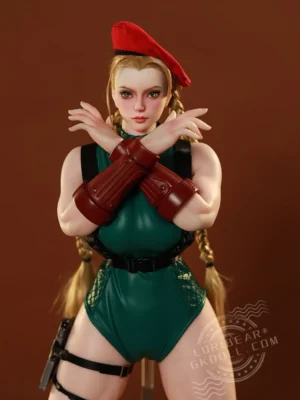
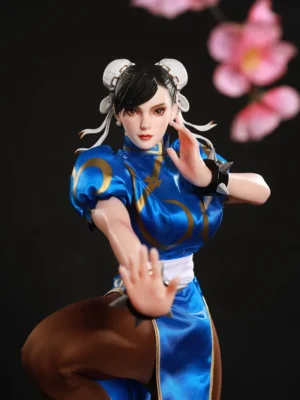
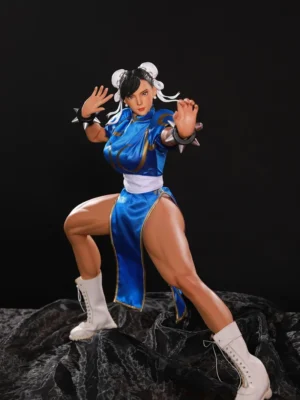
- Street Fighter
- Spy x Family Figures
- Azur Lane
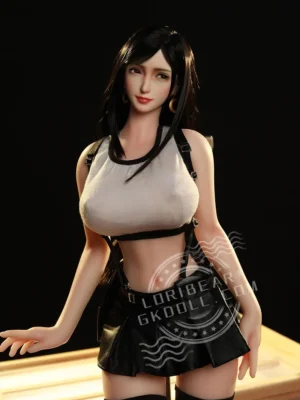
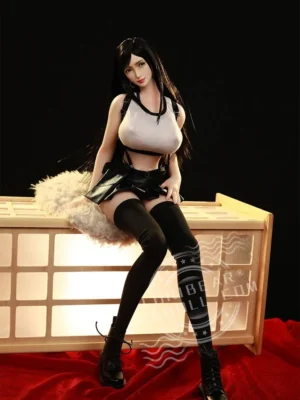
- Final Fantasy
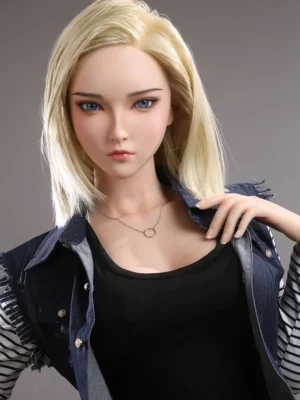
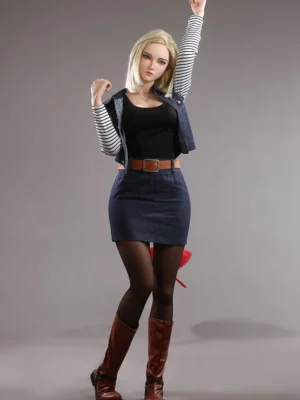
- Dragon Ball
- Naruto
- Neon Genesis Evangelion
- Nier: Automata
- Kuroinu Figures | Olga Discordia Dark Elf
- Queen Pharnelis-Goblin
- Non Virgin Bunny Girl
- Prison School
- The King of Fighters
- One Piece
- Figure Heads & Accessories
Poupée American Doll: Size, Clothing and Character

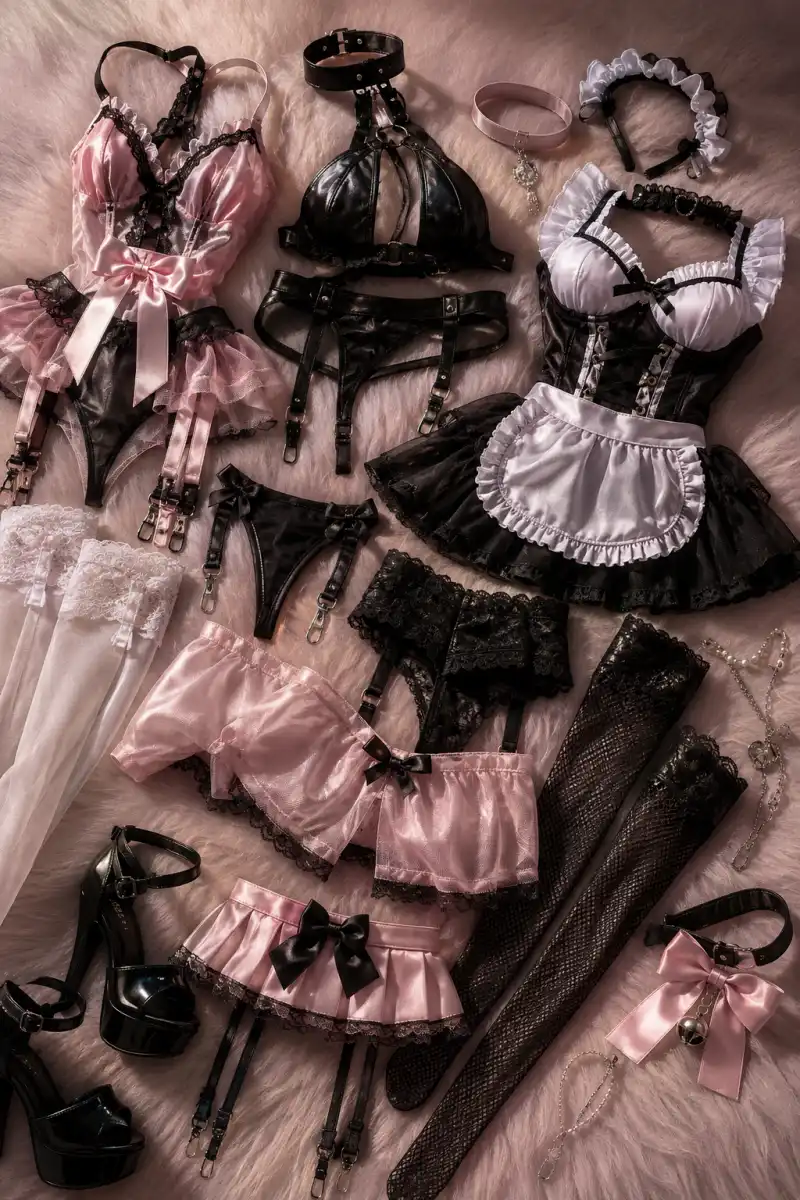
The phrase poupee American doll—also written poupée American doll—is often used by multilingual shoppers looking for American-style 18-inch dolls, clothing and accessories. The search may begin with a familiar height label, but successful styling depends on much more than height. Torso depth, shoulder width, limb shape, foot size, head circumference and even hairstyle can decide whether an outfit looks natural or becomes difficult to put on.
These dolls can serve very different roles. Some owners build stories around a named character and a particular period, while others use clothing, hairstyles and accessories to create a completely personal identity. A well-chosen wardrobe can make the same doll look sporty, academic, casual or formal without changing the face underneath.
For that reason, the most useful approach is to treat the doll as a complete body rather than an “18-inch” category. Accurate measurements make clothing easier to choose, while thoughtful styling gives the figure a stronger personality and makes each accessory feel connected to the character.
Begin with the body, not the age label
Many American-style dolls stand around 18 inches tall, but two dolls with the same height can have very different proportions. One may have a broader cloth torso, another a narrower waist, and another slightly larger hands or feet.
Measure the chest, waist, hips, shoulder width, arm length, inside leg and foot length. Head circumference also matters when the wardrobe includes hats, headbands or wigs. Where possible, record the exact body generation or model name as well.
Fitted clothing exposes these differences quickly. A full skirt may accommodate several body types because the fabric has room to move, while fitted trousers depend much more heavily on waist, hip and thigh measurements.
Sleeves can also create problems. The arm may fit comfortably once dressed, yet a narrow cuff can fail to pass over the doll’s hand. A back-opening shirt or wider sleeve usually makes repeated outfit changes much easier.
Shoes deserve separate attention. Foot length alone does not guarantee a good fit because width, arch shape and ankle opening can vary. Boots add another challenge because the heel and calf must also pass through the opening.
Comparing actual measurements prevents frustration and reduces the need to stretch seams or force accessories onto the doll.
Clothing creates identity through ordinary details
Character styling does not need an elaborate gown to feel distinctive. Everyday clothing often communicates personality more clearly because it suggests how the character lives.
A school outfit can create a studious or youthful mood. Sportswear suggests activity and confidence, while pyjamas make the same doll feel more relaxed and personal. Seasonal coats, casual tops and simple skirts can change the atmosphere without replacing the entire wardrobe.
The official American Girl 18-inch clothing collection shows how everyday, sleep, sport and coordinated outfits can create very different presentations at this scale. However, another brand still needs direct measurement because “18-inch” describes a general category rather than one universal body pattern.
A useful wardrobe usually begins with versatile pieces. A neutral top, simple bottom, jacket and pair of adaptable shoes can combine with more distinctive dresses or accessories later.
Colour coordination also increases flexibility. When tops, skirts and jackets share a small colour palette, one outfit can become several different looks rather than a fixed set that only works one way.
This approach gives the doll a clearer identity while keeping the wardrobe practical.
Fabric can protect or permanently mark the doll
Fabric choice affects both appearance and long-term condition. Lightweight cotton, fine jersey and thin synthetic blends usually drape more naturally at doll scale than heavy human clothing fabrics.
Dark colours need particular care. Black denim, saturated red fabric and strongly printed synthetic lining may transfer dye onto pale vinyl or soft doll surfaces during prolonged contact.
Wash or colour-test new garments when the care instructions allow it. A light-coloured underlayer can also provide a practical barrier beneath darker clothes without changing the finished look too much.
Avoid leaving tight dark garments on the doll for long periods. Pressure around the waist, shoulders or thighs can increase the chance of colour transfer.
Metal decorations create another type of risk. Small buckles, hooks and jewellery can oxidise or scratch painted surfaces when they remain pressed against the body.
Elastic can also lose tension over time. When a waistband begins to stretch unevenly, it may no longer sit correctly and can distort the outfit.
Close hook-and-loop fasteners before storage so they do not catch lace, hair or knitwear. Delicate and heavily decorated garments can be separated with acid-free tissue to reduce snagging.
Hair care depends on the fibre and attachment
Doll hair should be treated according to its construction. A removable wig, rooted synthetic hair and a textured curly style do not respond to brushing or moisture in the same way.
Use the brush or comb recommended for the fibre. Begin at the ends and work upward gradually instead of pulling from the scalp. Supporting the hair close to the head reduces tension on rooted fibres and wig attachments.
Heat requires particular caution. Household straighteners, curling irons and hot dryers can melt synthetic fibres or weaken adhesive around a wig cap.
Water can also change a carefully arranged style. Curls may loosen, fringe placement can shift and certain adhesives may soften when exposed to too much moisture.
Before changing a favourite hairstyle, photograph the original arrangement. This makes it easier to rebuild the same look after washing, seasonal styling or storage.
Hair ties, clips and pins should feel smooth and remain easy to remove. Dark elastics should not stay pressed against pale hair or vinyl for extended periods when dye transfer is possible.
Sharp tools, hot water and replacement wigs are better handled with adult supervision when children are involved.
Accessories should support stories rather than fill boxes
The best accessories give the character something to do. A book can suggest study, a musical instrument can establish a hobby, and a travel case can become the beginning of an entirely new story.
Furniture works in the same way. A chair should place the doll in a believable seated position, while a bed should provide enough length and width without forcing the limbs against the frame.
Correct scale matters because even attractive furniture can become frustrating when the seat is too low or the depth prevents the doll from sitting naturally.
Joint construction also changes how furniture works. A doll with a soft cloth torso and simple hip joints may sit differently from one with articulated knees or a more structured body.
Use stands that suit the doll’s actual weight. Avoid clamping directly across delicate fabric, painted vinyl or rooted hair because repeated pressure can leave marks.
Small accessories should match the intended age group. Miniature jewellery, buckles and tiny household objects can become choking hazards or disappear easily during play.
Rotating accessories usually works better than displaying everything at once. A few carefully chosen pieces keep the scene readable and make each item feel more meaningful.
Labelled trays or divided boxes also make shared wardrobes easier to manage. Photographing favourite outfit and accessory combinations gives owners a simple way to recreate successful looks later.
Changing a face can create a more dramatic character shift
Clothing can change the mood of a doll, but changing the face can transform the character much more dramatically. Expression, hairstyle and facial design influence identity before the viewer notices the outfit.
This is especially useful for collectors who enjoy changing the personality of a display without purchasing another complete body. A different compatible head can create a new character while allowing clothing and accessories to remain part of the same collection.
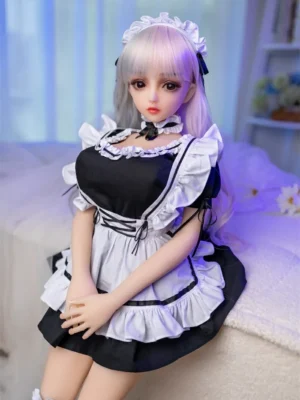
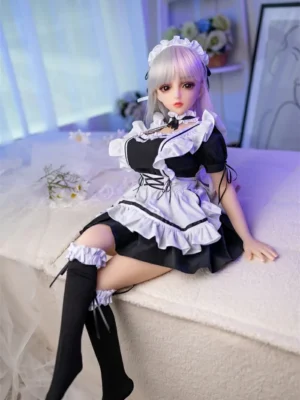
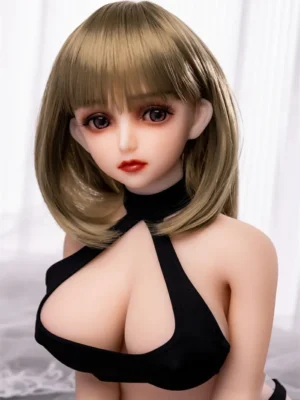
The Figure heads and accessories page brings together additional character heads and matching clothing for selected LORIBEAR bodies. Instead of limiting customisation to one outfit change, these options allow a compatible figure to take on a noticeably different appearance and personality.
Compatibility is essential because head fittings and body proportions are not universal. Confirm the specified body before ordering rather than assuming that similar dimensions guarantee a safe connection.
Collectors who enjoy developing different looks can explore measurements, outfit care and reversible styling in the Doll Customisation & Styling reference. The LORIBEAR shop extends that idea into larger anime-inspired character figures, giving collectors more complete designs, clothing styles and personalities to build around rather than treating the doll as a single fixed appearance.
American-style doll questions
Do all 18-inch doll clothes fit every brand?
No. Height is only one measurement. Torso depth, shoulder width, limb proportions, hands and feet can all vary between brands and body generations.
What measurements should I take before buying doll clothes?
Measure the chest, waist, hips, shoulders, arm length, inside leg and feet. Add head circumference when buying hats, wigs or other fitted head accessories.
How can dark clothes be used more safely?
Colour-test or wash them when appropriate, use a pale barrier layer and avoid leaving tight dark garments on the doll during long-term storage.
Can synthetic doll hair be curled with household heat tools?
Only when the maker confirms a safe method. Ordinary heat tools can melt synthetic fibres, loosen wigs or damage the doll’s head.
What accessories are worth buying first?
Choose accessories connected to the character’s activities and personality. A small number of useful pieces usually supports more stories than a large collection of unrelated miniature objects.