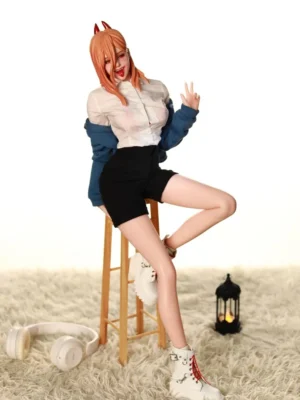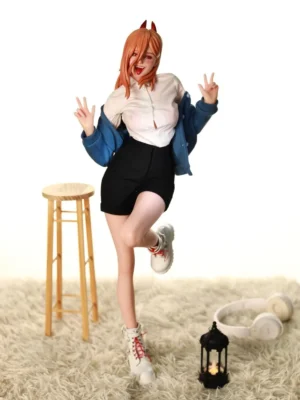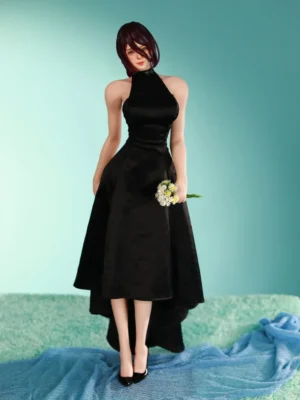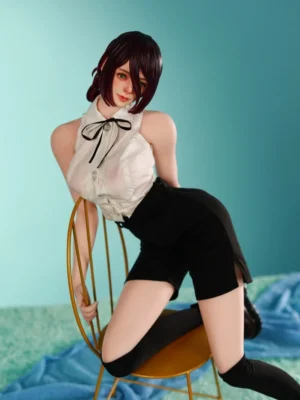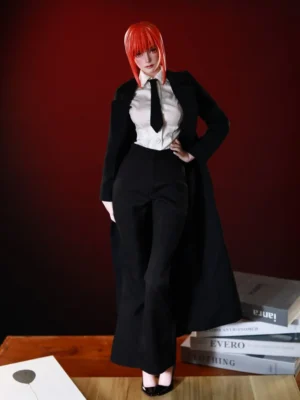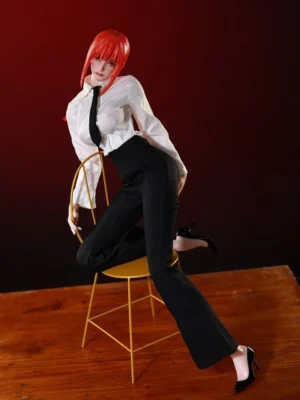
- Chainsaw Man
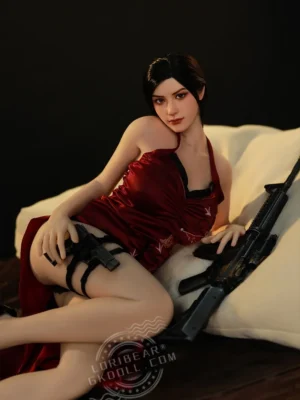
- Resident Evil
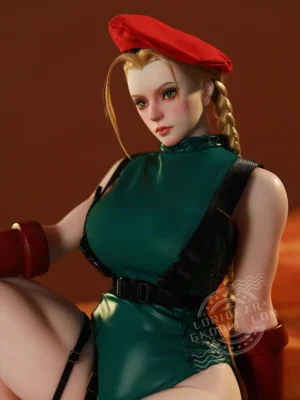
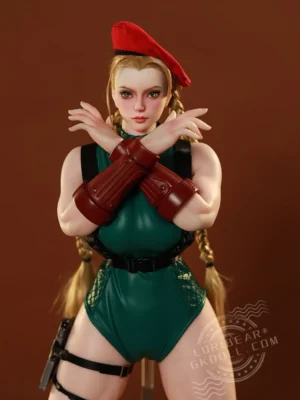
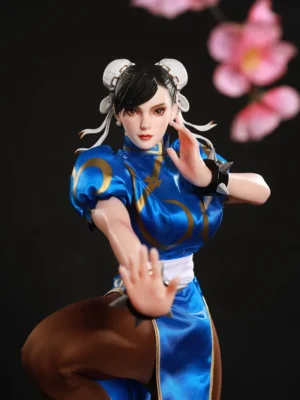
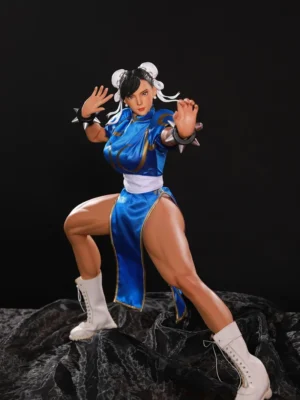
- Street Fighter
- Spy x Family Figures
- Azur Lane
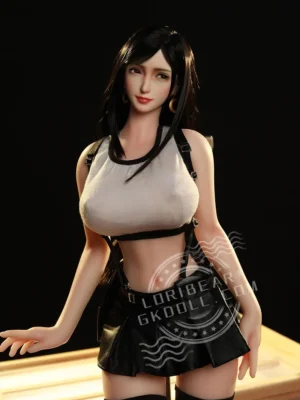
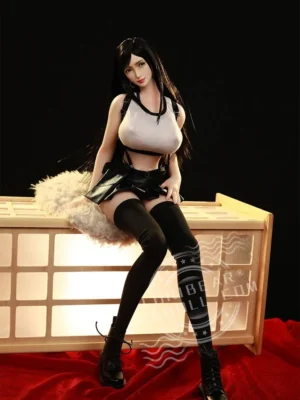
- Final Fantasy
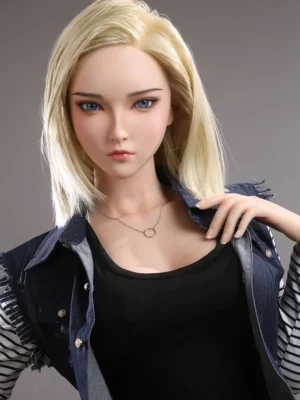
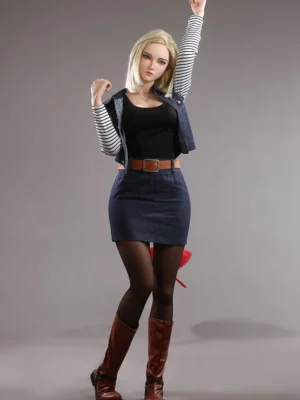
- Dragon Ball
- Naruto
- Neon Genesis Evangelion
- Nier: Automata
- Kuroinu Figures | Olga Discordia Dark Elf
- Queen Pharnelis-Goblin
- Non Virgin Bunny Girl
- Prison School
- The King of Fighters
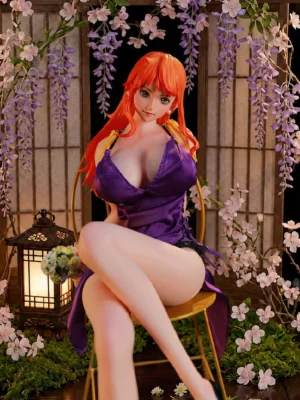
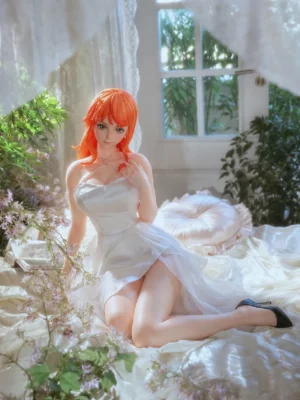
- One Piece
- Figure Heads & Accessories
Our Generation Doll Outfits: Fit, Fabric and Styling

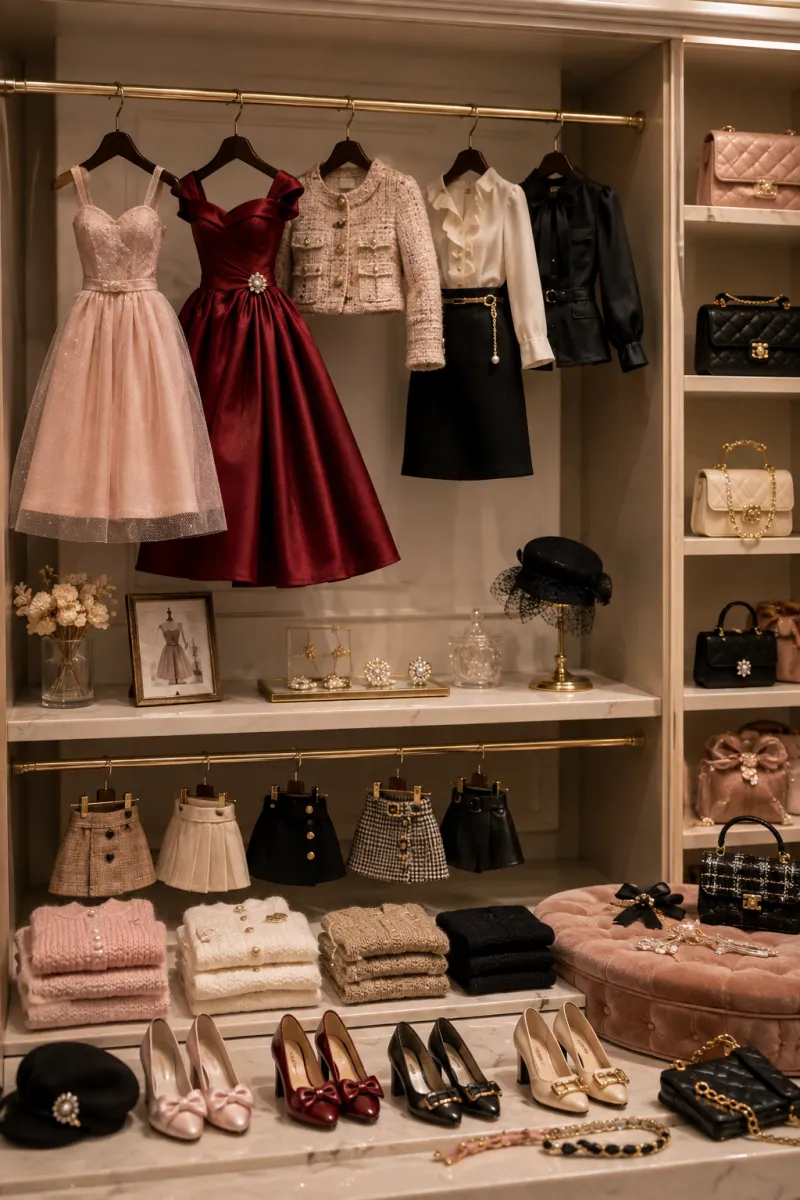
Our Generation doll outfits are designed for the familiar 18-inch play-doll format, but the height label alone does not guarantee a perfect fit. Chest depth, waist position, shoulder width, hand size, foot shape and hairstyle can all affect how easily an outfit goes on and how naturally it sits once dressed.
Clothing also changes the personality of a doll. A school uniform can create an everyday story, while a raincoat suggests an outdoor adventure. A party dress, pyjama set or casual jacket can give the same doll a completely different mood. Good outfit selection therefore combines reliable fit with colour, fabric, character and practical ease of dressing.
For collectors and families building a wardrobe, versatility matters as much as appearance. A small group of well-chosen pieces can create more useful combinations than several outfits that only work in one specific look.
Measure the doll before relying on 18 inches
The 18-inch label describes overall height, not exact body shape. Two dolls can stand at a similar height while having different chest depth, waist placement, hand size or leg proportions.
Measure the chest, waist, hips, shoulder width, arm length, inseam and foot length before buying fitted clothing. For close-fitting tops, chest depth can matter just as much as circumference.
Hands and hairstyles often create unexpected dressing problems. A narrow sleeve may fit the arm but struggle to pass over a wide hand. Likewise, a fitted neckline may catch on thick hair even when the chest measurements appear correct.
Garment measurements provide a better guide than a general “fits 18-inch dolls” description. Jackets need enough ease to close over another layer. Trousers also need sufficient rise so they reach the intended waist without pulling through the hips or crotch.
When measurements sit very close to the doll’s body size, a small amount of extra room usually makes dressing easier. This is especially useful for children who change outfits frequently.
Fastenings determine whether dressing stays enjoyable
The fastening can change how easy an outfit feels to use. Hook-and-loop tape remains one of the simplest choices because it opens widely and tolerates small differences in body size.
However, exposed hooks can catch long hair, lace or fine knitted fabric. Closing the fastening before storing the garment helps prevent snagging nearby pieces.
Snaps create a cleaner appearance and work well on dresses, jackets and shirts. They usually require more finger pressure, so very small snaps may frustrate younger users.
Miniature buttons can make an outfit look more realistic. They suit display-focused clothing and older collectors, but they take longer to fasten and may not be ideal for frequent play.
Back-opening tops are particularly practical because the doll’s hands and hair do not need to pass through a narrow neckline. Full front openings also make coats and jackets easier to layer.
Whatever the style, check the stitching around every fastening. Frequent dressing places repeated stress on these areas, so secure reinforcement can extend the life of the outfit.
Fabric weight should match the doll’s scale
Fabric that looks natural on a person can appear bulky on a doll. Heavy denim, thick wool and stiff shirting may create oversized folds or make small sleeves difficult to bend.
Lightweight cotton, fine jersey and thin synthetic blends usually produce more convincing miniature drape. They allow skirts to fall naturally and help sleeves move with the doll’s arms.
Seam thickness also matters. Several layers of fabric at a waistband can add unexpected bulk and prevent trousers or skirts from sitting flat against the body.
Stretch fabrics work particularly well for leggings, fitted tops and casual dresses. They accommodate small measurement differences without requiring oversized garments.
However, excessive tension can distort printed patterns or place strain on seams. A garment should stretch enough for dressing without looking permanently pulled across the body.
Light, colourfast lining can improve formal outfits and help protect the doll beneath darker fabrics. This becomes especially useful when the garment may stay on for several days.
 Build a wardrobe from useful layers
A practical doll wardrobe does not need dozens of complete sets. Start with pieces that can work together in different combinations.
A neutral top, simple trousers or skirt, one dress, a jacket, pyjamas and two versatile pairs of shoes create a strong foundation. These pieces can move between everyday scenes, travel stories and more formal displays.
Colour coordination increases the number of combinations. Choosing a small palette allows a jacket from one set to work with the skirt or trousers from another.
Accessories can then add personality without replacing the entire outfit. Glasses may create a studious look, while a hat, handbag or scarf can shift the same basic clothing toward another style.
Seasonal clothing works best as an addition rather than the foundation of the wardrobe. A raincoat, winter coat or party dress feels more useful when the doll already has simple pieces to wear underneath.
This approach also reduces duplication. Instead of owning several nearly identical tops, the wardrobe gains more variety through pieces that can mix and layer.
Shoes and accessories have their own fit problems
Shoes require separate measurements because overall doll height does not predict foot size. Check foot length and width, and pay attention to ankle thickness when buying boots.
A boot may fit the foot yet still fail to pass over the heel or calf. Flexible openings and side fastenings can make dressing much easier.
Hard plastic shoes should never be forced onto the foot. Tight edges can scratch painted areas or put unnecessary pressure on toes. Soft shoes offer more flexibility, although narrow openings can split when stretched too aggressively.
Hats depend on both head circumference and hairstyle. A style that fits loose hair may become too tight when the doll wears braids, ponytails or decorative hair accessories.
Bags should hang naturally without pulling the hair or leaving dark straps pressed against the body. Jewellery also needs smooth edges and secure fittings.
Small accessories deserve extra care in homes with young children. Tiny buckles, charms and jewellery pieces can become easy to lose and may not suit every age group.
Dark fabric can mark vinyl and soft doll bodies
Dark clothing can transform a doll’s appearance, but strong dyes may transfer onto vinyl, silicone or other soft surfaces. Black, navy, red and dark denim deserve particular attention.
When the care label allows it, wash new colourfast clothing separately before extended use. This can remove some loose surface dye before the garment touches the doll.
A light underlayer also creates a useful barrier beneath darker clothing. Thin white tights, undershirts or slips can help protect the body without changing the finished look dramatically.
Avoid leaving very tight dark garments on the doll for long periods. Heat and pressure can increase the chance of colour transfer, especially around the waist, shoulders and thighs.
After removing dark clothing, check the body before dressing the doll again. Early marks are easier to notice when inspection becomes part of the normal wardrobe routine.
Store clean clothing flat or on small rounded hangers. Close hook-and-loop fasteners before storage so they cannot catch neighbouring fabrics.
Separate shoes, jewellery and small accessories into labelled compartments. This keeps hard pieces from pressing into delicate fabrics and makes complete outfit sets easier to find later.
 Outfits carry character beyond the 18-inch format
The same ideas of proportion, colour and fabric scale also apply when dressing larger character dolls. Clothing can change the atmosphere around a character without changing the face or identity that collectors already recognise.
A familiar character in casual clothing may feel warm and approachable. A formal dress can create a more elegant presentation, while a signature costume immediately reconnects the figure with the story that made the character memorable.
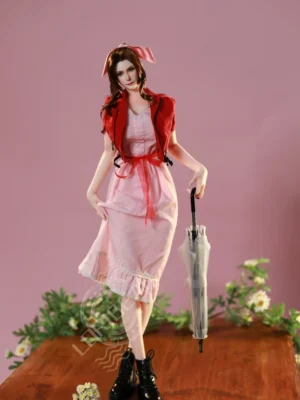
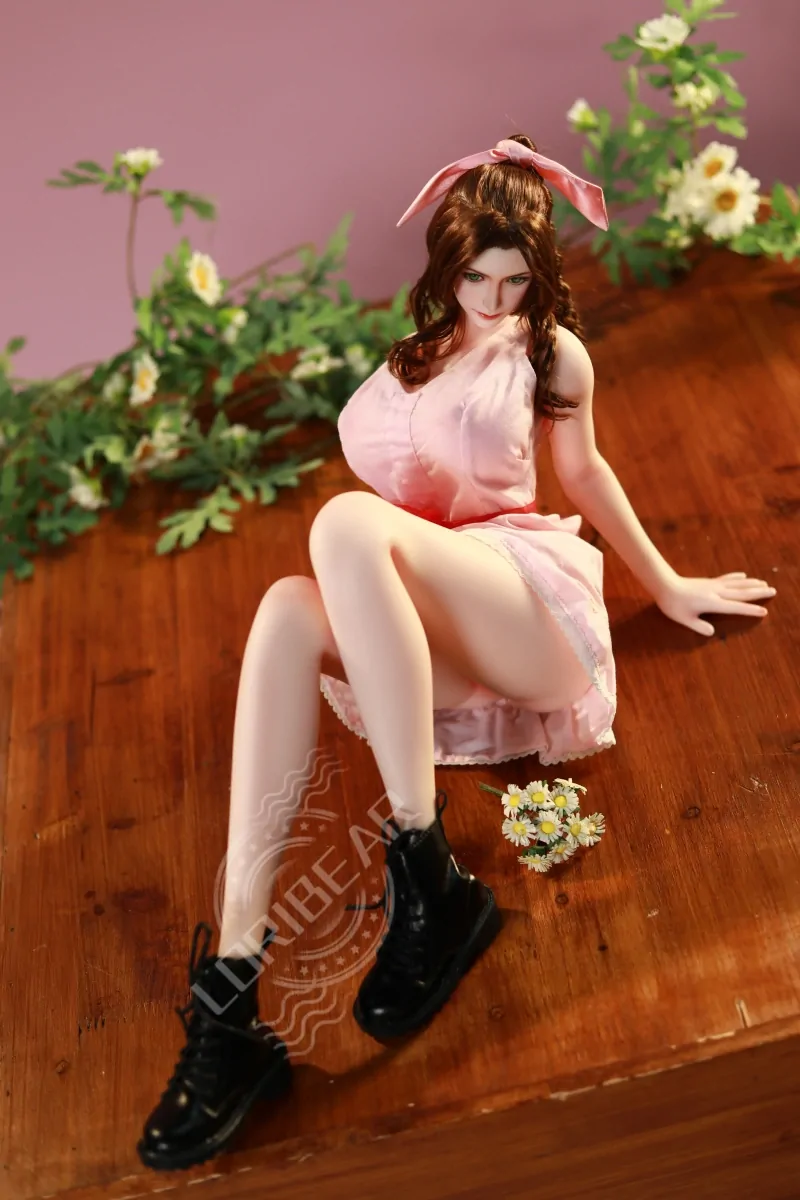
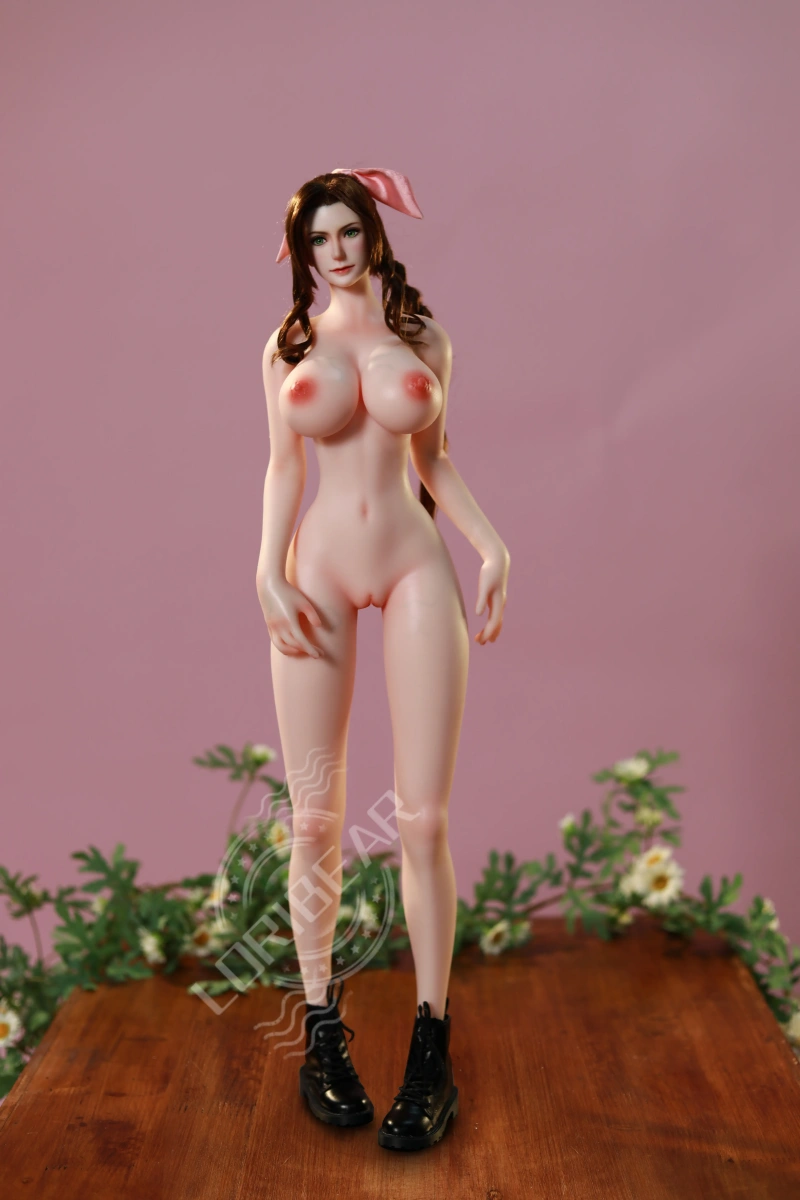
The 68 cm Aerith figure demonstrates this clearly through two different wardrobe choices. Collectors can choose a pink dress or a red formal dress, allowing the same character to move between a softer familiar presentation and a more refined display style. Her recognisable hairstyle and gentle expression remain central, while the clothing changes the mood around her.
This makes wardrobe selection part of the collecting experience rather than a simple accessory decision. The right outfit can refresh a familiar character, create new photography possibilities and give collectors another way to personalise the display.
More guidance on measurements, clothing choices and character styling appears in the Doll Customisation & Styling reference. The LORIBEAR shop also brings together dressed character figures with different costumes and visual styles, giving collectors more ways to explore how wardrobe changes the personality and presentation of a favourite character.
The Smithsonian’s National Museum of American History catalogues a nineteenth-century cotton-and-wool doll chemise. The preserved garment shows how miniature clothing has long held value as part of doll culture and material history in its own right.
Doll outfit questions
Do all 18-inch doll clothes fit Our Generation dolls?
No. Dolls from different brands can have different chest depth, hand size, foot shape and limb proportions. Compare actual doll and garment measurements whenever possible.
Which fastening is easiest for doll clothes?
Hook-and-loop tape is usually the easiest option for frequent dressing. Snaps and miniature buttons can create a cleaner appearance but require more finger control.
Which fabrics work best for doll outfits?
Lightweight cotton, fine jersey and thin synthetic blends usually drape well at doll scale. Very thick fabrics can create bulky seams and restrict movement.
How can dark doll clothes be used more safely?
Wash colourfast garments when appropriate, use a light underlayer and avoid leaving tight dark fabric against the doll for extended periods.
What pieces make a useful first doll wardrobe?
A neutral top, simple bottom, dress, jacket, pyjamas and versatile shoes provide a practical starting point. Coordinated colours make these pieces easier to mix into different outfits.