Mai Shiranui Naked: Beauty and Personality in Nude Fan Art

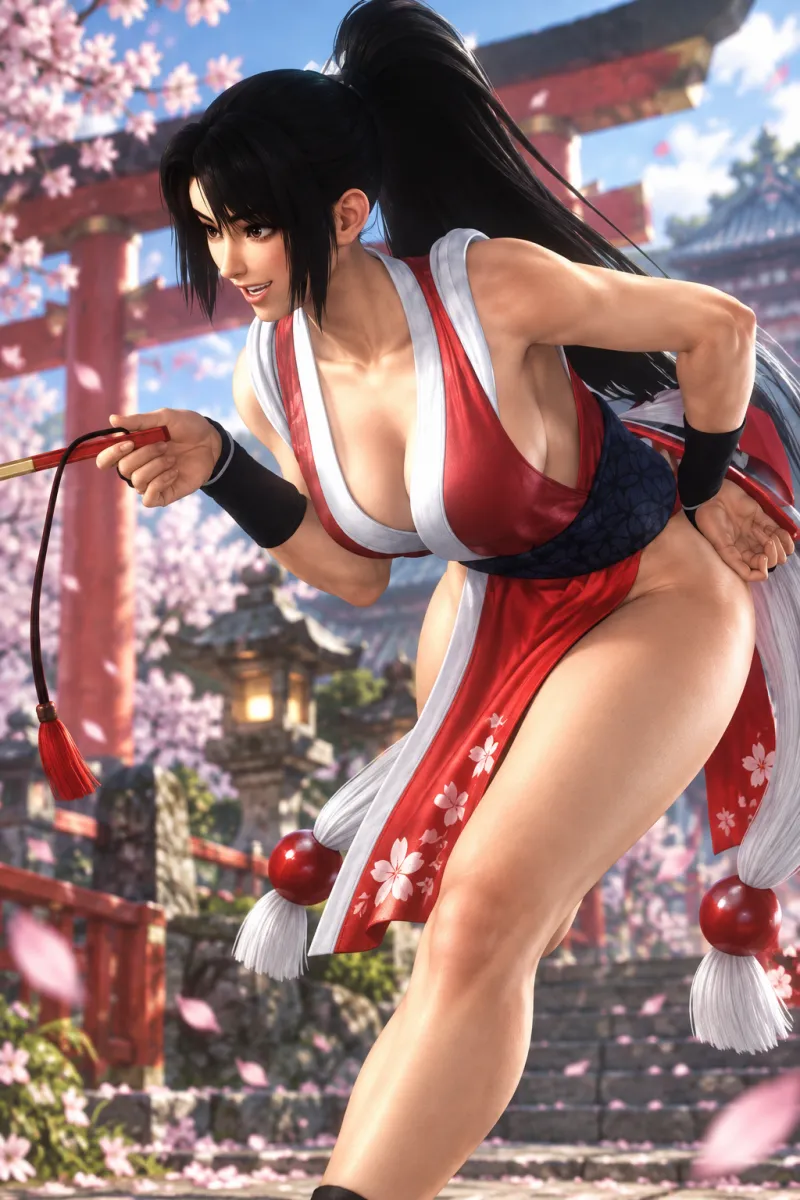
Mai Shiranui naked fan art takes a familiar fighting-game character out of her red outfit and places greater attention on her face, figure and expression. The subject is still Mai: the brown-haired kunoichi with a lively smile, a theatrical streak and the confidence to make an entrance. For fans, the interest comes from seeing another interpretation of someone they already recognise and enjoy.
Nudity alone cannot explain why one portrait feels memorable while another feels interchangeable. Mai has a particular combination of beauty and energy. Her curvy figure is part of it, but so are the raised chin, animated eyes and long ponytail associated with her game appearances. A successful portrayal brings those details together, giving viewers a reason to recognise the character before they read the caption.
These nude portrayals generally belong to fan-created illustrations, renders or other unofficial interpretations. They should not be mistaken for a hidden scene in Fatal Fury or The King of Fighters. That distinction leaves plenty of room to appreciate the artwork on its own terms, without attaching an invented story to it.
Her Face Is Where Recognition Begins
Mai has an expressive face. Her eyes, brows and mouth can move from cheerful confidence to irritation or determination, and those changes give her more variety than a permanently distant expression would. In a nude portrait, where the familiar clothing no longer provides an immediate reference, that expressiveness becomes especially important.
A bright smile can recall the energy of a victory celebration. Lifting an eyebrow suggests that she has noticed something amusing. A more focused gaze brings back the fighter preparing to act. Each expression offers a different reading of the same woman, rather than treating her face as an unchanging decorative feature.
Her brown hair helps maintain the connection. The high ponytail creates a distinctive outline, while the hair around her forehead keeps the face familiar. Even when an artist changes the rendering style, those relationships between the hair, brows and eyes can preserve a strong resemblance.
Long hair also gives a still image a suggestion of movement. A ponytail falling over one shoulder produces a quieter impression than one swinging behind a turned head. Neither requires a dramatic setting. The position of the hair can help a portrait feel relaxed, lively or caught between two actions.
That range matters because Mai is an energetic character. A beautiful face with no identifiable mood may be pleasant to look at, but a recognisable expression gives fans something more specific to enjoy. They can connect it to the attitude they remember from playing her or meeting her across the fighting-game roster.
A Curvy Figure with a Fighter’s Balance
Mai’s established design combines a full bust, a defined waist and long, athletic legs. Those proportions contribute to her recognisable appearance, although different games and illustrations interpret them differently. Nude fan art places the whole figure in view, making those choices easier to notice.
The relationship between the features matters more than the exaggeration of any single one. Shoulders, torso, hips and legs need to feel as though they belong to the same figure. When one area overwhelms everything else, Mai can become harder to recognise even if her hairstyle remains familiar.
Her legs also carry a connection to her fighting style. Mai jumps, turns and changes direction, so a sense of balance suits her. A standing portrait can retain that quality through the placement of her feet and the way she carries her weight. She need not perform an attack for the viewer to believe that she could move comfortably.
There is room for both softer and more athletic interpretations. One artist may favour rounded forms and gentle shading; another may show clearer muscle definition. Neither approach automatically captures Mai better. The result depends on whether the overall figure still works with her face, posture and animated personality.
For the viewer, beauty often lies in that coherence. The eye can follow the figure naturally, without a disconnected limb or an awkward angle interrupting the impression. A calm, balanced image can remain enjoyable long after the initial novelty of seeing a different portrayal has passed.
Mai’s Confidence Has a Playful Side
Mai enjoys making an impression, but her personality also includes humour, enthusiasm and impatience. That makes her a flexible subject for portraiture. A nude interpretation does not have to give her a solemn expression merely because it changes the clothing.
A small grin can make an image feel friendly and familiar. An amused glance can suggest that she is in on the joke. Her confidence works particularly well when it looks comfortable, as though she has no need to hold a rigid pose simply to prove that she belongs in the picture.
SNK’s official Mai Shiranui character profile describes her Shiranui-style ninja arts and fan-based fighting. Its accompanying interview also gives her ordinary interests, including preparing packed lunches and spending time with Andy. Those details add warmth to the showmanship.
That warmer side creates another possibility for fan art: Mai at ease. A relaxed expression can feel just as personal as an energetic one, especially for viewers who know her beyond her fighting stance. The appeal comes from recognising a familiar person in a quieter mood.
Her romantic interest in Andy provides context for that expressiveness, but a portrait does not need to recreate a relationship scene. A thoughtful face, a cheerful smile or a moment of impatience can stand on its own. Giving her a clear mood makes the image feel complete without inventing dialogue or events.
For more of her background, our Mai Shiranui character stories follow the connections between her fighting-game appearances, personality and familiar visual details. That history helps explain why fans recognise more than a hairstyle when they encounter a new interpretation.
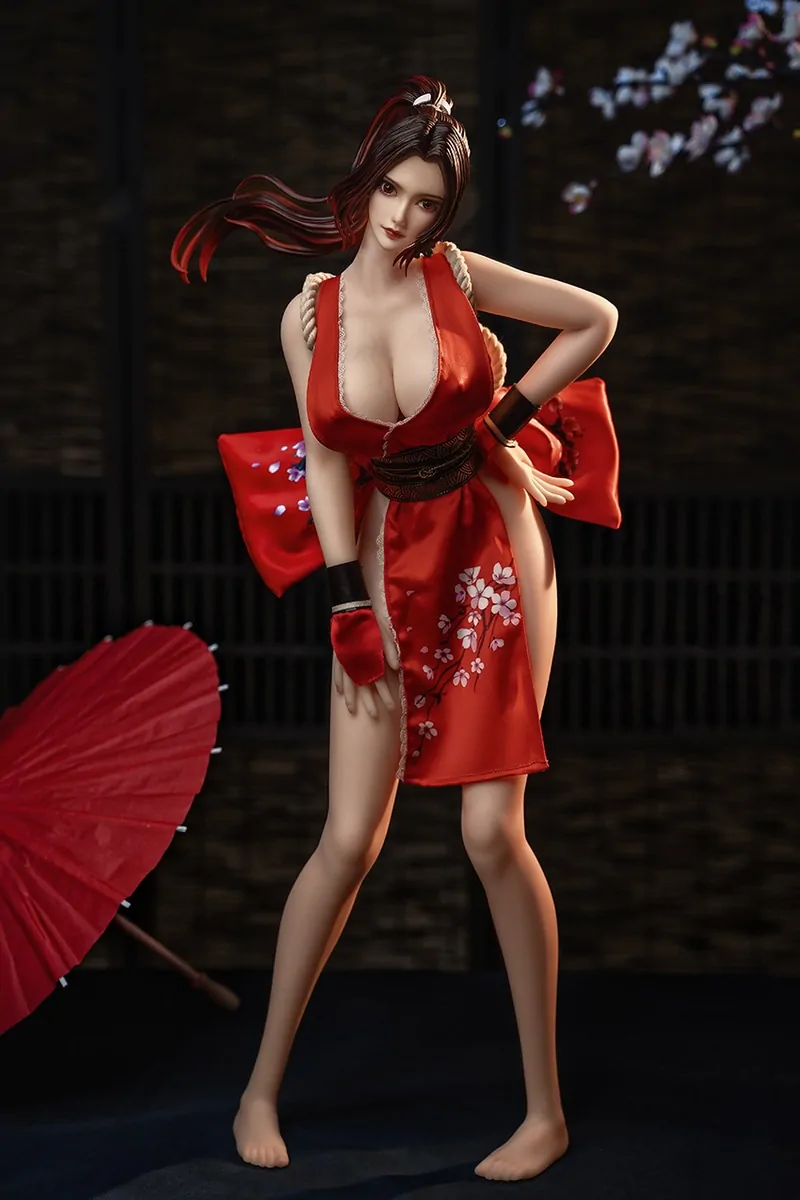 Illustration and 3D Rendering Offer Different Experiences
A drawn nude portrait can simplify detail while preserving the features that matter most. Clear lines, carefully chosen colours and a strong expression may be enough to establish Mai. The artist can leave some areas loosely described, allowing the viewer to take in the whole image without examining every surface.
A three-dimensional render presents a different set of qualities. Light describes the shape of the face and body, and the image may resemble a photographed sculpture. Hair, skin and the surrounding space can have a more tangible appearance, even when the proportions remain deliberately stylised.
Neither format guarantees a stronger result. A detailed render can still feel lifeless if the expression is blank. A simple drawing can be immediately engaging when the smile, posture and hair all convey the same mood. Technical finish and character recognition contribute different things.
Fans also bring different memories to the image. Someone who first enjoyed Mai in older sprite-based games may prefer bold outlines and clearly defined shapes. Another viewer may favour the facial detail of newer three-dimensional appearances. These preferences need not compete; they explain why several styles can appeal to the same fan community.
The background changes the experience as well. A plain backdrop keeps attention on the portrait. A restrained setting can suggest an everyday moment, while an elaborate scene may invite the viewer to imagine a larger story. An image becomes less convincing when the setting demands attention that the character cannot hold.
It is worth distinguishing visual detail from visual clutter. More accessories, reflections or effects do not necessarily make Mai more recognisable. Sometimes a simple face, a natural posture and a familiar ponytail communicate more clearly than a crowded image full of references.
What Keeps a Favourite Image Worth Revisiting?
The first attraction may be Mai’s appearance, but a favourite image usually offers something specific: an expression that feels right, a pleasing overall figure or a style that recalls a particular period of the games. Those details give the picture a personal connection rather than making it merely another version of the same subject.
Consider how much an expression can change the experience. A confident smile gives the image an open, lively feeling. Thoughtfulness creates a quieter mood. Determination brings back the competitor who expects to win. Each can be attractive without relying on an identical mood.
A portrayal can also benefit from leaving room for the viewer’s own memories. It does not need to explain every reference. Someone who has spent hours playing Mai may already associate her ponytail, fan or stance with a favourite match. Familiar details allow those associations to surface naturally.
Personal preference remains important. Some fans want close resemblance to a particular game design. Others enjoy seeing a familiar character through an artist’s individual style. Both approaches can produce worthwhile work, provided the viewer can still find the qualities that attracted them to Mai in the first place.
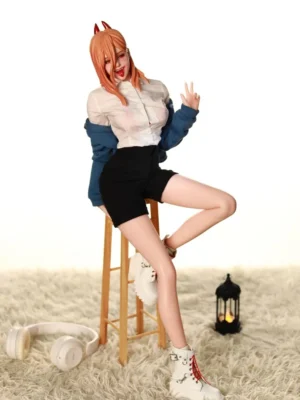
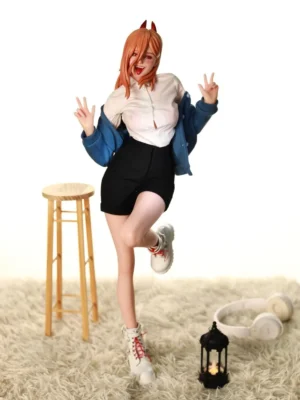
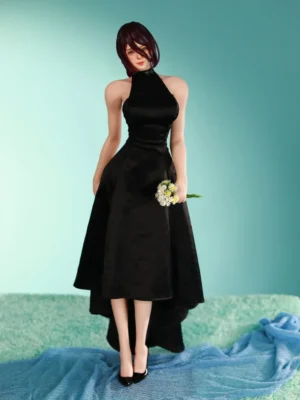
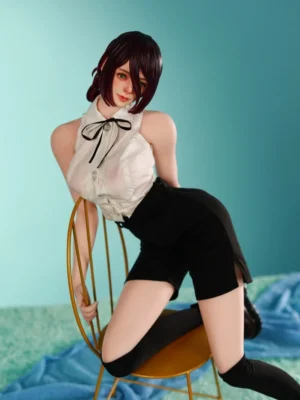
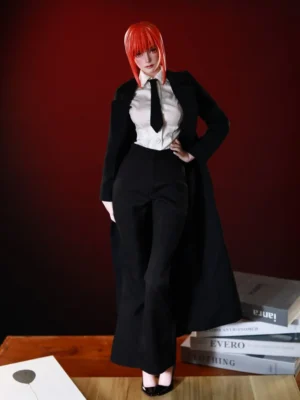
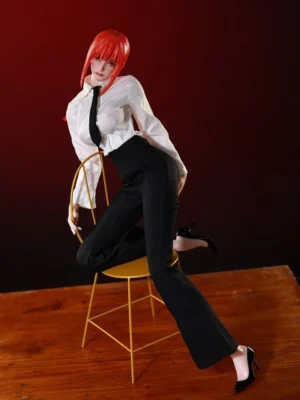
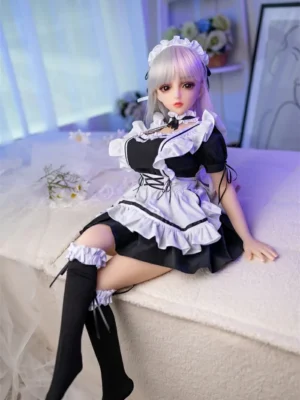
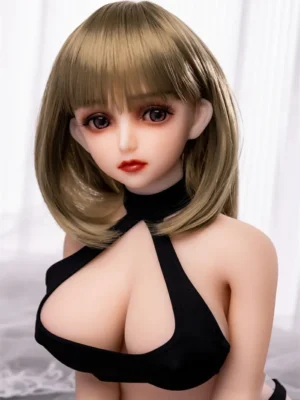
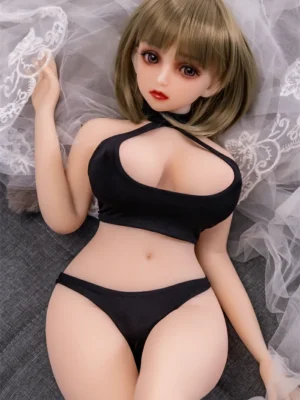
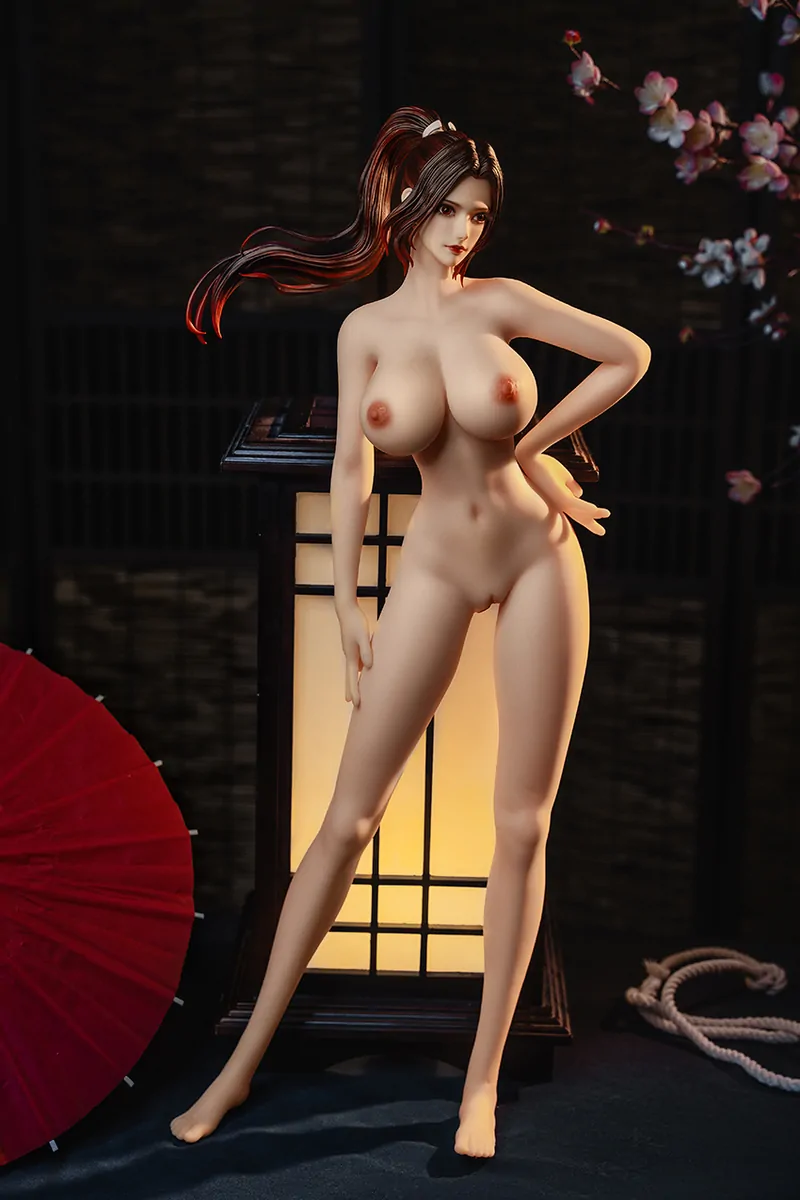
That attachment can extend into collecting. If Mai is a character you would like to enjoy beyond digital artwork, take a closer look at our Mai Shiranui naked figure listing. Browse the actual gallery to see our interpretation of her face, long brown hair and familiar character styling. The listing also shows the red outfit, giving you a clear view of the design before you decide whether it belongs in your collection.
A Personal Collection Starts with a Particular Favourite
Choosing a character piece is easier when you know what you like about the character. With Mai, that may be her cheerful confidence, her classic appearance or the memories attached to playing Fatal Fury and The King of Fighters. Those reasons are more useful than buying something simply because the name is well known.
A figure and an illustration offer different ways to enjoy the same interest. The illustration presents an artist’s chosen view and mood. A physical character piece becomes part of the space where you keep your games, books or other favourites. Neither has to replace the other.
If you collect several fighting-game characters, our anime figure shop lets you explore other designs alongside Mai. Start with the characters whose appearances or personalities you genuinely enjoy, then decide which interpretations fit that preference. There is no need for every piece to follow exactly the same visual style.
Mai’s enduring attraction comes from having several qualities worth remembering at once. Her appearance is distinctive, her expressions are lively and her confidence has room for humour. Nude fan art changes the presentation, while the most recognisable portrayals keep that personality available to the viewer.
You can explore more of the people behind familiar game and anime designs in our Character Stories. With Mai, the lasting impression is often a small, specific detail: the smile that suggests she is enjoying herself, or the poised stance that recalls the fighter behind the portrait.
 Frequently Asked Questions
Does Mai Shiranui naked artwork come from the official games?
Much of the nude artwork circulating under this phrase consists of fan illustrations, renders or modifications. A character resemblance or game-style background does not establish that an image is an official SNK scene.
Which details make Mai recognisable in nude fan art?
Her long brown ponytail, expressive face, curvy figure and confident posture all contribute. The most convincing resemblance comes from these features working together rather than from exaggerating one body feature.
Is Mai Shiranui originally a King of Fighters character?
Mai debuted in Fatal Fury 2 and later became a recurring character in The King of Fighters. Fans may know her from either series.
Does the linked figure include Mai’s familiar outfit?
The product listing includes a red Mai-inspired outfit. Its gallery shows the seller’s interpretation, so use those product images to judge the appearance rather than assuming it matches a particular piece of fan art.