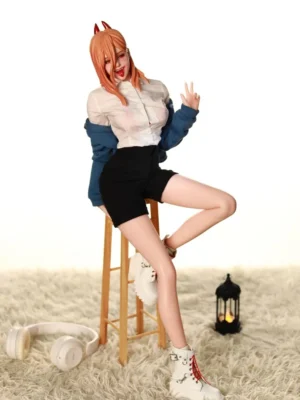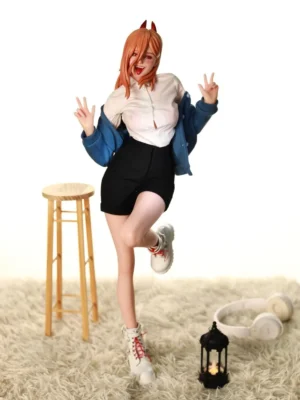
- Chainsaw Man
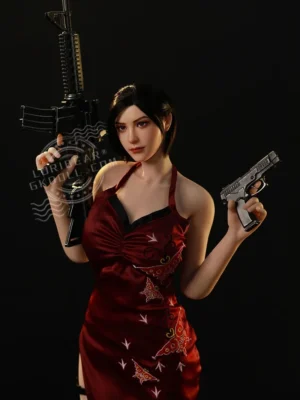
- Resident Evil
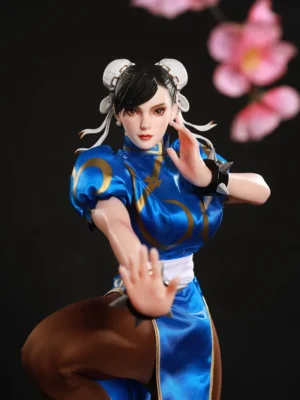
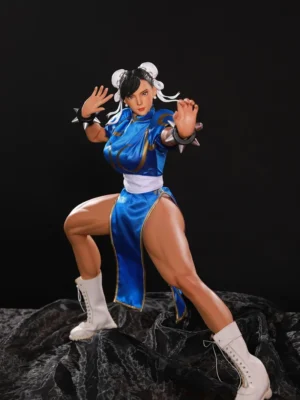
- Street Fighter
- Spy x Family Figures
- Azur Lane
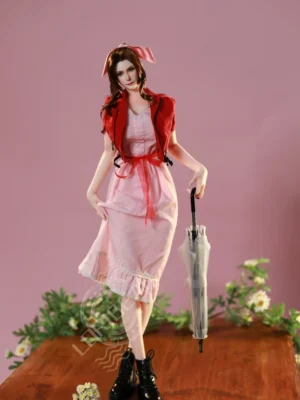
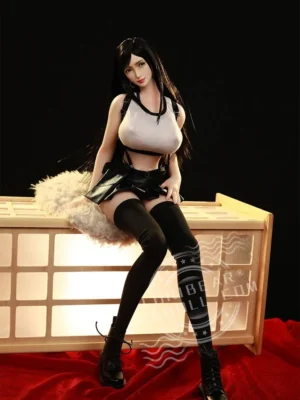
- Final Fantasy
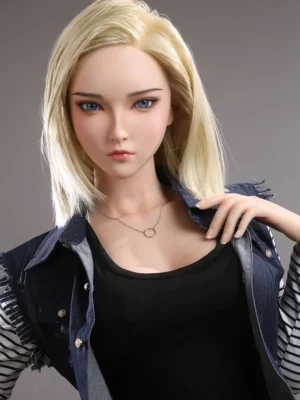
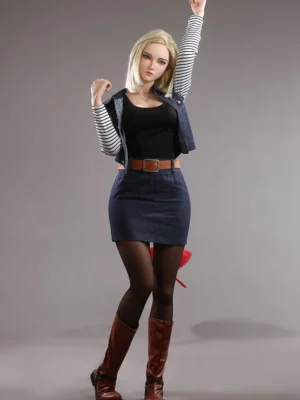
- Dragon Ball
- Naruto
- Neon Genesis Evangelion
- Nier: Automata
- Kuroinu Figures | Olga Discordia Dark Elf
- Queen Pharnelis-Goblin
- Non Virgin Bunny Girl
- Prison School
- The King of Fighters
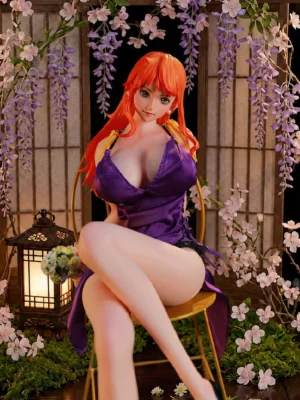
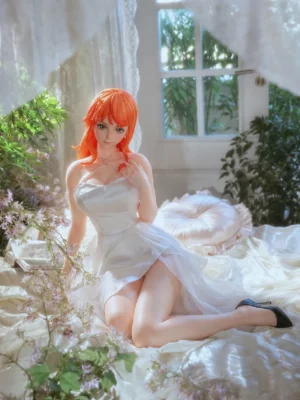
- One Piece
- Figure Heads & Accessories
JJK Figures: Character Group Display and Collecting Guide

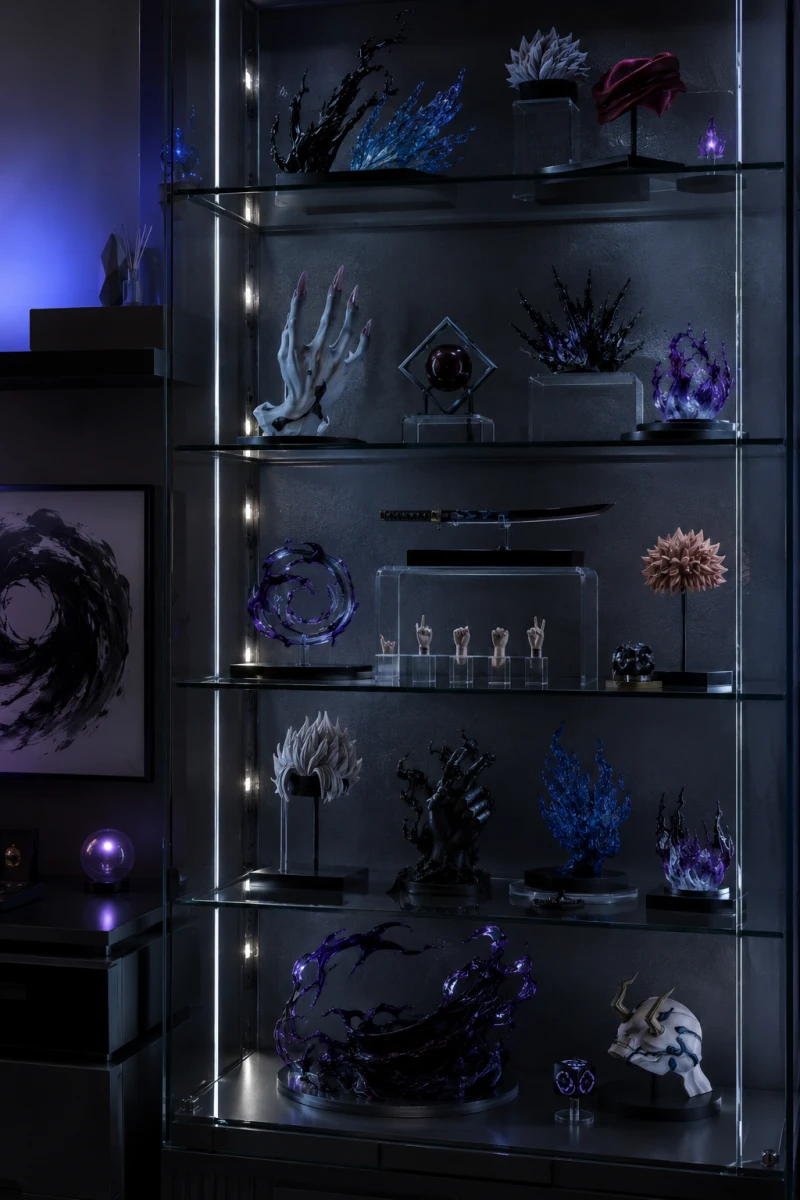
JJK figures become more expressive when the collection follows story, relationships and emotional tension rather than simple purchase order. Yuji, Megumi and Nobara naturally read as a student team, while Gojo often becomes a visual anchor through his pale hair, calm confidence and instantly recognisable eye covering. Villains and cursed spirits create another kind of atmosphere when they are given their own visual space.
A group of Jujutsu Kaisen figures therefore feels strongest when the shelf reflects the relationships that made the series memorable. A display arranged only by purchase date can look disconnected even when every individual figure is attractive on its own.
The first decision should not be which release is the rarest or most expensive. It should be which scene, faction or emotional contrast the collection is meant to preserve. Once that idea is clear, scale, pose, spacing and lighting become much easier to manage.
Choose one narrative boundary
A display can follow the Tokyo students, one confrontation, a particular story arc or a single character across different periods. Each approach gives the shelf a clear identity.
Mixing every available release often weakens that identity. School-era costumes, later battle designs and unrelated villains may all be recognisable individually, but together they can make the shelf feel more like storage than storytelling.
The official Jujutsu Kaisen character directory provides a useful reference for checking character groups, costumes and appearances before arranging the collection.
Write the display idea in one sentence before moving anything. “Tokyo students preparing for battle” creates one type of composition, while “Gojo and Geto across two periods” creates another.
This simple rule also makes future purchases easier. If a new figure strengthens that idea, it belongs naturally. If it does not, it may deserve a different shelf rather than being forced into the existing group.
Build a visual hierarchy instead of a straight line
A straight row gives every figure the same visual importance. That can flatten the display, especially when several characters share dark uniforms and similar poses.
Place the figure with the strongest silhouette slightly behind or above the others. Gojo often works well as a focal point because his pale hair and controlled posture naturally draw attention.
Risers should support the full base rather than only the character’s feet. Clear acrylic can disappear visually, while darker risers can support a more dramatic atmosphere when used deliberately.
Faces need open sightlines. Offset the bases and turn heads or torsos slightly toward the centre. Even a small angle can make separate releases feel as though they belong to the same moment.
The goal is not perfect symmetry. The goal is to make the characters appear connected.
 Scale must be judged by the body, not the box label
Prize figures, articulated figures and statues can use different proportions even when their listed heights look similar. Head size, shoulder width, pose and base elevation all affect how large a character feels on the shelf.
Measure eye level as well as total height. Similar eye lines often create a more natural group than figures arranged only by nominal scale.
A crouching figure can appear much smaller than an upright figure at the same stated scale. Large effect parts can create the opposite problem by making one piece dominate the composition.
| Display problem | Practical correction |
|---|---|
| One figure blocks another face | Offset the bases and raise the rear figure by 3–6 cm |
| Mixed scales look accidental | Group by eye level or create separate foreground and background zones |
| Effect parts overwhelm characters | Move effects toward the edge and keep faces toward the centre |
| Articulated poses slowly collapse | Use the supplied stand and reduce extreme joint angles |
When scale differences cannot be hidden, use them intentionally. A stronger visual anchor can lead the shelf while supporting figures create movement around it.
Use light to separate dark costumes
Many Jujutsu Kaisen characters wear dark navy or black clothing, so a black cabinet can erase important body lines. A neutral grey or warm off-white background usually gives the figures more separation without competing with skin tones or coloured effects.
Diffused light from above and slightly forward helps reveal faces, hair and costume folds. Hard point lighting often creates distracting reflections across glossy paint and clear effect parts.
Move the light source before increasing brightness. Stronger light can create more glare without improving facial visibility.
Keep direct sunlight away from the display. UV exposure and heat can gradually affect painted surfaces, transparent effects and other materials.
Leave enough room around large effects for cleaning. A figure should not need to be dismantled every time the shelf needs dusting.
Map the shelf before moving the collection
Measure the usable width, depth and height after allowing for cabinet frames, hinges and lighting. The advertised dimensions of the cabinet often provide more space on paper than the figures can actually use.
Cut paper rectangles that match each base and arrange them on the empty shelf first. This reveals collisions between weapons, coats and effect parts without repeatedly handling the figures.
Also consider the normal viewing position. A layout seen from a desk chair needs different height relationships from one viewed while standing across the room.
Keep a clear route to every support stand. If one rear figure can only be removed after lifting several pieces in front, routine cleaning becomes unnecessarily risky.
A good group can look visually dense while still leaving enough room to lift one figure without touching another.
 Use pose direction to create conversation
Most figures have a natural directional line created by the eyes, shoulders, weapon or extended arm. Aim those lines into the composition rather than toward the cabinet wall.
Yuji’s forward energy can lead toward an opponent, while a calm Gojo pose can sit higher and look across the group. These choices create visual relationships even when the figures come from different product lines.
When every character faces straight forward, the display starts to resemble retail stock rather than a scene.
JJK action figures work best when articulation supports the story rather than becoming the main attraction. A restrained turn of the torso or head often creates more believable interaction than an extreme pose that exposes every joint.
Use the correct stand for airborne or one-legged poses. Photograph the finished joint position so gradual drooping becomes easier to notice later.
Control dust, reflections and background colour
A closed cabinet reduces dust but does not eliminate it. Fine particles still collect around hair tips, weapons and base edges.
Use a soft blower or clean makeup brush for routine care. Support fragile accessories instead of brushing directly against them.
Avoid household cleaning sprays near figures. Fine droplets can leave residue on clear parts and painted surfaces.
Glass doors create another challenge through reflections. A dark costume can disappear behind a reflected window or lamp even when the figure itself is well lit.
Adjust the light angle until faces stay visible without a strong reflection behind them. A removable background card also makes colour testing easier.
Deep red or blue can reinforce a dramatic scene, while neutral grey remains more flexible when the collection changes.
Rotate the story without losing the system
A collector does not need to display every JJK release at the same time. Rotation keeps the shelf visually focused and gives stored figures another opportunity to become the centre of attention later.
Keep a simple inventory with character, version, scale, base size and storage location. This makes seasonal or story-arc changes much easier.
Store interchangeable parts in labelled bags or compartments that do not press against painted faces. Photograph the completed display before dismantling it.
Those photographs make it easy to rebuild a successful arrangement later without relying on memory.
Rotation also creates a useful maintenance opportunity. Check leaning supports, loose joints, tacky surfaces and paint transfer before returning a figure to storage.
Fans of Jujutsu Kaisen may also enjoy other powerful anime heroines
The wider anime doll brands and series reference helps collectors explore how different anime characters create very different moods in a collection. For many fans, the real connection comes from personality rather than franchise alone.
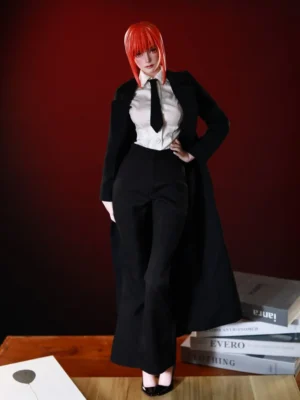
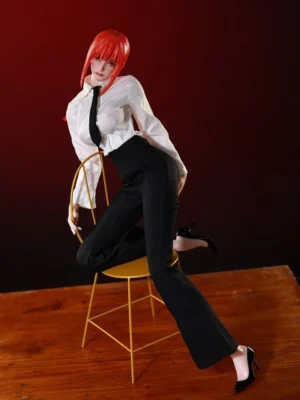
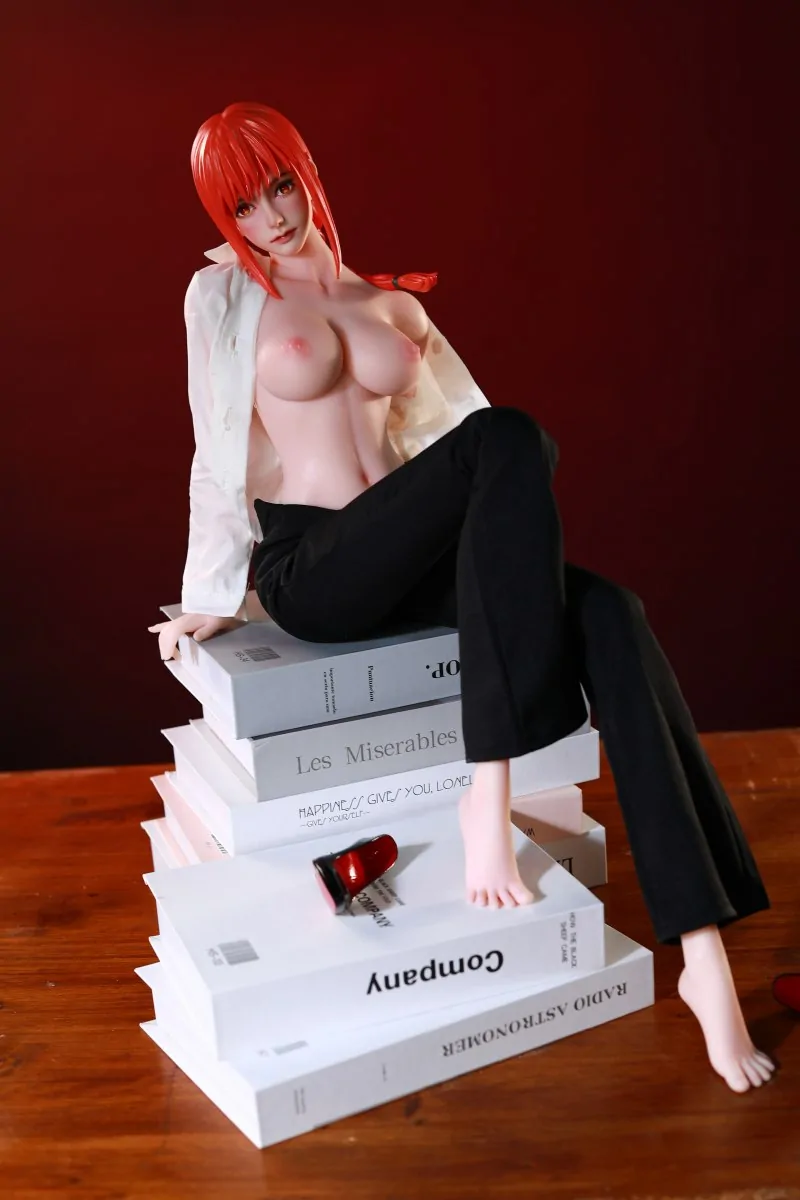
If you enjoy the danger, confidence and psychological tension found in Jujutsu Kaisen, you may also appreciate characters from other darker anime worlds. Makima from Chainsaw Man is a strong example. Her calm expression, ringed golden eyes and controlled personality create a very different kind of pressure from the explosive battles of JJK.
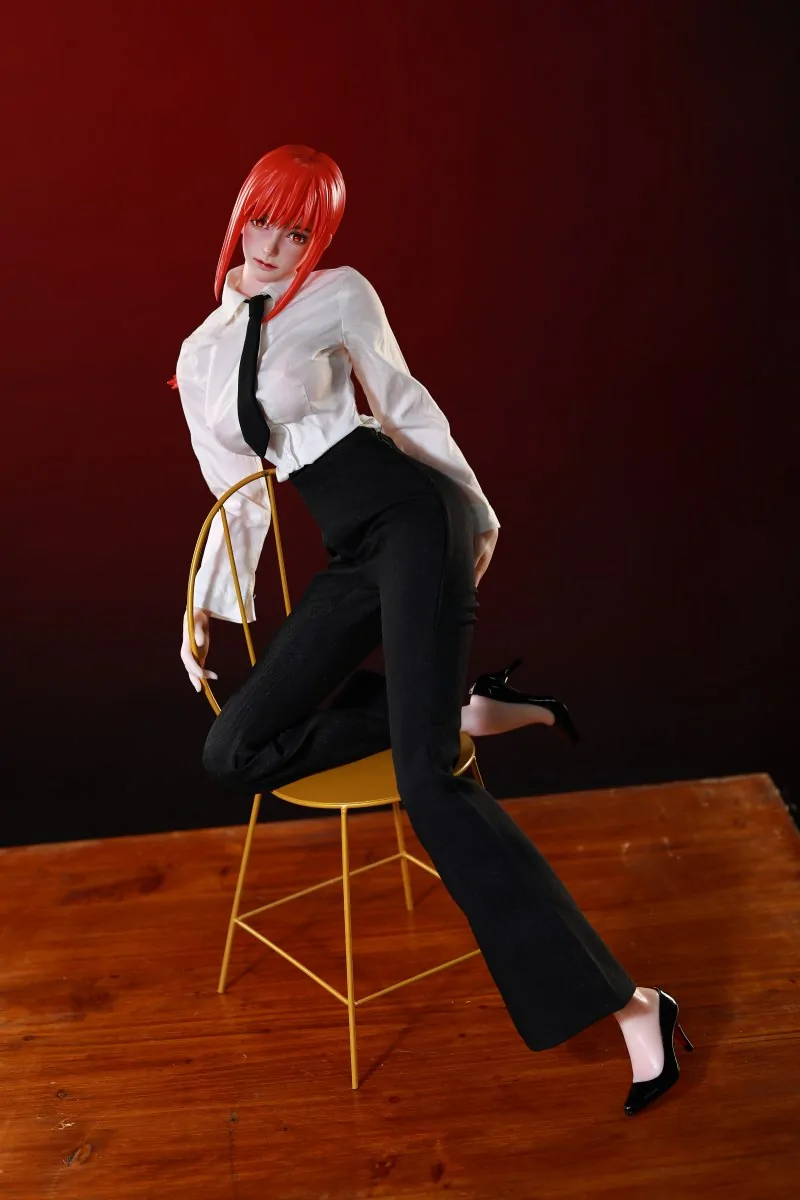
The Makima Figure brings that proud, commanding Chainsaw Man heroine into a full silicone character design. Her braided red hair, recognisable eyes and fitted outfit preserve the features that make Makima immediately familiar, while the soft silicone body gives the character a more tangible and intimate presence.
For collectors who already enjoy strong female characters, Makima can become more than another figure added to a shelf. Her quiet authority and mature visual style make her especially effective as the centre of a darker anime collection.
There is also a natural contrast between Jujutsu Kaisen and Chainsaw Man. JJK often expresses danger through cursed techniques, battles and unstable relationships, while Makima creates tension through calm control and psychological dominance. Placing those two kinds of character energy within the same collection can make the overall theme feel much richer.
Collectors who like Jujutsu Kaisen and want to explore another powerful anime heroine can take a closer look at the Makima Figure. Her recognisable face, silicone body and commanding Chainsaw Man identity make her a strong choice for anyone attracted to confident, dangerous female characters.
Browse the LORIBEAR shop to discover more anime- and game-inspired heroines with different personalities and visual styles. Instead of limiting the collection to one franchise, you can build a stronger character theme around the faces, attitudes and stories that genuinely attract you.
 JJK figure display questions
Should all JJK figures use the same scale?
Not necessarily. Mixed scales can work when the shelf has clear foreground and background zones. Similar eye levels usually look more intentional than unrelated figures placed in one straight row.
Which character should be the focal point?
Choose the character central to the scene or story arc. Height, pale hair, strong effects and colour contrast naturally draw attention, which often makes Gojo an effective visual anchor.
Can articulated and fixed-pose figures share a shelf?
Yes. Pose articulated figures so their direction supports the fixed pieces, and use reliable stands when joints cannot safely hold the intended position.
How much space should remain between figures?
Leave enough room to remove one figure without touching the next. Effect-heavy pieces need additional width and depth beyond the character body itself.
Can a JJK collection include characters from other anime?
Yes. A cross-series display can work well when the characters share a similar mood, personality or visual tension. Powerful characters such as Makima can complement a darker JJK-inspired collection without needing to imitate the same story or pose style.