- Chainsaw Man
- Resident Evil
- Street Fighter
- Spy x Family Figures
- Azur Lane
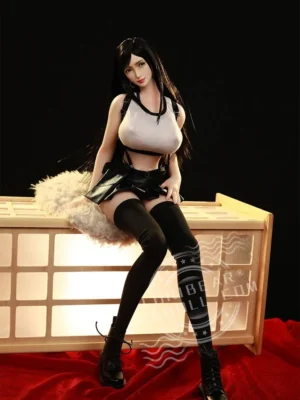
- Final Fantasy
- Dragon Ball
- Naruto
- Neon Genesis Evangelion
- Nier: Automata
- Kuroinu Figures | Olga Discordia Dark Elf
- Queen Pharnelis-Goblin
- Non Virgin Bunny Girl
- Prison School
- The King of Fighters
- One Piece
- Figure Heads & Accessories
How to Reduce Vibrator Noise in a Shared Home


Understanding how to reduce vibrator noise in a shared home starts by identifying where the sound actually travels. The motor creates its own hum, but furniture, walls and floors can amplify that vibration far beyond what the device produces in the hand. A vibrator that sounds discreet when held freely may become much more noticeable once it touches a hollow bedside table, wooden bed frame or shared wall.
Privacy therefore depends on the complete acoustic path: motor speed, body contact, furniture construction, room layout and the ordinary background sound already present in the home. The aim is not to hide abnormal mechanical noise. Instead, the goal is to prevent normal vibration from turning furniture and building structures into unintended amplifiers.
Separate motor sound from furniture resonance
Begin with the clean device held freely in the hand. Run the lowest setting, listen for a few seconds and increase the intensity gradually. A smooth rise in motor sound is normal for many powered products. New rattling, scraping, unstable pulsing or a sudden pitch change deserves attention rather than acoustic masking.
Next, place the device on the surface where it normally rests. If the sound increases dramatically, the furniture is contributing more noise than the motor itself. Empty bedside cabinets, thin drawer panels and loose headboards can behave like speaker boxes because vibration spreads through their larger surface area.
Move the device away from the furniture and compare again. This simple test tells you whether a quieter product is actually necessary or whether the room setup needs improvement.
| Noise source | Typical sign | Useful response |
|---|---|---|
| Motor | Sound changes little between hand-held and supported use | Use the lowest effective setting and monitor unusual changes |
| Furniture resonance | The same setting becomes much louder on contact | Use stable isolation and check loose furniture parts |
| Wall or floor transmission | A deeper hum carries beyond the room | Increase distance from connected shared structures |
| Loose attachment | Tapping or buzzing changes with angle | Refit the attachment according to its instructions |
Move the setup away from shared structures
A bed pushed directly against a party wall can transfer vibration into the wall before the sound ever becomes noticeable inside the room. Even a small gap between the headboard and wall can reduce direct contact and prevent repetitive knocking.
Check whether the bed frame touches skirting boards, radiators or other furniture. These contact points can create additional vibration paths. Wall-mounted shelves also transmit sound efficiently because they connect directly to the structure of the room.
Floor transmission deserves attention in flats. Lightweight upper floors can carry low-frequency vibration downward, especially when a powered product rests on a rigid bed frame or hard furniture.
Test the intended location during the day at several moderate settings. Moving the setup by even a small distance can sometimes produce more improvement than replacing the vibrator.
Use soft isolation without creating instability
A folded cotton towel, dense foam pad or stable soft mat can interrupt the connection between a vibrating housing and rigid furniture. This reduces the amount of energy transferred into the larger surface.
Keep the isolation layer flat and dry. It should not cover ventilation openings, moving sections or charging connections. A product that relies on airflow still needs that airflow after acoustic isolation is added.
Too much softness can create another problem. A thick unstable cushion may let the product tilt, change the intended body angle or move during use. Use only enough material to reduce resonance while keeping the setup secure.
For products that never touch furniture directly during use, isolation can still help during temporary placement before or after a session.
 The lowest effective setting often gives the best privacy
More power does not always create proportionally better sensation. When contact and alignment work well, a lower setting can feel just as satisfying while producing less airborne and structure-borne noise.
Experiment with pressure and positioning before automatically increasing intensity. Better contact can sometimes make a moderate motor setting feel stronger because less vibration escapes into surrounding furniture.
For held products, avoid pressing the motor housing against a hard bed edge or headboard. Direct contact can change the motor tone and send vibration into the structure immediately.
A comfortable lower setting also reduces the need for aggressive masking noise elsewhere in the room.
Patterns have different acoustic signatures
Steady high-speed vibration can create a continuous hum that travels through furniture, while some pulsing modes produce noticeable starts and stops. Neither pattern is automatically quieter in every room.
Test several modes at the lower end of the intensity range. Then listen from the doorway or the other side of the room rather than keeping your ear beside the device.
An app-controlled product such as a Lovense vibrator may offer small intensity adjustments, which can help users identify a quieter operating range. However, the actual room, body contact and furniture still determine the final sound more than the product name or advertised mode count.
Save preferred settings only after testing them in the environment where the device will normally be used.
Fit can reduce both noise and unnecessary power
Wearable products can become noisier when they shift against clothing or repeatedly lose body contact. A stable comfortable fit reduces tapping and allows lower motor settings to deliver more consistent sensation.
Do not solve movement by tightening straps or wearable sections beyond comfort. The product should remain easy to remove and should not rely on excessive pressure to stay in place.
For handheld products, grip should feel relaxed. Constantly squeezing the housing can increase hand fatigue and sometimes changes how vibration travels through the case.
If the device only feels effective when pushed firmly against a hard support, another contact shape or motor style may suit the intended experience better.
Bed frames often make more noise than the vibrator
Squeaking joints, loose slats and headboards can create very recognisable sounds even when the motor itself remains discreet. These noises often attract more attention than a continuous low hum.
Check frame bolts and connections as part of normal furniture maintenance. Remove loose objects from bedside tables and avoid letting charging cables or accessories tap repeatedly against hard surfaces.
A mattress can absorb some vibration, but hollow divan bases may amplify other frequencies. Different beds therefore behave very differently with the same device.
The useful comparison is always the complete room setup rather than the vibrator alone.
 Background sound should feel normal for the household
A fan, quiet television or ordinary music can reduce the contrast between a low motor hum and an otherwise silent room. The most discreet background sound is something that would normally exist in the space anyway.
Avoid suddenly creating an unusually loud sound environment simply to hide the vibrator. That can draw more attention than the device itself and may prevent you from hearing a genuine mechanical problem.
Use a familiar volume appropriate to the time of day. Normal household sound works best because it does not create a second privacy issue.
Closing internal doors gently and removing obvious furniture rattles can often achieve more than increasing music volume.
Quiet use also depends on the time and room routine
Acoustics change when the rest of the home becomes quiet. A motor that blends naturally into afternoon household sound may stand out much more late at night.
If privacy matters strongly, learn which room and time naturally provide the best acoustic environment instead of trying to make every situation equally silent.
This does not require organising life around a device. It simply means recognising that background conditions influence perceived noise just as much as motor specifications do.
A repeatable routine removes rushed adjustments and allows the user to stay within settings already known to work well.
Smart-device privacy continues after the motor stops
Connected products introduce another kind of privacy question. A Lovense adult toy or another app-controlled vibrator may use Bluetooth, account access, notifications and permissions in addition to the physical device.
The UK Information Commissioner’s Office advises users of smart products to review collected information and app permissions. Permissions for microphones, contacts, photographs or precise location deserve deliberate review rather than automatic approval.
Use a unique password for the account and remove partner access when a shared arrangement ends. Notification previews can also reveal private device activity on a locked phone, so adjust them when the device is used in a shared household.
Acoustic privacy only solves one part of discretion. The digital settings should support the same level of control.
Cleaning can become more noticeable than the actual use
A quiet device may still create a privacy problem if it needs to remain drying openly in a shared bathroom. Plan the cleaning route before use so the device can return to a private ventilated area afterward.
Follow the water-resistance instructions for the exact product. A removable washable insert does not automatically make a charging unit, remote or powered housing suitable for immersion.
Dry all permitted wet surfaces completely before storage or charging. Keeping a clean towel and normal care supplies together reduces unnecessary trips through shared spaces.
The Adult Sex Toys & Accessories reference compares powered devices, materials and care routines when noise is only one part of the buying decision.
 Charging needs privacy without trapping heat
Charging beneath clothing, bedding or inside a closed drawer may look discreet, but it creates a poor environment for heat dissipation. Use the specified charger on a stable uncovered surface and keep the device visible enough to notice abnormal heat or charging behaviour.
Choose a private charging location that does not require covering the product. A shelf, desk surface or dedicated area inside a private room usually works better than hiding the charger underneath other possessions.
Keep charging contacts dry and inspect cables periodically. Stop using the device if the battery swells, the port becomes damaged or unusual heat and smell appear.
A simple charging routine is easier to keep discreet because it does not require improvising every time the battery runs low.
Build a repeatable quiet setup
Once a comfortable arrangement works, record the essentials: room position, isolation surface, motor range and preferred background sound. This eliminates repeated experimentation that can create more noise than the actual device.
Keep the vibrator, charger and cleaning supplies together so setup remains quick and predictable. A small dedicated storage container can also prevent attachments from knocking against other objects inside a drawer.
Noise reduction usually comes from several modest improvements working together. A slightly lower motor setting, better fit, a stable isolation surface and more distance from shared structures often provide more privacy than searching for one supposedly silent product.
The best setup keeps the device comfortable and controllable while making normal operating sound less noticeable in the surrounding home.
Some private fantasies do not need a motor at all
Mechanical stimulation is only one way to create an adult atmosphere. For some collectors, visual attraction and character presence carry more of the fantasy than vibration intensity.
This becomes especially relevant in a shared home. A character-focused figure can create a private visual connection without producing motor sound, pattern changes or wireless activity.
Sexy Bunny Girl turns playful attraction into a quiet character fantasy
The Sexy Bunny Girl offers that alternative through an adult character whose appeal begins with her expressive face, confident attitude and distinctive bunny-inspired styling. Instead of depending on mechanical noise or a powered mode, she creates attraction through character presence from the moment she enters the room.
Her silicone body adds tactile softness to the visual fantasy, while the soft jelly chest strengthens the sensual side of the design. The internal skeleton also allows the owner to adjust posture and body language, so the figure does not need to remain locked in one rigid display pose.
A confident standing presentation can emphasise her teasing personality, while a more relaxed seated pose creates a quieter and more intimate mood. The same character remains recognisable even as the atmosphere changes.
For someone living in shared accommodation, this character-led experience can be appealing precisely because it does not depend on a motor. Visual attraction, styling, posing and tactile presence can develop at the owner’s pace without creating an acoustic problem in the next room.
Sexy Bunny Girl can also remain part of a private collection between intimate moments. Her face and costume give her a reason to remain visually present rather than becoming another device that disappears into a drawer after use.
 Explore LORIBEAR when you want fantasy to have a face
Browse the LORIBEAR shop when character identity, visual chemistry and quiet private presence matter as much as powered stimulation. LORIBEAR brings together anime- and game-inspired heroines with different expressions, styling and personalities, giving you the freedom to choose the character who genuinely creates attraction.
Some LORIBEAR heroines create a softer and more affectionate mood, while others stand out through confidence, elegance, mystery or stronger authority. Sexy Bunny Girl brings playful adult energy and a teasing visual identity, but the right choice is the heroine whose face and personality continue to draw your attention.
A vibrator and a LORIBEAR character serve different parts of private fantasy. One offers controllable physical stimulation; the other adds a recognisable personality, body language and lasting visual presence to the room.
When noise limits when or how freely a powered device can be enjoyed, choosing a character you already want provides another route into sensuality without requiring higher motor power, louder masking sound or constant concern about what travels through the wall.
Privacy works best when the complete routine feels ordinary
A quiet setup should not require elaborate preparation every time. The room position, motor range, background sound, charging area and cleaning routine should all fit naturally into the household.
The best result comes from reducing unnecessary vibration rather than trying to hide everything behind more noise. Stable fit, softer structural contact and distance from resonant surfaces usually create the largest improvements.
Keep listening for the normal motor character so new mechanical problems remain obvious. Discretion should never require ignoring changes in sound, heat or stability.
Once the setup becomes predictable, privacy stops feeling like a technical problem and becomes part of an ordinary personal routine.
Quiet-Use Questions
Why is a vibrator louder on a bedside table?
The table can act as a resonator and amplify vibration from the motor. Moving the device or placing an appropriate stable soft barrier between the housing and furniture can reduce that transmission.
Does lower-frequency vibration travel through walls more easily?
Lower-frequency vibration can travel through connected structures, but the actual result depends on the device, furniture, wall and floor construction. Testing the real room gives more useful information than frequency alone.
Can a vibrator be charged inside a drawer for privacy?
A closed or covered charging location may trap heat. Use the specified charger on a stable uncovered surface and choose a private area that does not require covering the device.
Should unusual rattling be hidden with music?
No. Stop and inspect a device when a new rattling, scraping or unstable sound appears. Background sound is appropriate for normal motor noise, not for masking a possible mechanical problem.
Why might Sexy Bunny Girl suit someone who wants a quieter private fantasy?
Sexy Bunny Girl creates attraction through character styling, expression, tactile silicone and poseable presence rather than a powered motor. For someone who values discretion, she offers a sensual visual experience without adding mechanical noise to the room.