- Chainsaw Man
- Resident Evil
- Street Fighter
- Spy x Family Figures
- Azur Lane
- Final Fantasy
- Dragon Ball
- Naruto
- Neon Genesis Evangelion
- Nier: Automata
- Kuroinu Figures | Olga Discordia Dark Elf
- Queen Pharnelis-Goblin
- Non Virgin Bunny Girl
- Prison School
- The King of Fighters
- One Piece
- Figure Heads & Accessories
How to Choose a Vibrator for Sensory Sensitivity


Understanding how to choose a vibrator for sensory sensitivity starts with one principle: the lowest comfortable setting matters more than maximum power. Some people dislike sharp surface buzzing, abrupt pattern changes or concentrated vibration, while others enjoy a deeper steady motor but become uncomfortable when intensity changes without warning.
Sensory sensitivity is highly individual. The same device can feel soothing on one day and demanding on another because fatigue, stress, temperature, pain or recent stimulation can change the threshold. A useful vibrator therefore gives the user room to begin gently, make small adjustments and stop immediately without searching through several modes.
The goal is not to find the weakest product. It is to find one whose vibration character, contact area, sound, texture and controls remain predictable enough for the user to stay relaxed and curious.
Describe the uncomfortable sensation before comparing products
“Too strong” can describe several completely different experiences. One person may mean a sharp tingling sensation at the surface, while another is bothered by deep pressure, noise, vibration travelling through the hand or a sudden jump between settings.
Identify the exact trigger first. A narrow tip can concentrate sensation into one small point, whereas a broader head spreads the same motor energy across a larger area. Likewise, high-frequency vibration can feel sharper even when the device is not particularly powerful.
It is equally useful to record what already feels good. Steady pressure, short sessions, external contact through clothing or a softer grip can reveal more about the ideal product than a list of disliked features alone.
A simple sensory profile turns shopping into a comparison of specific features instead of a search for vague labels such as gentle, powerful or beginner-friendly.
| Sensory preference | Feature worth seeking | Feature to approach gradually |
|---|---|---|
| Gentle surface contact | Very low first setting and broad contact area | Small concentrated tip |
| Deep steady sensation | Lower-frequency motor and continuous mode | Fast patterned buzz |
| Low sound | Smooth motor under body contact | Hollow housing or rattling attachment |
| Predictable control | Separate increase, decrease and stop buttons | Single-button mode cycling |
The first setting defines how accessible the vibrator really is
Manufacturers often promote maximum strength because it sounds impressive, yet a sensory-sensitive user may spend most of the time in the lowest third of the range. The quality of those low settings therefore deserves far more attention.
A strong motor can still work beautifully when it starts very gently and rises in small, even steps. By contrast, a compact vibrator can feel surprisingly intense when its first level begins too high.
Look for products that let intensity increase and decrease independently. This allows the user to retreat to a comfortable level immediately rather than turning the device off and restarting the entire sequence.
For a first test, use a less sensitive external area or place a thin layer of clothing between the body and the vibrator. Once the motor character feels familiar, move gradually toward the intended contact area.
Comfort should improve as the user learns the controls. Pain, burning or persistent numbness are signals to stop rather than indications that the body needs to “get used to” a stronger setting.
Broad and narrow contact areas create very different thresholds
Contact geometry can change intensity as much as the motor itself. A broad head distributes vibration over a larger surface, which often softens the sensation at any single point.
A narrow tip works in the opposite way. It concentrates the motor energy into a much smaller area and can therefore feel significantly stronger even at the same nominal setting.
Flexible attachments introduce another variation. A softer neck or silicone extension absorbs some direct force, while a firm attachment transfers vibration with much less cushioning.
This makes interchangeable vibe adult toys useful for experimentation when the attachments have genuinely different contact shapes. However, extra heads only add value when changing and cleaning them remains straightforward.
The best contact area is not necessarily the largest or smallest. It is the one that lets the user control sensation through placement without constantly moving away from an uncomfortable pressure point.
 Motor character matters as much as motor strength
Two vibrators can produce similar maximum intensity and still feel completely different. Frequency, motor position and the way vibration travels through the housing all influence the sensory experience.
Higher-frequency vibration often feels sharper and more concentrated at the surface. Lower-frequency movement can feel broader or deeper, which some sensitive users find calmer because the sensation does not feel as “electric” against the skin.
Neither style is universally easier to tolerate. Someone sensitive to deep pressure may prefer a lighter surface vibration, while another person may strongly dislike high-frequency buzzing.
Reviews become more useful when they distinguish between “buzzy” and “rumbly” sensation instead of simply calling a vibrator strong or weak.
When possible, prioritise a motor whose character remains consistent throughout the lower settings. Predictability often matters more than the number of different effects available.
Steady vibration can be easier to understand than changing patterns
Patterns create novelty by changing speed or rhythm automatically, but those peaks and pauses can also increase sensory load. A user who prefers predictability may find a continuous setting much easier to regulate.
Begin with a steady mode and identify the comfortable intensity range first. Once that feels familiar, experiment with slower waves or pulses if curiosity remains.
Ideally, pattern and intensity operate as separate controls. This lets the user explore rhythm without accepting a stronger vibration at the same time.
Single-button systems deserve extra attention. When one button cycles through every pattern, learn the shortest route to power off before intimate use.
A device becomes easier to explore when the user knows that one clear action will stop the sensation immediately.
Sound and hand vibration belong to the sensory profile too
Sensory load does not stop at the point where the vibrator touches the body. The motor can also be heard through the air and felt through the handle, fingers or supporting furniture.
A device may feel comfortable at the contact point while the vibration travelling through the hand becomes irritating after several minutes.
Broader grips and softer exterior sections can reduce how much motor energy reaches the hand. A supported position may also help when constant gripping creates its own sensory burden.
Noise should be judged while the vibrator touches the intended surface. A motor can sound smooth in the air and develop a sharper tone once pressure reaches the housing.
Quiet surroundings can make a faint high-frequency whine more noticeable than a deeper hum. Personal tolerance matters more than one advertised decibel figure.
Grip, weight and button shape can become hidden sensory triggers
A vibrator can feel gentle at the contact point and still become tiring because of its handle. Weight concentrated far from the hand increases wrist effort, while a very smooth body may require constant grip pressure.
Look at where the centre of mass sits. A balanced device usually feels easier to control than one with a heavy motor head at the end of a narrow handle.
Button shape matters as well. Raised controls with clear spacing are easier to recognise by touch and reduce the need to look away from the experience.
For users who dislike precise finger movements, large separate buttons can feel much calmer than a flat touch-sensitive panel.
These ergonomic details rarely appear in maximum-power comparisons, yet they can decide whether the vibrator remains comfortable after ten or twenty minutes.
 Texture should complement the motor instead of competing with it
Ridges, bumps and sculpted surfaces intensify vibration because each raised section creates its own local contact point. For a sensitive user, that combination can become overwhelming faster than expected.
A smooth silicone surface gives more control through pressure and placement. The user can change the sensation without adding another fixed texture into the equation.
Inspect transitions between soft and hard materials. A seam or firm edge that feels insignificant while the product is switched off can become much more noticeable once vibration travels through it.
Where lubricant is appropriate, a small compatible amount can reduce drag and help a smooth surface move more comfortably. Too much can make the device harder to hold, so grip and lubrication should work together.
Short sessions provide better information than endurance tests
A sensory-sensitive nervous system may respond differently after repeated stimulation. The first few minutes can feel comfortable, while the same level becomes demanding once the area has received continuous input.
Start with a short session at low intensity and allow time afterward before judging the device. This gives the user a clearer impression of both immediate sensation and any lingering after-effect.
Keep simple notes if several products or settings are being compared. Record contact area, intensity, duration and how the body felt afterward.
This makes it easier to distinguish a genuinely comfortable setting from one that only felt acceptable before overstimulation accumulated.
Unexpected or persistent pain, numbness or other sensory changes deserve medical attention rather than further experimentation with stronger or weaker settings.
Create a personal intensity scale instead of trusting manufacturer numbers
Setting “2” on one vibrator may feel stronger than setting “5” on another. Numbered levels have no universal sensory meaning across different motors and housings.
Create a simple personal scale instead: barely detectable, pleasant, demanding and stop. That language makes comparison much more useful because it describes the body’s response rather than the product’s numbering system.
Test one level at a time on a less sensitive external area before changing contact location. Once the motor feels familiar, move toward the intended area without increasing intensity at the same moment.
Context belongs in the record too. Stress, fatigue, cold temperatures and recent stimulation can all shift the threshold from one day to another.
A genuinely suitable vibrator provides enough low-range control to respond to that variation rather than forcing the user through stronger modes to reach a comfortable setting again.
Charging should feel as predictable as the controls
Good ownership includes a charging routine that does not create another source of uncertainty. Use the supplied or approved charger and keep the cable clearly identified with the device.
The London Fire Brigade advises users to avoid damaged batteries, unsuitable chargers, heat and covered charging. A vibrator that becomes unusually hot, swells or develops an abnormal smell should no longer remain part of the normal routine.
Magnetic connectors can be convenient because they avoid a recessed port, although they may disconnect when the cable moves. Confirm the charging indicator before leaving the device unattended nearby.
Charge on a stable uncovered surface rather than beneath bedding or clothing. Keeping the product, charger and care accessories together makes the routine simpler and reduces the chance of substituting a similar-looking cable later.
 Cleaning should reduce sensory burden rather than add another one
Maintenance can create its own sensory load through strong smells, slippery handling or a complicated sequence of removable parts. A simpler design can therefore be more accessible even when another product offers more features.
A smooth waterproof exterior or removable washable attachment can reduce the time spent handling the device after use.
Follow the manufacturer’s cleaning instructions and choose an appropriate cleaner without introducing unnecessary fragrance when the product does not require it.
Allow the vibrator to dry completely in a private ventilated location before storage. Charging contacts should remain dry before the cable reconnects.
Mechanisms, materials and care routines across related products are organised in the Adult Sex Toys & Accessories reference. It can help separate a sensory-sensitivity question from the broader task of comparing every vibrator category at once.
Visual sensuality can offer intimacy without constant mechanical input
Not every adult fantasy needs to rely on strong or continuous vibration. For someone who becomes overstimulated easily, visual attraction, atmosphere and a favourite character can offer a very different route to sensuality.
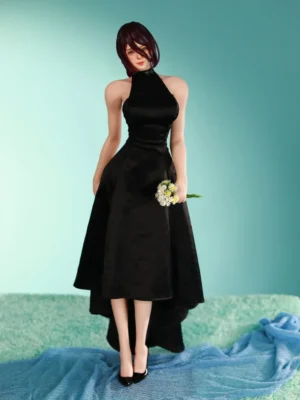
The Azur Lane St. Louis figure develops that quieter kind of attraction through an elegant character whose appeal begins with her face, styling and confident presence rather than a motor. Her refined appearance and graceful body language give the fantasy a calm visual centre that can be enjoyed at the owner’s own pace.
For Azur Lane fans, St. Louis brings recognition into the experience as well. The attraction is not an anonymous shape or a device waiting to be switched on; it is a familiar heroine whose composed expression and mature styling already create a mood before any physical interaction begins.
That can be especially appealing when sensory control matters. The owner decides how close the interaction becomes, how long it lasts and whether the moment remains purely visual. Nothing changes intensity automatically, and there is no pattern sequence demanding attention.
St. Louis can also remain part of the room as a character-focused display. Her visual presence gives the fantasy continuity rather than limiting it to the few minutes when a powered product is operating.
Use the LORIBEAR shop to choose by character chemistry
Explore the LORIBEAR shop when you want adult attraction to begin with a recognisable face and personality rather than another mechanical setting. LORIBEAR brings together anime- and game-inspired heroines with different expressions, styling and character moods, allowing you to choose the one that feels naturally appealing to you.
Some characters create a gentle, affectionate atmosphere, while others stand out through elegance, confidence, mystery or stronger authority. St. Louis offers refined confidence and calm sensuality, making her particularly suited to collectors who prefer desire to build through visual presence instead of intense stimulation.
A vibe sex toy and a character figure do not need to replace one another. One offers controllable physical sensation; the other gives fantasy a face, personality and lasting presence. The stronger choice depends on what feels comfortable and exciting at that particular moment.
When sensory thresholds change from day to day, having more than one route into intimacy can itself be valuable. LORIBEAR character figures allow the experience to remain sensual even on days when strong mechanical input feels unnecessary.
Choose according to your threshold rather than a product’s reputation
Compare the lowest intensity, step size, vibration character, contact width, surface texture, sound, grip, button layout, weight and cleaning routine before paying attention to maximum power.
Reviews praising extreme strength may be useful to one buyer and almost irrelevant to another. A sensory-sensitive user needs evidence about how gently the device begins and how precisely it can change.
The right vibrator creates room for curiosity without pressure. It begins softly, changes predictably and stops immediately.
Most importantly, it lets the user decide what feels good instead of asking the body to adapt to whatever intensity the product happens to provide.
Sensory-Sensitivity Questions
Is a small vibrator always gentler?
No. A small firm tip can concentrate vibration into a very limited area and feel more intense than a larger device with a broad contact surface.
Are vibration patterns better than steady modes?
Neither is universally better. A steady low mode often provides a more predictable starting point, while patterns can be explored later if changing intensity feels comfortable.
Can vibration be tested through clothing?
Yes, for appropriate external use. A thin layer of clothing can soften the first test and help the user understand the motor character before direct contact.
What should happen if numbness continues after use?
Stop using the device and allow the area to recover. Persistent, unexplained or recurring numbness, pain or sensory changes should be discussed with a healthcare professional.
Why might a character such as St. Louis appeal to someone with sensory sensitivity?
St. Louis creates attraction through face, styling and calm character presence rather than continuous mechanical stimulation. For someone who values control over sensory input, that can provide a quieter and more personally paced form of adult fantasy.