Create Your Own Doll: From Character Idea to Finished Body

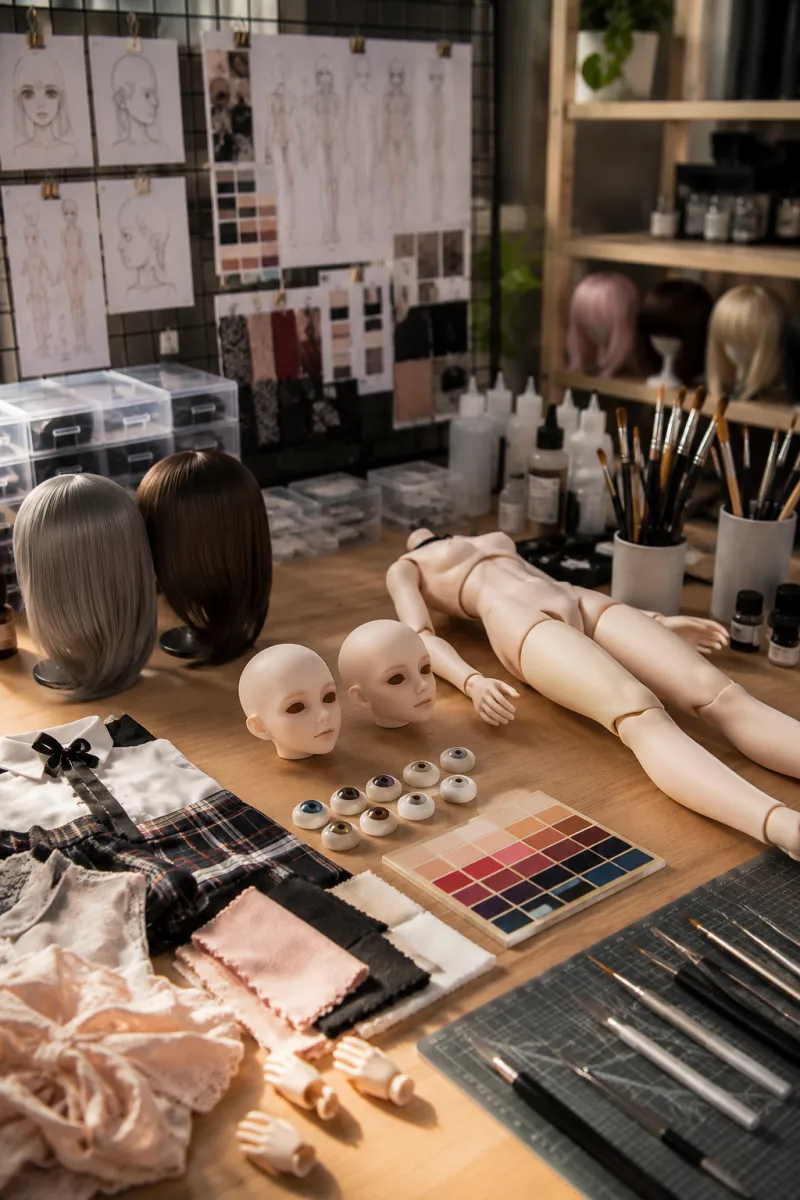
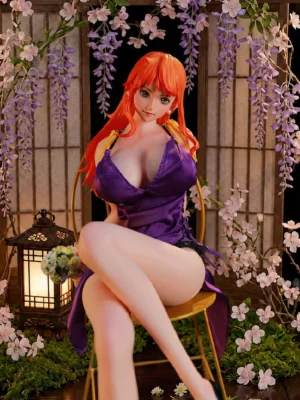
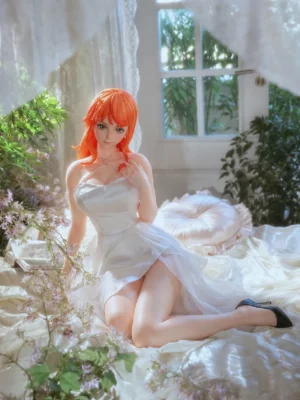
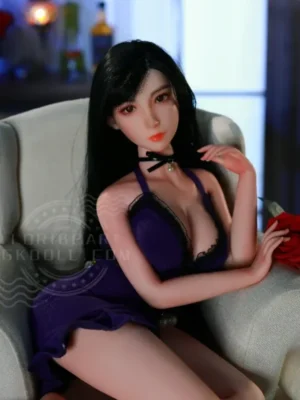
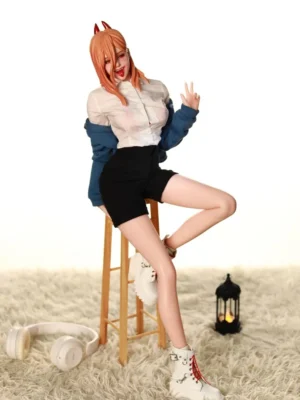
To create your own doll, begin with the character rather than a shopping list of individual parts. Decide who the finished doll should represent, which visual details make that identity recognisable and how you plan to display, dress or handle the body. A clear concept gives every later choice a purpose.
Without that direction, an attractive face, suitable body, expensive wig and detailed costume can still look unrelated once assembled. By contrast, a strong character brief helps the eyes, hairstyle, proportions, clothing and posture support the same personality.
Customisation can also take several forms. At the simplest level, you may change a wig, outfit or accessories on an existing figure. A more involved project may combine a different head and body, while a fully bespoke commission can require a unique sculpt, colour matching and structural development.
As the changes become more permanent, compatibility, cost and maintenance become more important. Therefore, plan the design on paper first and test reversible choices whenever possible. It is much easier to change a sketch, wig or costume than to repair soft material after an unnecessary modification.
Write a short character brief
Start by describing the character in a few clear sentences. Define the adult presentation, personality, visual style and main purpose of the finished doll. Then choose three features that must remain recognisable.
These non-negotiable details might include a particular hairstyle, eye colour, facial expression or body silhouette. Everything else can stay more flexible during development.
This approach prevents small preferences from competing with the features that actually define the character. For example, a specific hair shape may matter far more than an exact shoe design. Likewise, the expression may carry more identity than a minor change in waist measurement.
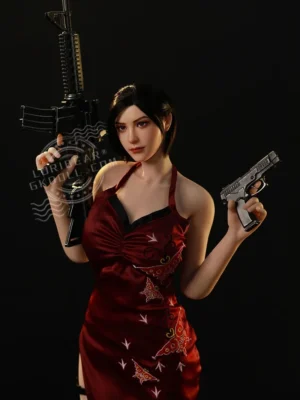
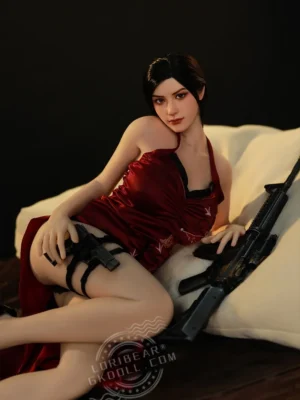
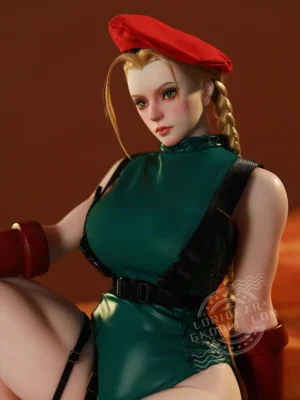
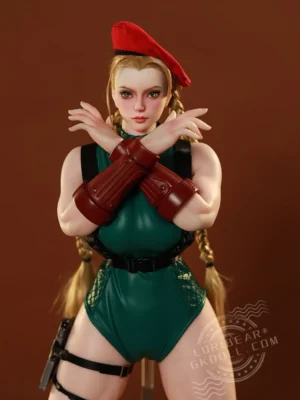
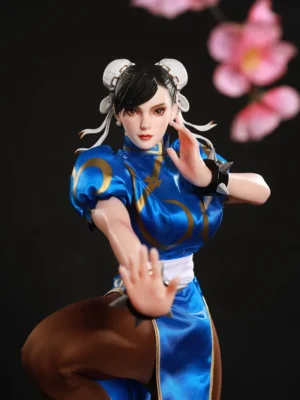
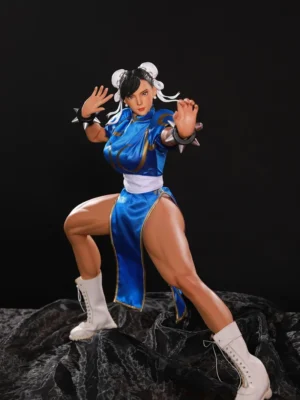
A useful character brief should also describe the mood you want the finished doll to create. A composed character may need a restrained expression and controlled posture. Meanwhile, an energetic fighter may depend more on sharper eyes, stronger stance and practical clothing.
Next, build a reference board. Include front, profile and three-quarter face references, along with full-body proportions, costume colours and hairstyle details.
However, keep inspiration organised rather than collecting random attractive images. Mixing unrelated features can weaken the final identity even when each reference looks good on its own.
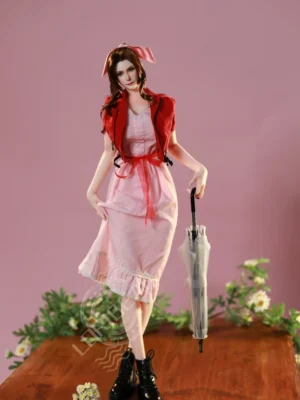
If you base the design on an established anime or game character, choose one clear version. Identify the costume, hairstyle and story period you want to reproduce. This prevents details from several incompatible appearances from ending up on one doll.
Choose scale according to space and interaction
Scale changes both the visual impact and the practical ownership experience. Therefore, choose it according to where the doll will live and how often you expect to move or restyle it.
Miniature dolls suit desks, shelves and enclosed cabinets. They use little space and make group displays easier. Fashion-doll formats also benefit from a large clothing and accessory ecosystem.
Larger character figures reveal facial sculpting, fabric texture and body details more clearly. In addition, their greater physical presence can make a familiar character feel more substantial within a room.
Full-size bodies create the strongest sense of scale. However, they also introduce practical concerns such as weight, lifting, storage and delivery access.
For that reason, record more than the intended height. Note shoulder width, bust, waist, hips, foot length and seated depth. If the head will change, record the neck connection as well.
Total weight deserves its own check because height alone cannot predict it. A dense soft-material body may weigh more than expected, while different internal constructions can reduce weight.
Compare the planned dimensions with doors, stairs and storage furniture before buying parts. Also consider the surface that will support the finished doll.
A figure may fit perfectly in the final display area yet remain difficult to carry through a narrow doorway. Early measurements prevent that problem before it becomes expensive.
Design the face as a system of relationships
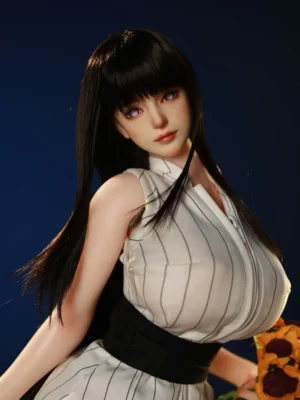
The face usually carries the strongest part of the character identity. However, realism or beauty does not depend on one feature alone. Eyes, brows, nose, mouth, jaw and hairline need to work together.
Changing one element can alter the apparent personality of the whole head. Raising the brows may make an expression appear more alert. Meanwhile, changing the mouth can move the same face from calm to playful.
Therefore, study the face from several angles. A front view may look balanced while the profile reveals an awkward jaw, nose or forehead relationship.
Three-quarter photographs are especially useful because they show how the facial planes work together. They also reveal whether the eyes maintain a natural direction when the head turns.
Eye construction changes the result as well. Painted eyes offer a stable appearance and require little adjustment. Inset eyes create greater depth and may allow limited repositioning, depending on the head design.
Whichever method you choose, both eyes should support the same expression. Small alignment differences become much more noticeable once the face gains realistic depth.
Hair deserves equal attention because it frames the face. Implanted hair creates a fixed hairline and can provide a more integrated appearance. A wig, by contrast, makes colour and style changes much easier.
Wigs also support reversible character experiments. However, the cap should fit correctly around the ears and neck, while darker materials need careful testing against pale soft surfaces.
Match body form to the intended character
Body choice should follow the character rather than simply selecting the most dramatic measurements. Shoulder-to-hip balance, limb length, chest shape and posture all influence the final impression.
An athletic fighter may suit stronger shoulders, stable legs and a more powerful stance. An elegant adult character may rely on longer lines and a more restrained silhouette. Even at the same height, these bodies can communicate completely different personalities.
For this reason, compare proportions as relationships rather than isolated numbers. A particular bust or hip measurement only makes sense when you see how it works with the shoulders, waist and overall height.
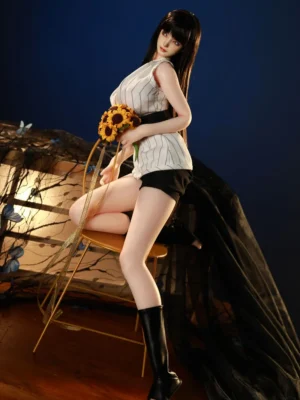
Posture also changes how those proportions appear. A body designed for a neutral standing pose may look different once seated or placed in a more expressive stance.
Material adds another layer to the design. Silicone can hold refined sculpted detail and create a consistent surface. TPE often compresses more readily and may provide a softer tactile response.
Resin and PVC serve a different purpose because they maintain rigid forms. A firm head can preserve sharper anime facial details, while a softer body creates a different handling experience.
If the head and body use different materials, check them together under neutral light. Skin colour, gloss and surface texture should feel visually connected.
The neck transition deserves particular attention. Even compatible parts can look mismatched if the head appears too glossy, too large or noticeably different in colour.
Plan movement before selecting a skeleton
Decide which poses actually matter before choosing articulation. This keeps the project focused on useful movement instead of chasing the largest possible joint range.
Make a short list of essential positions. These might include standing, sitting, reclining, turning the head or holding a character-specific accessory.
A skeleton should support those movements comfortably without constantly reaching its mechanical limits. In fact, a display-focused figure may need far less articulation than a doll used frequently for photography and restyling.
Standing feet require special consideration. Check whether the internal structure supports the intended stance and whether the manufacturer recommends an external stand.
Finger wires can improve hand posing, but they also need careful handling. Thin outer material should never carry strong pressure from internal components.
The neck connector also affects the character presentation. It should hold the head securely while allowing the required direction of movement.
Most importantly, never use force to create extra joint range after assembly. Strong resistance usually indicates a mechanical limit rather than an invitation to push further.
Instead, support the area close to the joint and move it gradually. This protects both the skeleton and the surrounding material.
Build the wardrobe around exact measurements
A signature outfit can complete the character, but clothing should fit the actual body rather than a general height category. Therefore, measure the doll before ordering custom garments.
Record the neck, shoulders, bust, waist and hips first. Then add arm length, inseam and foot measurements.
Allow enough space around moving areas. Elbows, hips and fastening points need room to change position without pulling heavily against the fabric.
Very tight clothing may look attractive in one photograph but become frustrating during repeated dressing. It can also place constant pressure on softer material.
Fabric choice matters too. Dark dyes may transfer onto pale silicone or TPE, especially during long contact.
For that reason, use light and colourfast lining where possible. A thin protective layer can also separate darker character costumes from the body.
Inspect fasteners before dressing the doll. Rough hook-and-loop material, exposed wire and sharp metal decorations can scratch or mark the surface.
A signature costume should therefore pass a short trial before it becomes permanent display clothing. Check pressure points, dye transfer and joint movement after several hours.
Accessories deserve the same care. Jewellery, armour pieces and character props should add identity without creating sharp contact points against the body.
Use modular parts to test identity
Modular customisation gives you a useful way to change a character without permanently altering the body. A different head, wig or costume can create a surprisingly large visual transformation.
However, physical attachment alone does not guarantee a convincing result. Neck connector, skin tone, scale and shoulder proportions all need to match.
A head may technically fit the connector yet still appear oversized once placed above the torso. Likewise, a highly glossy head can look disconnected from a softer matte body.
For that reason, compare the complete silhouette before deciding that two parts are compatible. Front and three-quarter photographs can reveal proportion problems that measurements alone may miss.
Hair and clothing can then refine the identity further. In many cases, these reversible changes provide enough difference to create another version of the character without cutting or modifying the doll itself.
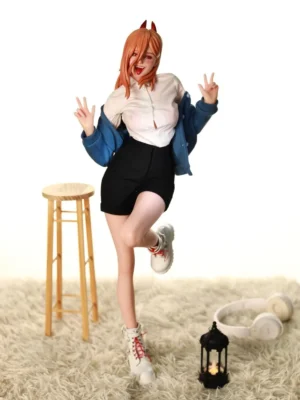
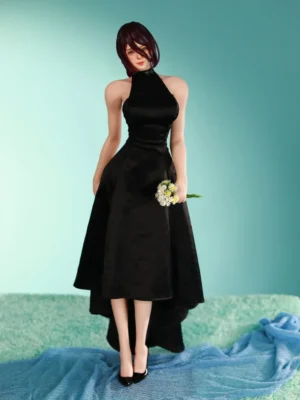
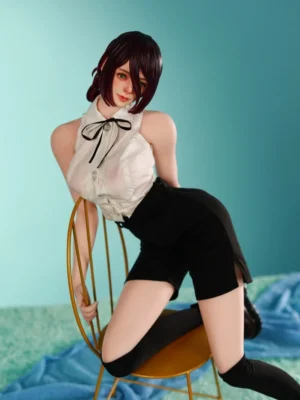
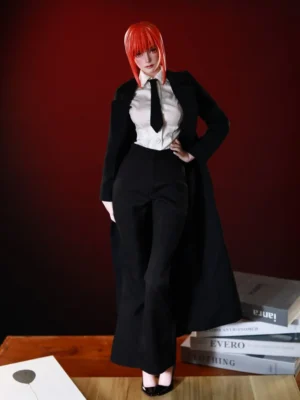
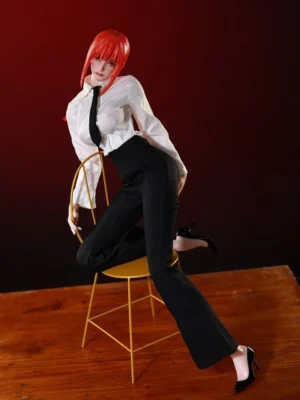
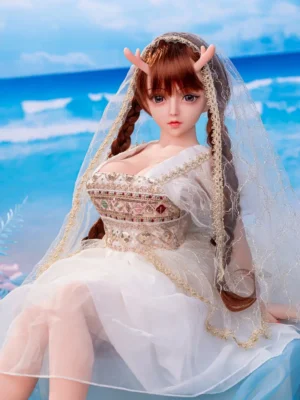
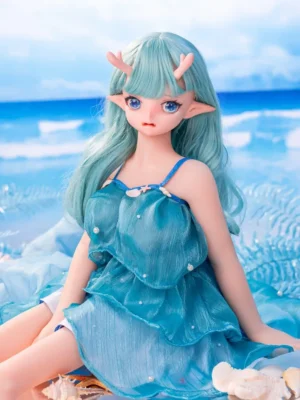
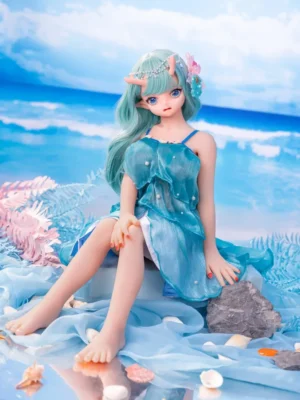
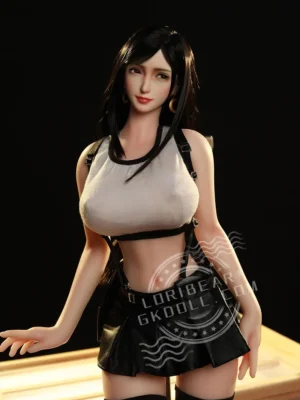
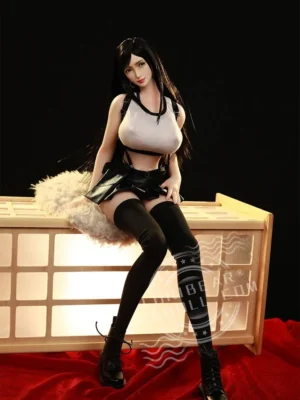
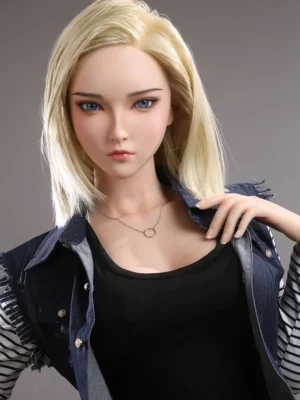
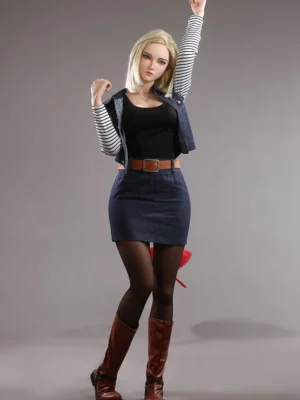
The figure heads and accessories selection provides a practical starting point for this approach. Additional character heads can be paired with matching clothing for compatible body families, allowing collectors to explore a new identity without permanently changing the original body.
This makes modular customisation especially useful when you are still refining a concept. You can first test how a new face, hairstyle and costume work together. If the result feels right, the character can remain in that configuration. If not, the original setup can be restored without damaging the body.
For collectors who enjoy changing character presentation over time, that flexibility can also add more long-term value than a single permanent modification.
Prototype, review and refine
Build the least permanent version of the character first. This gives you a chance to evaluate the complete design before committing to expensive or irreversible changes.
Once assembled, photograph the doll from the front, side and three-quarter view. Also take photographs from the height at which you normally expect to see the display.
These images often reveal proportion issues that become less obvious while working closely on individual parts. Check head size, shoulder balance, colour harmony and costume fit.
Next, review joint clearance. Clothing should not restrict the essential poses, while accessories should remain stable without pressing into the body.
Then ask a simpler question: does the character remain recognisable without explanation? If the answer depends entirely on one accessory, other design elements may still need refinement.
Budgeting should cover the complete project rather than the first purchase. Include the body, head, eyes, wig, clothing, stand and storage solution.
Replacement parts should also have a place in the budget. Small components may wear, become damaged or need updating as the character design develops.
In addition, keep a simple record of the body material and compatible cleaning products. This reduces the risk of introducing an unsuitable chemical when you later change makeup, wigs or clothing.
Custom design works best as an iterative process. Test one change, observe the result and refine only what needs improvement. This keeps the project controlled and avoids turning every new idea into a permanent alteration.
Clothing, heads, wigs and styling methods are organised in the Doll Customisation & Styling reference. It provides a broader framework for developing a character while keeping fit, compatibility and maintenance in mind.
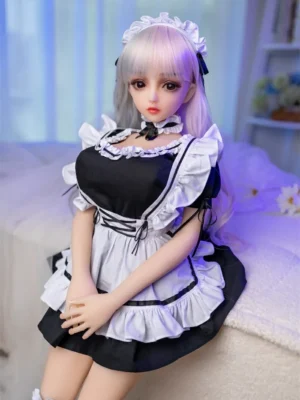
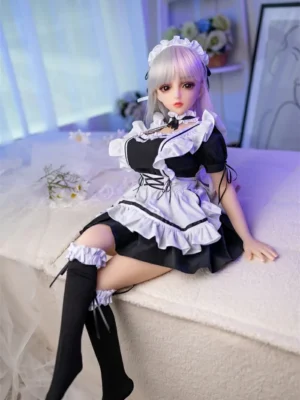
Meanwhile, the LORIBEAR shop brings together complete anime- and game-inspired character designs alongside different physical formats. It gives collectors a useful way to compare how faces, body proportions, costumes and materials work together before deciding which direction to take with their own customised character.
The Design Council’s Double Diamond framework supports an iterative process of understanding a problem, defining it, developing options and testing the final solution. The same principle works naturally for custom doll design because each stage allows the character concept to become more precise before permanent decisions are made.
Custom doll questions
Which part should be chosen first?
Start with the character brief and intended scale. Once those decisions are clear, choose the body and compatible head before spending heavily on clothing or smaller accessories.
This order keeps the main proportions stable and makes later styling choices much easier.
Can any doll head fit any body?
No. A usable combination requires more than a matching connector. Scale, skin tone, material finish and shoulder proportion also affect the final appearance.
Therefore, check both physical compatibility and visual balance before treating a head and body as a finished match.
Is permanent modification necessary?
No. Wigs, clothing, eyes and compatible heads can create substantial changes while keeping the original body intact.
In many cases, reversible customisation offers enough freedom to develop a strong character without cutting, drilling or permanently altering soft material.
How can dark clothing be used safely?
Test the fabric for dye transfer first. Wash suitable colourfast garments when appropriate and place a pale protective layer between dark fabric and soft material.
Also check the body periodically during long-term display rather than leaving a new dark costume in place without inspection.