Chun Li R34: Why Her Strength Inspires Bold Fan Art

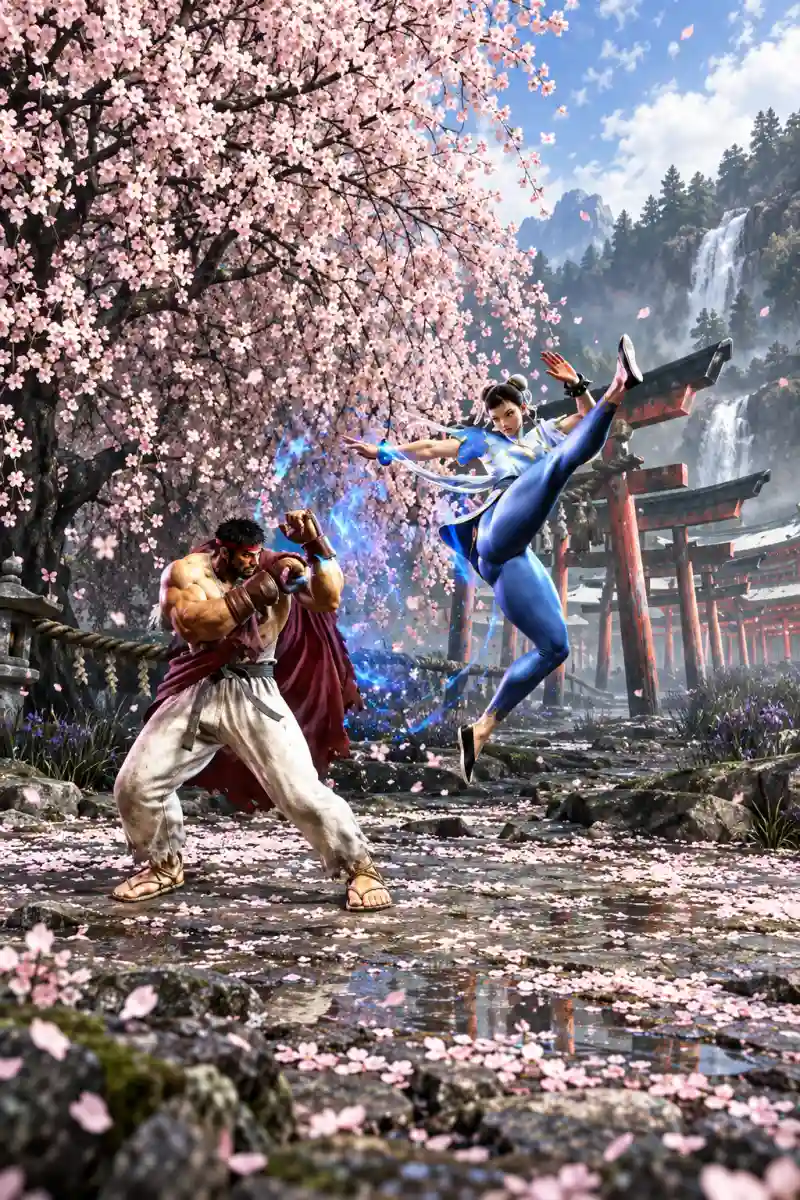
Chun Li R34 art takes one of fighting games’ most recognisable heroines beyond the boundaries of an official match. Artists can slow down movements that normally last only a second, change the mood behind her confident expression and imagine private moments that Street Fighter never places on screen.
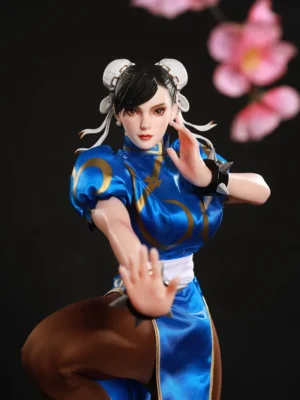
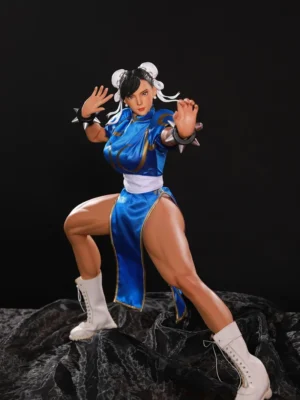
Chun-Li gives this kind of fan art unusually strong foundations. Her visual identity does not depend on a single feature. The ox-horn hairstyle, blue clothing, spiked bracelets, powerful legs and controlled posture all contribute to an instantly recognisable silhouette.
Those elements allow artists to create mature interpretations without losing the disciplined fighter at the centre of the character. Even when the setting, clothing or pose changes, convincing artwork still needs to preserve the strength and self-possession that make Chun-Li feel like Chun-Li.
Why Chun-Li Became an Icon Before R34 Art
Chun-Li entered Street Fighter II as a determined martial artist pursuing M. Bison and Shadaloo. Her personal motivation came from the loss of her father, giving her a purpose that extended beyond winning a tournament.
She also changed expectations surrounding women in fighting games. Chun-Li did not stand beside the action as a prize or supporting companion. Players selected her, learned her movements and used her speed, timing and technique to defeat the same opponents faced by every other fighter.
CAPCOM’s official Chun-Li character profile continues to place direct attacks, quick kicks and control of the fight at the centre of her gameplay. That playable strength shaped the way fans understood her long before adult fan art became widespread online.
Her appeal therefore begins with capability. Beauty adds to the character, but Chun-Li earns attention through the way she carries herself and takes control of a confrontation.
The Silhouette Artists Can Recreate Instantly
Successful character art must remain recognisable even when it removes the game interface, fighting stage and familiar camera angle. Chun-Li gives artists several powerful visual signals to work with.
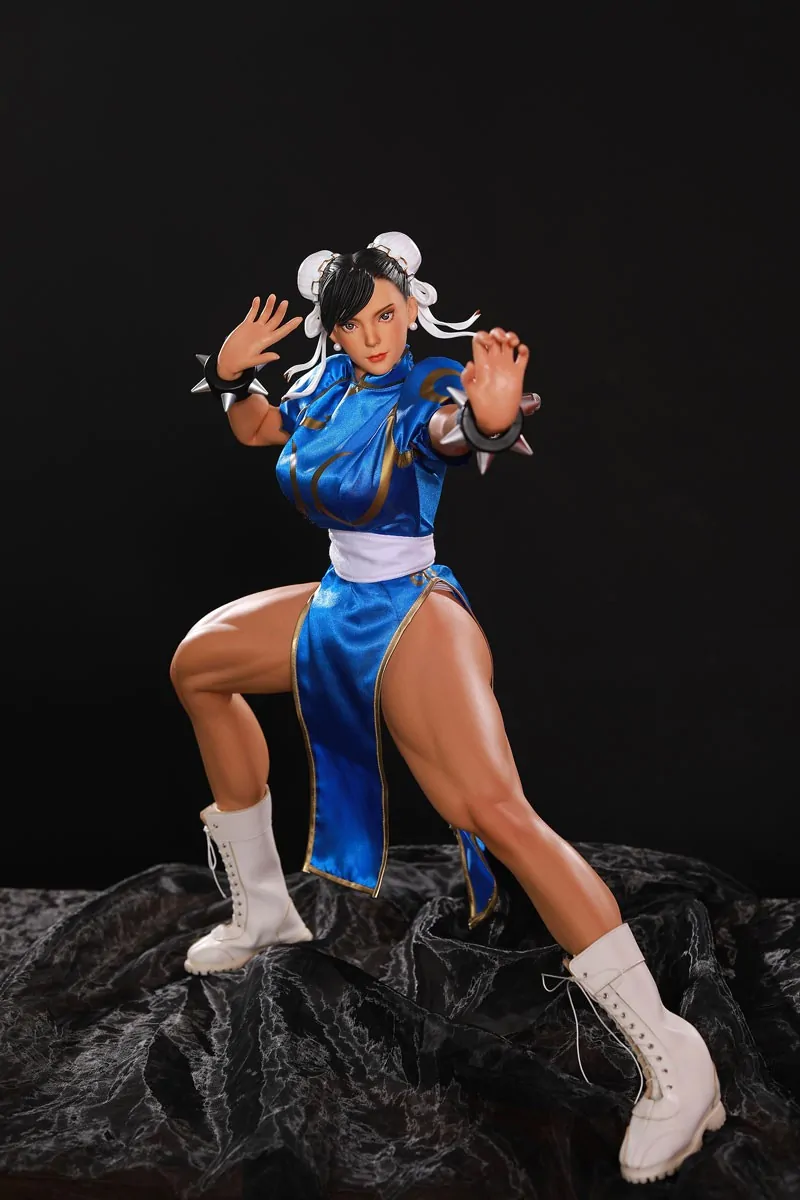
Her hairstyle frames the face with two symmetrical buns. The blue costume creates a strong block of colour, while the bracelets add sharper shapes around the wrists. Most importantly, her stance communicates balance and readiness before she throws a single kick.
Fan artists often exaggerate one of these signals, but the best interpretations keep them connected. A stronger leg line should still support a believable martial-arts pose. A softer facial expression should not erase her composure. Mature styling works more effectively when it develops her established identity instead of replacing it.
Different versions of Chun-Li can be explored through the Chun Li character page, where her strength, appearance and related stories remain connected in one place.
Strength Changes the Meaning of a Sensual Pose
Many characters can appear attractive in a still image. Chun-Li stands apart because the viewer already understands what her body can do. Years of animated kicks, defensive movements and controlled stances give every pose a physical history.
An artist can show her resting after a fight, stretching before training or lowering her guard in a private setting. None of these scenes needs to make her seem weak. Instead, the contrast between combat discipline and personal openness creates the tension.
This distinction matters in mature fan art. A passive pose can feel disconnected from the original character if it removes all sense of confidence. Chun-Li becomes more convincing when her gaze, shoulders and posture suggest that she still controls the moment.
Her physical power also changes how viewers interpret curves. They do not exist only as decoration. The legs, hips and core belong to a fighter whose most famous attacks depend on speed, stability and repeated movement. That background gives the adult imagery a character-specific meaning.
 Movement Gives Chun Li Fan Art Its Energy
Street Fighter presents Chun-Li through constant motion. Rapid kicks blur across the screen, clothing lifts with momentum and her stance changes as she moves between attack and defence. Fan art freezes that energy at precisely the moment an artist chooses.
Some illustrations capture the instant before impact, when one leg rises and the rest of her body remains balanced. Others focus on the recovery after a fight, when tension begins to leave her muscles. A quieter image may place her away from combat entirely, yet the viewer can still recognise the discipline in the way she stands.
This freedom explains why Chun Li R34 artwork can take many forms without exhausting the character. Artists do not need to repeat the same bedroom scene or revealing pose. Training rooms, changing areas, private apartments and imagined moments between tournaments can all produce different moods.
The strongest work gives the scene a reason to exist. Chun-Li may have just returned from a mission, completed a demanding practice session or finally found a moment where she no longer needs to remain alert. Context turns an exposed body into part of a story.
Her Expression Determines Whether the Art Feels Authentic
Chun-Li often looks focused during a fight, but her personality includes more than severity. She can show warmth, amusement and compassion when the situation allows it. Adult art gains range by drawing on these different sides of her character.
A direct gaze creates confidence and makes the viewer feel that Chun-Li understands the attention she receives. A slight smile can make the same scene more playful. By contrast, a relaxed expression may suggest a rare moment of trust after she has lowered the emotional guard required by her work.
These choices affect the entire composition. If the face looks uncertain while the body language looks commanding, the image can feel divided. When the eyes, mouth and posture share the same emotional direction, the fantasy becomes much easier to believe.
Recognition also depends on restraint. Artists do not need to exaggerate every feature at once. Chun-Li’s established confidence already supplies much of the attraction.
How Costume Changes Create Different Fantasies
The classic blue qipao remains Chun-Li’s most familiar outfit, but Street Fighter has given her numerous alternative looks. Training clothes emphasise her identity as a martial artist. Formal designs show her elegance, while casual clothing imagines a life beyond investigations and tournaments.
R34 artists can use these costume changes as the beginning of a scene. A loosened training outfit suggests the end of a demanding session. An elegant dress creates a more controlled and glamorous mood. Casual clothing can make the character feel closer because it removes the distance of the fighting arena.
Even partial changes can carry meaning. Removing the bracelets signals that the fight has ended. Letting her hair fall differently can make a familiar face feel more intimate. Keeping one recognisable blue element helps connect a new interpretation to the character’s visual history.
The clothing should support the chosen mood rather than serve as the entire idea. Chun-Li remains interesting after the costume changes because confidence, discipline and physical presence still define her.
When Fan Art on a Screen Is No Longer Enough
Digital art can show Chun-Li in countless imagined scenes, but the image always remains behind glass. The artist controls the pose, lighting and viewing angle. Once the screen closes, the moment disappears with it.
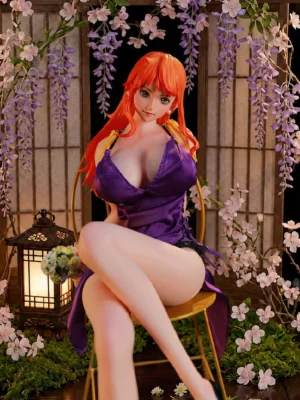
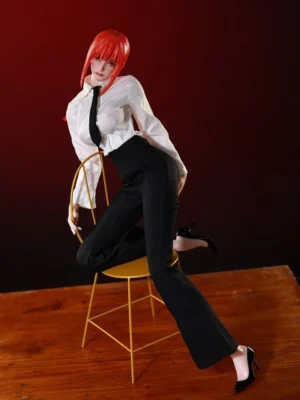
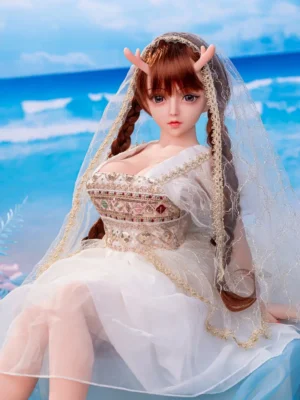
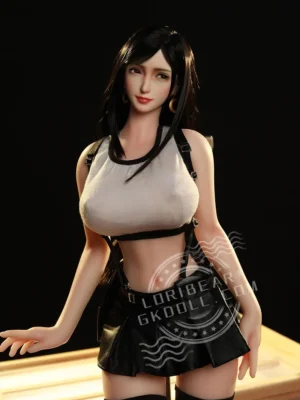
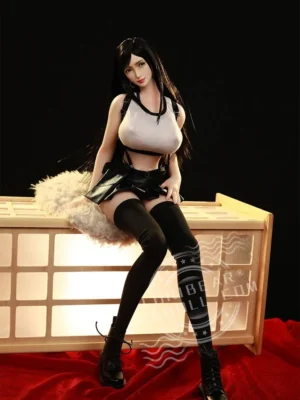
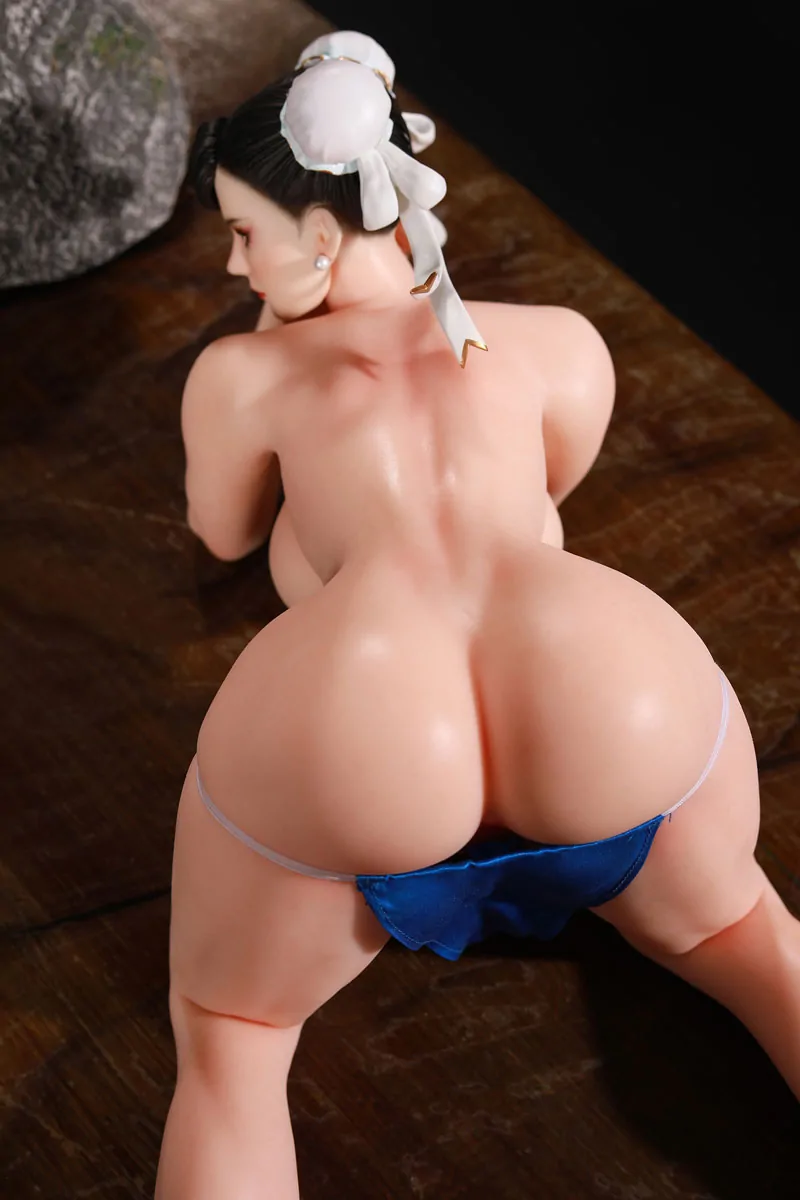
If you want Chun-Li’s powerful presence to continue beyond another saved picture, view the chun li r34 product gallery. The images let you judge whether her focused expression, distinctive hairstyle, blue fighting style and powerful silhouette capture the woman who made strength itself feel seductive.
Look beyond the costume colour when you open the gallery. Pay attention to whether the face carries Chun-Li’s calm authority and whether the overall pose suggests a fighter who remains in control. Those qualities determine whether the interpretation feels connected to Street Fighter or merely borrows a familiar outfit.
For an admirer who wants more than a temporary fantasy on a phone or computer, this is an opportunity to bring a bold adult interpretation of Chun-Li into a private collection and appreciate her presence from an angle chosen by you.
 Why Different Artists Produce Different Versions of Chun-Li
No single image can represent every part of a character with such a long history. One artist may focus on her role as a disciplined officer. Another may explore the confident woman behind the fighter, while a third builds an exaggerated fantasy around her famous physique.
Art style changes the result as well. A design influenced by the early arcade games may use sharper shapes and brighter colours. More realistic work can emphasise muscle tension, fabric and facial detail. Anime-inspired drawings often preserve clean lines and expressive eyes.
These interpretations do not need to compete for one definitive answer. Their variety reflects the number of ideas already present in Chun-Li. Her character can support action, elegance, humour and adult desire without becoming unrecognisable.
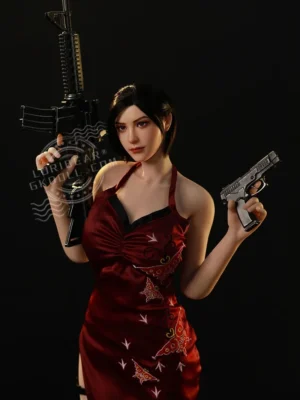
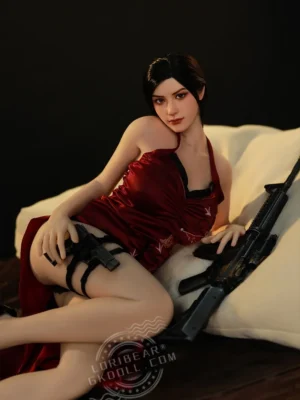
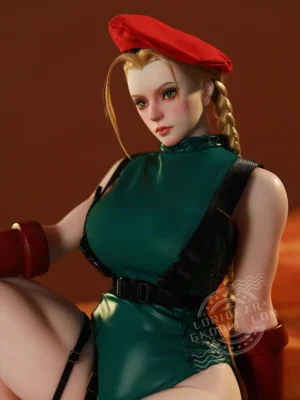
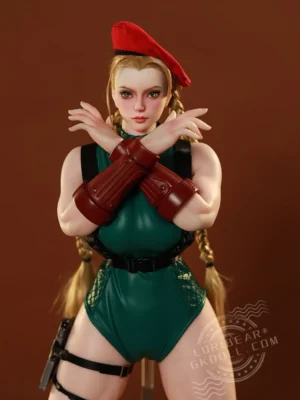
The wider Character Stories collection shows how other heroines create attraction through different personalities. Ada Wong relies on mystery, Cammy projects military intensity and Chun-Li combines warmth with disciplined physical power.
Choosing a Character by More Than Appearance
Attraction often begins with a visual detail, but it lasts when the character represents a feeling the admirer wants to keep close. Chun-Li offers determination, self-control and the confidence of someone who has earned her strength.
Fans who connect with that energy may prefer her to a character built around innocence or mystery. Others might want a colder expression, a more playful personality or a darker fantasy. The difference becomes clearer when several characters can be considered together.
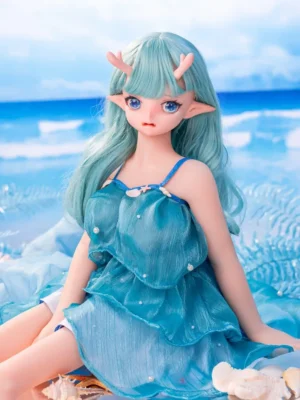
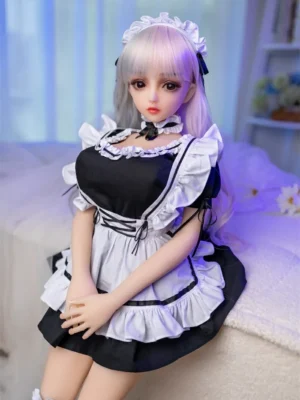
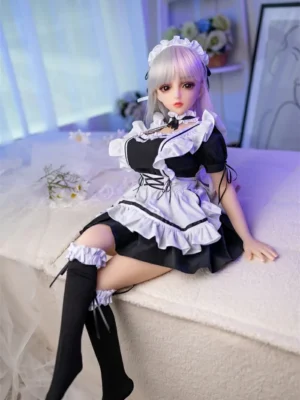
The Anime Figure shop allows you to compare those personalities through their faces, clothing and overall presence. Choose Chun-Li when her mixture of discipline, beauty and physical authority creates the strongest pull. A character who already holds your attention will offer far more than one who merely fits a general visual preference.
Why Chun Li R34 Continues to Grow
Chun-Li has appeared across generations of Street Fighter games, and every new design gives artists another way to interpret her. Yet the central qualities remain stable. She enters each era with confidence, recognisable movement and an identity built through action.
Adult artwork expands the spaces around that official story. It imagines what happens after training, away from an investigation or during a moment when the world’s strongest woman can decide how much of herself she wants to reveal.
That element of choice keeps the fantasy connected to her personality. Chun-Li does not become attractive because fan art removes her strength. She becomes attractive because the artist lets strength, control and sensuality occupy the same image.
FAQ
What does Chun Li R34 mean?
It refers to unofficial adult artwork and fantasies inspired by Chun-Li from Street Fighter. These creations come from fans and do not form part of CAPCOM’s official storyline.
Why is Chun-Li so popular in adult fan art?
Her popularity comes from a combination of recognisable design, physical strength, confidence and a long history in fighting games. Artists can reinterpret her while retaining several clear features associated with the character.
Does R34 artwork always use Chun-Li’s classic outfit?
No. Some artists preserve the blue qipao, while others use training clothes, casual outfits or completely original designs. Her hairstyle, posture and confident expression can keep the character recognisable when the clothing changes.
What makes a mature Chun-Li interpretation convincing?
A convincing interpretation preserves her discipline and authority. Facial expression, posture and context should support the idea that Chun-Li remains confident and controls how the scene unfolds.