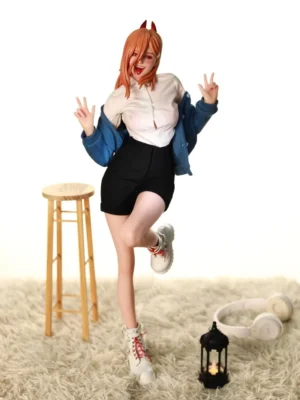
- Chainsaw Man
- Resident Evil
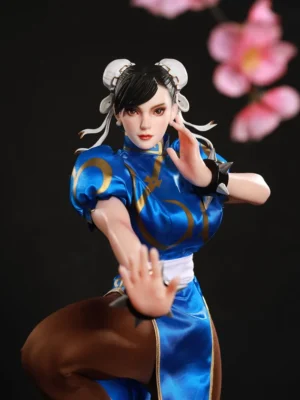
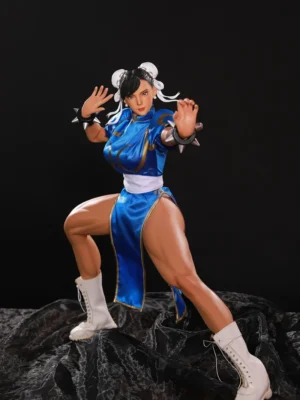
- Street Fighter
- Spy x Family Figures
- Azur Lane
- Final Fantasy
- Dragon Ball
- Naruto
- Neon Genesis Evangelion
- Nier: Automata
- Kuroinu Figures | Olga Discordia Dark Elf
- Queen Pharnelis-Goblin
- Non Virgin Bunny Girl
- Prison School
- The King of Fighters
- One Piece
- Figure Heads & Accessories
What Happens When an AI Doll Moves Beyond the Screen?

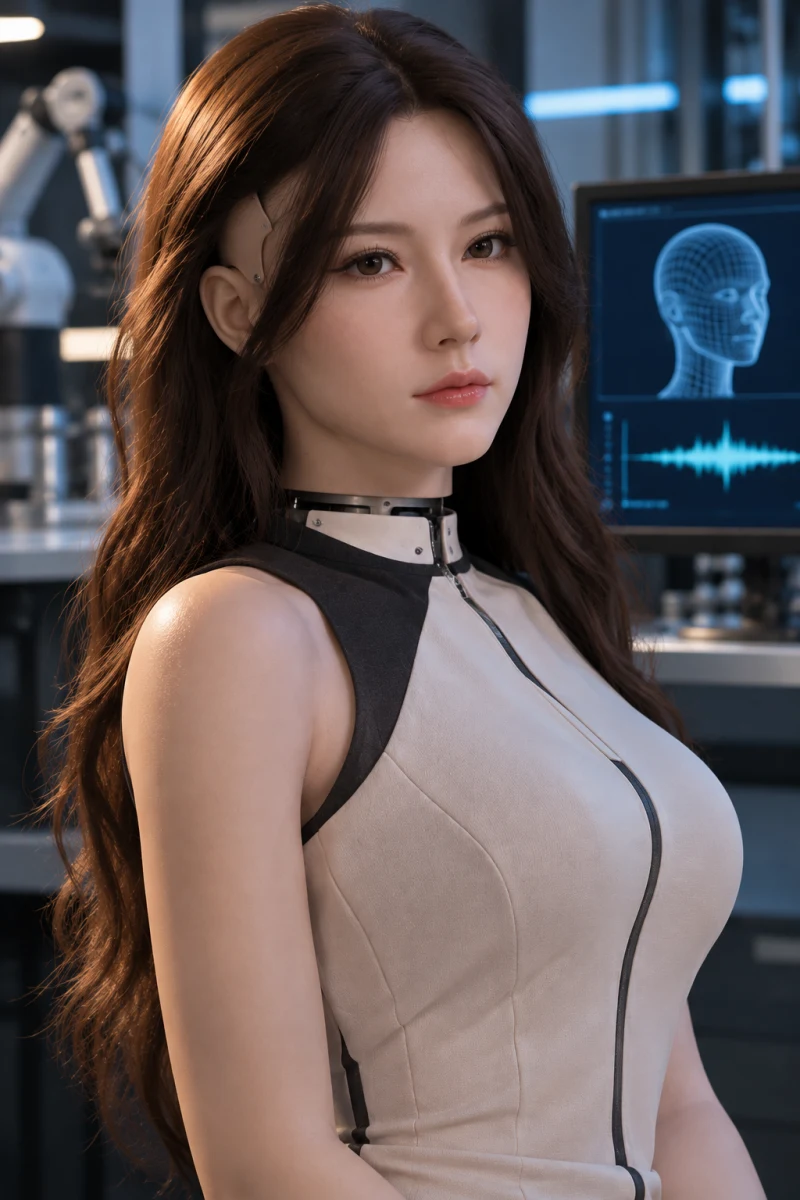
An ai doll promises something different from another chat window: a character that can become part of the physical world. Yet the most revealing developments also move in the opposite direction. A physical companion may have a digital life, continuing an exchange after its owner leaves the room.
That possibility gives the adult category a distinctive direction. The ambition is no longer simply a figure that speaks when someone stands nearby. Instead, developers are exploring how one recognisable character might appear through messages, an avatar and a tangible form. The appeal lies in continuity across those encounters, although current products achieve very different parts of that ambition.
The interesting examples involve adult companion services and explicitly adult physical designs. Their progress is real, but their forms remain distinct. An animated character on a phone, a room viewed through augmented reality and a physical doll offer different experiences. Bringing them closer raises questions that a convincing voice alone cannot answer.
A Familiar Face Can Exist Before a Physical Body
Replika shows how a visual character can accompany an established adult AI service. Its current presentation combines customisable appearance, calls and generated images with conversation. The character is therefore more than a name attached to a scrolling transcript. However, its face remains a digital representation rather than a physical figure beside the user.
Replika’s published terms restrict the service to adults. Its help documentation also describes avatar customisation, voice options and augmented reality in supported experiences. These are existing software features, although availability differs across versions, platforms and plans. They provide a useful starting point for understanding why embodiment interests companion developers.
A face gives a conversation a visual reference. Meanwhile, a voice adds a recognisable manner that text alone cannot supply. Someone may associate both with the same character, even when moving between an image and a call. That association does not require a robotic body to begin forming.
Augmented reality takes the visual idea further. Replika’s documented AR mode places its character within the phone’s view of the surrounding space and supports spoken exchanges. The room provides a familiar setting, while the character remains visible through the device. It creates a different relationship to space without turning the image into a tangible body.
This is a useful intermediate form. A character can appear beside a familiar chair, yet still depend on the screen framing the encounter. Looking away from the device changes that experience immediately. A physical figure occupies the room differently because its appearance does not depend on that camera view.
Emily Connects a Physical Character With a Life on the Phone
Lovense’s adult companion project brings the two directions into one proposed experience. Engadget’s January CES report introduced the doll under the name Emily. The coverage described a physical figure with limited facial animation alongside a conversational system. However, the more distinctive idea was interaction continuing beyond the physical encounter.
According to that report, Lovense said users could message the companion through its app while away. It also described generated selfies intended to resemble the doll’s physical appearance. These are company-described functions, rather than evidence that every exchange already feels seamless. Nevertheless, they make the project’s direction unusually clear.
A message received elsewhere could refer to the same character seen at home. Similarly, an image could retain the visual identity associated with the physical figure. The aim is a recognisable companion across different settings, rather than a separate chatbot attached to an unrelated object. That ambition concerns the whole experience, not simply the sophistication of one animated expression.
The project also progressed beyond its January introduction. In a September company announcement, Lovense said it exhibited a second Intimate Doll prototype at IFA Berlin. It described voice interaction, responsive movement and adaptation to user preferences. Those descriptions remain the manufacturer’s account of its prototype, rather than an independent performance assessment.
The current waiting-list terms estimate delivery during the first quarter of 2027, subject to change. A reservation is therefore different from a completed purchase or a doll already delivered. For now, the achievement is a documented development programme with public prototypes and a proposed route towards production.
 The Conversation Does Not Have to Stay in the Room
The phone connection changes what embodiment can mean. A traditional physical character remains in one place, while a digital companion can appear wherever the application runs. Lovense’s proposal attempts to give these encounters a shared identity. The physical figure becomes one expression of the character, rather than its only possible appearance.
Its current product description says memory, personality and preferences are stored through its cloud-connected app system. The company also says those details can persist if the body is replaced. That is a specific architectural claim: the continuing profile belongs to a service, rather than solely to one physical shell.
The distinction becomes noticeable during an ordinary change of setting. A short exchange on a phone invites different attention from a conversation beside a physical figure. Meanwhile, the surrounding noise, available time and visible character can all change. Carrying information between those settings is only part of making them feel connected.
A reference that works in a message may need more explanation when spoken aloud. Similarly, an image can imply a scene that the physical figure cannot reproduce. The experience becomes convincing when these differences feel intentional, rather than accidental contradictions. A familiar name alone cannot make every presentation feel like the same encounter.
This gives an ai doll a broader design challenge than adding another response button. Its appeal may depend on how naturally the character moves between forms. However, that movement is currently a mixture of software presentation, physical design and company plans. It should not be confused with a single character independently travelling between devices.
A Digital Portrait and a Physical Figure Have Different Freedoms
On a screen, an image can change location or expression without moving a physical mechanism. A generated portrait can present a character beneath different lighting or against another background. However, a doll in the room remains subject to its actual construction and surroundings. The apparent freedom of the image can make that contrast especially noticeable.
Emily’s January coverage described manually positioned limbs and modest facial movements, rather than an independently active body. Engadget’s reporter also expressed reservations about the naturalness of the displayed expressions. The result is more specific than either a motionless object or a fully autonomous fictional character. Some animation exists, while much of the physical presentation remains deliberately positioned.
The digital side can suggest a much wider range of activity. Consequently, consistency becomes an artistic challenge as well as an engineering one. A character’s generated pictures, voice and physical face need not be identical in every detail. Yet enough recognisable features must remain for the different versions to seem related.
The same issue exists with stylised characters. An illustrated face may use shapes that look convincing within a drawing but unusual in physical space. Translating that face involves interpretation, rather than simply enlarging a flat image. Familiarity depends on retaining the details that carry the character’s identity.
This helps explain why a compelling physical design still matters within a connected project. Software can create another image, but it cannot instantly alter the figure already in the room. The tangible character needs an appeal that survives the end of a call. Otherwise, the physical form risks feeling incidental to the more flexible screen experience.
A Continuing Character Still Depends on a Changing Service
The idea of carrying one character between interfaces also introduces a less visible complication: the software itself changes. Replika’s current terms describe multiple generations of its service, including differences in avatars, voices and features. They also acknowledge that moving between versions can change a companion’s appearance or behaviour. Continuity is therefore an active product challenge, not merely a matter of retaining an account name.
An updated voice can sound different even when the character keeps the same face. Likewise, a changed avatar can alter the visual association built around earlier conversations. A new interface may offer more possibilities while making familiar habits feel less immediate. These changes help explain why technical progress and personal familiarity do not always move together.
Connectivity adds another practical boundary. Lovense says most intelligent functions, including conversation, require an internet connection. Its physical figure and its conversational service therefore have different dependencies. The body remains a tangible object, while the responsive part relies on a functioning digital connection.
That arrangement is neither unique to dolls nor a reason to dismiss the category. However, it changes what an ai doll can offer as a self-contained companion. The visible figure may be nearby even when the service behind its responses is elsewhere. A convincing design must make those changes understandable without constantly breaking the encounter.
There is also a difference between recognising a familiar character and proving that it understands someone. A consistent face and responsive language can encourage an impression of personality. Yet those effects do not establish awareness, independent feelings or human judgement. Their value can be discussed without attributing an inner life to the system.
 The Next Advance May Be a Less Noticeable Handoff
A useful direction for development is making transitions feel ordinary. A companion could preserve relevant context when moving from a brief message to a longer spoken exchange. Its visual presentation could also remain recognisable across generated images and a physical face. These are meaningful goals without assuming an autonomous body or promising a human-equivalent relationship.
The existing projects already show why that direction matters. Replika offers digital encounters, while Lovense proposes carrying a companion between an app and physical hardware. They illustrate related ideas, rather than one interoperable product. Their different approaches reveal how much of the experience happens between interfaces.
Better control over a continuing character could also make changes less disruptive. Clearer ways to preserve a familiar appearance or voice would address a different problem from simply generating more replies. Meanwhile, more stable visual identity could reduce the contrast between promotional images and an everyday encounter. These possibilities concern coherence across situations, rather than a longer list of advertised abilities.
The outcome remains open because demonstrations and development plans cannot establish a finished everyday experience. Nevertheless, the direction is more concrete than an imaginary robot that simply becomes human. There are identifiable products, working software interfaces and physical prototypes to examine. Progress can be measured through more convincing connections between them, without inventing a guaranteed arrival date.
A Recognisable Physical Character Already Has Its Own Appeal
Interest in a future responsive character can exist alongside enjoyment of a physical design today. The two attractions overlap, but neither cancels the other. Someone may follow connected-companion development while finding a familiar character’s expression and silhouette immediately engaging. That appeal does not have to remain on hold until every interface feels seamless.
LORIBEAR’s Yor Forger figure offers a non-AI interpretation of the adult Spy × Family character. Her composed expression contrasts with the dramatic Thorn Princess styling, preserving the character’s mixture of reserve and confidence. For admirers of that distinctive identity, a physical interpretation offers an immediate way to appreciate it beyond animation.
Explore LORIBEAR’s Anime Figures for more character-led designs. Their visual appeal makes a different invitation from the developing connected-companion experience. A familiar face can reward attention through its styling, expression and interpretation, even without a conversation unfolding beside it.
An ai doll may eventually offer smoother connections between a screen-based personality and a tangible character. Meanwhile, physical character design already provides something distinct to appreciate. There is room for curiosity about what responsive technology may achieve and enjoyment of an expressive figure now. The future need not erase the appeal that first made someone want a character beyond the screen.
Frequently Asked Questions
Is a screen-based AI companion already a physical doll?
No. Services such as Replika offer digital characters through supported app features, including calls and some augmented-reality experiences. However, a character appearing within a camera view remains a rendered image. A physical companion project adds a tangible figure, with its own construction and capabilities.
Can an ai doll continue interacting when its owner leaves home?
Some projects propose that experience. Lovense describes remote messaging through its app and a continuing cloud-based character profile. However, those functions belong to that specific connected system. They should not be assumed for every doll, and the current physical project remains on a waiting-list programme.
Is Lovense’s Emily already a generally available finished product?
The project has appeared in CES coverage and a later company announcement describing a second prototype. Its current waiting-list terms estimate delivery in early 2027, with timing subject to change. Therefore, those public demonstrations should remain distinct from confirmed general delivery of a finished product.
Why might the same character feel different across an app and a physical figure?
Each presentation allows different expressions, surroundings and forms of interaction. Software updates can also change appearance or behaviour, while a physical figure retains its construction. A shared name helps recognition, but a convincing continuing character also needs consistency across those different encounters.