Aerith Final Fantasy VII: Why Having Her Beside You Changes the Journey


Aerith makes Final Fantasy VII feel different from the moment she starts talking to Cloud. He answers cautiously, keeps his distance and tries to treat every encounter as a practical problem. She asks another question, makes a joke and carries on. Spending time with her brings conversation and warmth into a journey filled with people who would rather discuss weapons, orders or the next threat.
That warmth continues when she joins the party. Aerith can restore her companions, create opportunities in battle and contribute powerful magic of her own. The woman who makes Cloud struggle through an ordinary conversation can also become the person you rely on when a fight turns difficult. Her charm develops through both experiences: enjoying her company and discovering how much she contributes.
Her familiar pink dress, brown braid and green eyes may create the first impression. What makes that impression last is the lively, capable person behind them. Aerith has opinions, enjoys teasing and keeps making choices that take her further into the journey.
Cloud Cannot Keep Every Conversation Professional
Cloud approaches much of early Final Fantasy VII with the habits of a mercenary. A task has an objective, a payment and an end. Aerith complicates that tidy arrangement because she takes an interest in the person doing the work.
When she asks him to act as her bodyguard and offers a date as payment, she changes the conversation immediately. Cloud understands physical danger more comfortably than playful attention. Her offer brings a little humour into the situation while giving their cooperation a personal tone.
Aerith does not need him to become talkative before she enjoys his company. His short replies give her something to react to. She can press a question, notice an awkward response or keep an exchange going after he appears ready to end it.
That makes their time together enjoyable even before the larger mysteries of the story develop. The player gets to watch somebody disturb Cloud’s serious manner without treating him cruelly. Aerith seems interested in what happens when he briefly stops performing the role of the detached professional.
Her confidence also gives the relationship movement. She starts conversations and makes suggestions instead of leaving every decision to him. Cloud may carry the larger weapon, but that does not mean he controls the direction of every scene.
Her Kindness Comes with a Strong Will
Aerith’s gentle appearance can make her seem easy to guide until she decides otherwise. Once she wants to accompany someone or understand a situation, she is difficult to dismiss. Her friendliness makes that determination pleasant to encounter, but it does not remove it.
This combination gives her conversations an appealing unpredictability. A reassuring remark can become a joke. A simple request can reveal that she has already thought ahead. She may listen to somebody’s concern and still choose a different course of action.
Square Enix’s official Final Fantasy VII character profiles describe Aerith’s upbeat attitude and determination in the face of danger. Those qualities become especially clear when she leaves the familiar surroundings of Midgar and continues travelling with the group.
She has reasons to worry, including Shinra’s interest in her, yet worry never becomes her entire personality. There is still room for curiosity, humour and enjoyment. That gives the player more to respond to than sympathy alone.
It is easy to like somebody who makes a difficult day feel less grim. Aerith provides that feeling without pretending the danger has disappeared. She can recognise trouble and still find something worth saying that is not another warning.
The Battle That Makes You Glad You Chose Her
In the original 1997 Final Fantasy VII, Aerith’s battle role gives that supportive personality a practical effect. Her starting Limit Break, Healing Wind, restores health to the party. When several companions are struggling, her turn can change what happens next.
Imagine reaching a point where Cloud needs healing and another party member may not survive the next attack. Separate recovery actions would slow the whole group down. Aerith can give everyone some breathing room at once, allowing the next turn to serve the plan rather than another emergency.
A moment like that creates a particular kind of affection. You remember the character who helped you recover a fight that seemed to be slipping away. Her appearance on the battle screen becomes associated with the possibility of getting through it.
Healing Wind also uses her Limit gauge rather than MP. It cannot replace every healing spell, because the gauge must fill first. However, it can offer help at a moment when ordinary magic reserves are running low.
The original game’s Limit system therefore gives Aerith opportunities to become memorable through play. A scene does not have to announce that the party needs her. You can experience her usefulness directly, through a decision that changes the outcome.
That is different from admiring a character from a distance. Choosing her repeatedly means learning what she can do and noticing when her next action matters. Familiarity builds through those small, shared successes.
 She Can Create an Opening as Well as Repair the Damage
Aerith’s other Limits give her ways to influence a battle beyond healing. Seal Evil can apply Stop and Silence to susceptible enemies. Some opponents resist those effects, but when they work, the party gains an opportunity to act under less pressure.
That creates a useful decision. If the group is already struggling, recovery may matter most. If an enemy is about to cause more trouble, disrupting it may be the better response. Aerith’s turn asks you to consider the situation around the whole party.
Fury Brand supports her companions differently by filling their Limit gauges. Instead of delivering the next major attack herself, she prepares the others to do it. Her contribution continues into their following actions, making teamwork visible through the battle system.
Later abilities such as Planet Protector add another form of support through temporary invincibility. Their value lies in the opportunity they create: time to recover, continue attacking or regain control of the encounter.
Aerith is also free to use offensive magic through materia. She does not have to wait passively for another character to need help. When the party is healthy, an appropriate spell can make her part of the attack.
These abilities belong to the original Final Fantasy VII. Remake and Rebirth develop her fighting style through different systems, but the original already gives her a distinctive role. She pays attention to the group’s position and offers several ways to improve it.
Her Beauty Feels Connected to Her Personality
Aerith’s face has an openness that suits the way she approaches people. Her green eyes, soft features and expressive smile make her look approachable. During a teasing exchange, that same face can carry amusement and the suggestion that she knows exactly why Cloud is uncomfortable.
The difference between a cheerful smile and a knowing one matters. Aerith can look warm without seeming unaware of what is happening around her. Her expression often gives a conversation its humour before the other person has found an answer.
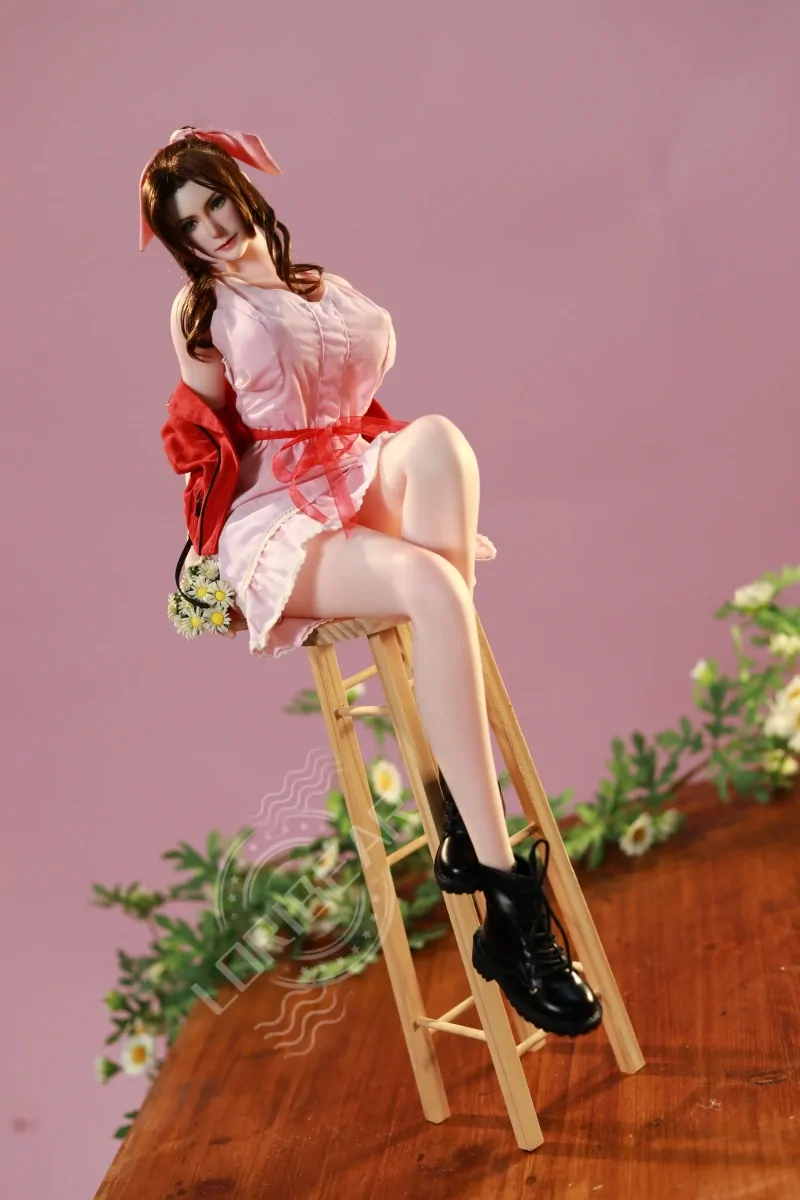
Her braid and ribbon make her easy to recognise, while the familiar dress connects her to the flower seller first encountered in Midgar. Those details remain personal because they belong to someone whose habits and voice the player comes to know.
As a result, her appearance carries more meaning with time. The pink dress may recall a conversation you enjoyed. Her smile can bring back a particular joke. A staff in her hand may remind you of the fight in which her support made the difference.
This is how an attractive character becomes a favourite. The face and clothing catch your attention, then experience attaches memories to them. Aerith gives the player plenty of reasons to make that connection.
Travelling Together Makes the Affection Personal
A role-playing game gives you hours with its companions. You see how they respond to unfamiliar places, how they speak to one another and what they do when the situation changes. Aerith benefits from that time because her appeal includes so many small interactions.
Her presence can make a scene feel more conversational. Cloud has to respond to another person rather than only the next objective. The group gains someone who can bring curiosity into a tense moment and ask the question that a more guarded companion might leave unspoken.
In battle, the player adds another layer to that relationship. You choose when she should attack, when she should support and which abilities suit the next encounter. Her contribution becomes part of your particular experience of the game.
One person may remember her humour most clearly. Another may think first of her magic or determination. Someone else may simply enjoy the way she changes Cloud’s manner. Those different attachments can exist together because the character offers more than one reason to care.
Our Aerith character stories explore more of her relationships and place in the series. The time spent travelling beside her gives those larger events a personal weight: by then, she is somebody whose company you have learned to enjoy.
When You Want Aerith Beyond the Screen
Closing the game does not necessarily end that attachment. A familiar piece of music, a picture of her smile or another glimpse of the pink dress can bring back the feeling of having her in the party. The memory may be an important scene, but it can just as easily be an ordinary conversation you did not expect to enjoy so much.
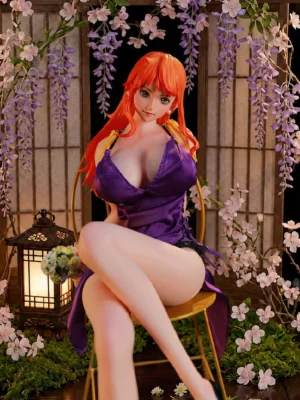
If seeing Aerith only on screen no longer feels enough, visit our aerith final fantasy vii page and bring your favourite companion into your own collection. Keep the flower seller who made you smile, challenged Cloud’s serious attitude and stood beside the party through danger close to the games and stories you love.
An anime figure can become a reminder of why that character matters to you. With Aerith, the connection already comes from the journey: the conversations, the difficult battles and the moments when her presence made everything feel a little less bleak.
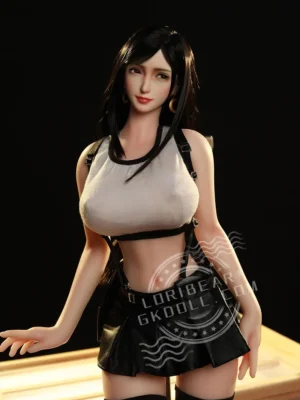
If there are other characters you would like to bring home alongside her, explore the Loribear anime figure shop. Choose the favourites whose return always makes you pay attention, whether you remember them for their confidence, kindness or the trouble they cause.
 Why Her Place in the Party Stays with You
Aerith gives Final Fantasy VII a form of strength that the player can recognise in several settings. In conversation, she keeps reaching past Cloud’s guarded answers. During danger, she continues making her own choices. In battle, she can help the whole party recover its footing.
Those qualities support one another. Her kindness has practical consequences, while her confidence prevents that kindness from feeling passive. She can look gentle, speak playfully and still become someone the group depends on.
The result is an attachment built through time rather than a single description. You do not need every scene to be dramatic. A teasing reply or a timely recovery can be enough to remind you why you wanted her along in the first place.
More of the journeys behind favourite characters appear in our Character Stories. Aerith leaves a particularly warm memory among them: a companion who makes the adventure more enjoyable, then gives you reasons to feel grateful she was there.
Frequently Asked Questions
Is Aerith only a healer in the original Final Fantasy VII?
No. Her unique Limit Breaks focus on recovery and support, but materia also lets her use offensive magic. She can contribute damage as well as help the party.
What makes Aerith’s personality memorable?
She combines warmth with a playful, determined manner. Aerith teases Cloud, starts conversations and makes her own choices, giving her a more active personality than her gentle appearance might initially suggest.
Does Healing Wind consume MP?
No. Healing Wind depends on Aerith’s Limit gauge rather than her MP. It restores health to the party when the Limit Break is available.
Are the battle abilities described here from Remake?
No. Healing Wind, Seal Evil, Fury Brand and Planet Protector are discussed here in the context of the original 1997 Final Fantasy VII. Remake and Rebirth use different combat systems.