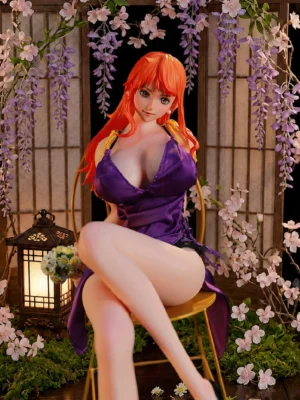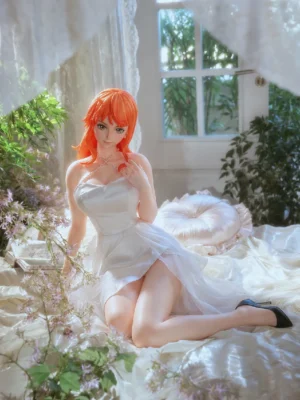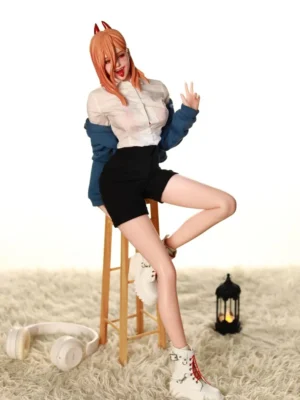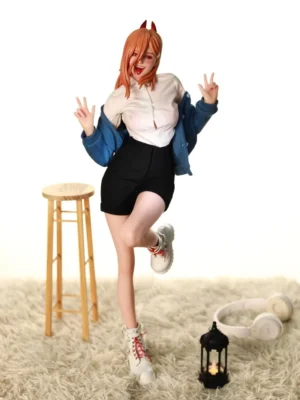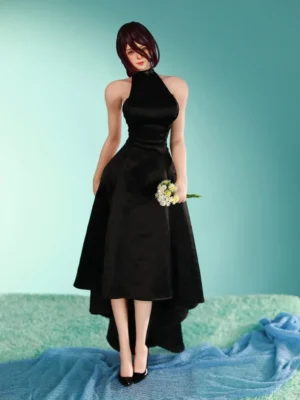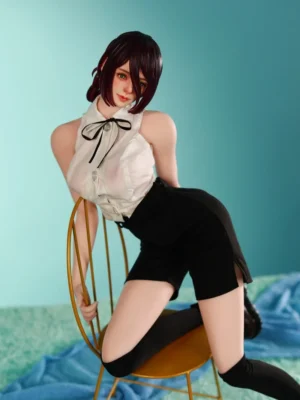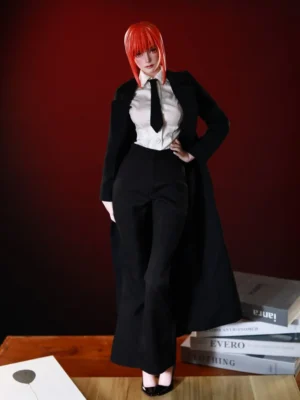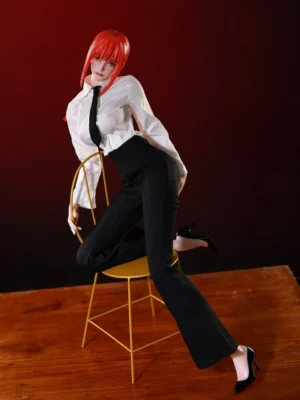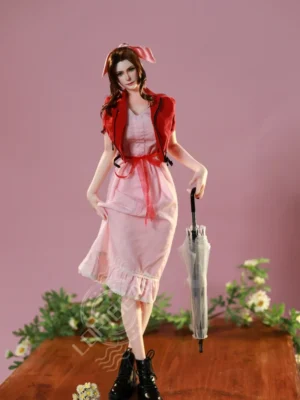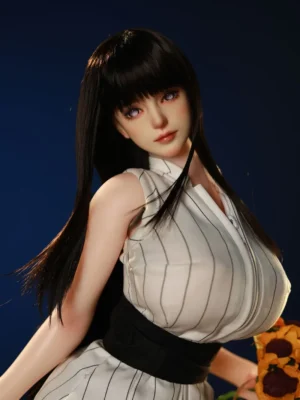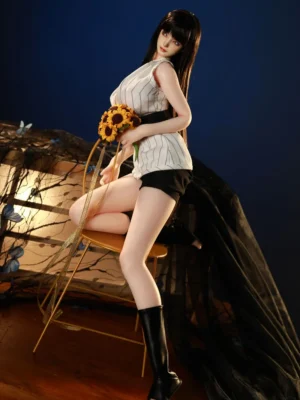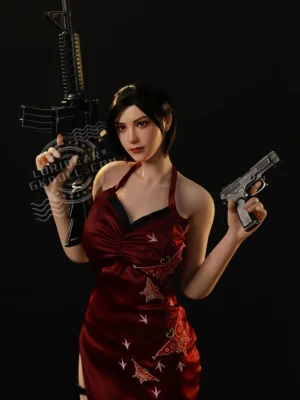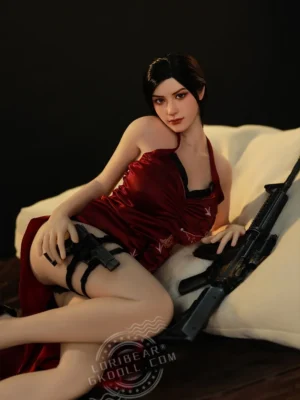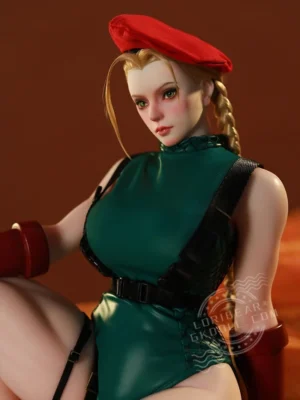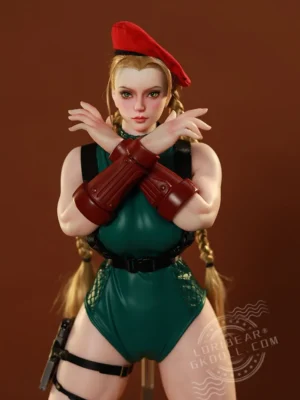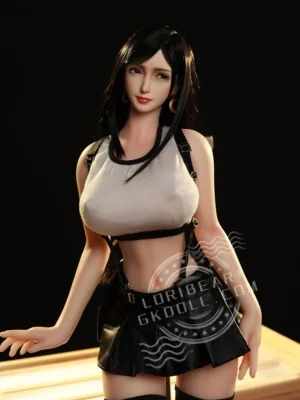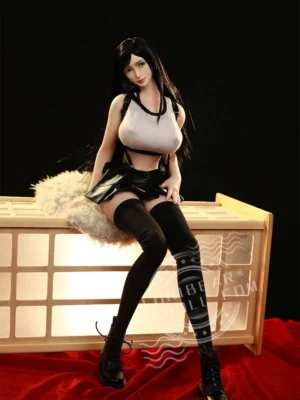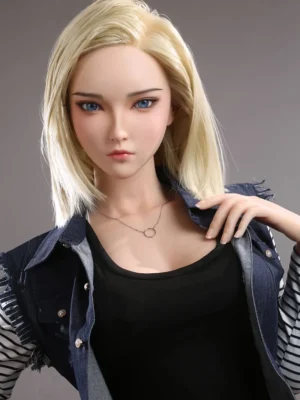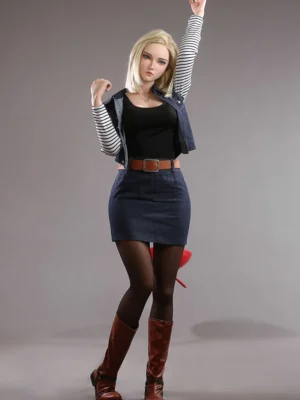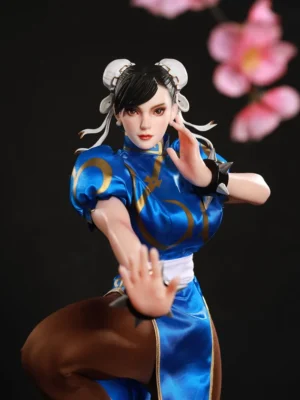
- Chainsaw Man
- Resident Evil
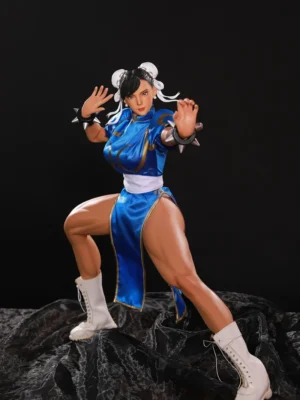
- Street Fighter
- Spy x Family Figures
- Azur Lane
- Final Fantasy
- Dragon Ball
- Naruto
- Neon Genesis Evangelion
- Nier: Automata
- Kuroinu Figures | Olga Discordia Dark Elf
- Queen Pharnelis-Goblin
- Non Virgin Bunny Girl
- Prison School
- The King of Fighters
- One Piece
- Figure Heads & Accessories
Adult Anime Figures: A Form Defined by Character and Design

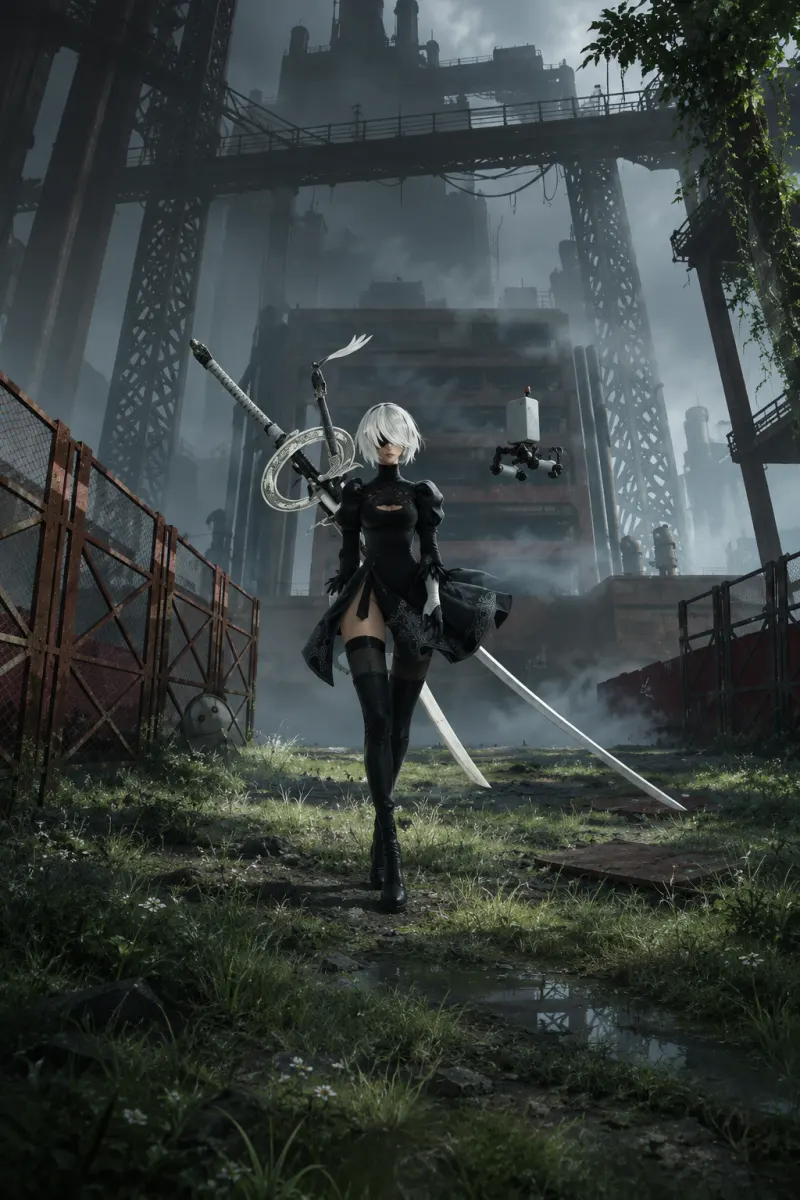
An 18+ anime figure is a three-dimensional character design in which mature styling is part of the subject, rather than an incidental detail. It retains the visual language of anime and manga: expressive eyes, stylised proportions, distinctive hair and costumes that communicate identity immediately. Its adult character comes through the treatment of the body, the relationship between clothing and pose, and an atmosphere that can be suggestive, glamorous or openly nude.
The form is not defined by one material, one size or one degree of exposure. A rigid sculpt, a jointed figure and a soft-bodied interpretation can each express an adult character differently. What connects them is an approach to character representation: the physical object makes mature appearance a central part of its design. Here, that means clearly adult characters and adult representations, not youthful styling treated as permission for sexualisation.
What makes an adult anime figure a distinct form?
Anime figures translate drawings into objects with volume. A face that once depended on an outline needs a shaped cheek and chin; hair that moved between frames becomes a deliberate arrangement of strands. Adult figures use the same translation, but give greater emphasis to bodily form, intimate expression and the visual tension between concealment and exposure.
This is a difference of emphasis as well as subject matter. A general-audience action figure might organise everything around a weapon, a leap or a recognisable scene. An adult interpretation may organise the composition around a turned shoulder, a relaxed stance or the meeting of fabric and skin. The character can remain recognisable even when the original scene has disappeared.
Revealing clothing alone does not provide a reliable boundary. All-ages figures can include fitted costumes, bare skin and exaggerated proportions. An adult-oriented design makes those elements part of a sustained mature presentation, rather than a passing detail within an action or comic scene. There is overlap in appearance, so a single neckline cannot explain the whole category.
Nor is this an official sculptural classification with one universal technical standard. It is a useful descriptive category encompassing different constructions and visual approaches. Separating presentation from construction makes the form easier to understand: adult styling describes what the figure communicates; PVC, resin and articulation describe how the object is made.
Suggestion, glamour and nude design
Suggestion works through what remains unresolved. A sideways glance, a partially concealed silhouette or a garment held in a particular shape can create a mature atmosphere without nudity. The expression and composition carry the implication. This approach depends on relationships between details, rather than simply the amount of visible skin.
The Western use of ecchi for playful sexual overtones in Japanese media provides context for this suggestive register. In a figure, however, an implication cannot rely on a sequence of scenes or a joke delivered in dialogue. It has to remain readable in one physical composition, through the eyes, hands, clothing and direction of the body.
Glamour uses a different emphasis. Eveningwear, polished boots, elaborate hair and controlled posture can make a character feel theatrical or self-assured. Exposure may be present, but colour, fabric shapes and bearing establish the tone. A fully dressed adult figure can therefore have a stronger mature identity than a more revealing design with a neutral expression.
Nude and more explicit designs move the body towards the centre of the composition. Clothing no longer supplies as many visual landmarks, so proportion, anatomy and the arrangement of limbs become more prominent. These approaches are alternatives, not stages of improvement. An 18+ anime figure does not become more accomplished merely by becoming more revealing.
Costume as a language of character
Clothing gives a stylised body context. A structured jacket suggests something different from loosely draped fabric, even when both cover the same area. Dark, angular costume shapes can reinforce a reserved expression; rounded trims and bright accents can make an adult character appear playful. These effects arise from the design as a whole, not from a fixed dictionary of outfits.
Costume also controls rhythm. A long boot draws the eye along a leg, a contrasting collar directs attention towards the face, and a sweeping hem extends the apparent movement of the body. In adult figure design, those routes can emphasise or interrupt bodily curves. Concealment is an active compositional tool rather than simply the absence of exposure.
Sculpted garments preserve an exact arrangement of folds and tension. Separate fabric garments introduce real texture and may change shape with the body beneath them. Removable clothing or interchangeable costume parts create further variations, but they are construction features of particular designs, not requirements of the adult category.
An alternative costume can also change the interpretation of an established adult character. Formal dress may replace action-oriented energy with composure, while a fantasy outfit can make familiar features feel theatrical. The face, hairstyle and characteristic colours maintain continuity even when the clothing presents a different mood.
Pose, expression and the three-dimensional silhouette
A pose is more than the position of individual limbs. It establishes a line of movement through the head, shoulders, torso and legs. A slight turn can make a symmetrical body feel dynamic; a lowered shoulder can soften a rigid stance. Mature presentation often depends on these small adjustments rather than on an exaggerated gesture.
The silhouette makes that structure readable at a glance. Hair, elbows, costume edges and accessories create the outer contour, while gaps between limbs create internal spaces. When these shapes are clearly organised, the pose remains understandable without relying on surface decoration. A tangled outline can make even a highly detailed sculpt feel visually uncertain.
Facial expression then gives the posture meaning. Similar body positions can appear confident, distant or amused depending on the direction of the eyes and the shape of the mouth. Anime stylisation concentrates personality into small features, so a modest change to an eyelid or eyebrow can alter the tone of the entire figure.
Three dimensions introduce a further challenge: the front view is only one reading. A turn of the head has to connect convincingly to the neck, and hair needs volume behind the face. The adult character is not just an illustration with depth added; the sculpt must resolve forms that the original drawing may never have shown.
Rigid, articulated and soft-bodied formats
Rigid figures in PVC or resin preserve a predetermined composition. Their bodies, hair and clothing can be shaped around a particular gesture, including folds or flowing strands that would be difficult to reproduce with moving parts. The pose is integral to the sculpt rather than an arrangement made afterwards.
PVC and resin should not be treated as interchangeable technical descriptions. Different formulations and production methods affect the finished object, and individual figures may combine materials. Neither material alone determines expressive quality: sculpting, casting, assembly and surface finishing all contribute to the result.
Articulated figures divide the body into movable sections. Joints allow changes in stance, but also introduce seams and mechanical limits. Costume shapes may conceal those transitions or leave them visible. This format balances the continuity of the body against movement, whereas a fixed sculpt can prioritise one uninterrupted composition.
Soft-bodied formats use a flexible exterior, sometimes over an internal structure. They interpret volume and pose differently from rigid pieces, but softness does not define the wider category. As one specific example, the LORIBEAR 2B figure combines a soft platinum silicone body with a posable metal skeleton. That describes this product’s construction, not every adult anime figure.
The boundary between figure and doll becomes less precise in articulated or soft-bodied formats. “Figure” often emphasises the three-dimensional character representation, while “doll” may emphasise dressing and repositioning. Product terminology can overlap; a clear account of the actual construction is more informative than pretending that every object fits a perfectly separate box.
The craft behind a convincing adult character
Sculpting establishes the underlying relationships: the size of the head against the body, the transition from neck to shoulder and the balance between stylised and anatomical forms. Exaggeration is not necessarily a mistake. It becomes coherent when the same visual logic carries through the face, limbs and costume.
Paint gives those forms hierarchy. Eye placement establishes the gaze, controlled colour transitions suggest depth, and sharper boundaries distinguish clothing from skin. Matte and glossy finishes can separate surfaces that share a similar colour. These are modelling decisions as much as decorative ones, because they change how the shape is perceived under light.
Assembly also affects the visual result. Part divisions may follow a garment edge or a hair section, allowing construction lines to sit within the design. Where separate pieces meet, alignment influences the continuity of the silhouette. A smooth surface cannot compensate for proportions or connections that interrupt the character’s intended posture.
Detail is most effective when it supports the main impression. Tiny fastenings, layered hair and subtle facial shading can enrich a figure, but more detail is not automatically more character. The face, pose and overall shape still establish the identity before the smaller features become apparent.
Familiar characters and original adult designs
A known adult character brings visual associations from anime, games or illustration. A hairstyle, signature accessory or colour arrangement can establish identity immediately. An adult reinterpretation works with that recognition, changing the mood while retaining enough of the original visual language for the character to remain distinct.
Original adult designs begin without that shared reference. Their identity has to emerge from their own expression, proportions and styling. Neither approach is inherently more complete: one transforms an existing character image, while the other creates a character through the object itself.
The Hentai Figures range of adult-oriented designs uses a broader adult-category heading. Such headings can encompass different character treatments; they do not by themselves specify material, articulation or degree of exposure. An 18+ anime figure is best understood through those distinct design dimensions, rather than reduced to a single outfit or construction.
Frequently asked questions
What distinguishes an 18+ anime figure from an all-ages figure?
Mature presentation is central to the design rather than incidental. Expression, bodily emphasis, clothing and pose work together to establish that tone. Bare skin alone is not a complete definition.
Does an adult anime figure have to depict nudity?
No. Suggestive composition and glamorous styling can establish an adult character without a nude sculpt. Nudity is one visual approach within the form, not a universal requirement.
Are all adult figures made from the same material?
No. Rigid PVC or resin constructions, articulated bodies and flexible formats represent different ways of making the object. Material describes construction, while adult styling describes presentation.
Is removable clothing a defining feature?
No. Clothing may be sculpted in place, made separately or represented through alternative parts. Those choices affect the physical format but do not determine whether the character treatment is adult-oriented.
Can an original character belong to this category?
Yes. An original adult character can express the same mature design language as a reinterpretation of an established adult heroine. A connection to a particular anime or game is not necessary.