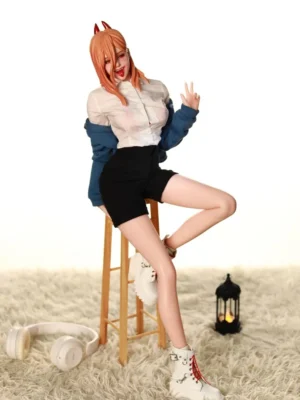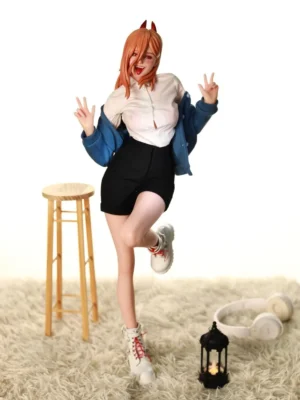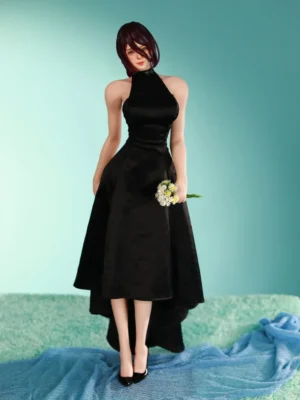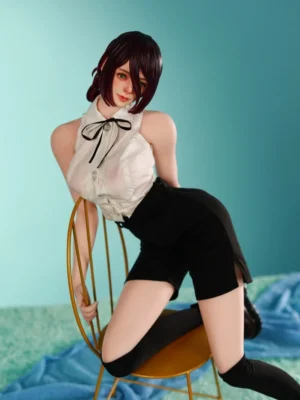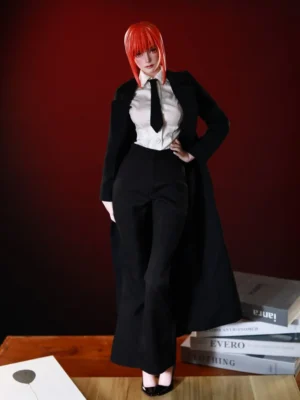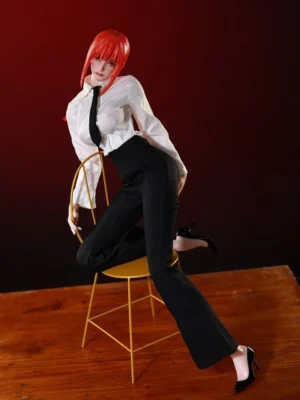
- Chainsaw Man
- Resident Evil
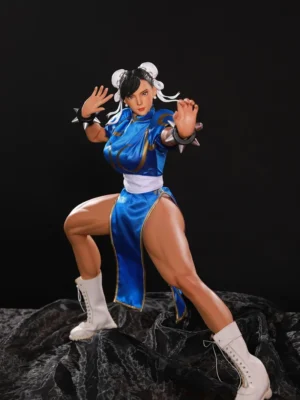
- Street Fighter
- Spy x Family Figures
- Azur Lane
- Final Fantasy
- Dragon Ball
- Naruto
- Neon Genesis Evangelion
- Nier: Automata
- Kuroinu Figures | Olga Discordia Dark Elf
- Queen Pharnelis-Goblin
- Non Virgin Bunny Girl
- Prison School
- The King of Fighters
- One Piece
- Figure Heads & Accessories
Tifa Figure Through the Years: From FFVII to Rebirth

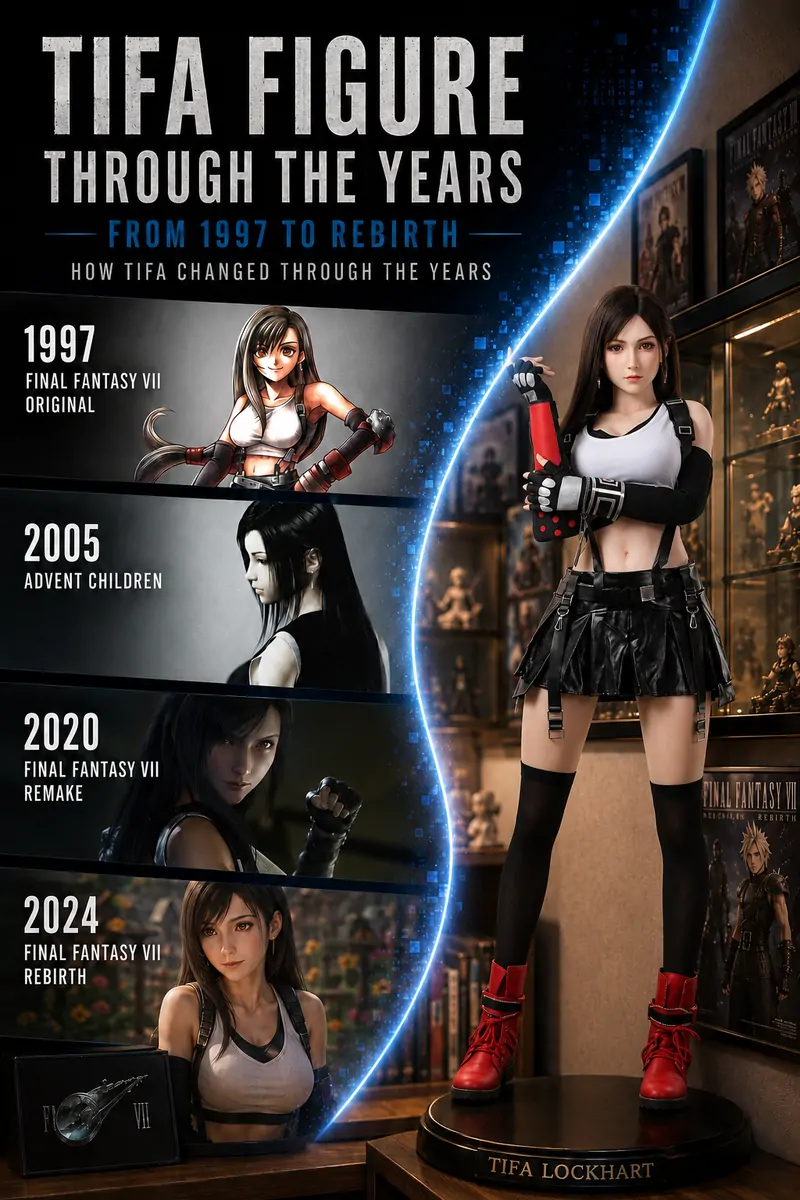
Why Does the Tifa Figure Keep Changing? A Collector’s View from the 1997 Original to FINAL FANTASY VII REBIRTH
The same Tifa figure can remind one player immediately of the 1997 version of FINAL FANTASY VII, while another player may compare it directly with the high-definition Tifa from the remake.
Some players prefer the black outfit and more mature appearance seen in FINAL FANTASY VII: Advent Children. Even when looking at the same character, their opinions about whether a figure truly looks like Tifa may be completely different.
This difference is not simply a matter of personal taste.
Tifa has changed through multiple generations of game graphics, character modelling, story development and costume design. Each change has offered a new answer to the same question: how should players recognise the Tifa standing in front of them?
The 1997 game relied on a few bold visual elements to make her instantly recognisable. During the CG film period, Tifa began to look more like a person who could exist in a real world.
FINAL FANTASY VII REMAKE added clearer facial details, hair movement and physical expressions, while FINAL FANTASY VII REBIRTH placed her in a wider range of everyday environments and personal relationships.
Therefore, the changing appearance of the Tifa figure is not simply the result of improving visual quality.
What has really changed is that players are no longer satisfied with merely recognising Tifa. They also want to see how she stands, how she lives, how she looks in different clothes and whether she still feels like the person they remember when she leaves the familiar battle setting.
The 1997 Original: Players Never Saw a Completely Defined Tifa
The 1997 version of FINAL FANTASY VII established Tifa’s most recognisable appearance.
Her long black hair, white top, black skirt, red gloves and boots formed her earliest visual identity.
The game models of that period could not show the detailed faces and realistic hair that players now expect. What players saw instead was a simplified character model, official artwork and the outline of her movements during battle.
However, those limitations did not weaken Tifa’s presence.
Instead, the restricted graphics left a large space for the player’s imagination.
Some players imagined her face from the official illustrations. Others paid more attention to her punches, kicks and fighting movements. Many gradually added expressions and personality to the simplified model through the dialogue and story.
The original Tifa was therefore not established through one clearly defined high-definition face. She existed through the colours of her clothes, the outline of her long hair, her martial arts movements and the memories of the players.
This also explains why some early anime figure designs used more obvious anime proportions.
They did not need to copy a face that had never been shown clearly in the game. As long as the classic elements were recognisable, players could complete the remaining details with their own memories of Tifa.
At that time, a collectible functioned more like a reminder.
A figure did not need to replace the full game character. It only needed to bring back scenes and emotions the player had already experienced.
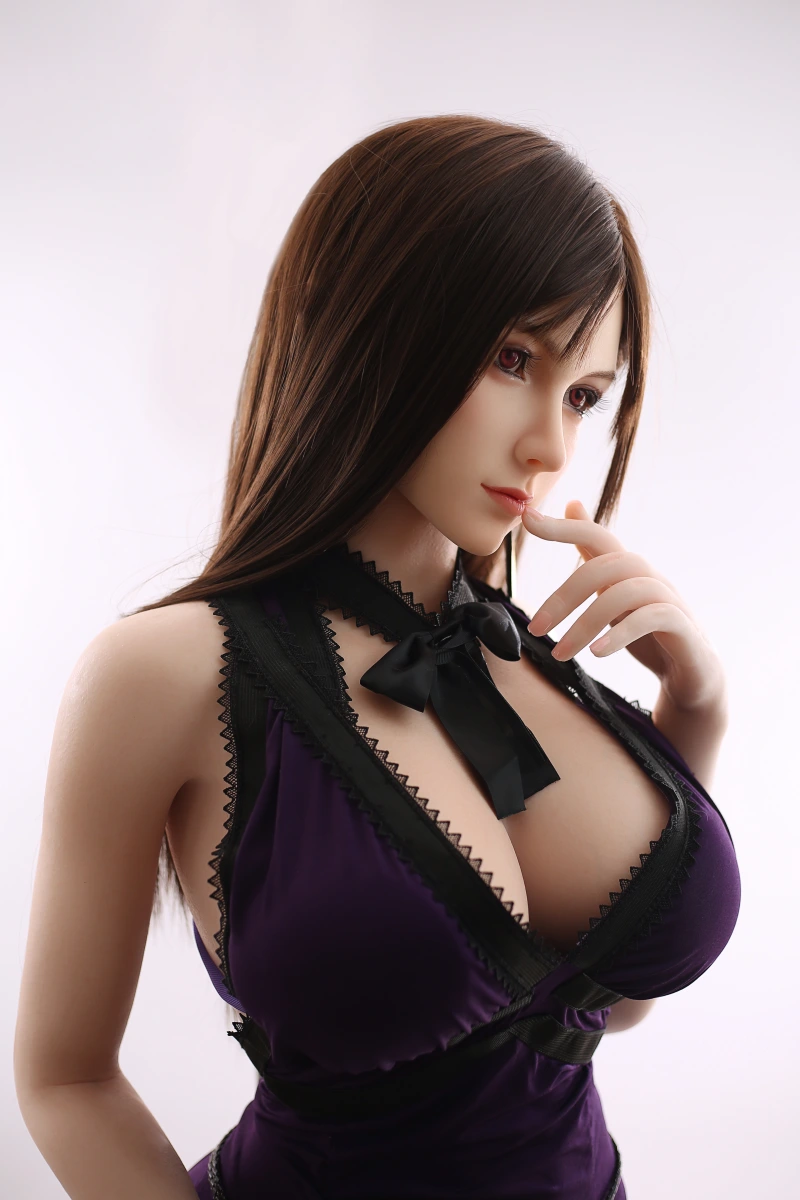 Advent Children Changed More Than Tifa’s Clothes
She now had a more detailed face, more natural hair movement and physical actions that could be observed from many different angles.
However, these changes were not caused only by improvements in production technology.
The story of Advent Children takes place after the events of the original game. Tifa is no longer simply a martial artist travelling with the party. She also has to face life, relationships and responsibilities after the main battle has ended.
As a result, she wears a mainly black outfit, and her overall appearance feels more mature.
The black clothing reduces the strong red, white and black contrast of the original design. It makes her feel more like a person living inside that world. She remains a capable fighter, but her appearance is no longer designed only around combat.
This was also when many players first realised that Tifa could remain recognisable without her classic costume.
In the past, the white top, black skirt and red gloves were almost inseparable from Tifa herself. In Advent Children, her face, movement, long hair and emotional state began to carry more of her identity.
Therefore, when a Tifa Lockhart figure does not use the complete 1997 costume, it does not necessarily move away from the character.
It may be responding to another memory held by fans: a more mature Tifa who has survived the events of the original story and begun a new stage of her life.
At this point, collectors were no longer looking only for several familiar colours.
They also began to care about whether the character carried the mood and personality of that particular period.
Why FINAL FANTASY VII REMAKE Had to Redesign Tifa
FINAL FANTASY VII REMAKE faced a difficult challenge.
It could not abandon the classic 1997 design completely. Otherwise, long-time players might feel that the new character was simply borrowing Tifa’s name.
However, the developers could not place the original artwork directly into a modern high-definition environment either. Costume proportions, body structures and anime-style expressions that worked in the original game might not look natural in a more realistic world.
Therefore, the remake did more than make the graphics clearer.
It had to reinterpret every recognisable part of the original design.
Her long black hair needed realistic weight and movement. Her classic clothes needed to work with a modern character model. The red gloves and boots also had to become objects that could withstand close-up examination instead of remaining simple blocks of colour.
The most important change appeared in her face.
Players of the original game could preserve their own imagined version of Tifa. The remake, however, had to give every player one clearly defined face.
From that moment, the way collectors judged a Tifa figure also changed.
In the past, they may have looked first at the long hair and costume. Now they compare the eyes, nose, lips, fringe, strands of hair beside the face and the shape of the head from different angles.
This is one reason why modern Tifa figures often create disagreement among fans.
As the official design became clearer, players stopped asking only, “Is this Tifa?” They also began asking, “Is this the Tifa I saw in the remake?”
Improved technology reduced the space left for imagination, but it also made comparison more precise.
A product may preserve every part of the classic outfit and still be rejected because the face feels unfamiliar. Another product may use different clothes but still be accepted because the face and emotional state resemble the remake version.
Why FINAL FANTASY VII REBIRTH Made Tifa Feel More Complete
FINAL FANTASY VII REBIRTH did not completely redesign Tifa’s basic appearance again.
Its most important change was allowing players to observe her in a much larger world.
During the Midgar section of FINAL FANTASY VII REMAKE, the characters spend much of their time in tense situations and active conflict. In REBIRTH, the journey expands into more regions, and the relationships between party members receive more room to develop.
Players can see Tifa outside battle.
She talks, travels, joins activities and appears in different clothing and more relaxed environments. Her identity is no longer built only through combat movements and the classic costume.
This shows that the character design has entered another stage.
The early version of Tifa needed strong costume symbols so that players could recognise her quickly. The modern Tifa already has a stable face, voice, movement style and network of relationships. Changing her clothes no longer removes her identity.
This is also why modern collectors are more willing to accept Tifa figures based on different themes.
They may not want to collect a Tifa who remains permanently frozen in a fighting pose. Some would rather see her sitting in a room, arranging her hair, wearing a different outfit or showing a side of herself that appears outside battle.
REBIRTH expanded more than the number of available costumes.
It allowed players to believe that Tifa could exist in many different settings.
Once the character was no longer limited to one classic pose, physical collectibles naturally gained more ways to present her.
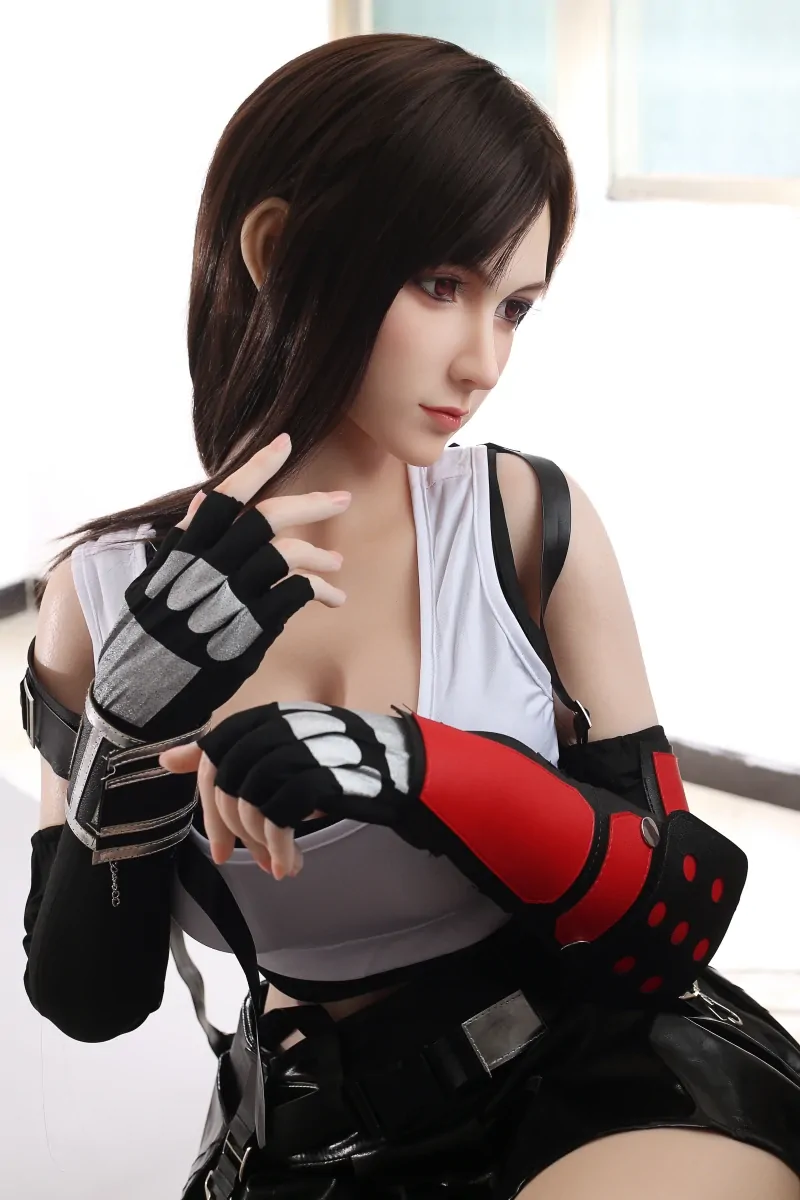 Why Has Tifa Changed So Much?
The first is technology.
The 1997 game had to use limited models and colours to establish her identity. The CG film allowed a character to move and react more like a real person. The remake then added a high-definition face, more realistic clothing materials and subtler expressions.
Each technological improvement required the creators to make clearer decisions about details that had previously remained undefined.
The second reason is the story.
In the original game, Tifa joins the battle and faces a crisis with the rest of the party. In Advent Children, she has entered life after the main conflict.
The remake retells and expands her experiences, while REBIRTH adds more everyday interactions and emotional moments.
As the character enters different stages of life, her clothing and overall state naturally change with her.
The third reason is that the players have changed.
Early players were used to completing characters through artwork and imagination. Modern players can pause a high-definition scene and examine the character from almost every angle.
Collectors have also moved from “I only need to recognise her” to “I want her to resemble the specific version I know.”
Tifa has therefore not been redesigned repeatedly without reason.
Her changing appearance reflects the development of game technology, the progression of her story and the changing way players look at characters.
Tifa Figure Collecting Has Moved from Recognition to Participation
Early anime figures were more like fixed memories.
They used a classic costume and pose to remind players of a particular game scene. Collectors viewed a finished work, and the character remained inside the pose selected by the designer.
However, as Tifa began to appear in more emotional states and everyday settings, some collectors started looking for a different experience.
They did not only want to recognise her inside a display cabinet. They also wanted to change her clothes, arrange her hair, adjust her pose or photograph her in a new environment.
This does not mean that traditional anime figures have lost their value.
A fixed figure is very good at preserving one accurate and complete moment. A more flexible character collectible allows the collector to continue participating in how the character is presented.
One form of collecting preserves a completed scene. The other allows the collector to continue creating the scene.
This is also why Tifa figures now look increasingly different from one another.
Different products are not necessarily competing to become the only correct version of Tifa. They may simply be responding to different relationships between the player and the character.
Why Different Faces Can Show Different Sides of the Same Tifa
One of the most noticeable changes in Tifa across different works is her face.
The 1997 original left players with considerable room for imagination. Advent Children made her look more mature, while FINAL FANTASY VII REMAKE and REBIRTH allowed players to observe subtle changes in her emotions.
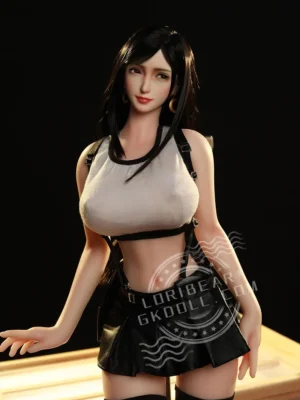
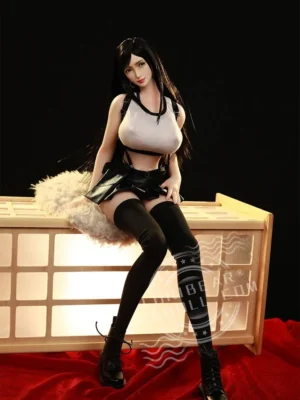
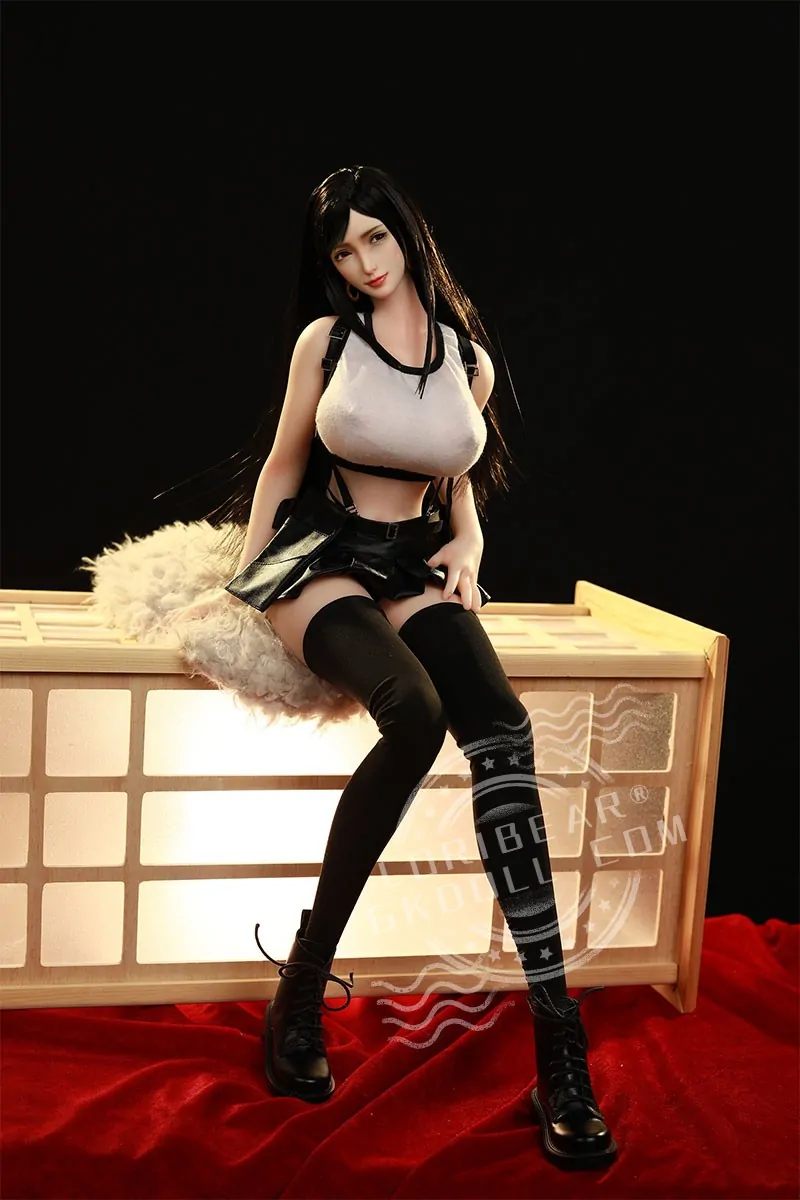
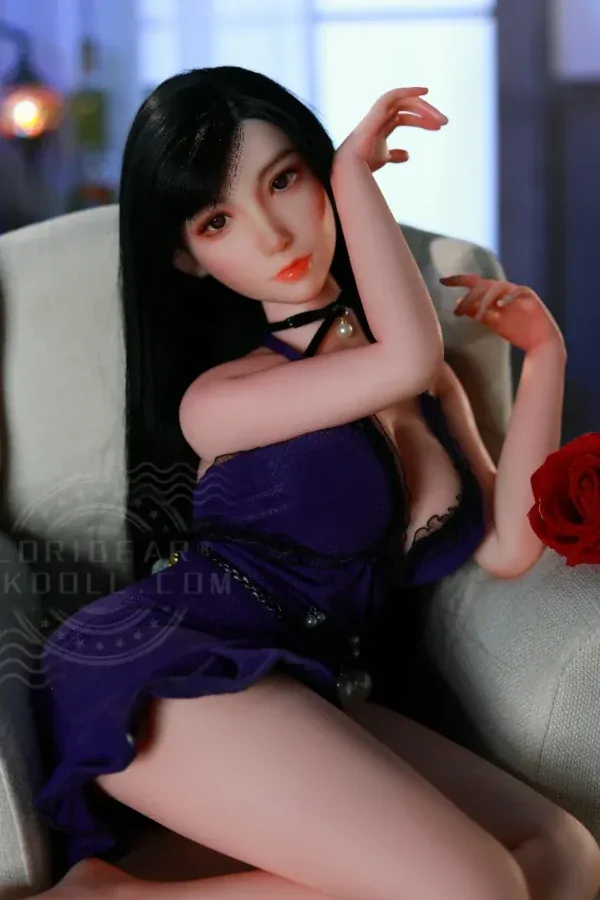
Our 80cm Tifa figure offers an A head and a B head, with an option to pair both heads with one body.
Even when the clothing and body remain unchanged, the facial expression can noticeably alter the way the character feels.
The A head appears quieter and more mature. It suits the restrained expression Tifa may show during a serious conversation or a moment of private thought. The B head feels brighter and more approachable, making it easier to imagine her relaxed and gentle side.
Both states belong to the Tifa that players know.
Some fans prefer her calm and determined side, while others are more drawn to her warmth and approachability. When the same body is paired with a different head, the scene and emotion imagined by the collector may also change.
Collectors who want to preserve one consistent appearance can simply choose the head that feels most familiar. Those who enjoy changing clothing, arranging scenes and photographing different moods can use both heads to give the same Tifa Lockhart figure a wider range of expressions.
As the official games have gradually shown more of Tifa’s expressions and everyday personality, a physical collectible no longer has to remain limited to one fixed face.
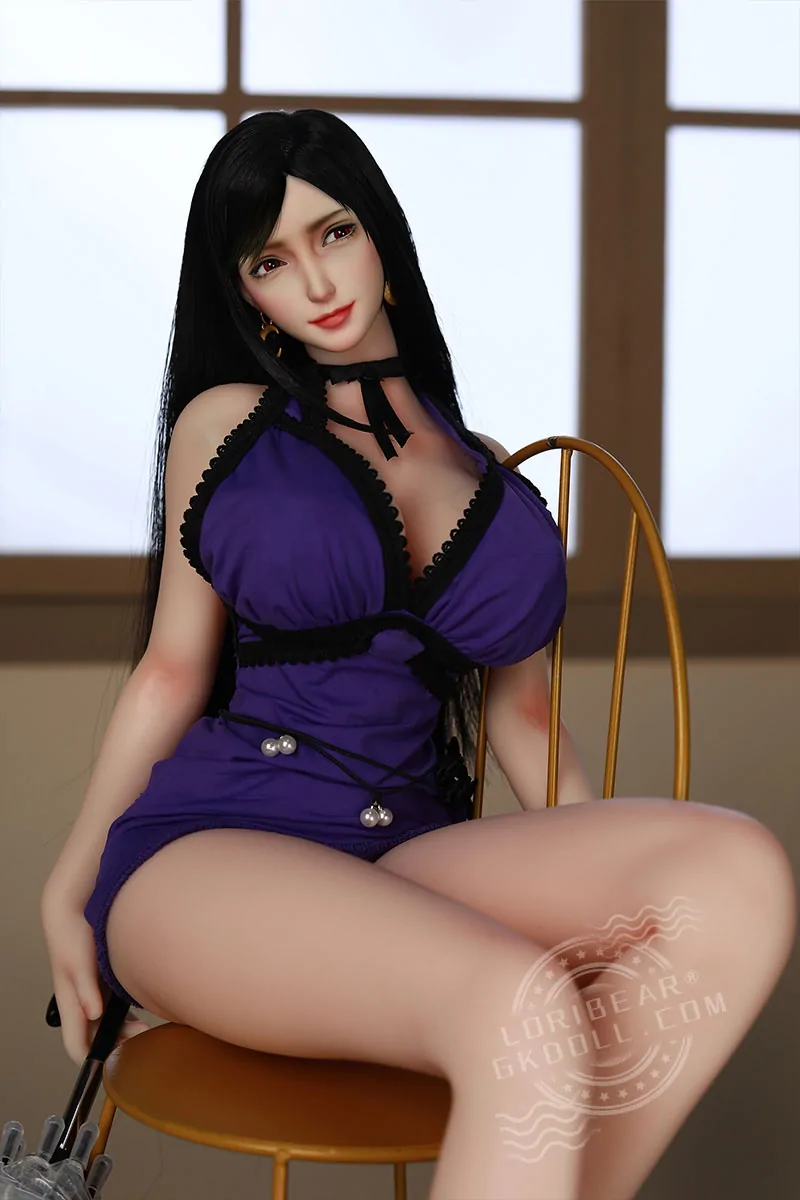 Why Tifa Hentai Has Extended into Physical Collecting
The 1997 original established her strongest visual features but did not fully define her face, hair or everyday behaviour. Early creators therefore used official illustrations, the classic costume and their own understanding to complete the parts that never appeared clearly on screen.
FINAL FANTASY VII: Advent Children presented a more mature Tifa, while FINAL FANTASY VII REMAKE and REBIRTH provided clearer references for her face, movement, clothing and everyday environments.
As all these interpretations accumulated, fans no longer wanted to see Tifa only inside one battle scene.
Some wanted to preserve the classic 1997 costume while using the clearer face of the remake. Some preferred the quiet maturity of Advent Children. Others wanted to see her arranging her hair, changing clothes or appearing in more private and relaxed environments outside battle.
Tifa hentai developed from this continuing imagination.
It does not simply add bolder imagery. It also allows fans to explore aspects of Tifa that the official story did not fully develop. Different outfits, emotional states and more personal settings all become part of the character’s extended image.
When this imagination moved from illustrations and videos into physical collecting, it created more flexible character products such as the Hentai figure.
Hentai Figures Meet a Different Expectation Among Some Tifa Fans
A traditional anime figure is designed to preserve a finished and memorable moment.
The clothing, expression and pose have already been chosen by the designer. When collectors place the figure on a desk or inside a display cabinet, they see a particular scene, movement or familiar costume.
A Hentai figure offers another way to collect the character.
It remains based on an anime or game character, but the character does not have to stay permanently inside the same action or setting. Real clothing can be changed, implanted hair can be arranged, and the figure can take on different states according to the room or photography theme.
For some Tifa fans, this freedom provides an experience that an ordinary figure cannot offer.
They do not only want to preserve one frame from the screen. They want Tifa to leave the fixed image and appear more completely inside their own collection space.
This expectation can be very simple.
They may want to arrange her long hair by hand, dress her in something different from the classic battle outfit or allow her to show the more relaxed, everyday side seen in REBIRTH.
Adult-oriented design can also respond to the needs of adult collectors who want a more private and intimate form of character collecting.
That desire still comes from an attachment to the character. The collector simply wants the distance between themselves and Tifa to extend beyond the outside of a display cabinet.
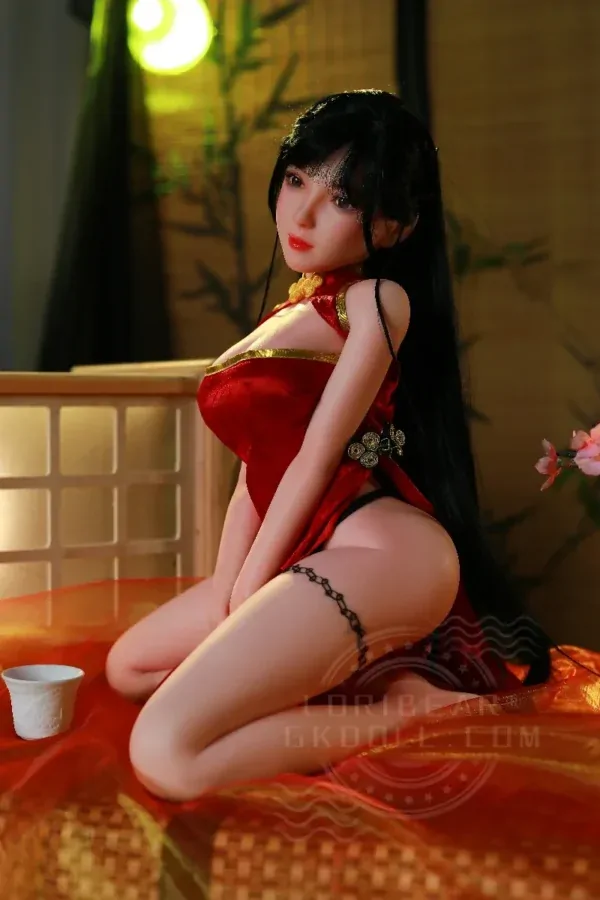 From Tifa on the Screen to Tifa in a Real Space
More importantly, Tifa begins to interact with a real environment.
Her clothing is no longer a texture sculpted onto the body. It falls naturally according to the pose. Her long hair is no longer a fixed plastic shape and can be arranged around the shoulders, back and surrounding scene.
When the character is placed beside a desk, near a window or elsewhere in a room, the collector no longer sees a model separated from its surroundings. They can see how Tifa appears within a real space.
This is what some fans mean when they talk about “bringing Tifa out of the screen.”
It does not mean copying a game image directly into reality. It means turning the Tifa that players have built through games, films and imagination over many years into a physical collectible that can be viewed closely, dressed and rearranged.
Our three current Tifa products extend this experience in different ways.
The 68cm Tifa Lockhart figure preserves a complete and familiar character appearance while allowing collectors to arrange the implanted hair, change the clothing and adjust the character’s state.
The 80cm version offers A and B head options. When the same body is paired with a different face, the character can appear quiet and mature or brighter and more approachable, allowing her to suit different clothing and scenes.
The life-size Tifa figure allows Tifa to enter the room more completely. Some collectors may view it as a life-size character figure with a strong physical presence. Other adult users may describe it as a Tifa sex doll because it also supports more private collecting needs.
These names emphasise different parts of the experience, but they begin with the same wish:
Fans want the Tifa they know to exist somewhere beyond the screen and the fixed pose of an ordinary figure.
 Three Products, Three Ways to Feel Closer to Tifa
It is more meaningful to consider how each one allows the collector to approach the character.
The first approach preserves the familiar character appearance while providing more freedom than a traditional anime figure. Collectors can continue to appreciate a complete Tifa design while using changes in clothing, hair and pose to place her in new scenes.
The second approach expands the character through different facial states.
The A and B heads suit different impressions of Tifa. Some collectors prefer her calm and mature side, while others feel more connected to her relaxed warmth and approachability.
The third approach brings Tifa into a private collection space at a human scale.
This type of product offers more than visual display. It also creates a more complete relationship with the surrounding room and a more personal form of adult collecting. It is intended for collectors who already know that a desktop figure is no longer the experience they are looking for.
Readers can view the actual images of all three products in our Final Fantasy Tifa figure collection.
Before comparing specifications, it may be more useful to notice the first feeling created by each version of Tifa: which face looks most familiar, which emotional state is closest to your memory and how you would like her to appear in your collection space.
Change Has Not Erased the Classic Tifa
From the 1997 original to FINAL FANTASY VII: Advent Children, FINAL FANTASY VII REMAKE and FINAL FANTASY VII REBIRTH, Tifa has gone through many visual changes.
However, each new version has never completely replaced the previous one.
The original preserved the most recognisable clothing and outline. Advent Children made her look more mature. The remake gave players clearer references for her face, hair and movement, while REBIRTH showed more of her relaxed, everyday side outside battle.
Together, these changes form the Tifa that players understand today.
A Tifa Lockhart figure therefore cannot easily reproduce every period at once, and it cannot satisfy every fan’s complete image of the character.
Some collectors care most about the classic costume. Others accept only the modern remake face. Some want clothing changes, different heads and new scenes that allow them to see a version of Tifa beyond a fixed game image.
A traditional anime figure preserves a completed moment.
An adjustable Hentai figure allows the collector to continue extending that moment. A life-size Tifa sex doll further meets the needs of some adult fans who want the character to exist within a real room and private collection space.
These forms do not replace one another. They are different ways for fans to approach the same character.
The right Tifa figure should first allow the collector to recognise the Tifa they remember. It should then allow that familiarity to continue naturally through display, dressing, photography or private collecting.
 FAQ: Tifa Figures and Tifa Collecting
Why do different Tifa figures have such different faces?
Different products may be based on different periods of Tifa’s design.
The 1997 original did not provide a fully defined high-definition face, so early products relied more on character illustrations and player memories. Advent Children introduced a more mature appearance, while FINAL FANTASY VII REMAKE and REBIRTH offered clearer modern references.
Collectors should therefore first consider which period of Tifa feels most familiar to them.
Why can some Tifa figures change clothes and poses?
A fixed anime figure usually preserves one completed action, while a larger character figure allows greater collector participation.
When clothing, implanted hair and poses can be adjusted, Tifa no longer has to remain exactly as she appears in the product photographs. The collector can continue creating new scenes based on the room, photography concept and personal understanding of the character.
What difference do the two head options make?
Different faces change the emotional tone and perceived distance of the same character.
The A head feels quieter and more mature, while the B head appears brighter and more approachable. Collectors who want one consistent appearance can choose the head that feels most familiar. Those who enjoy dressing and photographing different scenes can use both heads to show a broader range of character states.
What is the difference between a Hentai figure and an ordinary anime figure?
An ordinary anime figure usually preserves one fixed character appearance, such as a classic costume, battle movement or story scene.
A Hentai figure offers a more flexible presentation. Collectors may be able to arrange the hair, change the clothing, adjust the character’s state and place the figure in a more private or everyday environment.
Both forms can begin with an attachment to the character. The difference lies in how closely the collector wants to participate in the presentation and how much distance they want to keep between themselves and the figure.
Why is the same type of product sometimes called a Tifa figure and sometimes a Tifa sex doll?
Different collectors focus on different parts of the product.
Those who value Tifa’s character design, clothing and collectible appearance are more likely to use the term Tifa figure. Those who focus on human-scale proportions, a soft body and an adult private experience may search for a Tifa sex doll.
Some products combine character collecting with adult-oriented design, so the two terms may describe similar forms of physical collectible.
Is a life-size Tifa suitable for every collector?
Not necessarily.
A life-size product creates a stronger character presence, but it also requires more display space and a clearer plan for cleaning and long-term maintenance.
Collectors who mainly want display, dressing and photography may prefer a large Tifa Lockhart figure. Those who want the character to enter the room at a human scale and also want an adult private collecting experience may be more suited to exploring a life-size version.
When Tifa Truly Steps Out of the Screen and into a Collection Space
Tifa continues to attract players from different generations not because she has always remained exactly the same.
On the contrary, each new work has added expressions, clothing, movements and everyday states while preserving the core image that allows players to recognise her.
The Tifa figure has changed in a similar way.
It can preserve the classic impression of 1997 or move closer to the clearer appearance of the remake. It can remain inside one fixed pose or enter new scenes through clothing changes, different heads and pose adjustments.
For some adult collectors, Hentai figures and Tifa sex dolls further reduce the distance between the character and a real collection space.
This does not erase the classic Tifa. It gives different fans more ways to preserve and extend their own memories of the character.
When a Tifa collectible creates the feeling that “she no longer exists only on the screen,” character collecting changes from simply viewing an object into meeting a familiar person again.