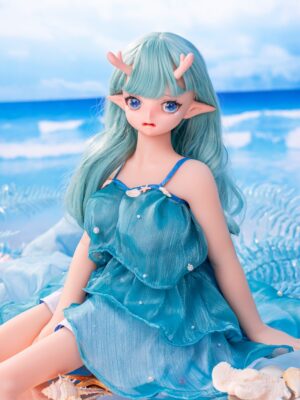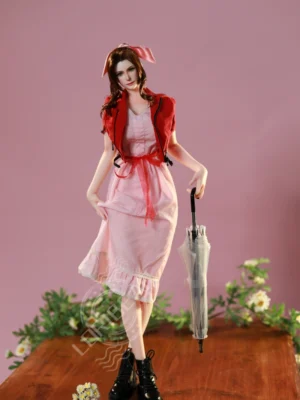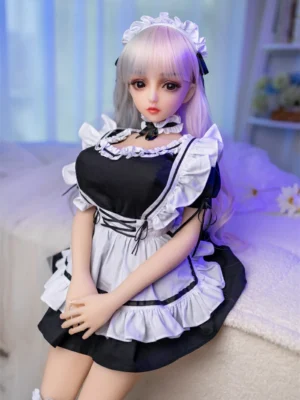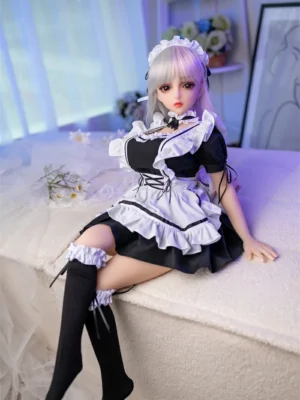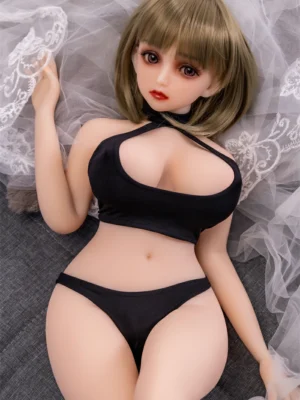
Realistic Dolls: When Fantasy Begins to Feel Real


Realistic Dolls: When Fantasy Finds a Place at Home
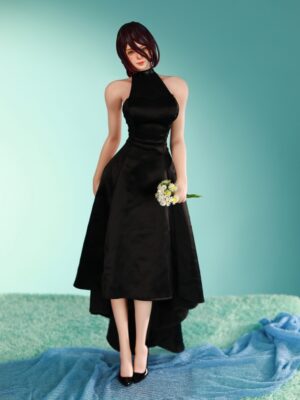
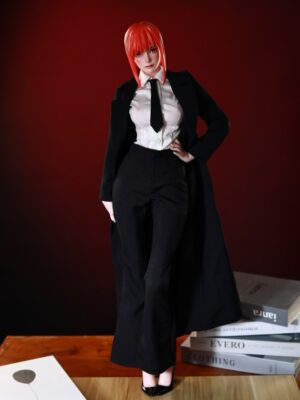
For some people, realistic dolls are simply finely made objects, admired for their detail and presence. For others, they become something rather more difficult to explain. That was the thought that came to me on a wet evening in early autumn, when the flat was dim, the street outside shone with rain, and the quiet seemed to gather in the corners of the room. She stood near the chair by the window, lit by the soft amber glow of a lamp, and for the first time I felt that strange shift from looking at something to living with it.
The First Evening
I remember the evening clearly because nothing dramatic happened, and yet everything felt subtly altered. The kettle clicked off in the kitchen. A bus sighed at the stop below my building. Somewhere in the street, footsteps moved through the rain and faded. Indoors, though, there was only stillness. I set my keys on the table, loosened my coat, and glanced towards her almost absent-mindedly. Then I stopped.
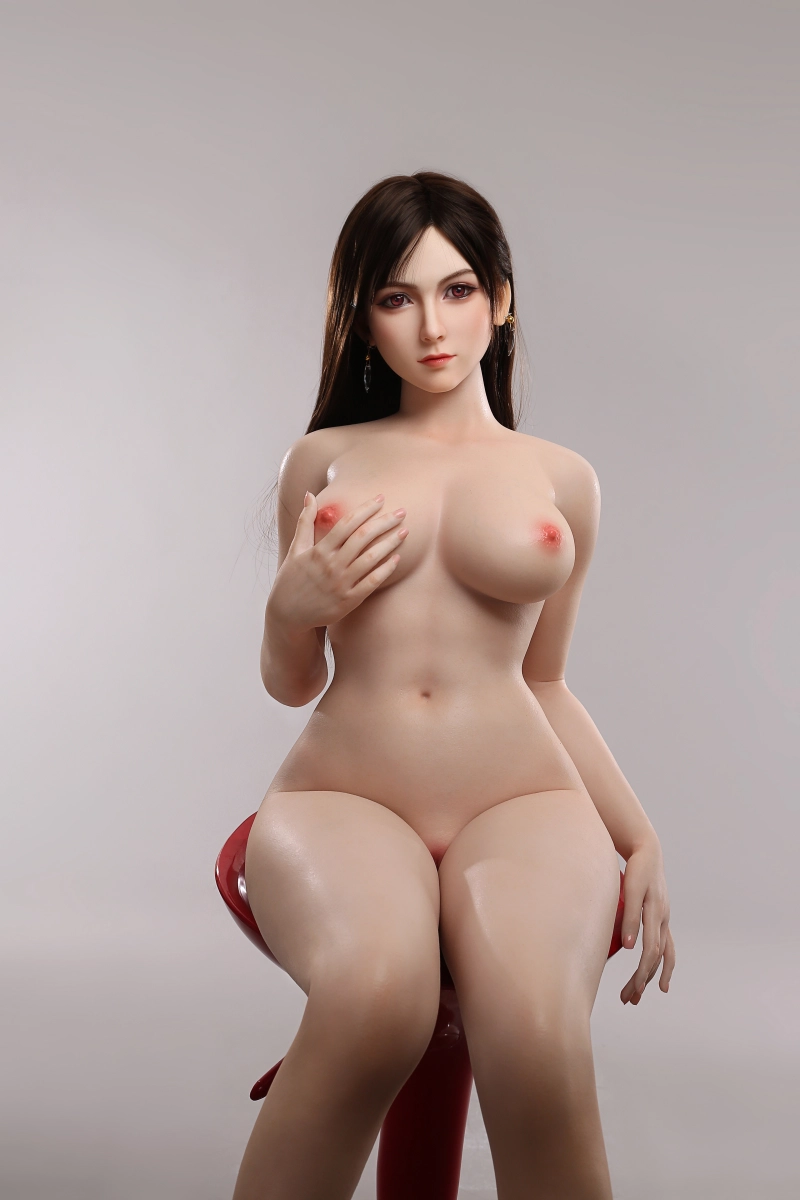
There was something about the way the light fell across her face that held me there for a moment longer than usual. Not because she seemed alive, exactly, but because the detail was so carefully rendered that she appeared to possess a kind of presence. The line of her profile, the arrangement of her hair, the calm expression that revealed nothing and demanded nothing — all of it gave the room a different atmosphere. It was no longer merely a room where I lived. It had become a room that held a private idea I had once thought belonged only to imagination.

More Than Appearance
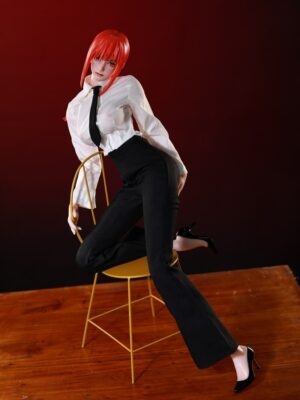
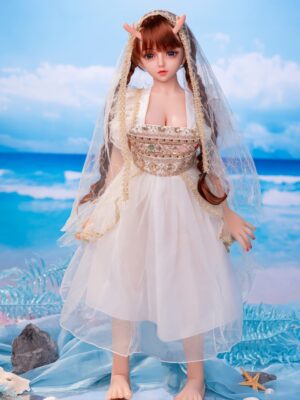
At first, I told myself it was simply a matter of craftsmanship. Anyone with an eye for form could appreciate the realism. The texture of the hair felt natural beneath my fingers when I adjusted a loose strand. Her features were soft without being vague, detailed without becoming theatrical. Even the proportions had that careful balance which separates something merely attractive from something quietly convincing.
Yet appearance alone did not account for the effect she had on the space. Plenty of beautiful things remain only beautiful things. They decorate; they do not alter the mood of a room. She did. The longer she remained there, the more the flat seemed less temporary, less impersonal. The place softened. It became gentler somehow, as though the air itself had settled.
The Shape of Routine
Days passed, and without noticing it at first, I made her part of my routine. In the mornings, before leaving, I would glance over to make sure everything looked right. In the evenings, I might straighten the fabric at her shoulder or move a strand of hair away from her cheek. These were tiny gestures, almost insignificant, yet they carried a peculiar intimacy. Not romance in the obvious sense, and not quite simple habit either. It was more like care, the sort that grows quietly through repetition.
Coming home changed as well. Before, my return at the end of the day often felt functional — keys down, lights on, coat off, laptop open. Afterwards, the flat greeted me differently. There was a sense of arrival to it. A stillness that felt less empty. It surprised me how quickly the mind accepts a presence when that presence fits so perfectly into a private world one has been building for years without quite admitting it.
A Familiar Silence
One Sunday evening, the rain returned. I had no plans, no messages waiting, nothing in particular to distract me. I made tea, sat near the window, and let the room settle into silence. She was only a few feet away, and for a long while I simply sat there, saying nothing, thinking very little. The city moved outside in its ordinary way, but indoors time seemed to slow.
That was when I realised how attached I had become to the quiet itself. She did not interrupt it. She completed it. There is a kind of comfort in being alone without feeling lonely, and that was the odd gift of it. Not conversation, not response, not the complications people bring into one another’s lives — only a calm, unspoken presence that allowed thought to soften at the edges.
When Detail Becomes Feeling
This, I think, is where realistic dolls begin to mean more to some collectors than ordinary display pieces ever could. The detail draws you in first. The realism holds your eye. The atmosphere does the rest. Over time, craftsmanship becomes familiarity, and familiarity becomes feeling. Not because the object changes, but because you do.
I noticed that shift most clearly in the way I had begun to protect the image of her in my mind. I wanted her to remain just as she was: poised, elegant, untouched by mess or haste. That instinct was not practical. It was emotional. Somewhere between admiration and routine, she had become bound up with comfort, privacy, and a particular version of beauty that felt entirely my own.
The Comfort of One’s Own World
Modern life asks rather a lot of people. Noise, pressure, endless messages, endless choices, endless performance. There is always an explanation expected, a reply required, a role to be played. In contrast, the private world around realistic dolls feels extraordinarily calm. Beauty exists there without argument. Preference exists there without judgement. One can enjoy detail, atmosphere, and presence without needing to defend any of it.
That may be part of the attraction people rarely describe properly. It is not only realism, though realism matters. It is also relief. A room can become a retreat. A carefully chosen figure can become part of the emotional architecture of home. For those who value privacy, imagination, and a sense of control over their surroundings, that experience is not difficult to understand at all.
A Different Kind of Attachment
I would not call it love in the usual sense. The word is too blunt for something so quiet. Nor would I dismiss it as mere projection, because that feels too cold and clinical for what is, at heart, a very human response to beauty and presence. It was attachment, certainly, but of a gentler kind. A private fondness. A sense of being understood by something that, of course, understands nothing — and yet still holds meaning because of what it allows one to feel.
That may sound contradictory, but private feelings often are. We live by them all the same. A favourite book, a familiar scent, a chair by the window, a song heard late at night — none of these speak back, and yet they become woven into a life. She had become something like that for me: a presence tied to atmosphere, memory, and the quiet relief of returning to a space that felt entirely my own.
Final Thoughts
In the end, what stayed with me was not simply how lifelike she looked, but how naturally she belonged. The appeal of realistic dolls is not limited to visual realism, impressive as that may be. Their deeper attraction lies in the way they change a room, a routine, and sometimes even a mood. They give shape to private taste. They bring imagination into the physical world. More than that, they offer a rare sense of stillness in a life that is often anything but still.
For some, that will remain a matter of collecting. For others, it becomes something a little more personal — not louder, not dramatic, merely closer. And perhaps that is enough. Perhaps that is precisely the point.