18-Inch Doll Outfits: Sizing, Fabrics and Care

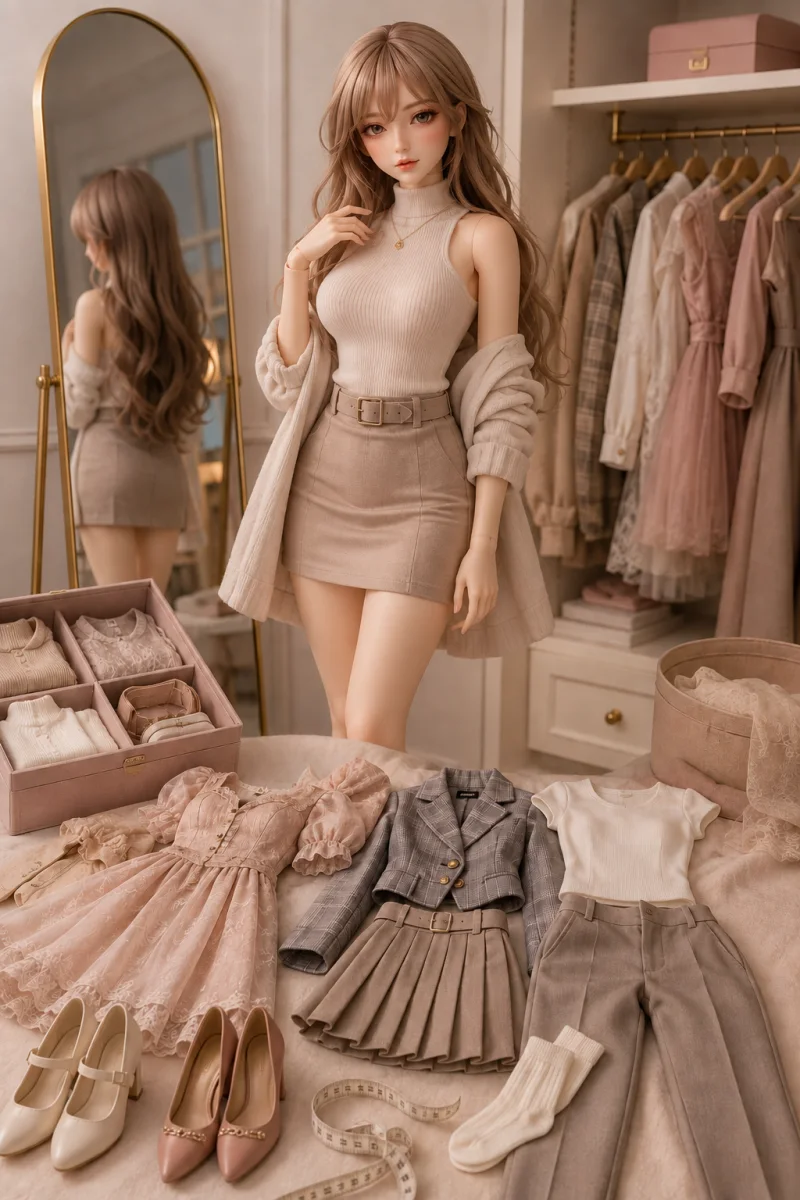
Doll outfits 18 inch refers to clothing designed for dolls in the nominal 18-inch size category. However, height works only as a starting point because chest, waist, shoulder width, torso length, limb shape, foot size and body construction can vary considerably between brands and individual models.
Therefore, accurate measurements matter more than the size label alone. A well-matched garment reduces tight armholes, dragging hems, strained seams and fasteners that press against the doll. In addition, good sizing makes dressing easier and helps protect painted surfaces, rooted hair and articulated joints. Related clothing, furniture and customisation topics appear in the doll customisation and styling reference.
| Measurement | Garments affected |
|---|---|
| Chest and waist | Tops, dresses, coats and elastic waistbands. |
| Shoulder and sleeve length | Shirts, jackets and long-sleeved dresses. |
| Hip and inseam | Trousers, skirts, shorts and jumpsuits. |
| Foot length and width | Socks, boots and shoes. |
Why 18-inch doll sizing varies
Two dolls with the same overall height can have very different torso lengths, shoulder widths and limb proportions. For example, one model may have a narrow cloth torso, while another uses a wider vinyl or articulated body. As a result, the same garment can hang loosely on one doll and feel restrictive on another.
Body construction also changes how clothing sits. Cloth bodies compress more easily, whereas rigid vinyl bodies need extra room around fixed curves and joints. Likewise, articulated elbows and knees can change the effective sleeve or trouser length once you pose the doll.
A fitted 18 doll dress may therefore suit one body perfectly yet restrict another model with broader shoulders or a longer torso. Instead of relying only on “18 inch” in a product title, compare the garment dimensions with the actual doll.
Measure the doll before buying clothes
First, use a soft measuring tape and keep the doll in a natural, supported position. Do not pull the tape tightly around the body because that can produce measurements that leave too little dressing ease.
- Measure the chest, waist and hips at their widest practical points.
- Record shoulder width from one shoulder point to the other.
- Measure sleeve length with the arm resting in a natural position.
- Measure waist to ankle and the inside leg for trousers.
- Record neck circumference and head size when clothing must pass over the head.
- Measure foot length, foot width and ankle circumference for socks, boots and shoes.
- Note fixed bends, rooted hair, large hands and parts that need extra clearance.
Next, compare these figures with the seller’s garment measurements rather than the doll-height label alone. In addition, allow enough space for closure overlap, seam allowance and movement where the pattern requires it.
Stretch fabric can accommodate small differences. However, do not use elasticity to force a clearly undersized garment onto the doll. Excess tension can distort seams, stretch openings permanently or place pressure on the body surface.
Check openings as well as body measurements
Body measurements tell only part of the story. For example, a top may fit the chest but still have a neck opening that cannot pass safely over the head. Likewise, narrow cuffs can catch on fixed fingers, while tight trouser openings can become difficult to guide over rigid feet.
Therefore, check the width of the neck, sleeves, waist openings and trouser legs before buying fitted clothing. If the doll has rooted hair, a detachable head or detailed hands, larger openings can make dressing much easier.
Back closures often work well because they reduce the amount of fabric that must pass over the head. Meanwhile, full-length front openings can simplify jackets, coats and layered outfits.
Fabric selection for doll clothing
Lightweight cotton, smooth knit and fine woven fabrics usually work well for small-scale garments because thick seams can distort proportions. In addition, softer materials move more naturally around elbows, knees and the waist.
Colour also matters. Pale and colourfast fabrics reduce the chance of visible dye transfer during long displays. By contrast, dark denim, saturated red fabric, black synthetic material, faux leather and strongly printed linings deserve extra caution.
Before long-term use, wash new dark garments when the care instructions allow it and test the material for excess dye. A pale underlayer can also create separation between the garment and the doll. However, keep that underlayer loose enough to avoid pressure marks.
Texture deserves attention as well. Rough glitter, stiff metallic threads and abrasive decorative mesh can rub against painted or soft surfaces. Therefore, inspect the inside of a garment rather than judging it only from the exterior design.
Fasteners and seam construction
Snaps, hook-and-loop tape, small buttons and zips all work differently at doll scale. First, make sure each fastener opens far enough to dress the doll without pulling on fingers, joints or rooted hair.
In addition, inspect the reverse side of each closure. Rough hook material, exposed metal backs and sharp zip ends can scratch paint or catch fine hair. A thin fabric facing between the fastener and the doll can reduce direct contact.
Flat seams and finished edges reduce unnecessary bulk. Meanwhile, loose threads can catch on accessories or fingers, so trim them carefully before dressing the doll.
Heavy embellishments also affect fit. For example, large beads, metal charms and thick embroidery can pull a small garment out of shape. Therefore, decorative detail works best when the underlying fabric can support its weight.
Dresses, skirts and fitted tops
Doll dresses 18 inch need enough room at the shoulders, chest and widest part of the skirt or bodice. Before buying, compare the chest and waist measurements with the garment rather than relying on the listed height alone.
A-line and looser dresses usually tolerate small differences in hip measurements. By contrast, fitted bodices, pencil skirts and tailored jackets require more accurate sizing because they offer less spare room.
Hem length also changes with body proportions. For example, a dress that reaches the knee on one 18-inch doll may fall above or below the knee on another. Therefore, use the shoulder-to-hem or waist-to-hem measurement when the final silhouette matters.
Trousers, shorts and jumpsuits
Trousers require both hip and inseam measurements. In addition, check the rise from the crotch to the waist because dolls with longer torsos or fuller hips can need more space even when the inseam matches.
Elastic waists provide some flexibility, but the elastic still needs enough stretch to pass over the widest point safely. Meanwhile, fitted waistbands require a more precise match.
Jumpsuits need the most complete comparison because one garment must fit the torso, hips, shoulders and legs at the same time. Therefore, check torso length as carefully as chest and inseam measurements.
Layering coats, jackets and seasonal outfits
Coats and jackets require extra ease when another garment sits underneath. For example, a coat that fits perfectly over a bare torso may become too tight over a sweater or layered dress.
Therefore, plan the complete outfit before choosing the outer layer. In addition, check sleeve width because layered fabrics add bulk around the arms.
When assembling doll outfits for 18 inch dolls, coordinating colours and compatible fastener positions can reduce unnecessary handling. A small capsule wardrobe with several interchangeable tops, bottoms and outer layers can create more combinations than a large group of unrelated garments.
Shoes, boots and socks
Footwear needs more than foot length. First, compare the width of the foot, the shape of the toes and the circumference around the ankle or lower leg.
Rigid shoes leave very little tolerance for measurement differences. Therefore, never force them over the toes or press the foot into a visibly narrow opening. Soft shoes and elasticated footwear can offer more flexibility, although the stated size still matters.
Socks can also affect the final fit. For example, a boot that fits a bare foot may become tight over a thick sock. As a result, decide whether the doll will wear socks before selecting close-fitting footwear.
Accessories, belts and jewellery
Belts, necklaces, bracelets and hair accessories can complete an outfit, but small decorative pieces need careful placement. Metal components may rub against paint, while tight elastic can leave temporary or persistent marks.
Therefore, check accessory tension during long displays. If a belt or elastic band leaves a visible indentation, loosen or remove it instead of leaving continuous pressure on the same area.
In addition, avoid pulling jewellery across rooted hair or detailed fingers. Open the clasp fully whenever possible and position the accessory with the least contact against delicate surfaces.
A safer dressing method
Begin by placing the doll on a clean, padded surface. Next, open every fastener fully before guiding the garment over the body. Support each limb with one hand rather than pulling the clothing from the end of the arm or leg.
For sleeves, gather the fabric before guiding the hand through the opening. This method reduces friction and makes it easier to protect fixed fingers. Likewise, move rooted hair away from collars and closures before fastening the garment.
When dressing articulated dolls, keep the joints in a relaxed position. Forcing clothing over sharply bent elbows or knees creates unnecessary tension on both the garment and the doll.
Finally, inspect the outfit after dressing. Check cuffs, waistbands, collars and fasteners for pressure. If one area feels excessively tight, remove the garment and choose a larger or more flexible option.
Protecting the doll from colour transfer
Dark clothing deserves additional attention because dyes can migrate onto some doll surfaces. Therefore, wash and test strongly coloured garments before long display periods whenever the fabric care instructions permit.
A light-coloured base layer can provide additional separation. However, the base layer itself must fit correctly because tight fabric can create pressure marks.
For a new outfit, short initial display periods make inspection easier. Afterwards, remove the garment and check the contact areas around the shoulders, waist, hips and legs. This approach can reveal colour transfer before it becomes more noticeable.
Planning outfits for display and photography
Display clothing and photography clothing do not always need the same fit. For example, a closely fitted garment may look excellent for a short photo session but place too much pressure on the doll during long-term display.
Therefore, separate temporary styling choices from long-term wardrobe choices. You can use more structured clothing for supervised photography and switch to softer, looser garments afterwards.
Photographs of successful combinations also create a useful wardrobe record. In addition, they reduce repeated fitting because you can quickly identify which tops, skirts, trousers and shoes already work together.
Cleaning doll clothes
Follow the garment’s own care instructions because miniature clothing can contain several materials in one piece. For example, a cotton dress may also include elastic, metallic decorations, adhesive details or synthetic lace.
After washing, dry every garment completely before it touches the doll. Residual moisture can affect fabrics, fasteners and some doll surfaces. Therefore, avoid dressing the doll in clothing that still feels damp around seams or waistbands.
Hand washing can suit delicate garments when the care instructions allow it. Meanwhile, small mesh laundry bags can help protect suitable miniature clothing during machine washing.
Long-term storage for doll outfits
The Canadian Conservation Institute explains that textiles are vulnerable to light, heat, humidity, pollutants and poor handling. Its textile and costume guidance supports clean, well-supported storage with minimal sharp folding.
For everyday collections, labelled boxes or drawers make outfits easier to organise. In addition, separate dark garments from pale clothing when colour transfer between fabrics presents a concern.
Heavy, knitted, embellished or fragile pieces benefit from flat storage because hanging can stretch small shoulder seams. By contrast, light and structurally stable garments can hang on appropriately sized padded hangers.
Before storing an outfit for a long period, remove accessories that may press against the fabric. Likewise, close delicate hooks carefully so they cannot snag nearby garments.
Building a practical 18-inch doll wardrobe
A useful wardrobe does not need dozens of pieces. Instead, start with garments that combine easily: one or two tops, a dress, trousers or a skirt, a light outer layer and compatible footwear.
Next, add pieces that introduce a new colour, texture or seasonal look. This approach helps each purchase create several combinations rather than one isolated outfit.
In addition, keep basic measurements with your wardrobe notes. When you shop again, you can compare the new garment directly with pieces that already fit instead of measuring the doll from the beginning every time.
Buying checklist
- Check actual garment measurements rather than an 18-inch label alone.
- Compare chest, waist, hips and torso length with the doll.
- Confirm that neck, sleeve and trouser openings provide enough clearance.
- Choose colourfast fabric and inspect dark linings before long displays.
- Look for smooth fasteners that will not scratch paint or catch hair.
- Check foot length and width before buying shoes or boots.
- Allow additional ease when you plan to layer garments.
- Review care instructions for fabric, trims and embellishments.
- Inspect internal seams and decorative components, not only the exterior.
- Choose storage that protects both the garment shape and the doll surface.
Frequently Asked Questions
Do clothes for one 18-inch doll fit every 18-inch doll?
No. Height does not standardise chest, shoulders, hips, torso length, limbs or feet. Therefore, compare both doll and garment measurements before buying fitted clothing.
Which fabric is safest for long display?
Pale, smooth and colourfast fabric offers a cautious starting point. However, dark or strongly coloured material deserves washing and testing before long display periods.
How much ease does a doll garment need?
The garment needs enough room to pass over fixed hands, bent limbs and the widest body point without force. In addition, layered clothing requires extra space beyond the basic body measurement.
Should doll clothes stay on hangers?
Light and structurally stable garments can use appropriately sized padded hangers. By contrast, heavy, knitted, embellished or fragile pieces usually benefit from flat support.
Why does an 18-inch dress fit one doll but not another?
Different brands use different proportions even when the dolls share a similar overall height. For example, shoulder width, torso length and hip size can change how a fitted dress sits.
How can I reduce dye transfer from dark clothing?
Wash and test the garment when its care instructions allow it, then use a pale protective underlayer if needed. In addition, inspect the doll after short initial display periods before leaving the clothing on for longer.
Further wardrobe and display information appears in the Collector Guides directory. In addition, sizing principles for realistic dolls are covered in the reborn doll clothes reference.
Find Your Next Doll at LORIBEAR
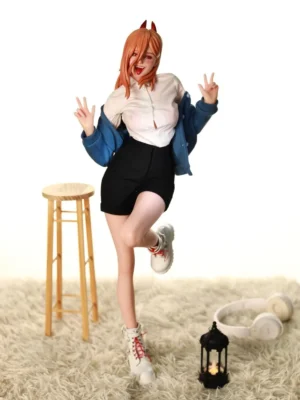
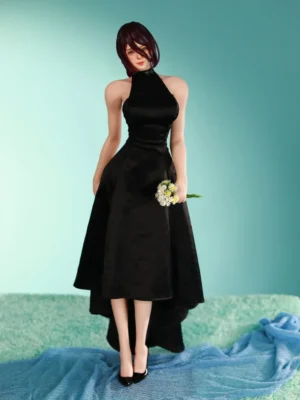
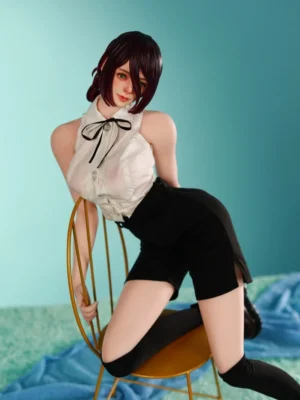
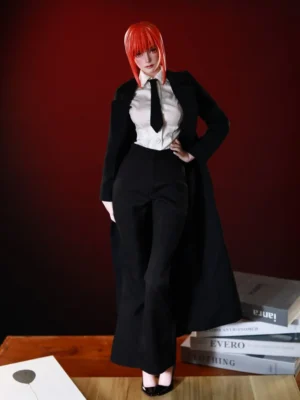
Now that you know how to compare clothing measurements, fabrics, footwear and outfit fit, you can start choosing the doll or figure you want to style. Visit the LORIBEAR shop to browse our current doll and character-inspired figure collection and find the model that fits the look you want to create.
Ready to choose your next doll? Explore the current LORIBEAR collection and find the character or design you want to add to your collection.